

Adapting workspaces to operate safely during a pandemic presents complications, not least of which is making sure that the measures taken to protect employees from infection do not undermine fire safety.
In the course of altering a building to prevent infection spread, there are risks of introducing new life safety hazards and compromising emergency preparedness. As buildings adapt to new occupancy standards and requirements, it is critical that any protective measures do not interfere with operation of life safety systems.
Might temporary partitions or barriers block escape routes during a fire emergency? Social distancing measures might entail blocking emergency exists and disrupting the flow of occupants looking to vacate a building. It is also important to avoid blocking firefighter access and facilities.
Fire Safety Partitions
Temporary partitions could block smoke exhausts, sprinkler systems or other elements of a life safety system
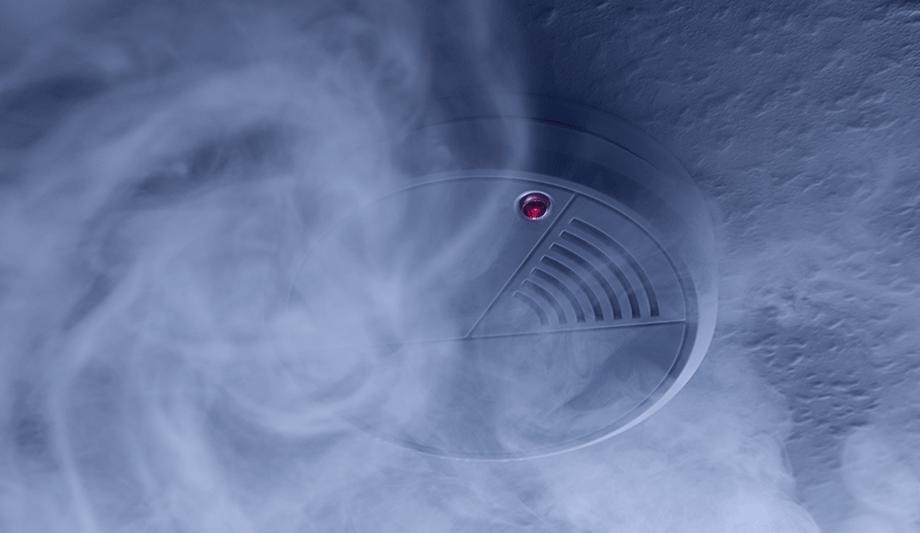
Temporary partitions could block smoke exhausts, sprinkler systems or other elements of a life safety system. Call points and detectors should remain unobstructed. Partitions should not be installed too close to any smoke detector. If installed less than 12 inches from the ceiling, partitions serve as walls that can obstruct the flow of smoke and heat, thus causing sprinklers to malfunction, for example.
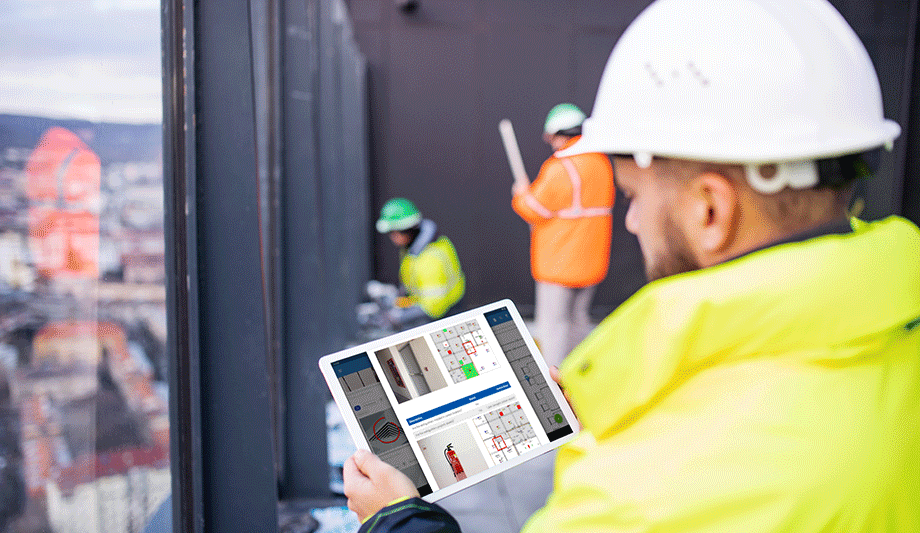
Another consideration is the need to ensure fire safety systems are operating as intended when buildings reopen after being unoccupied for an extended period. Appropriate inspection, testing and maintenance procedures should be followed, including sprinklers, alarm systems and portable fire extinguishers. During the various lockdowns, routine system maintenance might have been postponed or cancelled.
Adapting emergency and evacuation procedures
Building occupants should be educated on how they need to adapt their emergency and evacuation procedures in light of any COVID-19 related changes. Building owners and managers should also consider any new fire dangers, for example, might storage of large quantities of combustible items such as hand sanitizer constitute a fire hazard?
Maintaining social distancing can undermine the ability to vacate a building rapidly during a fire emergency. Obviously, if there is a real fire, the imminent threat of injury or death takes precedence over the goal of preventing infection by a (less likely) disease. In general, because rules have changed, the uncertainty might slow down evacuation.
What is the impact of lower occupancy on a building’s emergency procedures? Despite fewer occupants, there should be efforts to ensure enough trained people are on site to carry out evacuation. Fewer employees and staggered work schedules could require additional fire wardens or fire marshals. More training may be needed.
frequent fire drills
Larger outside assembly areas may be needed to avoid crowding and/or close proximity during a fire drill
What about fire drills? How do you weigh the benefits of being prepared to evacuate versus the risk of infection if social distancing requirements are ignored? Do distancing requirements apply as people move through a fire escape? How much more complicated do these questions become in a high-rise building? What about the use of elevators?
Larger outside assembly areas may be needed to avoid crowding and/or close proximity during a fire drill. In the event that social distancing rules are breached during a fire drill, should additional quarantine or contact tracing procedures be implemented?
fire safety arrangements
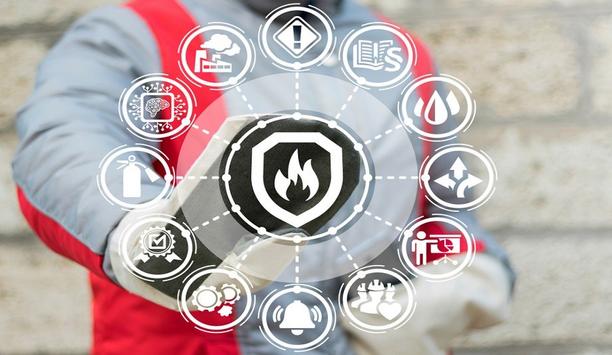
At the end of the day, most of these hurdles can be overcome. However, they should not be ignored. Careful consideration of the broad impacts of COVID-19 safety measures on life safety ensures that building occupants remain safe from either calamity. As businesses reopen, adequate fire safety arrangements must be a part of the new normal.

- Fire Safety Risk Assessment
- Fire Safety Planning
- Fire Detection
- Fire Protection
- Fire Rescue
- Fire Safety Inspection
- Fire Safety Testing
- Fire Safety Standards
- Training & Education
- Fire Safety Policies
- Fire Safety Management
- Fire Emergency Response
- Electrical Fire Safety
- Building Fire Safety
- Tall Building Fire Safety
- Active Fire Protection (AFP)
- Public Education
- COVID-19
- Personal Protective Equipment (PPE)
- Smart Home
- Explosion Protection
- Flammable Material Control