Fire Safety Standards

For a business owner in the hospitality sector, fire safety should be one of the top priorities. Fires can cause extensive damage to the property and put the customers and employees at risk. In this guide, they’ll provide tips on reducing the risk of fires in the business and what to do if a fire breaks out. They’ll also discuss some common causes of fires in the hospitality industry and the steps they can take to prevent them. So read on for all they need to know about fire safety...

The Idaho Falls Fire Department (IFFD) formally marked the grand opening of Fire Station 6 now, with a ceremonial hose uncoupling at 2767 N. Spitfire St. The event signifies the completion of construction and the official opening of a new fire station on Idaho Falls’ north side, which will support emergency response in a rapidly growing area of the community. Investment in the safety and well-being “The opening of Fire Station 6 represents a critical investment in the safe...

Pierce Manufacturing Inc., an Oshkosh Corporation business, announced a new round of major facility advancements across its Appleton, Wisconsin, manufacturing operations. Building on a multi-year modernization initiative launched in 2022, and the company’s long history of focusing on innovation and reinvestment, these strategic investments are designed to expand production capacity which will enable faster delivery of high-quality fire apparatus to fire departments. Pierce’s long-t...

Skills for Security has partnered with C-TEC to strengthen the training opportunities for apprentice fire and security technicians through greater access to current technologies and direct engagement with industry expertise. C-TEC’s involvement will include providing equipment for training, technical resources and the expertise of its engineering and product development teams. Apprentices will benefit from demonstrations and discussions that show how design choices affect performance, usa...

Two patent-pending rigid couplings from ASC Engineered Solutions are now available that will revolutionize fire safety piping system installations. The new SPF Anvil Fig. C9-CL and Gruvlok Fig. FP74CL rigid couplings feature brand new Sabertooth™ Installation Technology, allowing for quick and accurate visual and tactile installation verification. FM Approved and UL Listed FM Approved and UL Listed, the Fig. C9-CL and the Fig. FP74CL offer the fastest and easiest grooved fire system...

The fire safety industry needs to be united in its initiative for the moral and behavioral changes in culture needed to improve standards. We should consider the moral responsibility required of all concerned in the supply chain from top to bottom, including designers, developers, suppliers, contractors, asset owners, manufacturers, managers and installers and many more. Let’s not forget, keeping the public safe is more than a job. Working in this industry is a vocation and should not be...
News

Just in time for the 2025 Advent season, the INTERSCHUTZ ticket shop opens. Anyone wishing to give INTERSCHUTZ tickets as a St. Nicholas or Christmas gift can now find them on the INTERSCHUTZ website starting now, December 1, 2025. Day tickets and season tickets are available at the website. A day pass costs EUR 29.00 online and EUR 34.00 at the box office. An all-days-pass costs EUR 59.00 online and EUR 69.00 at the box office and is valid for all INTERSCHUTZ event days (June 1 to 6, 2026). Online and box office price Reduced rates are available for schoolchildren, trainees, students aged 18 and over, seniors aged 65 and over, holders of a disability ID, individuals performing federal voluntary or military service, those completing a voluntary social or ecological year, unemployed individuals, and recipients of social assistance. With valid proof of eligibility, the online and box office price is EUR 24.00. Admission is free for children under 5. Children aged 6 and above require a valid INTERSCHUTZ ticket. Children and young people under 15 must be accompanied by a responsible adult. Please note: INTERSCHUTZ tickets do not include free public transportation in the Hanover region.
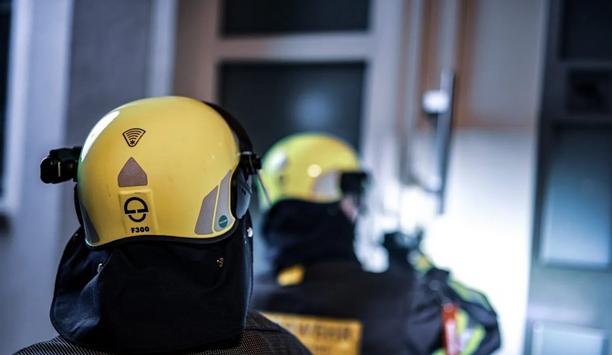
Twiceme Technology, a company building the digital safety standard for jobsites and adventures, announced its entry into the firefighting market through its collaboration with SCHUBERTH, the globally renowned helmet manufacturer. SCHUBERTH’s new firefighting helmets, the F300, F220, and F130, mark the first time professional firefighter helmets integrate digital safety information technology. The Twiceme integration will simplify safety for users, allowing them to take control of tracking equipment health, inspections, and compliance, including certifications and expiration dates, to ensure safety standards are met, reduce incident risk, and save costs through efficient safety management. High-performance firefighting helmets The three SCHUBERTH high-performance firefighting helmets are designed for operations under extreme thermal stress. Each helmet includes advanced, high-temperature-resistant HighTemp-Fibre and is certified to Deutsches Institut für Normung (DIN) and European Committee for Standardization (EN) 443: 2008, meeting the highest standards of safety and performance for structural firefighting, rescue operations, and traffic-accident response. All three helmets are Type A, with the F220 featuring a modern ¾ helmet shell, the F130 offering a traditional half-shell, and the F300 design optimized for scenarios where working overhead or looking upwards is required. Historic step for Twiceme “This is a historic step for Twiceme and for the firefighting community,” said Christian Connolly, CEO of Twiceme Technology, adding “We turn to firefighters when we need help the most, yet we rarely think about how dangerous their profession is. For the first time, they will have access to integrated digital safety information directly in their helmets, empowering action when seconds matter.” Developed in Germany Developed in Germany for professional use, SCHUBERTH’s firefighting helmets embody the brand’s century-long commitment to safety and performance. The HighTemp-Fibre shells provide reliable protection against heat and impact while maintaining exceptional comfort and modularity. “Our high-performance firefighter helmets were developed specifically to withstand increased thermal stress and meet the highest standards of safety and performance,” said Florian Brunck, Head of Business Unit – industrial safety and firefighting, SCHUBERTH, adding “We’ve always worked to set the benchmark in head protection, and now with Twiceme, we’ve introduced a bridge that connects the firefighter, the equipment, and the responder.” SCHUBERTH helmets The SCHUBERTH helmets with Twiceme are now available through authorized SCHUBERTH distributors and firefighting equipment partners in Germany. SCHUBERTH has also integrated Twiceme into its CROSSGUARD and BOP industrial safety helmets, providing users with features to track helmet inspections and monitor training certifications.

Indo Firex is taking strategic steps to reinforce its position as Indonesia’s pioneering platform for fire protection, rescue, disaster management, safety, and occupational health. In line with the government’s renewed commitment to strengthening the national Occupational Safety and Health (OSH) system, Indo Firex 2026 Expo & Forum is focused on delivering the latest global innovations that support the evolving needs of Indonesia’s safety and emergency response sectors. Expanding Market Reach and Bringing Global Updates to Indonesia To ensure that the 2026 edition remains relevant and forward-looking, the Indo Firex team is actively expanding its network across the Asia-Pacific, by visiting the largest professional show for disaster management and emergency response from November 19 - 20, 2025, in Singapore. These efforts are aimed at identifying emerging technologies, strengthening relationships with key industry players, and deepening collaboration with fire protection, emergency response, and OSH professionals. Through these international engagements, Indo Firex aims to bring back advanced solutions and insights that can directly support Indonesian industries, from fire protection manufacturers to regulators and OSH practitioners, ensuring they stay aligned with global standards and innovation trends. Supporting the Government’s National OSH Reform Agenda This direction aligns closely with the six strategic initiatives announced by the Ministry of Manpower to strengthen Indonesia’s national OSH system. Minister of Manpower Yassierli emphasized that OSH is a foundation for creating a safe, healthy, and productive workforce, outlining key priorities including: Reforming OSH training, testing, and licensing through digital transformation Updating OSH regulations, including the roadmap to revise Law No. 1/1970 on Work Safety Strengthening the competence of Labour Inspectors and OSH Assessors Enhancing integrated reporting systems for workplace accidents Expanding digital OSH services such as Teman K3 and Norma-100 Encouraging collaboration with communities and professional associations through promotive-preventive programs and Joint Labour Inspection Indo Firex 2026 stands as a key industry platform supporting these initiatives by showcasing the technologies, systems, and solutions needed to accelerate the implementation of OSH reforms nationwide. Proven Growth and Strong Outlook for 2026 Indo Firex together with Indo Water, Indo Waste & Recycling, Indo Renergy & Electric, Indo Security, and Indonesia International Smart City (IISMEX) 2026 Expo & Forum continues to record strong performance with each edition. The 2025 event marked a significant milestone, hosting 620 participants from 26 countries, including 12 international country pavilions, and achieving substantial growth in exhibition area. Looking ahead, Indo Firex 2026 will again be held as part of a major integrated exhibition, co-located with Indo Water, Indo Waste & Recycling, Indo Renergy & Electric, Indo Security, and Indonesia International Smart City (IISMEX). The event will take place on 11–13 August 2026 at JIExpo Kemayoran, Jakarta, creating expanded opportunities for cross-sector collaboration and enhanced business networking. Meet the team in Singapore and schedule a meeting with them! Please contact the team to arrange a meeting and explore the opportunities Indo Firex 2026 Expo & Forum has to offer. They're eager to discuss how the event can support their business.
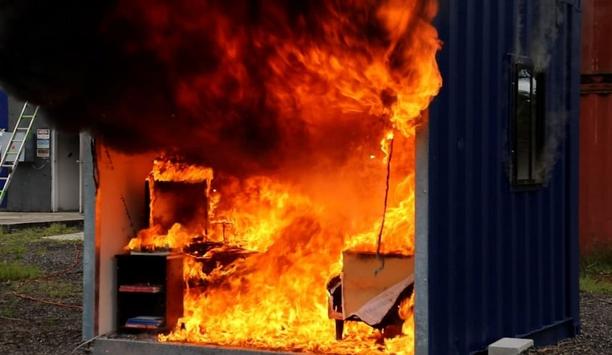
Confronting new video from Fire and Rescue NSW (FRNSW) demonstrates just how quickly Christmas decorations can become fire hazards, with the potential to destroy a home faster than it takes to microwave your festive lunch leftovers. The controlled demonstration video shows a power board arcing and igniting, due to an overload of household appliances and Christmas lights, before causing the entire room to explode in flames in less than three minutes. FRNSW wants to prevent Christmas catastrophes and is urging people to prioritize safety as they decorate their homes. Safety advice The safety advice includes: Don’t overload power boards when setting up lights and other electrical displays. Only one item per power socket and don’t piggyback double adaptors; Use overload protected power boards for maximum safety, ensure it has both overload protection and earth leakage protection devices incorporated; Follow manufacturer’s instructions for use and only use decorative lights that have an Australian Standards label; If in doubt, replace the lights. Check lights and electronic decorations for faults, frayed cords and worn plugs; Keep hot lights away from children and flammable materials such as wrapping paper, decorations or curtains and don’t leave burning candles unattended; Keep candles in a safe position away from Christmas trees or other flammable material and out of reach of children. Extinguish them if you leave the room and always before going to bed; Switch off all electrical displays and decorative lights before going to bed; Ensure your home is fitted with working smoke alarms that are tested regularly and are supported by a written home escape plan in case of fire; and Water real pine Christmas trees to prevent them drying out and becoming a combustible item. Minister for Emergency Services and Resilience Steph Cooke said FRNSW’s advice simple to implement and can save lives. “Christmas is a time to celebrate with loved ones however it also comes with increased risk, especially around fire hazards in the home,” Ms Cooke said. “Seeing how quickly a Christmas tree can go up in flames is a reminder of how suddenly an emergency can unfold, so please don’t be complacent. We want everyone to enjoy Christmas after what’s been a difficult year for communities across NSW.” Ever-present dangers FRNSW Commissioner Paul Baxter said don’t risk it this Christmas, he wants everyone to enjoy a safe and happy festive season. “These simple steps will help keep you, your family and loved ones out of harm,” Commissioner Baxter said. “Be aware and prepare for those ever-present dangers to ensure that the only surprise left for you under the tree this Christmas is from Santa.”
When it comes to ensuring the safety of the home or business, a fully functional fire extinguisher is essential. But how can users be sure that their fire extinguisher will work when they need it most? Regular fire extinguisher inspections are a critical part of the fire safety plan. Whether one is looking for a specific type of fire extinguisher or they need a professional fire extinguisher inspection service, knowing where and how to get the extinguisher inspected is vital. Kord Fire understands the importance of keeping the fire safety equipment in top condition. Their team is dedicated to providing reliable, thorough inspections, ensuring the peace of mind every step of the way. Importance of Fire Extinguisher Inspection A fire extinguisher is the first line of defense in a fire emergency. However, if it’s not in working condition, it could put user’s safety at risk. Regular fire extinguisher inspections help catch issues before they become problems, such as: Low Pressure: If the pressure gauge is in the red zone, the fire extinguisher may not function properly when needed. Corrosion or Damage: Regular checks help spot rust, dents, or other signs of wear that could compromise the extinguisher’s effectiveness. Expired Equipment: Extinguishers have a shelf life, and the chemicals inside can degrade over time. Tamper Seals and Pins: Missing or broken parts can prevent the extinguisher from working correctly. Fire Extinguisher Inspection The good news is there are several reliable options available. Here are some of the best places to get the fire extinguisher inspected, with Kord Fire’s trusted services included: Fire Extinguisher Inspection Service Providers For the most thorough and professional service, a fire extinguisher inspection service from a experienced and reputable company is the best option. At Kord Fire Protection, they offer comprehensive inspections that cover all aspects of the extinguisher, from checking pressure to assessing the physical condition of the unit. Their team is fully trained and certified, ensuring that the extinguisher is compliant with all local regulations and ready for any emergency. Full-Service Inspections: They provide a detailed examination of the extinguisher’s pressure, components, and overall condition. Recharging and Refilling: If the fire extinguisher needs recharging, Kord Fire can handle that for users, so they are always prepared. Maintenance Plans: Sign up for regular inspections to ensure the extinguisher is always in top shape. Local Fire Departments Some local fire departments offer fire extinguisher annual inspections, or they can point users in the right direction for reliable services. Depending on the area, the fire department may offer free or discounted inspections as part of their community outreach programs. This is often a great option if users are looking for a fire extinguisher inspection near them in the local community. How to Find Out: Call the local fire department or check their website for information about fire extinguisher inspections and any upcoming events where one can get their equipment checked. Hardware Stores and Home Improvement Chains Many well-known hardware stores like Home Depot, Lowe’s, and Ace Hardware offer basic fire extinguisher inspections. While these inspections are often more limited than those provided by a fire safety service, they can still help identify immediate issues like low pressure or visible damage. These stores are a great choice if users are looking for a convenient and affordable option. What to Expect: Hardware store inspections typically include a quick pressure check and a visual inspection. For more in-depth services, they may recommend a fire extinguisher inspection service like theirs. Fire Safety Suppliers Fire safety suppliers are another excellent resource for getting the fire extinguisher inspected. Many suppliers who sell fire extinguishers also provide inspection and maintenance services. If users have purchased the extinguisher from a supplier, it’s worth reaching out to them for any inspection or recharging needs. At Kord Fire, they pride themselves on offering high-quality fire extinguisher inspection services that meet the needs of both residential, industrial, and commercial clients. Whether one is looking for a one-time inspection or a service contract, Kord Fire here to ensure the equipment is always ready. Frequency of Fire Extinguisher Inspection To ensure the fire extinguisher is in optimal condition, regular inspections are essential. The National Fire Protection Association (NFPA) recommends the following: Monthly Inspections: Users should check the fire extinguisher each month to make sure it’s in its designated location, the pressure gauge is in the green zone, and there are no signs of damage or tampering. Annual Inspections: Have a professional fire extinguisher service perform an annual inspection. This service is more comprehensive, involving internal checks, recharging, and compliance with safety standards. After Each Use: If users ever use the fire extinguisher, it’s crucial to have it inspected and refilled right away, even if they have only used a small amount. A fire extinguisher annual inspection ensures that the equipment is ready for an emergency, while regular monthly checks give users a quick way to monitor its condition. What Does a Fire Extinguisher Inspection Include? Whether users are scheduling an inspection at a local store or booking a professional fire extinguisher inspection service, they can expect the following checks: Pressure Check: Ensuring the pressure gauge is in the green zone, indicating the extinguisher is pressurized and ready for use. Physical Condition: Checking for visible signs of damage, such as dents, rust, or corrosion, which could impair performance. Pin and Seal Check: Ensuring that the safety pin and tamper seal are intact, preventing accidental discharge. Weight and Contents: Verifying that the extinguisher contains the correct amount of fire suppression agent and that it is not compromised by leaks or contamination. Compliance Check: Confirming that the extinguisher meets local fire codes and industry regulations, especially if users run a business or are in a regulated industry.
Installing smoke and carbon monoxide alarms is of utmost importance when it comes to keeping the family safe. The Los Angeles County Residential Code (Sections R314 and R315) lays out specific requirements for these devices, ensuring the home is well-protected. This guide will walk users through everything they need to know, from where to place the alarms to how to maintain them, so they can stay compliant and safe. Placing Smoke Alarms The Residential Code (R314) provides clear guidelines for smoke alarm placement. These devices should be installed in: Each Sleeping Room: Every bedroom must have its own smoke alarm to ensure that it can alert users in time to escape. Hallways Near Bedrooms: Place a smoke alarm outside of each sleeping area, in the immediate vicinity of the bedrooms, to detect smoke before it reaches anyone asleep. Every Floor of the Home: Install a smoke alarm on every story of the house, including basements and habitable attics. In split-level homes, a single alarm may cover adjacent levels, provided there’s no intervening door and the levels are less than one full story apart. Away from Bathrooms: To avoid false alarms caused by steam, keep smoke alarms at least 3 feet away -from bathroom doors. Avoid Fans and Vents: Install alarms at least 3 feet from fans and vents to ensure proper functioning. Carbon Monoxide Alarm Placement The right placement is crucial as carbon monoxide is invisible, odorless, and deadly. Install CO alarms (R315) in the following locations: Outside Sleeping Areas: Place a CO alarm in the immediate vicinity of bedrooms, ensuring everyone is alerted in case of a CO leak. Every Floor: A CO alarm is required on each occupiable level of the home, including basements and habitable attics. Near Fuel-Burning Appliances: If there are gas stoves, furnaces, or water heaters, install a CO alarm nearby. Additionally, for bedrooms with a fuel-burning appliance or an attached bathroom containing one, the alarm must be installed inside the bedroom. Maintain Distance from Fans and Vents: Just like smoke alarms, place CO alarms at least 3 feet away from fans and vents for accurate detection. Installation Tips: Getting It Right Installing these alarms isn’t rocket science, but a few details matter: Distance from Fans and Vents: Keep alarms at least three feet away to avoid interference from airflow. Height Matters: Smoke rises, so place alarms on ceilings whenever possible. If they must go on walls, make sure they’re high enough to detect smoke effectively. Power Sources: Hardwired alarms should have battery backups in case of power outages. If users are going for battery-only models, use ones with long-life batteries. No one wants to hear a chirping alarm at 2 a.m. Inter connectivity: Linking the Alarms Modern alarms can communicate with each other, so if one goes off, the rest follow. This feature is especially useful in larger homes where a fire or CO leak might go unnoticed in distant rooms. Here’s how to make it work: Use alarms designed to interconnect, either through wiring or wireless systems. Test the connection after installation to ensure all alarms respond when one is triggered. Maintenance of Alarms Installation is only half the battle as alarms need regular upkeep to ensure proper functioning: Testing: Press the test button on each alarm monthly. If it doesn’t beep, it’s time for a replacement or a battery check. Battery Changes: Even long-life batteries need changing eventually. Mark the calendar to replace them yearly. Cleaning: Dust can block sensors. Use a vacuum or a can of compressed air to keep them clear. Replacement: Alarms don’t last forever. Replace smoke alarms every 10 years and CO alarms every 5–7 years, depending on the manufacturer’s guidelines. Compliance with the Los Angeles County Code The code exists for a reason: to ensure the safety measures undertaken are worthwhile and are failproof. Building and safety permits require proper alarm installation. If users selling their home, inspectors will check for compliance. Non-compliance can lead to delays or even fines. Stay ahead by knowing the requirements and following them. Common Mistakes to Avoid Skipping Levels: Every floor means every floor. Don’t assume a single alarm can cover an entire home. Ignoring Maintenance: Alarms that don’t work are worse than no alarms at all; they give a false sense of security. Improper Placement: Too close to vents or too far from bedrooms can render alarms ineffective. The Bottom Line Smoke and carbon monoxide alarms are small devices with a big job: protecting life. By placing alarms in the right spots, linking them together, and keeping them maintained, users are doing more than following the rules. They are creating a home that’s ready to face emergencies head-on. So grab the tools, check the code, and get those alarms up where they belong.

Expert Commentary

Whether it’s the end of the day or end of term, when schools close, it’s not unusual to see children and staff alike scrambling out the doors as they head for a much needed period of relaxation. Though, more vital than finding an exit for a break is the need to safely and swiftly evacuate school premises when an emergency situation arises. When fire breaks out in a school building, every second counts. Panic and emergency escape routes provide a direct path to safety and are critical in minimizing risk and the time spent evacuating, and as a result, are highly regulated in educational facilities as per the Regulatory Reform (Fire Safety) Order 2005 and the Building Bulletin 100 (BB100). Emergency escape routes Designated panic and emergency routes must be highlighted with concise signage Accordingly, designated panic and emergency routes must be highlighted with concise signage, remain clear at all times and contain fully compliant and operational fire exit doors - which are recognized as the final point of escape. During term time, when a school is at its busiest, staff, students and visitors must be confident in locating and traversing their nearest emergency exit route at any given time. Regular fire drills Regular fire drills, evacuation plans and staff training can play a critical part in ensuring the effective use of escape routes in schools, though, often overlooked is the important detail of exit hardware. Where neglected routes can turn a manageable emergency into a potentially dangerous situation, duty holders are urged to recognize the importance of functional fire exits and how exit hardware keeps them operational. Unique challenges and solution School buildings are often more complex than they first appear. Between sprawling corridors, high-traffic communal areas and frequent transitions between classrooms, halls and outdoor areas, there are various challenges and vulnerabilities to consider when it comes to fire safety and the accessibility of escape routes. Fire is an unpredictable danger for any facility, made more apparent in school buildings Fire is an unpredictable danger for any facility, made more apparent in school buildings by the presence of flammable materials - such as art supplies, paper and chemical substances in science labs, for example. In some schools, arson also remains a real concern, further elevating the chance of fire and reinforcing the need for effective emergency escape routes and operational fire exit doors. In any case, escape routes must not only be compliant, but robust enough to support an orderly evacuation under duress, and for that, correctly specified, installed and maintained fire exit hardware is key. Ease of use In panic situations, particularly where children are involved, ease of use and reliability are fundamental. For schools, where there are usually more than 60 occupants present, panic exit hardware is a typical installation on fire exit doors, with horizontal push bars and pads used for intuitive egress at the end of escape routes. These panic devices are designed to provide safe and effective escape through doorways with minimum effort and without prior knowledge of operation. Horizontal push bars for example, are often utilized on external outward opening doors, with panic hardware required to cover at least 60% of the door width, ensuring devices are easy to find and operate in an emergency. All panic exit devices must also be fitted to comply with the harmonized version of EN 1125 Panic and EN 179 Emergency standards and ensure UKCA and CE markings are present. Plan to protect Far too often, escape routes are compromized in school buildings as a result of poor planning and a lack of fire exit maintenance. The durability of exit hardware is regularly put to the test in school buildings Where insufficient signage, blocked exit routes and untrained staff are common oversights that can severely impact the effectiveness of emergency exits, poorly maintained exit hardware could be the difference between safe escape and disaster. The durability of exit hardware is regularly put to the test in school buildings, with wear caused by high footfall, heavy usage and vandalism. With this in mind, a duty holder or responsible person (often the headteacher or facility manager) is required to perform regular fire risk assessments to ensure appropriate precautions are in place to safeguard pupils and staff. Satisfactory working condition As part of their duties, it is recommended that maintenance checks are conducted on a regular basis on escape routes and that all fire door hardware is in correct working order, ensuring all components are present, in satisfactory working condition and operate as follows: When the horizontal bar is pushed, it should unlatch the door immediately without requiring a key, knob or other tools. The mechanism should be intuitive and require minimal force to open. Once operated, the door should also return to its original position. Pushing the bar should release the latch and or bolts, allowing the door to swing open freely, facilitating rapid evacuation. The hardware should normally be latched to prevent unauthorized entry from the outside. A door may be locked from the outside with a key or locking device, but from the inside should always be operable without a key. Some panic bar models may include alarms or signals when the door is opened in an emergency or may have an optional dogging feature to keep the door open temporarily. Hardware must meet local building and fire safety codes. Typically, it should be rated for a certain number of cycles and withstand specific forces. When on fire doors, hardware should also hold a fire rating. Faulty panic hardware Worn or faulty panic hardware can delay an exit door from opening Worn or faulty panic hardware can delay an exit door from opening or may simply cause the door to fail entirely, rendering a carefully planned and clear escape route useless in the event of a fire. In any case, should a fire door not be operating as intended, it’s imperative that a school’s responsible person seek out professional advice to ensure maintenance is carried out quickly and professionally, especially when children are present. Risk of fire Schools will always be thought of as places of learning, care and responsibility, and with that there is an ongoing duty to protect the lives of our next generation and those who nurture them. To truly mitigate the risk of fire, responsible parties must work together to guarantee safe egress is possible at all emergency exits by specifying, installing and maintaining appropriate hardware fit to meet the demands of school settings. After all, an escape route is only as reliable as the exit hardware found throughout it.

In September 2024, the UK government announced an extension for the recognition of CE marking on construction products in Great Britain. The sudden change was described as part of a wider strategy to enhance building and fire safety, though, in effectively reversing the previous decision to phase out CE marking, how can the industry ensure it’s moving forward and not simply turning back? Active and passive fire systems Building regulations are paramount in maintaining safety throughout a structure's lifecycle Building regulations are paramount in maintaining safety throughout a structure's lifecycle and with fire safety specifically, rigorous product testing is needed to ensure both active and passive fire systems perform appropriately in the event of a fire. For decades, regulations have developed to form a minimum testing standard and while change can often suggest steady progress, the first amendment to Approved Document B has demonstrated a considerable shift in the fire safety landscape. Classification of fire doors The latest legislation revision also confirmed that from September 2029, the National system for the classification of fire doors will no longer be accepted as a method of demonstrating compliance with UK building regulations. And so, as many began preparing for the UK’s UKCA marking to replace the EU’s CE mark - alongside the UK’s current approach to door hardware testing - this update now demands regulatory, technical and commercial input, and brings with it a level of uncertainty that must soon be resolved. National system for the classification of fire doors will no longer be accepted. Fire safety standards Daniel May of Consort Architectural Hardware, says, "Following the events of the Grenfell Tower disaster, fire safety legislation has progressed with purpose, forcing players throughout the supply chain to step up or be thrown overboard under a sea of non-compliance." He adds, "With Dame Judith Hackitt’s Report, an emphasis on raising fire safety standards has been a much needed focus for the construction industry, but with the latest legislation U-turn, there are some questions being raised." Long-term future of CE and UKCA marking Daniel May continues: "The recent pivot by the UK government to extend recognition of CE marking seems a pragmatic move but adds another layer of complexity and confusion. CE marking will continue to be accepted beyond the 30th of June 2025, as the government explores the long-term future of CE and UKCA marking as part of its ‘system-wide reform’ of construction products." He further states, "Though the extension of CE marking may ease the compliance burden for some, it effectively sidelines UKCA for many product categories, and for those who followed the rules, there is perhaps a sense of betrayal. How can we be sure the industry may not need to revert back in future?" Fire doors and their hardware Daniel May added: "Further questions are being raised regarding the end of a long period of dual specification in favor for European testing standards too. For fire doors and their hardware specifically, the UK has been following a dual approach to performance classification, with both British Standard 476: 22 (BS 476) and EN 1634-1 used concurrently to certify the standards of products." He continues, "Although each assessment method is designed to grade doorsets between FD30 and FD240, navigating the UK’s dual regulatory environment can be operationally complex and there may be clear advantages to changing the system, with EN 1634-1 considered a more rigorous testing method and a harmonized approach." Integrity of fire safety Daniel May further states: "With that said, the removal of BS 476 is one of the most substantial changes the industry has faced in decades. The theory behind the recommendation may supersede the reality of its implementation, with concerns being voiced about the level of investment and time required to successfully transition to the European classification system." He adds, "From a capacity viewpoint, if there is not a sufficient level of testing authority within the UK to cope with the potential demand, we face risking the consistency of hardware products as a result of testing backlogs, corner cutting and project delays. To retain the integrity of fire safety across our built environment, further collaboration and clarity is needed." Avoiding the cost of confusion In what may be a period of transition, there must remain one constant focus throughout. Fire doors and their hardware must be tested to the relevant standards for fire resistance, with manufacturers and duty holders being able to show test data evidence at every step of a building’s lifecycle - whether that be at the specification stage, installation or once installed. Fire doors and their hardware must be tested to the relevant standards for fire resistance. How CE and UKCA can coexist in both short and long-term Daniel May continues: "Amidst any conflicting signals and re-testing bottlenecks, stakeholders are urged to consider the big picture - ensuring fire safety is approached at the highest level as we look to protect buildings and their occupants." He states, "To continue making progress in this direction, there must be a clear understanding on testing standards, examining how CE and UKCA can coexist in both the short and long term and how UK testing bodies may be supported as they move to EN 1634-1." Fire safety compliance Daniel May concluded: "At this stage, there is no requirement to replace existing fire doors and hardware that comply with the BS 476 standard." He adds, "Though, as the industry prepares for the changes ahead, the supply chain must also remain reliable in its approach to product testing and information accessibility and transparency. When it comes to fire safety compliance, it’s now more important than ever to pursue stability and in doing so, decision makers must collaborate with manufacturers that they can trust."

Building safety has always been an ever-evolving landscape of legislation and regulatory frameworks. The industry strives for stronger construction safety practice and in doing so, the need for reliable, transparent and accessible product information is clear - especially when fire door safety compliance is on the line. It was in response to the Grenfell Tower fire and Dame Judith Hackitt’s review that the Building Safety Act 2022 was passed, which has since looked to introduce a number of ground-breaking reforms to improve fire safety standards and facilitate greater accountability across the board. Fire and structural safety information A key component of the regulation has been the need for duty holders to retain fire and structural safety information A key component of the regulation has been the requirement for duty holders to retain fire and structural safety information, making it necessary to manage an accessible digital record of decisions and updates throughout a building’s lifecycle. This "Golden Thread of Information," as it’s known, has placed a renewed focus on the presentation and management of construction product information and ensures the right people have the right information at the right time. Driving standards and saving lives From a single source, building owners, developers, regulators, and residents are given a greater understanding of the materials and assets used during the construction process, as a way of driving standards and saving lives. With emphasis shifting from product performance claims to verified, traceable assurances, there has never been a better time to assure peace of mind when it comes to fire door safety. Fire door confidence The Building Safety Act recognizes the importance of fire safety systems and mandates that the Golden Thread of Information must include comprehensive data on all fire detection and prevention systems in high-risk buildings, including fire doors. As a vital element of passive fire protection, fire doors and their hardware are often the first line of defense As a vital element of passive fire protection, fire doors and their hardware are often the first line of defence against fire and smoke, and as such are a legal requirement in all non-domestic properties and houses in multiple occupation. To operate as intended, fire doors will call on their various hardware components, including hinges, latches, seals, door closers and opening mechanisms, meaning they are only as effective as the weakest link in their assembly. Maintenance of fire door hardware is key As such, the correct specification, installation, and maintenance of fire door hardware is considered crucial if a building is to meet both its functional and safety standards. With that, decision makers must be confident they can identify the necessary hardware for their building, and in doing so, must also ensure components are fit for purpose and comply with UK Construction Products Regulations. UKCA and CE certifications To assist duty holders in meeting these expectations, conscious manufacturers have stepped up, and as part of the Golden Thread regulatory framework are providing more detailed information in the form of product datasheets, installation guides, and training portals. From a compliance standpoint, decision makers can instantly check a product’s associated Declaration of Performance (DOPs) to show hardware conforms to the correct testing standards and UKCA and CE certifications, as well as Environmental Product Declarations (EPDs) when looking to conform to the latest environmental benchmarks. With this information, those involved in product selection can assure their installed fire door hardware will perform when it is called upon. Transparent product information Transparent product information is also useful when it comes to maintenance periods Transparent product information is also useful when it comes to maintenance periods and conforming to Approved Document B, with amendments made as recently as March 2025 focusing on Regulation 38, which states that “the person carrying out the work shall give fire safety information to the responsible person no later than the date of the completion of the work, or the date of occupation”. By providing this material, manufacturers are offering improved traceability on products and their performance, empowering duty holders to comply with legal obligations and keeping occupants safe in the process. Transparency equals opportunity Data is a critical resource in decision making and with several schemes evolving such as the Golden Thread and the Code for Construction Product Information, a real strategy is forming. Where information is accessible and no longer ambiguous, the industry is fostering a proactive culture of collaboration, further transitioning from reactive compliance-driven tasks to a more effective method for tackling fire door safety and building design as a whole. Latest standards and hardware options Outside of duty holders being able to demonstrate compliance by showing how they are managing risks throughout their buildings, there is perhaps a greater opportunity presented with clear communication among stakeholders. Outside of duty holders being able to reveal compliance by showing how they are managing risks Where it’s imperative for industry professionals to remain informed on the latest standards and hardware options, a collaborative approach can lead to better and more informed design choices that continue to deliver post-project delivery and improve fire safety outcomes. Furthermore, with information readily available, there is an opportunity for early identification of potential hazards and vulnerabilities. For existing projects, decision makers can check what hardware product has been used and where, deciding if it has been suitable and further reducing the use of ineffective options and avoiding costly retrofits when the time has come to repair or replace products. Fire door safety products From an operational perspective, when reliable product information can be accessed and assessed instantaneously, duty holders are able to streamline their decisions-assuring any changes or issues with fire door safety products are rectified quickly and actioned efficiently. The Golden Thread is setting the standard and protecting all stakeholders in the process With this holistic approach to information sharing, building and fire safety management becomes a shared duty. The Golden Thread is setting the standard and protecting all stakeholders in the process - helping to build trust in an area it is most needed. The use of traceable and transparent product information means the approach to fire door safety and building management is changing and the industry is urged to continue building upon this culture while navigating the latest standards. Traceability is no longer a burden of best practice-it’s an industry expectation and equally, a golden opportunity that must not be missed. How Allegion UK Can Help Allegion UK is committed to supporting transparency and traceability in construction and has a wealth of product information resources to help professionals undertake product selection, installation, and maintenance checks on fire doors and hardware. For information on product selection and installation, please speak to experts or head to the download center for technical fitting instructions and product certifications. Allegion UK also proactively participates in the EPD program, with full EPD documentation available for download on Briton products, based on ISO 14025 and EN 15804 environmental declarations, from the Allegion and Briton websites.
Editor's Dispatch

A fire door is designed to stop fire and smoke from spreading, giving people time to escape and protecting property. It looks similar to a regular door but is built and tested as part of a complete system that includes the door leaf, frame, seals, and hardware. People often think any heavy or solid door will work as a fire door, but that is not the case. Fire doors are tested as complete systems, and every part – from the frame and hardware to the seals and glazing – must meet the tested specification. If you change a component or cut into the door without the correct approval, it may not perform properly in a fire. Fire gates or fire curtains “Fire doors are not just building components; they are part of the building’s fire strategy,” says Daniel Swannack, Chief Commercial Officer, Door Product Segment at ASSA ABLOY Opening Solutions EMEIA, adding “Their job is to hold back fire and smoke long enough for people to get out safely.” Fire doors are rated to hold back fire for a set time, such as 30, 60, or 90 minutes. In some cases, where a standard door is not practical, you might see sliding fire gates or fire curtains used to protect larger openings. Sliding doors are commonly used in car parks and industrial spaces where wide access is needed. Sliding doors are commonly used in car parks and industrial spaces. Fire curtains or sliding systems Many fire doors operate manually, but there are also hinged fire doors that can be automated Fire doors work by containing fire and smoke to one area, keeping escape routes clear for as long as possible. They do not need power or intervention – they simply have to be closed and in good condition. Features such as intumescent seals, which expand with heat, and fire-rated cores help to keep fire under control. Many fire doors operate manually, but there are also hinged fire doors that can be automated. In larger or open spaces, fire curtains or sliding systems provide the same protection by closing automatically. EI classification for integrity and insulation The type of building and how it is used make a big difference in choosing the right fire door. In hotels or offices, timber doors are often chosen for their appearance and acoustic qualities. In industrial sites, data centers or high-security areas, steel doors might be the better option. Wide openings in places like warehouses, airports, or underground car parks may need sliding fire gates or curtains instead. Local regulations also play a role: in much of Europe, fire curtains need to meet EI classification for integrity and insulation, while in the UK EW classification is often accepted, which focuses on integrity with limited heat radiation. EI-rated curtains Fire curtains are tested to EN 1634-1, and where smoke control is needed, to EN 12101-1 or EN 1634-3 Across Europe, fire doors are covered by EN 16034, with testing done under EN 1634-1 for fire resistance and EN 1634-3 for smoke control. Hardware is tested separately under EN 1634-2. In the UK, BS 476 is still recognized alongside EN standards. Fire curtains are tested to EN 1634-1, and where smoke control is needed, to EN 12101-1 or EN 1634-3. EI-rated curtains block both fire and heat transfer, while EW-rated systems, often used in the UK, focus on integrity with reduced heat radiation. Testing is always conducted on the complete system, including the door, frame, and hardware, to make sure everything performs as intended. Third-party certification “To maintain this performance, installation must follow the certified details exactly,” says Daniel Swannack, adding “If the door is not installed properly, it may not meet its fire rating even if all components are correct.” Third-party certification proves that the product has been tested, audited, and produced consistently to meet safety standards. Certification is a vital reassurance for building owners, architects, and insurers that the door will do its job in any emergency. This applies to all fire doors, whether timber or steel, and to larger solutions like fire gates and curtains. Certification also helps to smooth the approval process with building control and demonstrates compliance with legal requirements. Fire door’s effectiveness Fire doors and curtains can be linked to alarms so they automatically close when needed Smart building systems can contribute to a fire door’s effectiveness by keeping track of fire doors, showing if they are closed, blocked, or need maintenance. Fire doors and curtains can be linked to alarms so they automatically close when needed, or connected with access control to ensure compartmentation is maintained. In complex environments, such as hospitals or data centers, these systems also provide useful reporting and maintenance records, ensuring doors are always ready to perform. Automatic systems “Fire doors must be kept in good working order to be effective,” says Daniel Swannack, adding “This means checking the seals, hinges, closers and making sure they shut fully and are undamaged.” Automatic systems like fire curtains, sliding doors, and automated hinged doors need their motors and controls tested, too. Many regulations call for checks every six months in busy areas. A fire door is only as good as its maintenance, and a small fault may make a big difference in an emergency. Sustainability goals by using the Forest Stewardship Council Timber fire doors can have custom finishes, painted surfaces, or hidden hardware To maintain protection while achieving aesthetics, there is a lot of flexibility now when it comes to design. Timber fire doors can have custom finishes, painted surfaces, or hidden hardware, while steel doors may be color-matched or clad to fit the interior or exterior architecture. In hotels, residential buildings, and offices, getting the right look is often just as important as performance. “We work with architects to make sure our doors meet fire standards without compromising the overall design,” says Daniel Swannack. Fire doors can support sustainability goals Fire doors can support sustainability goals by using Forest Stewardship Council (FSC)-certified timber, low-volatile organic compound (VOC) coatings, and recyclable steel. “Many of our doors also come with Environmental Product Declarations, which provide verified data on their environmental impact,” adds Daniel Swannack. Reduce waste and replacement cycles Durability is another factor: Long-lasting products reduce waste and replacement cycles. “The challenge is to combine all that with reliable fire performance, and this is where proper testing and certification really matter,” Daniel Swannack says. Choosing the right door Whether in a school, hospital, apartment block or industrial site, choosing the right door and keeping it properly maintained is essential. “Our role is to make that process easier by combining compliance, performance and, where needed, design flexibility,” concludes Daniel Swannack.

The Dingell Act, signed into law in 2019, has far-reaching implications, including effects on fire management and emergency services. Officially named the John D. Dingell, Jr. Conservation, Management, and Recreation Act, the law impacts fire professionals and their operations and fire prevention strategies. The Dingell Act is a comprehensive public lands bill that touches on various aspects of natural resource management, conservation, and recreation. Fire mitigation efforts One of the key provisions of the act deals with wildfire management, specifically addressing how federal agencies collaborate to prevent and respond to wildfires. The act streamlines fire mitigation efforts, enhances interagency cooperation, and encourages fire prevention measures on public lands. For fire professionals, this means better coordination among federal and local fire services, access to more resources, and improved strategies to combat wildfires. How the Dingell Act Changes Fire Management The act benefits both large fire departments and smaller teams working near public lands The Dingell Act mandates that federal agencies must coordinate with local fire services to develop effective wildfire management plans. This ensures that fire professionals have a direct line to federal resources, which can drastically improve response times. Additionally, the law increases funding for fire prevention initiatives, such as clearing vegetation in high-risk areas. Fire professionals working near national parks and other public lands will find these changes beneficial, as they create more opportunities for proactive fire control. The Dingell Act strengthens fire prevention protocols by prioritizing wildfire risk mitigation in areas under federal jurisdiction. The act benefits both large fire departments and smaller teams working near public lands. Fire professionals should recognize the broad scope of the Dingell Act and understand how it enhances safety measures in their regions. Federal and Local Collaboration Interagency collaboration is one of the key components of the Dingell Act. Fire departments in areas near public lands can now work more closely with federal agencies such as the U.S. Forest Service and the Bureau of Land Management. This collaboration is not limited to wildfire response but extends to training and resource-sharing, which can empower local teams to be better prepared for large-scale fires. By building stronger partnerships, fire professionals can develop more cohesive strategies for fire mitigation and management. The Dingell Act significantly increases the resources available to fire departments, especially in high-risk areas. Through grants and federal funding, fire professionals can access better equipment, training, and personnel to tackle fire hazards. This investment in fire prevention technology, including satellite-based fire detection systems and drones, ensures that teams have the tools they need to act quickly and effectively when fires threaten communities. Environmental Considerations Dingell Act highlights the extent of balancing fire suppression with environmental protection The Dingell Act highlights the importance of balancing fire suppression with environmental preservation. Fire professionals are encouraged to integrate eco-friendly practices into their operations, such as controlled burns that reduce vegetation buildup without damaging ecosystems. Understanding the environmental impact of fire prevention measures is essential for fire professionals who manage lands rich in biodiversity. By aligning fire prevention strategies with conservation goals, professionals can contribute to both safety and sustainability. Along with the increased collaboration between federal and local agencies come more training opportunities for fire professionals than ever before. The Dingell Act opens avenues for specialized training programs that focus on wildfire management and prevention. Firefighters can take advantage of workshops, courses, and simulation-based training to improve their skills in handling large-scale fires. This professional development is especially valuable for those looking to expand their capabilities in the face of growing wildfire risks. Future Considerations Looking ahead, fire professionals should be mindful of the evolving landscape of fire prevention. The Dingell Act represents just one piece of a broader legislative push to improve fire safety in the United States. Future regulations may build on this foundation, with more emphasis on climate change, land management, and fire technology. As professionals assess their current strategies, it is important to stay informed about upcoming changes and ensure that fire prevention efforts are aligned with national standards and policies. {##Poll1728377023 - What is the most critical resource for effective wildfire management?##}

The integration of technology into the fire service has significantly enhanced operations, but it has also introduced new vulnerabilities. Cybersecurity has become a concern for fire departments, possibly impacting their ability to respond effectively to emergencies and protect communities. Potential problems emanating from cybersecurity concerns include a disruption of a community’s emergency response system. False alarms could result from malicious computer hackers manipulating fire alarm systems, thus wasting resources, and causing potential danger for firefighters. Fire Risks From A Cyber-Attack Medical devices are connected to the IoT and are therefore vulnerable to attack Communication is another vulnerability: A cyber-attack on communication systems could hinder coordination among firefighters and with other emergency services. Potential cybersecurity targets related to the fire service include 911 systems, public safety radios, computer-aided dispatch systems, mobile data computers, and phone systems. In the EMS arena, electronic patient reporting and records management systems are at risk. Medical devices are connected to the Internet of Things (IoT) and are therefore vulnerable to attack. Many firefighter tools are operated by computers, so equipment malfunction is a real possibility. The digital world continues to infiltrate almost every aspect of firefighting. Critical equipment, such as fire trucks and rescue tools could be compromised, resulting in longer response times. Vulnerability to Ransomware Attacks Ransomware is a pernicious type of cyber-attack, involving the use of malicious software (malware) that encrypts files, rendering them inaccessible. The attackers then demand a ransom payment in exchange for the decryption key to restore the data. The city of Leeds, Ala., was hit by a ransomware attack in February 2018 that locked all city computers and data, including fire and police departments. A month later, Atlanta’s municipal systems were attacked, resulting in widespread outages, and disrupting city services. Impact on Data Loss and Privacy Fire units handle sensitive data, including the personal data of citizens and crisis responders In addition to operational concerns, there are also possible cybersecurity consequences relating to data loss and privacy. Fire departments handle sensitive data, including the personal information of citizens and emergency responders. A breach could lead to identity theft and reputational damage. On a more intangible level, a cyber-attack could erode public trust in the fire department's ability to protect the community. Negative publicity from a data breach can harm the fire department's image. Phishing schemes Among the cybersecurity threats are phishing schemes, which involve scammers attempting to obtain sensitive information from individuals, usually via email, by disguising themselves as trustworthy entities. Phishing can take the form of fake emails or websites that mimic legitimate businesses like banks, online retailers, or social media platforms. They lure victims by offering enticing deals, creating a sense of urgency, or claiming there's a problem with an account. Once the user clicks on a malicious link or provides personal information, the scammers can steal login credentials, credit card numbers, or other sensitive data. Top motivators of cyber-attacks Malicious files can be delivered as email attachments, which can contain viruses, ransomware, or other malware. Clicking a link in a suspicious email can redirect the user to a malicious website that can download malware or steal personal information. One of the top motivators of cyber-attacks is to collect personally identifiable information (PII) One of the top motivators of cyber-attacks is to collect personally identifiable information (PII), which is any data that can be used to identify an individual. This information includes name, address, phone number, social security or driver's license number, medical records, credit card or bank account numbers, and biometric data, such as fingerprints or facial images. The fire service handles a lot of PII, especially in emergency situations, including incident reports, property records, or patient information related to emergency medical services (EMS). Cyber-Criminals Have a Variety of Profiles Cyber-criminals come from a range of backgrounds and motivations. Individual hackers might be motivated by financial gain, ideology, or simply by the concept of a personal challenge. Organized crime groups might be motivated by profit, power, and/or influence. Other cyber-crime perpetrators include nation-state actors, who might be pursuing espionage, sabotage, or political influence. These threats have significant financial and technical capabilities. They include advanced persistent threats (APTs) from countries like China, Russia, and North Korea. Cyber threats posed by 'hacktivists' So-called 'hacktivists' can be motivated by political or social causes to launch distributed denial of service (DDoS) attacks, website defacement and/or data leaks. There is also the possibility of cyber-terrorists seeking to cause mass disruption or to achieve political or ideological goals. They are capable of large-scale attacks on critical infrastructure. Increased cyber-risks may lead to higher insurance premiums for fire departments There is a cost component of protecting against cybersecurity threats, a critical financial implication for cash-strapped fire departments. Implementing robust cybersecurity measures requires significant financial resources. At the other extreme, responding to a cyber-attack can be expensive, including legal fees, public relations, and system recovery. Increased cyber-risks may lead to higher insurance premiums for fire departments. Mitigation Strategies at a Glance Here are some mitigation strategies fire departments should consider: Risk assessment: Identify vulnerabilities and prioritize mitigation efforts. Employee training: Educate firefighters about cybersecurity best practices. Network security: Implement strong network security measures, including firewalls and intrusion detection systems. Data protection: Regularly back up data and encrypt sensitive information. Data minimization: Collect only the personal data that is necessary, and then limit access. Incident response plan: Develop a comprehensive plan for responding to cyber-attacks. Contingency: Create a backup plan to mitigate risk and minimize loss of critical assets in the event of an attack. Compliance: Ensure adherence with relevant privacy laws such as HIPAA and GDPR. Collaboration: Work with other agencies and cybersecurity experts to share information and best practices.
Case studies

To ensure compliance with fire safety regulations and a future-proofed construction that would provide comfortable and luxurious accommodation for residents for decades to come, the team behind a new 31-storey residential tower on Skinner Street in Leeds sought Keyfix’s market-pioneering and trusted Non-combustible Cavity Tray (NCCT) system. The project, overseen by main contractor, Keady Construction, primary architect Leach Rhodes Walker, and brickwork contractor Brickstone Construction, involved the extensive design and construction of a unique curved brick structure that would feature 399 apartments and generous amenity space. Use in major residential developments Having worked with Keyfix previously, Brickstone Construction was acutely aware of the company’s ability to design and manufacture non-combustible systems suitable for use in major residential developments, meet tight deadlines and provide any necessary support and guidance throughout the project. Consequently, Keyfix was tasked with providing its NCCTs, which exceeds minimum standards while also supporting the project’s highly original design ambitions. Challenging brickwork design Indeed, with the building featuring a challenging brickwork design that incorporated significant curvature, Keyfix was required to devise a way of allowing the contractors to install the NCCTs around the curve. Consequently, bespoke tray designs were implemented on the NCCTs to allow them to follow the shape of the curve. To ensure robust and trusted passive fire protection without requiring sealants, tapes, or mastics, Keyfix supplied 5,441m of NCCT, including 981 Pre-Formed Corners, 13,750 Stainless Steel Weeps and 1365 reveal returns ensuring continuous cavity drainage and fire-safe performance across the façade. Keyfix’s classified Class A1 Non-combustible Grade With the client keen to future-proof the building and meet ever-tightening quality and safety standards, Keyfix’s classified Class A1 Non-combustible Grade 304 austenitic stainless steel cavity trays provided the ideal solution. In addition to offering rigid self-support, and preventing the risk of thermal bridging, these NCCTs are designed to exceed the lifespan of any building. Integrated façade solution Alongside providing quick response times to any technical guidance or queries, Keyfix’s technical team also regularly undertook site visits to check on the project’s progress, attended design team meetings and carried out toolbox talks and CPD webinars. By meeting all demanding performance and aesthetic requirements, while maintaining quality across the project and streamlining installation, Keyfix delivered a fully integrated façade solution.

Fire protection solutions manufacturer, Advanced, has supplied intelligent fire panels to student accommodation in Kent to replace existing panels, as part of a £3.5m project to improve fire safety at Cloud Student Homes’ Canterbury Student Village sites. Cloud Student Homes provides students with comfortable, convenient accommodation, with 17 different types of rooms available at the Canterbury Student Village, which is easily accessible to three universities, Canterbury Christchurch, University of Kent and UCA, as well as Canterbury College. Existing fire alarm system With fire safety a priority, it was vital to replace the existing fire alarm system in Kentish House, Behn Hall, and Tallis Court. However, as the buildings were occupied, the challenge for the project was to keep the existing fire system working while the Advanced panels were being installed to ensure occupants were protected at all times. Advanced’s high-performance, fault-tolerant MxPro 5 analogue addressable panels were chosen to provide industry-pioneering protection to category L1 for the student accommodation suites, bedrooms, high-risk areas and plant rooms within two blocks of Kentish House, two blocks of Behn Hall, and Tallis Court. MxPro 5 4-loop fire panels Fire engineering consultants, Endeavour Group, selected fire safety specialists CSS Ltd as the contractors on the Canterbury Student Village fire alarm replacement project. CSS Ltd was responsible for the design, supply, install, and handover of the project. The company installed five MxPro 5 4-loop fire panels, which were networked and connected to the ARC for fire and rescue monitoring. All devices are Hochiki with input/output units connected to the existing AOV units throughout. The networked fire system had to integrate with the access control, lift and AOV systems. Endeavour Group reviewed the product design and functionality of the fire system package on the project to ensure it met the client’s needs. Networked MxPro 5 fire panels Both Project Director - Tony Leck of CSS Ltd and James Doyle, Director of the Endeavour Group, have worked with Advanced fire systems on similar projects and agreed that the networked MxPro 5 fire panels would be the best fit for the client. “Advanced was specified since it supports an open protocol and offers a powerful solution for the student accommodation. We also find it an easy system for customers to navigate and use. The panels are proven in the field with CSS Ltd and Endeavour Group using them for a number of years." "Advanced MxPro 5 panels are about the best on the market along with the tech support received by Advanced on installations. Pick up the phone to tech support and within minutes it is all sorted thanks to Advanced’s experienced technical support engineers,” said Tony Leck at CSS Ltd. Advanced MxPro 5 panels The Advanced MxPro 5 has a number of features that CSS Ltd finds particularly useful when it comes to installing the fire panel. These include a built-in multimeter that measures all voltages and currents across the fire system in real time, to speed up the commissioning process. Meanwhile, the MxPro 5 panels come in four and eight loop formats to suit CSS Ltd’s needs and customers’ budgets. The MxPro 5 also offers design flexibility since the panels work with pioneering detector protocols, including Apollo, Argus, Hochiki, and Nittan. In addition, the panels work with up to 254 devices per loop (depending on the protocol) and offers an overall capacity of 200,000 devices per network. CSS Ltd adds that it is easy to network up to 200 network nodes and 2,000 fire detection zones and that the panels support wired, wireless and hybrid devices making install even more flexible. Cloud Student Homes Neil Parkin, Sales Manager at Advanced, said: “Our MxPro 5 panels are designed to make life as easy as possible, delivering robust protection that offers real peace of mind, all backed up by our highly rated technical support.” Cloud Student Homes specializes in operating the running of student accommodation blocks where individuals own the individual rooms on a leasehold basis. The company manages 3,500 student bed spaces across 21 sites in the UK. Cloud Student Homes now has plans to upgrade all its sites to Advanced fire panels. FM Approvals to EN 54 Parts 2 and 4 MxPro 5 is the fire industry’s pioneering multiprotocol fire panel and is certified by FM Approvals to EN 54 Parts 2 and 4. It offers customers a choice of four detector protocols and a completely open installer network, backed up by free training and support. MxPro 5 can be used in single-loop, single-panel format, or easily configured into high-speed networks of up to 200 panels covering huge areas. Ease of installation and configuration, as well as its wide range of peripheral options, make MxPro 5 customizable to almost any application. MxPro 5’s stand-out false alarm management capabilities The MxPro 5’s stand-out false alarm management capabilities are available as standard. AlarmCalm delivers unprecedented control of verification and investigation delays. By dividing sites up into virtual false alarm ‘building areas’ independent of fire zones, much more precise control of false alarm management and reduction strategies can be achieved that exactly fit the needs of each part of a building. An optional AlarmCalm button allows trained occupants to verify if they believe a local fire signal is a false alarm too – a highly effective way of eliminating unwanted alarms. MxPro 5 BMS/graphics interface The MxPro 5 BMS/graphics interface allows BMS systems and graphical control PCs to be easily integrated with the MxPro 5 series of fire control panels and remote terminals using a simple RS232 connection. Multiple interfaces can be connected to the network catering for sites requiring control from a number of graphical PCs. As a world pioneer in the development and manufacture of intelligent fire systems, Advanced products are specified in locations around the world, from single-panel installations to large, multi-site networks. fire detection systems The Advanced portfolio includes complete fire detection systems, multiprotocol fire panels, extinguishing control, false alarm management and reduction systems as well as emergency lighting. Advanced is owned by FTSE 100 company Halma PLC – a global group of life-saving technology companies with a clear purpose to grow a safer, cleaner, healthier future for everyone, every day.

When major fire and security specialists - Cornerstone were appointed to deliver the life safety systems for the refurbishment of 77 Grosvenor Street, they faced a unique challenge. Located in the heart of London’s Mayfair district, the prestigious building features classical architecture and over 50,000 square feet of premium open-plan office space spread across six floors. The goal was to upgrade the fire protection without compromising the building’s refined aesthetics. The client, a major property management company, required a solution that was robust, reliable and unobtrusive. Working closely with the design and construction teams, Cornerstone turned to Hochiki Europe, a long-standing partner known for dependable systems that blend seamlessly into high-end environments. Latitude fire detection and alarm control system At the core of the installation is the Latitude fire detection and alarm control system. Chosen for its powerful cause and effect programming, flexible networking and modular scalability, Latitude was well suited to the demands of a multi-level heritage building. Its ability to support complex configurations made it ideal for a site where multiple zones, floors and room functions needed to be managed with precision. To deliver complete protection across the site, Cornerstone selected a combination of Hochiki's Enhanced System Protocol (ESP) addressable devices and the FIRElink aspirating detection system. The FIRElink system is adaptable to a broad range of environments and applications. ESP detectors From small, to very large areas, the system is particularly useful in protecting computer rooms or data centers, but can be designed to fit almost any environment. ESP detectors offer high performance with a minimal visual footprint, ideal for preserving the character of the restored interiors. In areas requiring an even more discreet solution, such as decorative ceilings or high airflow zones, FIRElink was installed using capillary sampling pipes hidden within the building’s structure. One of the key advantages of the Latitude platform is its ability to interface with wider building management systems (BMS). At Grosvenor Street, this opens the door to centralized monitoring and control of fire safety in conjunction with other building systems. Open integration Latitude’s open integration options mean it can share status updates and alarm events in real time with the BMS, enabling facilities teams to coordinate responses quickly and efficiently. For a high-spec office environment, this not only improves safety outcomes, but also supports smoother day-to-day operation and building performance. Patrick Anthony, Project Manager at Cornerstone, explained the decision: “We have a trusted relationship with the Hochiki team. Their systems and devices are reliable, help reduce false alarms and are designed to aesthetically fade into the background, exactly what this project needed and delivers complete peace of mind for the management team.” The site at Grosvenor Street is now protected by a fully integrated, future proof life safety system that meets modern building safety standards while maintaining the building’s elegance.

Cornerstone Group partners with Hochiki Europe to deliver a reliable and future-proof fire detection solution to replace Waking Watch schemes across three luxury apartment blocks in Gravesend, North Kent. When a Waking Watch system at three residential blocks in Gravesend needed replacing, Cornerstone Group partnered with Hochiki Europe to deliver a reliable and future-proof fire detection solution. The project involved the installation of a fully open protocol system using ESP, Latitude and Wireless Ekho technologies. Updated fire safety standards Waking Watch was originally installed as a temporary safety measure after fire risk issues were identified in many high-rise buildings across the UK following the Grenfell Tower disaster. While it provides manual monitoring of buildings for fire, it is costly, inconsistent and heavily reliant on human response. These limitations make it unsuitable as a long-term solution. To eliminate the need for costly manual monitoring and meet updated fire safety standards, a fully compliant and flexible fire detection system was required. EN54‑compliant control panels The open protocol setup allowed integration with other building safety systems Cornerstone Group installed a Hochiki system combining Latitude fire alarm control panels, ESP hard‑wired addressable fire detection devices and Ekho hybrid wireless devices. The open protocol setup allowed integration with other building safety systems and provided flexibility for future expansion. Hard‑wired detectors were fitted in common corridors, with Latitude EN54‑compliant control panels managing the system. Ekho hybrid wireless units were installed in the entrance hallway of each apartment, where cabling would have been disruptive or impractical. Latitude’s compatibility with both ESP and Ekho made it well-suited for this multi-storey residential environment. It allowed seamless control of hard‑wired and wireless devices through a single panel per building, reducing the need for invasive installation work and supporting clear event reporting for the building management team. Replacement of the Waking Watch system There were some challenges the team faced during installation. Access into the individual flats proved difficult, with scheduled appointments with residents often having to be rearranged. However, by maintaining clear communication and working flexibly around residents’ availability, the team was able to complete the installation with minimal disruption and ensure every flat was properly protected. “We chose Hochiki because their product reliability is proven and the support in sales was very responsive. If we ever needed it, technical help was always first class and helped keep the project on schedule.” The successful replacement of the Waking Watch system has not only reduced long-term costs but also delivered consistent and high‑performance fire detection throughout all three buildings, helping to keep residents safe.

As part of the ambitious Liverpool Waters regeneration program, Comelit-PAC, in collaboration with Merselec Ltd and Romal Capital, has delivered an advanced, fully integrated fire safety solution for the Aquitania development at West Waterloo Place. Liverpool Waters is one of Europe’s largest regeneration projects, transforming the city’s historic docks into a vibrant mixed-use waterfront. Romal’s phase 4 Aquitania, marks a key phase in Liverpool Waters transformation, combining striking architecture with robust life safety systems for its 135 high-specification apartments and townhouses. Comelit-PAC to ensure the fire system Says CEO of Romal Capital, Greg Malouf for Aquitania: “Resident safety was our highest priority. From the initial design stage, we worked with Comelit-PAC to ensure the fire system would meet legislation alongside the expectations of a smart, stylish development." "The installed solution provides the protection we need and the flexibility to manage operations efficiently. We’re already planning to extend the works into our phase four, Mauretania.” Integration with automatic opening vents Working in partnership with specialist contractor Merselec Ltd, the bespoke system spans all escape and circulation areas and uses programmed cause-and-effect logic to coordinate fire detection, smoke extraction, and lift management. This ensures the building responds as a single, intelligent network in the event of an emergency. A standout feature is the integration with automatic opening vents (AOVs). These activate immediately during smoke control events, whilst maintaining a lockout feature for managing airflow and directing smoke away from escape routes to aid safe evacuation. The system also connects directly with lift controls to ensure safe operation and avoid use during an incident. Comelit-PAC cloud-based remote monitoring Jon Wilcock of Merselec Ltd added: “The integration requirements and performance standards made this a technically demanding project. Our close collaboration with Comelit-PAC allowed us to deliver a robust system that performs reliably in a live residential environment and could be installed to blend with its luxury surroundings.” To support day-to-day management, Comelit-PAC incorporated cloud-based remote monitoring. This gives building managers real-time status updates and instant alerts, enabling swift incident response and preventative maintenance. Remote monitoring capabilities Mandy Bowden, Fire Manager at Comelit-PAC, added: “Aquitania’s complexity required a carefully coordinated approach that blended technical performance with the building and apartments aesthetic design principles. Our partnership with Merselec Ltd delivered a tailored solution with remote monitoring capabilities, ensuring both resident safety and ease of management. We look forward to continuing our work together on phase three.” Comelit-PAC is working with Merselec on the specification phase for Romal’s next LW’s waterfront development, the Mauretania. This will deliver 129 new-build apartments in Liverpool Waters’ emerging Central Docks neighborhood, as part of the city’s West Waterloo Place development.

Metron Energy Applications was founded in Greece in 1997 to offer integrated fabrication and construction solutions in the Oil and Gas Industry. Ever since, the Company has grown rapidly to national and international prominence, expanding its activities to other fields, such as power, aviation, water, marine, and food industries, and is involved in projects in more than 45 countries worldwide. Formula Techniki S.A. was commissioned to install a new fire detection system at the new petroleum products storage and distribution terminal in Tema, Ghana as a sub-contractor of Metron Energy Applications. Fire detection system Hochiki’s SIL-2 detection range of smoke sensors, sounders, modules, and call points was chosen. Having worked with Hochiki Europe on previous projects, and as an expert in the manufacturing of fire detection for hazardous areas, the global pioneer was the natural choice for this project. As this was a hazardous environment, Hochiki’s SIL-2 detection range of smoke sensors, sounders, modules, and call points was chosen. This specialist fire detection range not only meets but exceeds the stringent safety standards required, making it a game-changer in the realm of fire safety. Safety Integrity Level The International Electro-Technical Commission (IEC) introduced the industry standards SIL is an acronym for Safety Integrity Level and is a system used to quantify and qualify the requirements for Safety Instrumented Systems. The International Electro-Technical Commission (IEC) introduced the industry standards to assist operators with quantifying the safety performance requirements for hazardous operations. These standards have been widely adopted in the hydrocarbon, oil, and gas industries as a means of improving the safety and availability of Safety Instrumented Systems. Expertise in challenging hazardous environments Angelos Angelikas, Formula Techniki’s project manager on the project said, “The main challenge for us was that we are based in Greece, and this project was taking place in Ghana, almost 7,000km away." "We were chosen due to our expertise in working in challenging hazardous environments such as this. We had a strict schedule to stick to, so communication between us, our client, and the team at Hochiki was vital." "The Hochiki technical team was a great help when it came to the technical installation, particularly as the fire detection system of the building we were working in needed to connect with the main fire detection of the whole complex. We would recommend Hochiki and their range of SIL products for customers operating in these industries,” concluded Angelos Angelikas.
Products




Round table discussion
Fostering fire safety is a basic principle, but one that suggests many different approaches and technologies. Best practices and greater innovation can play a role to ensure various aspects of fire safety (and health), but the first step is awareness. We asked our Expert Panel Roundtable: What is a fire safety trend that isn't widely adopted but should be?
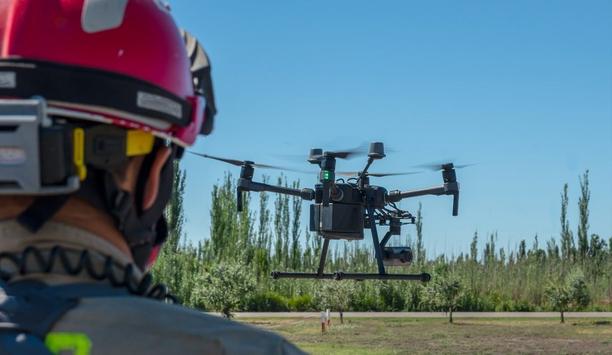
Technology has played a role in firefighting since the beginning; in fact, portable water pumps were found among the ruins of ancient Egypt. As bucket brigades gave way to electric pumps and internal combustion motors displaced horse-drawn fire engines, firefighting has benefited in terms of greater efficiency and lives saved at each point along the way. Technologies boosting the efforts of firefighters include drones, robots and other high-tech innovations. We asked our Expert Panel Roundtable: Which technologies will we see in ‘the future of firefighting'?
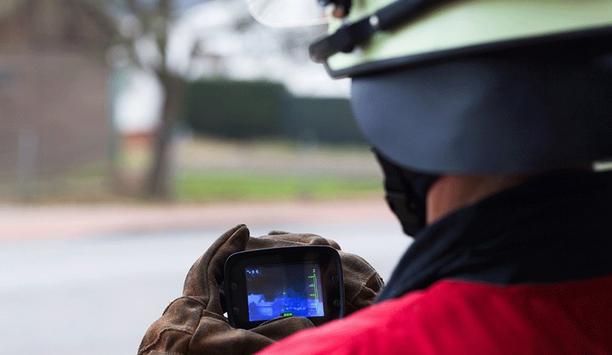
Thermal imaging is an advantageous tool for firefighters on the frontline. As thermal cameras have become more compact and affordable, their availability has expanded, along with their usefulness. We asked our Expert Panel Roundtable: How does thermal imaging serve the needs of firefighters and how is it changing?


Videos



Fire Safety Standards: Manufacturers & Suppliers
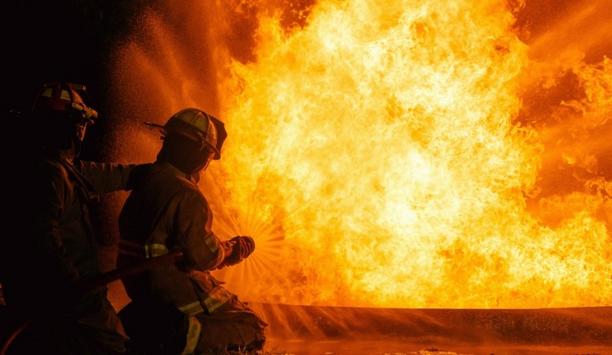
The New Future For Fire Agencies
Download
The Eight Key Trends in Fire Detection in 2023
Download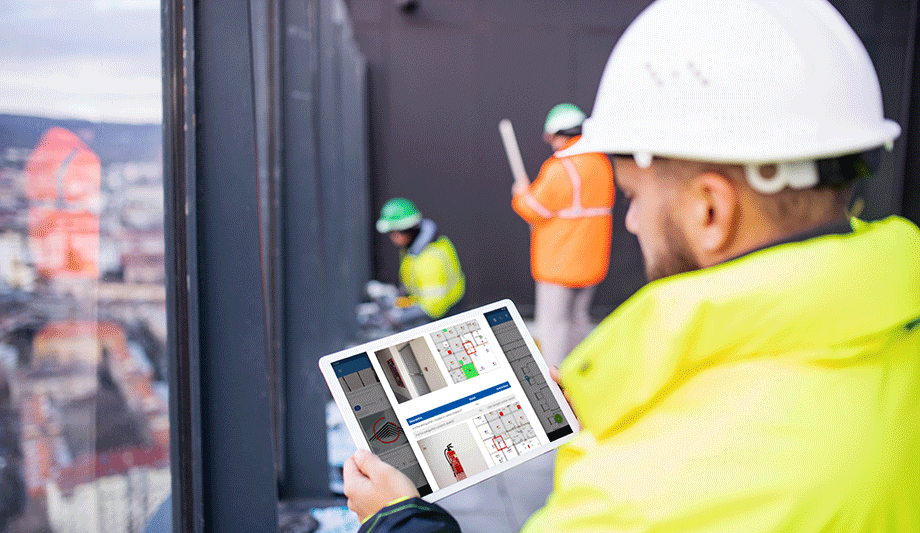
A Digital Platform to Improve Fire Safety Compliance and Inspections
Download
Overcoming the Challenges of Fire Safety in the Paper Industry
Download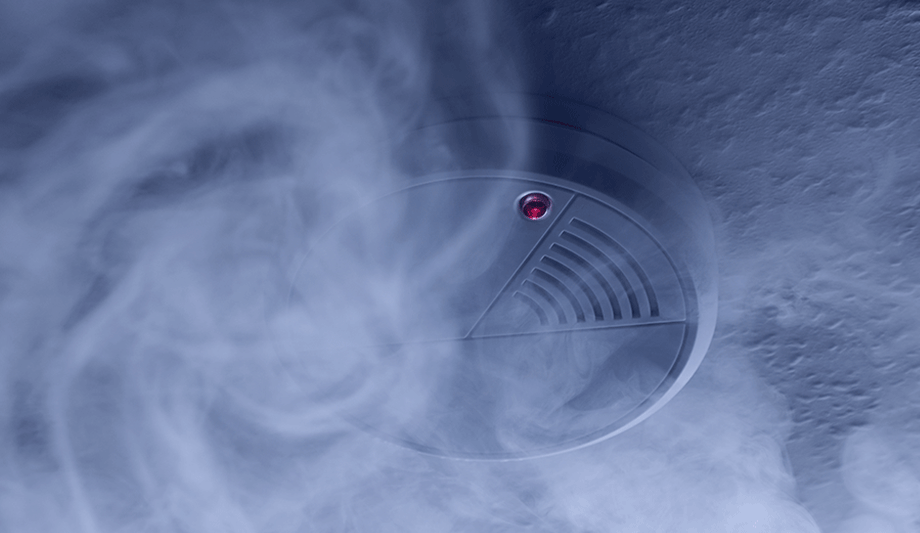
Carbon Monoxide: Creeping Killer Caught In The Act
Download