Fire Safety Policies

The Idaho Falls Fire Department (IFFD) formally marked the grand opening of Fire Station 6 now, with a ceremonial hose uncoupling at 2767 N. Spitfire St. The event signifies the completion of construction and the official opening of a new fire station on Idaho Falls’ north side, which will support emergency response in a rapidly growing area of the community. Investment in the safety and well-being “The opening of Fire Station 6 represents a critical investment in the safe...

Skills for Security has partnered with C-TEC to strengthen the training opportunities for apprentice fire and security technicians through greater access to current technologies and direct engagement with industry expertise. C-TEC’s involvement will include providing equipment for training, technical resources and the expertise of its engineering and product development teams. Apprentices will benefit from demonstrations and discussions that show how design choices affect performance, usa...

The fire safety industry needs to be united in its initiative for the moral and behavioral changes in culture needed to improve standards. We should consider the moral responsibility required of all concerned in the supply chain from top to bottom, including designers, developers, suppliers, contractors, asset owners, manufacturers, managers and installers and many more. Let’s not forget, keeping the public safe is more than a job. Working in this industry is a vocation and should not be...
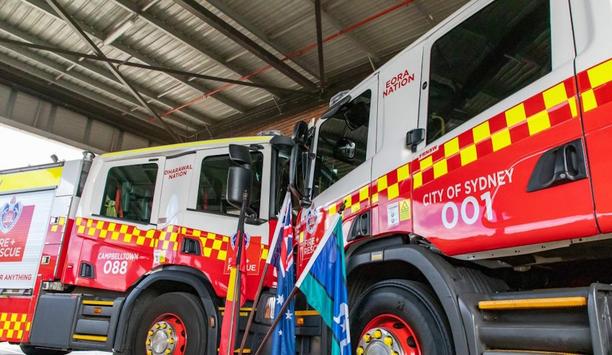
More than 40 Fire and Rescue NSW (FRNSW) stations now display traditional indigenous nation names on their trucks, alongside existing geographical names, in the first tranche of a state-wide rollout. The nation naming conventions, officially announced in a ceremony today at the Emergency Services Academy in Sydney’s west, not only recognize original custodianship but further embed Aboriginal languages and insights in mainstream consciousness. The approach has successfully been undertaken...
Fire extinguishers are among the most essential safety tools in any building, yet they are often overlooked until an emergency strikes. Knowing how often does a fire extinguisher need to be serviced is crucial for maintaining safety compliance, ensuring functionality, and protecting lives and property. Regular inspections and servicing not only keep equipment reliable but also align with legal requirements established by organizations like the National Fire Protection Association (NFPA) and the...

Ahead of the much anticipated review of BB100 for England, British Automatic Fire Sprinkler Association Ltd’s (BAFSA) sprinkler ambassador and the driving force behind the website, Sprinkler Saves UK, has compiled a report for the National Fire Chiefs Council (NFCC) to form part of the industry’s case to Government to make sprinklers mandatory in all new schools in England as they are in Scotland and Wales. The report details case studies where sprinklers have actuated having an imp...
News

Responding to reports regarding culture in the fire and rescue service, the National Fire Chiefs Council (NFCC) has reiterated that the behaviors outlined are wholly unacceptable, making it clear there is no place for harassment, bullying or discrimination in any workplace. NFCC is committed to working with all fire and rescue services to support open and inclusive workplace cultures. Responding to the reports, National Fire Chiefs Council (NFCC) Chair - Mark Hardingham said: “I am appalled by the recent reports into behaviors and culture in some fire and rescue services.” Experience of discrimination “These shocking behaviors have no place in a modern fire and rescue service. They need to stop - and stop now. Everyone has the right to go to work feeling safe, supported and respected in an organization that values diversity, aspiration and fair challenge.” He adds, “As leaders across the fire and rescue service, we need to lead by listening and learning – in particular, from the voices of those who have lived experience of discrimination and harassment within fire and rescue services. We need to ensure that the policies and process in place are fair and transparent.” Expedient investigations Mark Hardingham continues, “When issues are reported we need to act in a timely way to ensure investigations happen as expediently as possible. Only by ensuring these things will we build more inclusive and welcoming organizations where everyone feels valued.” “We also need to ensure people have independent reporting lines where they can report incidents confidentially, confident that action will be taken. We are committed to making this happen.” He stated, “Now is the time to act; to ensure there are clear standards, behaviors and development in place underpinned by strong consequences if these are not met.” Inclusive services NFCC Equality, Diversity and Inclusion Lead and Cornwall Chief Fire Officer - Kathryn Billing said, “We have never been so committed as leaders to ensuring we are and have inclusive services. Cultural reform is required and as fire services transform their cultures, those working within them must see and feel the benefits.” She adds, “However, we humbly acknowledge across the fire sector this is a watershed moment and change has been too slow and inconsistent. We must and will do more, much more, at pace, with integrity and consistently, to lead reform across our services at every level.” Kathryn Billing continues, “There are excellent examples of inclusive firefighters, leaders and fire services that have transformed their cultures. To build from this and sustain the improvements needed, we will be forming an independent external advisory group to inform and steer our work.” Key external stakeholders She said, “The group will be made up of key external stakeholders and organizations who can provide challenge and support, and we will be drawing on the voices and views of those staff who have lived experience.” National Fire Chiefs Council (NFCC) is bringing fire leaders from across the United Kingdom (UK) together at an event next month to hear from people inside and outside the fire sector. They will use this event and the ideas that emerge from it to inform on their action plan, which will be published. This is a critical priority for NFCC in the year ahead and for the future of the fire service.
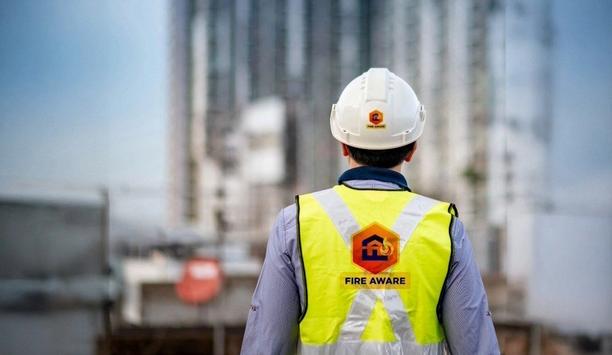
Gavin Skelly, CEO of growing fire safety industry body - Fire Aware, spoke of the moral and behavioral changes in culture needed to improve standards at the Scotland Housing Leaders’ Summit. He called for unity of all of those working across the entire fire safety supply chain to consider their moral responsibility, including national and local housing associations, local councils, and developers across the UK. Cultural change of the built environment To change the culture of the built environment, he outlined the actions being taken by Fire Aware To change the culture of the built environment, he outlined the actions being taken by Fire Aware in introducing a moral code of conduct via a series of charters designed to influence how member companies behave in upholding their duty of care. Gavin Skelly said: "Of course, we understand the need for competence. But when dealing with an industry that the public relies on to keep them safe, there has to be more. There has to be a tangible recognizable commitment to safety. There must be unity in the message all duty holders send to the public if they are to relate to its meaning." Wide array of duty holders Gavin Skelly added: "As with a number of other sectors and professions, the fire sector has a wide array of duty holders, but they all share one common requirement, which is to understand they are there primarily to keep the public safe." He continues, "We are appealing to the fire safety industry and those with responsibility for making decisions to think about their moral duty from the outset of any project. We know from the feedback we receive from our members that the industry is keen to make this work. We believe in going above and beyond legislation and minimum standards and test regimes." Inhabiting the buildings and spaces Gavin Skelly further states: "Members of the Fire Aware community are taking a stand. They have told us they care and want to commit to best practice. Working together, members can contribute to the wider cause of safety in the interests of those people using inhabiting the buildings and spaces we create." Fire Aware is a recognized membership body serving the built environment and related sectors with a common aim to work and trade responsibly to all best practice standards in the interests of the safety of the general public.

Fire safety in care homes is extremely important as these environments involve some of society’s most vulnerable people, some of whom may have health conditions that make things like evacuations much more difficult. That’s why it’s imperative to have the right regulations in place when it comes to fire safety. The risk of fire is present pretty much everywhere, but care homes carry their own unique risks. Government statistics show that there are, on average, 388 UK care homes every year. Common fire risks According to London Fire Brigade, the most common fire risks in care homes are: Smoking – smoking materials being disposed of carelessly and smoking not being controlled or monitored. Electrical equipment – electrical items being placed too close to flammable materials. Spread of fire – doors being wedged open, giving the potential for fire spread throughout the building. But there are other risks that should be considered, too. For example, many residents of care homes require oxygen, which can make a fire explosive and deadly. Similarly, emollients and skin creams are an added fire safety concern within care home environments, especially when used by people who spend extended periods in a bed or armchair due to illness or impaired mobility. There is also an added risk that a fire may occur in the middle of the night, making evacuation that much slower and more difficult, especially if fewer people are on staff compared to during the day. Fire safety guidance Mobility scooters are commonplace in care homes and the NFCC has provided specific fire safety guidance in relation to them: “Mobility scooters involved in a fire can release large volumes of smoke and generate significant heat outputs. If mobility scooters are stored on escape routes and are involved in a fire, there is a potential that escape routes will become impassable and residents could be placed at significant risk in the event of a fire.” Fire safety in care homes Commercial fire safety is regulated by the Regulatory Reform (Fire Safety) Order 2005 Commercial fire safety is regulated by the Regulatory Reform (Fire Safety) Order 2005. The Order places responsibilities on anyone with an involvement in fire safety in care homes such as registered managers, risk assessors and fire alarm technicians. However, the primary duties lie with the care provider as the employer and therefore “Responsible Person.” Care homes present unique challenges, and the consequences of getting fire safety wrong can be fatal. Additionally, fire safety failings may result in a care home being rated “inadequate” by the Care Quality Commission (CQC) and may even result in personal prosecution. The Care Home Regulations Act The Care Home Regulations Act of 2001 sets out fire safety regulations for care homes, including how care homes should approach fire safety and how complaints about fire safety in a care home are handled. This Act was amended in 2003. Care home manager and care home facility owners need to look at several key responsibilities they have towards care home residents under the Act, including: Consulting fire authorities for advice on the best fire safety strategy for their care facility Ensuring all the necessary precautions are in place to reduce the risk of a fire To put policies in place that allow for quick fire detection, containment and extinguishment Ensuring that fire safety equipment is regularly checked and maintained Appointing a properly trained fire marshal for the care home Ensuring that all staff are trained on how to react in the event of a fire Organizing regular fire drills and evacuation practice Keeping an up-to-date fire safety log, with details of all training, emergency evacuation practices and incidents in the home Fire risk assessments All this to say, it’s clear that fire risk assessments are absolutely vital in care home settings. They should be done frequently and thoroughly to ensure they are kept up to date. The care home fire risk assessments should involve: Identifying all possible fire hazards. Identifying people on the premises who may be at risk. Reducing and/or removing those risks. Recording the findings, preparing the emergency procedures accordingly, and providing fire safety training. Reviewing and updating this assessment regularly.
The landlord of a block of flats is considered the Responsible Person, who in the event of a fire, has to ensure the safety of all the occupants of the block of flats. And while people may be aware that an up-to-date fire risk assessment is a legal requirement for this type of building, they might not be aware that there are actually four types of fire risk assessments that landlords need to consider. Here are the four types of fire risk assessment and when and why users might need to implement each. Type 1 Fire Risk Assessment Common parts only / non-destructive A Type 1 Fire Risk Assessment is categorized as a non-destructive risk assessment and is one of the most common risk assessments. This type of FRA would be the minimum required to satisfy the Fire Safety Order. As the flats are not accessed on a Type 1 FRA, some crucial information can be missed from the FRA; that’s why at TFG they always advise a Type 3 FRA as below. Type 2 Fire Risk Assessment Common parts only / destructive A Type 2 Fire Risk Assessment is usually recommended if issues were found when conducting a Type 1 Fire Risk Assessment such as increased risks associated with the building’s structure in relation to the spreading of fire and smoke. Type 2 assessments are called for when recommended in the report on a Type 1 assessment but must be justified and not considered an automatic necessity. With this type of fire risk assessment, destructive sampling may be required, which means it will be more expensive and users may need the presence of a contractor. Due to the nature of this type of assessment, it’s ideal to carry it out in a vacant property. Type 3 Fire Risk Assessment Common parts and flats / non-destructive A Type 3 fire risk assessment requires the same work as in a Type 1 assessment but exceeds the scope of the FSO. Type 3 assessments may be necessary for rented flats if any serious risk of fire to residents is perceived in the case of fire in their flats. So, as well as vetting common areas such as lobbies and hallways, a Type 3 Fire Risk Assessment also audits individual dwellings, structures, and compartmentation between flats. Fire detection type and coverage, means of escape, and the fire resistance of doors leading to rooms should all be considered during a type 3 fire risk assessment. Type 4 Fire Risk Assessment Common parts and flats / destructive A Type 4 Fire Risk Assessment is similar to a Type 2 Fire Risk Assessment as it requires a destructive sampling aspect. However, the assessment covers both common parts of a building and living areas (flats), so it is comparable to a type 3 assessment in terms of scope. Users need a contractor to be present to both open up any construction for inspection and then to make repairs once the inspection and testing are completed. Due to the nature of the work, it is often necessary to carry out these tests and inspections in flats that are vacant. Landlord fire risk assessments Total Fire Group works with landlords up and down the country, helping them with their fire risk assessments and their overall fire safety obligations. If a landlord is looking for help with any part of the fire safety cycle, Total Fire Group can make sure they are fully compliant in a number of areas, including clarification on the classification of their premises, advice on landlord vs tenant responsibilities in terms of fire safety, and auditing of existing fire policies.

Growing fire safety industry organization - Fire Aware aims to change the culture of the built environment sector, by introducing a moral code of conduct via a series of charters designed to influence how member companies behave in upholding their duty of care. The expanding industry body is pioneering the way by focusing on the moral responsibility of all those working in the fire safety supply chain, including designers, developers, asset owners, managers, and other stakeholders. Number of other sectors and professions Gavin Skelly, CEO of Fire Aware, said: "We understand the need for competence. But when dealing with an industry that the public relies on to keep them safe, there has to be more." He adds, "There has to be a commitment to safety. As with a number of other sectors and professions, the fire sector has a wide array of duty holders, but they all share one common requirement, which is to understand they are there primarily to keep the public safe." Appealing to the fire safety industry Gavin Skelly continues, "We are appealing to the fire safety industry and those with responsibility for making decisions to think about their moral duty from the outset of any project." He further states, "We know from the feedback we receive from our members that the industry is keen to make this work. We believe in going above and beyond legislation and minimum standards and test regimes." Safety through a series of charters Fire Aware embraces safety through a series of charters according to the type of business of its members Fire Aware embraces safety through a series of charters according to the type of business of its members. These include main contractors, property developers, building management, designers, local councils, specialist contractors, and sub-contractors. It also recognizes those outside of the fire sector, who, while holding a duty of care are not specifically part of the fire sector. Gavin Skelly added: "Any environment the public use will hold a duty of care for their fire safety. Fire Aware looks to recognize and identify those who do this with the interests of their end users as a priority." Best practice standards Gavin Skelly continues: "Members of the Fire Aware community are taking a stand. They have told us they care and want to commit to best practice. Working together, members can contribute to the wider cause of safety in the interests of those people using inhabiting the buildings and spaces we create." Fire Aware is a recognized membership body serving the built environment and related sectors with a common aim to work and trade responsibly to all best practice standards in the interests of the safety of the general public.
The National Fire Chiefs Council (NFCC) has welcomed the Fire Minister’s address to the NFCC Spring Conference this week, in which he set out the Government’s priorities for fire and rescue services and committed to reform being driven forward in collaboration with the sector. National Fire Chiefs Council (NFCC) Chair, Phil Garrigan, said, “We are really pushing decision makers to recognize the huge value and contribution of our fire and rescue services, so we welcome the Minister’s commitment to work in collaboration with us to drive improvements in our sector.” He adds, “We also welcome his appreciation of the growing challenges the sector faces and his recognition of the need to strengthen the infrastructure that supports fire and rescue services to deliver better outcomes more consistently.” Culture and leadership “I want to echo the Minister’s strong emphasis on culture and leadership, the recognition that our people are our greatest asset and the need to do more to see improvements in culture,” continued Phil Garrigan. He adds, “Fire and rescue services demonstrate professionalism, compassion and integrity every day - at home and internationally. The Minister’s recognition of the collective character of our workforce is important and welcome.” Phil Garrigan continues, “As we move forward, it is vital that fire and rescue services are properly valued and do not become the forgotten emergency service. We remain committed to working with the Government to ensure the sector continues to evolve and meet the needs of our communities.” Four key priorities The Minister set out four key priorities for the Government: Providing strategic direction to the sector by revising the National Framework and by putting in place an improved process for reporting to Parliament. Establishing a new College of Fire and Rescue with the functions and capabilities to meet the sector’s needs. Driving productivity by identifying best practices and supporting workforce development, and by reviewing statutory duties where change may be needed. Seizing the opportunities for devolution and local government reorganization to improve governance, accountability, and delivery. Ministerial Advisory Group The Minister confirmed that the Ministerial Advisory Group would be central to delivering reforms The Minister confirmed that the Ministerial Advisory Group – formed of partners from across the sector - would be central to delivering these reforms. NFCC welcomed the Minister’s praise for national resilience capabilities and the work of the National Resilience and International Search and Rescue teams. These, he said, showed the 'collective character' of fire and rescues services and the best of the UK on the global stage. He also offered clear support for the hosting of the World Fire Congress in London in 2026, underlining the UK fire and rescue sector’s growing global influence. Workforce and culture On workforce and culture, the Minister emphasized that people are the fire and rescue service’s greatest asset. He acknowledged the significant work led by NFCC in this area, including the launch of the Core Code of Ethics and the creation of the People, Culture and Leadership Hub, but made clear that further progress is needed. The Minister also addressed building safety, reiterating the Government’s commitment that new housing must never come at the cost of safe homes. He confirmed the laying of regulations for Residential Personal Emergency Evacuation Plans and reaffirmed his commitment to continued engagement with disability groups and the Grenfell families. Spending Review While acknowledging ongoing work around the Spending Review, the Minister pledged to return to leaders soon with further details on the outcome for fire and rescue. NFCC reiterated its longstanding call for fire and rescue services to be properly valued and not become the 'forgotten emergency service'.

Expert Commentary

Whether it’s the end of the day or end of term, when schools close, it’s not unusual to see children and staff alike scrambling out the doors as they head for a much needed period of relaxation. Though, more vital than finding an exit for a break is the need to safely and swiftly evacuate school premises when an emergency situation arises. When fire breaks out in a school building, every second counts. Panic and emergency escape routes provide a direct path to safety and are critical in minimizing risk and the time spent evacuating, and as a result, are highly regulated in educational facilities as per the Regulatory Reform (Fire Safety) Order 2005 and the Building Bulletin 100 (BB100). Emergency escape routes Designated panic and emergency routes must be highlighted with concise signage Accordingly, designated panic and emergency routes must be highlighted with concise signage, remain clear at all times and contain fully compliant and operational fire exit doors - which are recognized as the final point of escape. During term time, when a school is at its busiest, staff, students and visitors must be confident in locating and traversing their nearest emergency exit route at any given time. Regular fire drills Regular fire drills, evacuation plans and staff training can play a critical part in ensuring the effective use of escape routes in schools, though, often overlooked is the important detail of exit hardware. Where neglected routes can turn a manageable emergency into a potentially dangerous situation, duty holders are urged to recognize the importance of functional fire exits and how exit hardware keeps them operational. Unique challenges and solution School buildings are often more complex than they first appear. Between sprawling corridors, high-traffic communal areas and frequent transitions between classrooms, halls and outdoor areas, there are various challenges and vulnerabilities to consider when it comes to fire safety and the accessibility of escape routes. Fire is an unpredictable danger for any facility, made more apparent in school buildings Fire is an unpredictable danger for any facility, made more apparent in school buildings by the presence of flammable materials - such as art supplies, paper and chemical substances in science labs, for example. In some schools, arson also remains a real concern, further elevating the chance of fire and reinforcing the need for effective emergency escape routes and operational fire exit doors. In any case, escape routes must not only be compliant, but robust enough to support an orderly evacuation under duress, and for that, correctly specified, installed and maintained fire exit hardware is key. Ease of use In panic situations, particularly where children are involved, ease of use and reliability are fundamental. For schools, where there are usually more than 60 occupants present, panic exit hardware is a typical installation on fire exit doors, with horizontal push bars and pads used for intuitive egress at the end of escape routes. These panic devices are designed to provide safe and effective escape through doorways with minimum effort and without prior knowledge of operation. Horizontal push bars for example, are often utilized on external outward opening doors, with panic hardware required to cover at least 60% of the door width, ensuring devices are easy to find and operate in an emergency. All panic exit devices must also be fitted to comply with the harmonized version of EN 1125 Panic and EN 179 Emergency standards and ensure UKCA and CE markings are present. Plan to protect Far too often, escape routes are compromized in school buildings as a result of poor planning and a lack of fire exit maintenance. The durability of exit hardware is regularly put to the test in school buildings Where insufficient signage, blocked exit routes and untrained staff are common oversights that can severely impact the effectiveness of emergency exits, poorly maintained exit hardware could be the difference between safe escape and disaster. The durability of exit hardware is regularly put to the test in school buildings, with wear caused by high footfall, heavy usage and vandalism. With this in mind, a duty holder or responsible person (often the headteacher or facility manager) is required to perform regular fire risk assessments to ensure appropriate precautions are in place to safeguard pupils and staff. Satisfactory working condition As part of their duties, it is recommended that maintenance checks are conducted on a regular basis on escape routes and that all fire door hardware is in correct working order, ensuring all components are present, in satisfactory working condition and operate as follows: When the horizontal bar is pushed, it should unlatch the door immediately without requiring a key, knob or other tools. The mechanism should be intuitive and require minimal force to open. Once operated, the door should also return to its original position. Pushing the bar should release the latch and or bolts, allowing the door to swing open freely, facilitating rapid evacuation. The hardware should normally be latched to prevent unauthorized entry from the outside. A door may be locked from the outside with a key or locking device, but from the inside should always be operable without a key. Some panic bar models may include alarms or signals when the door is opened in an emergency or may have an optional dogging feature to keep the door open temporarily. Hardware must meet local building and fire safety codes. Typically, it should be rated for a certain number of cycles and withstand specific forces. When on fire doors, hardware should also hold a fire rating. Faulty panic hardware Worn or faulty panic hardware can delay an exit door from opening Worn or faulty panic hardware can delay an exit door from opening or may simply cause the door to fail entirely, rendering a carefully planned and clear escape route useless in the event of a fire. In any case, should a fire door not be operating as intended, it’s imperative that a school’s responsible person seek out professional advice to ensure maintenance is carried out quickly and professionally, especially when children are present. Risk of fire Schools will always be thought of as places of learning, care and responsibility, and with that there is an ongoing duty to protect the lives of our next generation and those who nurture them. To truly mitigate the risk of fire, responsible parties must work together to guarantee safe egress is possible at all emergency exits by specifying, installing and maintaining appropriate hardware fit to meet the demands of school settings. After all, an escape route is only as reliable as the exit hardware found throughout it.

Building safety has always been an ever-evolving landscape of legislation and regulatory frameworks. The industry strives for stronger construction safety practice and in doing so, the need for reliable, transparent and accessible product information is clear - especially when fire door safety compliance is on the line. It was in response to the Grenfell Tower fire and Dame Judith Hackitt’s review that the Building Safety Act 2022 was passed, which has since looked to introduce a number of ground-breaking reforms to improve fire safety standards and facilitate greater accountability across the board. Fire and structural safety information A key component of the regulation has been the need for duty holders to retain fire and structural safety information A key component of the regulation has been the requirement for duty holders to retain fire and structural safety information, making it necessary to manage an accessible digital record of decisions and updates throughout a building’s lifecycle. This "Golden Thread of Information," as it’s known, has placed a renewed focus on the presentation and management of construction product information and ensures the right people have the right information at the right time. Driving standards and saving lives From a single source, building owners, developers, regulators, and residents are given a greater understanding of the materials and assets used during the construction process, as a way of driving standards and saving lives. With emphasis shifting from product performance claims to verified, traceable assurances, there has never been a better time to assure peace of mind when it comes to fire door safety. Fire door confidence The Building Safety Act recognizes the importance of fire safety systems and mandates that the Golden Thread of Information must include comprehensive data on all fire detection and prevention systems in high-risk buildings, including fire doors. As a vital element of passive fire protection, fire doors and their hardware are often the first line of defense As a vital element of passive fire protection, fire doors and their hardware are often the first line of defence against fire and smoke, and as such are a legal requirement in all non-domestic properties and houses in multiple occupation. To operate as intended, fire doors will call on their various hardware components, including hinges, latches, seals, door closers and opening mechanisms, meaning they are only as effective as the weakest link in their assembly. Maintenance of fire door hardware is key As such, the correct specification, installation, and maintenance of fire door hardware is considered crucial if a building is to meet both its functional and safety standards. With that, decision makers must be confident they can identify the necessary hardware for their building, and in doing so, must also ensure components are fit for purpose and comply with UK Construction Products Regulations. UKCA and CE certifications To assist duty holders in meeting these expectations, conscious manufacturers have stepped up, and as part of the Golden Thread regulatory framework are providing more detailed information in the form of product datasheets, installation guides, and training portals. From a compliance standpoint, decision makers can instantly check a product’s associated Declaration of Performance (DOPs) to show hardware conforms to the correct testing standards and UKCA and CE certifications, as well as Environmental Product Declarations (EPDs) when looking to conform to the latest environmental benchmarks. With this information, those involved in product selection can assure their installed fire door hardware will perform when it is called upon. Transparent product information Transparent product information is also useful when it comes to maintenance periods Transparent product information is also useful when it comes to maintenance periods and conforming to Approved Document B, with amendments made as recently as March 2025 focusing on Regulation 38, which states that “the person carrying out the work shall give fire safety information to the responsible person no later than the date of the completion of the work, or the date of occupation”. By providing this material, manufacturers are offering improved traceability on products and their performance, empowering duty holders to comply with legal obligations and keeping occupants safe in the process. Transparency equals opportunity Data is a critical resource in decision making and with several schemes evolving such as the Golden Thread and the Code for Construction Product Information, a real strategy is forming. Where information is accessible and no longer ambiguous, the industry is fostering a proactive culture of collaboration, further transitioning from reactive compliance-driven tasks to a more effective method for tackling fire door safety and building design as a whole. Latest standards and hardware options Outside of duty holders being able to demonstrate compliance by showing how they are managing risks throughout their buildings, there is perhaps a greater opportunity presented with clear communication among stakeholders. Outside of duty holders being able to reveal compliance by showing how they are managing risks Where it’s imperative for industry professionals to remain informed on the latest standards and hardware options, a collaborative approach can lead to better and more informed design choices that continue to deliver post-project delivery and improve fire safety outcomes. Furthermore, with information readily available, there is an opportunity for early identification of potential hazards and vulnerabilities. For existing projects, decision makers can check what hardware product has been used and where, deciding if it has been suitable and further reducing the use of ineffective options and avoiding costly retrofits when the time has come to repair or replace products. Fire door safety products From an operational perspective, when reliable product information can be accessed and assessed instantaneously, duty holders are able to streamline their decisions-assuring any changes or issues with fire door safety products are rectified quickly and actioned efficiently. The Golden Thread is setting the standard and protecting all stakeholders in the process With this holistic approach to information sharing, building and fire safety management becomes a shared duty. The Golden Thread is setting the standard and protecting all stakeholders in the process - helping to build trust in an area it is most needed. The use of traceable and transparent product information means the approach to fire door safety and building management is changing and the industry is urged to continue building upon this culture while navigating the latest standards. Traceability is no longer a burden of best practice-it’s an industry expectation and equally, a golden opportunity that must not be missed. How Allegion UK Can Help Allegion UK is committed to supporting transparency and traceability in construction and has a wealth of product information resources to help professionals undertake product selection, installation, and maintenance checks on fire doors and hardware. For information on product selection and installation, please speak to experts or head to the download center for technical fitting instructions and product certifications. Allegion UK also proactively participates in the EPD program, with full EPD documentation available for download on Briton products, based on ISO 14025 and EN 15804 environmental declarations, from the Allegion and Briton websites.
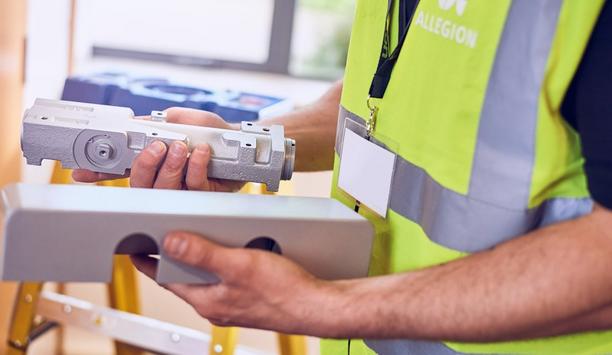
Fire doors are designed to save lives. When closed, they form a crucial barrier against smoke and fire and provide vital time for occupants to escape in an emergency situation. An open fire door on the other hand is rendered useless in the event of a fire, and for this reason, fire door closers are equally recognized for their life-saving capabilities. The relationship between fire doors and fire door closers is synergetic in fact, with both considered key elements of a building’s passive fire protection system. When a fire door must close to completion during a fire incident, it will always rely on its mechanical closing device to do so effectively. Door closers - essential operational component Door closers are an essential operational component and must be capable of closing the door leaf from any angle of opening and strong enough to overcome the resistance of any latch seal, ensuring the door is held firmly in place by its frame. Specifiers and decision makers alike must be confident in their door closer selection While all fire door closers serve this same function, decision makers are reminded that an incorrectly specified door closer can compromise the integrity of an entire fire door assembly. With different project requirements and hardware options available, specifiers and decision makers alike must be confident in their door closer selection. Where occupant safety is on the line, what should specification teams look out for? Fire door closers are key to fire door safety Kirk Smith of Allegion UK, explains: “Fire door closers are paramount to the success of fire door safety and specification should be a structured process to ensure appropriate closers are chosen at each touchpoint.” He adds, “There are various types of door closers available on the market, but whether concealed or surface-mounted, all controlled door closer models use spring hydraulics to close and engage fire doors onto their latch, allowing buildings to compartmentalize areas and provide occupants with vital escape routes. To perform this task, fire door closers call upon a number of elements including: the door closer mechanism, mounting hardware, arms and links.” Door closers tested to EN 1634, UKCA, CE standards Kirk Smith continues, “There are often a number of considerations to make when choosing between door closer products. In any instance, specifiers must first establish whether their door is a fire door or a non-fire door, for example. To ensure a closer is fit for purpose and meets fire safety compliance, all door closers installed on fire-rated doors must be tested to EN 1634 and UKCA and CE marked.” He further states, “Mechanical variants must also conform to EN 1154 and electromagnetic hold-open devices to EN 1155, which test and classify hardware over its category of use, number of test cycles, power size, fire behavior, safety and corrosion resistance. A Declaration of Performance (DoP) must also be reviewed to ensure a door closer is certified when fitted with backcheck or delayed action.” Kirk Smith adds, “From an operational viewpoint, it’s important that a chosen door closer meets the needs of a building and its users too. Buildings with high footfall will often benefit from an electromagnetic hold-open device, which keep certain fire doors open until a fire alarm is activated, in which the system will automatically release and close doors to completion.” Surface mounted closers are the most durable and common type of door closer Selecting the most appropriate door closer Kirk Smith continues, “The size of a door can sometimes be a key factor when selecting a door closer too. Unusually tall or heavy doors may often require a door closer with a higher power size, in accordance with EN 1154 - it’s key to remember that fire doors require a minimum Power Size EN 3 to conform to this standard.” He adds, “Should a specification team be unsure about the size of the door, it is often best practice to choose a door closer unit that can be adjusted during the installation stage.” Durable in application Regardless of where a fire door may be positioned, operation must always be controlled Regardless of where a fire door may be positioned, its size or how it may be used, operation must always be controlled, as this will prevent future damage to the door and its frame - which can be a crucial step towards retaining fire safety performance. Kirk Smith continues: “Surface mounted closers are the most durable and common type of door closer, with units mounted to the surface of the door or frame with a quick and simple installation process. Comparably, concealed door closers are fitted within the door leaf and frame and while providing the functionality of a surface mounted closer is hidden from view as a way of enhancing aesthetics.” Most common ways to fit a door closer Kirk Smith adds, “When reviewing the mounting requirements, it’s important to consider door closers can be installed in different ways, often depending on the application.” The four most common ways to fit a door closer are: Figure 1 door mount fixing: where the closer body is mounted on the pull face of the door Figure 61 transom mount push side: where the closer body is mounted on the transom, on the push side of the door Figure 66 parallel mount push side: where the closer body is mounted on the push side of the door Slide track fixing: where the closer with slide arm and track is door or transom mounted, on either the pull or push side of the door Door closers with adjustable backcheck Kirk Smith states, “Specifiers must also evaluate whether backcheck control is necessary. Door closers with adjustable backcheck can better control the speed of the door, slowing it down prior to making contact with a door stop or before reaching the fully open position. This function prevents or minimizes damage to the door, hardware and adjacent walls, which would otherwise be caused by the door being forcefully open or caught by a gust of wind.” He adds, “Equally, specifiers must consider whether a door closer requires delayed action. A delayed action closer offers a period of delay from when the door is opened to closed, which is usually set to be a maximum of 25 seconds (recommended for fire doors). This functionality makes delayed action closers ideal for environments that require easy passage, such as doors used by children, the elderly or wheelchair users, for example.”
Editor's Dispatch

The Dingell Act, signed into law in 2019, has far-reaching implications, including effects on fire management and emergency services. Officially named the John D. Dingell, Jr. Conservation, Management, and Recreation Act, the law impacts fire professionals and their operations and fire prevention strategies. The Dingell Act is a comprehensive public lands bill that touches on various aspects of natural resource management, conservation, and recreation. Fire mitigation efforts One of the key provisions of the act deals with wildfire management, specifically addressing how federal agencies collaborate to prevent and respond to wildfires. The act streamlines fire mitigation efforts, enhances interagency cooperation, and encourages fire prevention measures on public lands. For fire professionals, this means better coordination among federal and local fire services, access to more resources, and improved strategies to combat wildfires. How the Dingell Act Changes Fire Management The act benefits both large fire departments and smaller teams working near public lands The Dingell Act mandates that federal agencies must coordinate with local fire services to develop effective wildfire management plans. This ensures that fire professionals have a direct line to federal resources, which can drastically improve response times. Additionally, the law increases funding for fire prevention initiatives, such as clearing vegetation in high-risk areas. Fire professionals working near national parks and other public lands will find these changes beneficial, as they create more opportunities for proactive fire control. The Dingell Act strengthens fire prevention protocols by prioritizing wildfire risk mitigation in areas under federal jurisdiction. The act benefits both large fire departments and smaller teams working near public lands. Fire professionals should recognize the broad scope of the Dingell Act and understand how it enhances safety measures in their regions. Federal and Local Collaboration Interagency collaboration is one of the key components of the Dingell Act. Fire departments in areas near public lands can now work more closely with federal agencies such as the U.S. Forest Service and the Bureau of Land Management. This collaboration is not limited to wildfire response but extends to training and resource-sharing, which can empower local teams to be better prepared for large-scale fires. By building stronger partnerships, fire professionals can develop more cohesive strategies for fire mitigation and management. The Dingell Act significantly increases the resources available to fire departments, especially in high-risk areas. Through grants and federal funding, fire professionals can access better equipment, training, and personnel to tackle fire hazards. This investment in fire prevention technology, including satellite-based fire detection systems and drones, ensures that teams have the tools they need to act quickly and effectively when fires threaten communities. Environmental Considerations Dingell Act highlights the extent of balancing fire suppression with environmental protection The Dingell Act highlights the importance of balancing fire suppression with environmental preservation. Fire professionals are encouraged to integrate eco-friendly practices into their operations, such as controlled burns that reduce vegetation buildup without damaging ecosystems. Understanding the environmental impact of fire prevention measures is essential for fire professionals who manage lands rich in biodiversity. By aligning fire prevention strategies with conservation goals, professionals can contribute to both safety and sustainability. Along with the increased collaboration between federal and local agencies come more training opportunities for fire professionals than ever before. The Dingell Act opens avenues for specialized training programs that focus on wildfire management and prevention. Firefighters can take advantage of workshops, courses, and simulation-based training to improve their skills in handling large-scale fires. This professional development is especially valuable for those looking to expand their capabilities in the face of growing wildfire risks. Future Considerations Looking ahead, fire professionals should be mindful of the evolving landscape of fire prevention. The Dingell Act represents just one piece of a broader legislative push to improve fire safety in the United States. Future regulations may build on this foundation, with more emphasis on climate change, land management, and fire technology. As professionals assess their current strategies, it is important to stay informed about upcoming changes and ensure that fire prevention efforts are aligned with national standards and policies. {##Poll1728377023 - What is the most critical resource for effective wildfire management?##}

The integration of technology into the fire service has significantly enhanced operations, but it has also introduced new vulnerabilities. Cybersecurity has become a concern for fire departments, possibly impacting their ability to respond effectively to emergencies and protect communities. Potential problems emanating from cybersecurity concerns include a disruption of a community’s emergency response system. False alarms could result from malicious computer hackers manipulating fire alarm systems, thus wasting resources, and causing potential danger for firefighters. Fire Risks From A Cyber-Attack Medical devices are connected to the IoT and are therefore vulnerable to attack Communication is another vulnerability: A cyber-attack on communication systems could hinder coordination among firefighters and with other emergency services. Potential cybersecurity targets related to the fire service include 911 systems, public safety radios, computer-aided dispatch systems, mobile data computers, and phone systems. In the EMS arena, electronic patient reporting and records management systems are at risk. Medical devices are connected to the Internet of Things (IoT) and are therefore vulnerable to attack. Many firefighter tools are operated by computers, so equipment malfunction is a real possibility. The digital world continues to infiltrate almost every aspect of firefighting. Critical equipment, such as fire trucks and rescue tools could be compromised, resulting in longer response times. Vulnerability to Ransomware Attacks Ransomware is a pernicious type of cyber-attack, involving the use of malicious software (malware) that encrypts files, rendering them inaccessible. The attackers then demand a ransom payment in exchange for the decryption key to restore the data. The city of Leeds, Ala., was hit by a ransomware attack in February 2018 that locked all city computers and data, including fire and police departments. A month later, Atlanta’s municipal systems were attacked, resulting in widespread outages, and disrupting city services. Impact on Data Loss and Privacy Fire units handle sensitive data, including the personal data of citizens and crisis responders In addition to operational concerns, there are also possible cybersecurity consequences relating to data loss and privacy. Fire departments handle sensitive data, including the personal information of citizens and emergency responders. A breach could lead to identity theft and reputational damage. On a more intangible level, a cyber-attack could erode public trust in the fire department's ability to protect the community. Negative publicity from a data breach can harm the fire department's image. Phishing schemes Among the cybersecurity threats are phishing schemes, which involve scammers attempting to obtain sensitive information from individuals, usually via email, by disguising themselves as trustworthy entities. Phishing can take the form of fake emails or websites that mimic legitimate businesses like banks, online retailers, or social media platforms. They lure victims by offering enticing deals, creating a sense of urgency, or claiming there's a problem with an account. Once the user clicks on a malicious link or provides personal information, the scammers can steal login credentials, credit card numbers, or other sensitive data. Top motivators of cyber-attacks Malicious files can be delivered as email attachments, which can contain viruses, ransomware, or other malware. Clicking a link in a suspicious email can redirect the user to a malicious website that can download malware or steal personal information. One of the top motivators of cyber-attacks is to collect personally identifiable information (PII) One of the top motivators of cyber-attacks is to collect personally identifiable information (PII), which is any data that can be used to identify an individual. This information includes name, address, phone number, social security or driver's license number, medical records, credit card or bank account numbers, and biometric data, such as fingerprints or facial images. The fire service handles a lot of PII, especially in emergency situations, including incident reports, property records, or patient information related to emergency medical services (EMS). Cyber-Criminals Have a Variety of Profiles Cyber-criminals come from a range of backgrounds and motivations. Individual hackers might be motivated by financial gain, ideology, or simply by the concept of a personal challenge. Organized crime groups might be motivated by profit, power, and/or influence. Other cyber-crime perpetrators include nation-state actors, who might be pursuing espionage, sabotage, or political influence. These threats have significant financial and technical capabilities. They include advanced persistent threats (APTs) from countries like China, Russia, and North Korea. Cyber threats posed by 'hacktivists' So-called 'hacktivists' can be motivated by political or social causes to launch distributed denial of service (DDoS) attacks, website defacement and/or data leaks. There is also the possibility of cyber-terrorists seeking to cause mass disruption or to achieve political or ideological goals. They are capable of large-scale attacks on critical infrastructure. Increased cyber-risks may lead to higher insurance premiums for fire departments There is a cost component of protecting against cybersecurity threats, a critical financial implication for cash-strapped fire departments. Implementing robust cybersecurity measures requires significant financial resources. At the other extreme, responding to a cyber-attack can be expensive, including legal fees, public relations, and system recovery. Increased cyber-risks may lead to higher insurance premiums for fire departments. Mitigation Strategies at a Glance Here are some mitigation strategies fire departments should consider: Risk assessment: Identify vulnerabilities and prioritize mitigation efforts. Employee training: Educate firefighters about cybersecurity best practices. Network security: Implement strong network security measures, including firewalls and intrusion detection systems. Data protection: Regularly back up data and encrypt sensitive information. Data minimization: Collect only the personal data that is necessary, and then limit access. Incident response plan: Develop a comprehensive plan for responding to cyber-attacks. Contingency: Create a backup plan to mitigate risk and minimize loss of critical assets in the event of an attack. Compliance: Ensure adherence with relevant privacy laws such as HIPAA and GDPR. Collaboration: Work with other agencies and cybersecurity experts to share information and best practices.
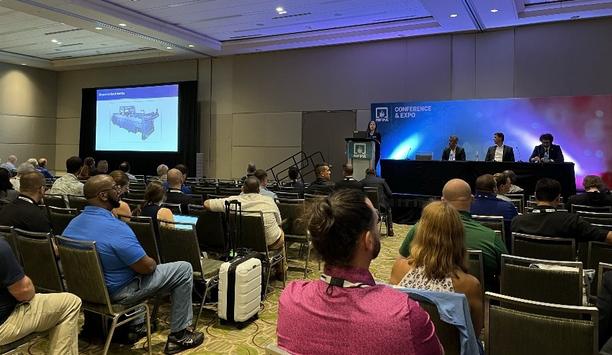
Thousands of industry professionals gathered at the 2024 NFPA Conference and Expo in Orlando in June. The event brought together educational sessions, networking opportunities, and an exhibitor showcase. NFPA is the National Fire Protection Association. The NFPA annual meeting allowed members and the public to discuss and vote on proposed changes to fire codes and standards. “It’s a gathering place for people in the industry,” says Dr. Rodger Reiswig, Vice President of Industry Relations at Johnson Controls. “You can walk around the floor and observe the trends, see what people are talking about, and view industry trends through a clear set of eyes.” New Foundation Series As vice president of industry relations, Reiswig acts as Johnson Controls’ liaison with the NFPA, works with NFPA technology committees, and serves on the Standards Council that oversees more than 300 NFPA codes and standards documents. Foundation Series is a complete family of fire alarm control units and peripheral devices At the NFPA Conference and Expo in Orlando, Johnson Controls provided “spotlight” seminars at their exhibit booth and highlighted products and services including interactive tools, inspections, remote services, restaurant systems, and the new Foundation Series Fire Safety Solution for the protection of small to mid-size buildings. The Foundation Series is a complete family of fire alarm control units and peripheral devices. NFPA’s codes and standards In addition, Reiswig attended seminars and Standards Council sessions. Technical sessions covered codes and standards that are currently “in cycle” (i.e., in the process of being updated). In a technical session on the last day of NFPA, anyone could attend to suggest changes and garner support from others on various changes. Consensus is a core principle of NFPA’s codes and standards. “This is a chance for everyone to participate, whether your interest is in roofing materials, how buildings are built, or life safety systems,” Reiswig adds. “Codes tell us when to do something, but standards tell us how to do it. If the occupancy standard says put in a fire alarm, the NFPA standard tells you how to do that.” Anyone at any level in any role or discipline can participate. new NFPA 915 Standard Fire alarm and life safety have yet lagged industry sectors when it comes to remote connectivity “Technology is changing rapidly, and the type of construction is different than 20 or 30 years ago. Use of new tools and materials in buildings is changing how much time I have to escape smoke or fire,” Reiswig says. “New construction materials allow fires to happen quickly, spread faster, and give off toxic chemicals. Tighter buildings ensure energy efficiency, but they allow less ventilation, so carbon monoxide can accumulate faster.” A common theme at the show was remote connectivity, highlighting the new NFPA 915 Standard for Remote Inspections, which guides new technologies to enable remote access and testing of life safety systems. Fire alarm and life safety have previously lagged other industry sectors when it comes to remote connectivity, but the new NFPA 915 standard opens new possibilities, and vendors at the show were promoting remote capabilities and inspections. develop safeguards and capabilities NFPA 915 Standard sets need for performing remote inspections safely and effectively The NFPA 915 Standard establishes requirements for performing remote inspections safely and effectively. It addresses various types of remote inspections. The standard also defines the responsibilities of various parties involved in a remote inspection, such as the inspector, property owner, and authority having jurisdiction (AHJ). The standard covers data collection procedures, data security, and data ownership. Overall, the standard helps to ensure that remote inspections can be conducted in a way that meets safety requirements. In effect, NFPA 915 gives the green light to manufacturers and Underwriters Laboratories (UL) to develop safeguards and capabilities to log into life safety systems remotely. The approach can help to simplify inspections, which can be performed remotely or with only one technician required on-site rather than two. Requirements include how systems communicate, the cybersecurity and credentials required, and the prevention of outside connections. Beyond fire alarms, the standard also allows other remote inspections, such as using a drone in a large warehouse to inspect sprinkler heads. Real-time information and instructions Inspectors are not allowed into buildings such as nursing homes and clinics to check their safety systems NFPA 915 was being considered before the COVID pandemic, but the business shutdowns and social distancing requirements during the worst of the pandemic increased awareness of the needs and benefits of remote inspections. During COVID, inspectors were not allowed into buildings such as nursing homes and hospitals to inspect their life safety systems. Remote access and inspections became critical, thus raising awareness of the feasibility of remote inspections that continue to drive their adoption. Another area of interest in NFPA was mass notification systems, which have matured a lot since they were introduced into the NFPA code in 2007. It’s easier than ever to provide real-time information and instructions to people in an area. Connectivity among fire alarm systems inside buildings, digital signage, and other life safety systems are promoting better notification. Area of refuge systems A new area of discussion and product development is “area of refuge” systems that complement Americans with Disabilities (ADA) requirements in buildings. In a high-rise building, for example, if the elevators are disabled, it may be impossible for a person using a wheelchair to evacuate. Instead, there are designated “areas of refuge,” which are rated to provide two hours of protection from fire. New notification systems can communicate with first responders about occupants in these areas. The NFPA conference increasingly incorporates a global presence, encouraging more collaboration among entities, countries, and associations about needs around the world. Manufacturers can work together through various associations including the Automatic Fire Alarm Association, Euralarm in Europe, and others. “Life safety is worldwide, and fires may be the same or different in various areas,” says Reiswig. “We need to remember that standards are not just for the United States because people are active from other countries.”
Case studies

Hochiki Europe has brought the thrill of live football to the heart of the Gillingham community, awarding 35 coveted tickets to a Gillingham FC home game to the deserving Medway Soccer Academy. The academy, a grassroots initiative providing affordable football training to local children, emerged as the winners of Hochiki’s “Golden Ticket” competition. Essential equipment and kit Medway Soccer Academy addresses the financial barriers that prevent many children Founded in 2019 by Matt Waters, Medway Soccer Academy addresses the financial barriers that prevent many children from participating in organized football. Matt’s vision of a £4 “pay and play” model, run by nine dedicated volunteer coaches, ensures that football remains accessible to all. All funds are reinvested into the club, providing essential equipment and kit for its 64 regular attendees. Matt’s unwavering commitment The academy’s dedication to fostering a love for the game, promoting physical activity, and building confidence resonated deeply with Hochiki Europe. Kara Martin, Marketing Projects Specialist at Hochiki, who nominated the academy, highlighted Matt’s unwavering commitment to the community, noting that many children would otherwise miss out on the experience of a live football match. Academy’s training sessions The children were eager to learn about everything from the pre-game atmosphere to Coleman’s football idols Hochiki’s Marketing Manager, Craig Taylor, and Kara Martin, Marketing Project Specialist, visited one of the academy’s training sessions at a local community park, accompanied by Gillingham FC midfielder Ethan Coleman. Coleman spent over an hour engaging with the children and coaches, sharing insights into his professional journey and answering enthusiastic questions. The children were eager to learn about everything from the pre-game atmosphere to Coleman’s football idols and even his car. Affordable and engaging activities Kara Martin also spoke with parents, who emphasized the academy's vital role in providing affordable and engaging activities for local children. The “pay and play” flexibility was particularly valued by families who couldn’t commit to weekly team schedules, while the supportive environment helped build confidence in the children. The smiles and palpable joy on the children’s faces attested to the academy’s positive impact. Gillingham FC training experience The day culminated in an exciting penalty shootout, with successful participants entered into a raffle The day culminated in an exciting penalty shootout, with successful participants entered into a raffle for a Gillingham FC training experience at a later date. To cap off the memorable visit, Ethan Coleman presented Matt Waters with a golden envelope containing the 35 tickets for the Gillingham FC vs. Swindon Town match, which took place last week on April 26th. “We are incredibly grateful to Hochiki Europe for this amazing opportunity,” said Matt Waters. “This means the world to our children, many of whom have never experienced a live football game. It’s a testament to the hard work of our volunteer coaches and the dedication of our young players.” Benefit from the academy’s inclusive Looking ahead, Matt is striving to establish an U11s team for the 2025/26 season and is actively seeking sponsorship to cover the associated grassroots fees. This expansion would enable even more children to benefit from the academy’s inclusive and supportive environment. Hochiki Europe is proud to support Medway Soccer Academy and its commitment to providing accessible football opportunities for the local community. The company believes in the power of sport to inspire and unite and is thrilled to have played a role in creating lasting memories for these young football enthusiasts. Hochiki Europe is the Gillingham Football Club Rainham End Sponsor.

Oshkosh Airport Products, an Oshkosh Corporation business, announced the delivery of two Oshkosh Airport Products Striker® 6x6 ARFF vehicles to MET – Montreal Metropolitan Airport — formerly known as Montreal Saint-Hubert Airport. The new ARFF units will play a key role in supporting emergency operations as MET undergoes a significant transformation into a major domestic airport in Canada. MET’s new ARFF units were supplied through Oshkosh Airport Products’ Quebec-based dealer L’Arsenal. Fire protection solution “MET – Montreal Metropolitan Airport is entering an exciting new chapter, and we are proud to support their expansion with world-class ARFF vehicles,” said Alexandre Séguin, Sales Manager for L’Arsenal. “Our team has built a long-standing relationship with MET, working closely with them to identify and deliver the best fire protection solution for their evolving needs. The Striker 6x6 is engineered to deliver exceptional performance and safety, backed by our dedicated service and support.” Transition of MET The transition of MET from a small airport to a hub capable of handling more than 1 million passengers The transition of MET from a small regional airport to a hub capable of handling more than one million passengers annually, necessitated an upgrade to its fire protection services. The acquisition of these Striker 6x6 ARFF vehicles ensures compliance with airport regulations and provides state-of-the-art emergency response capabilities. Latest airport regulations “The decision to purchase Oshkosh ARFF vehicles was based on the brand’s strong reputation, strong service network, and the positive experiences of other airports in the region,” said Pierre-Luc Clement, Fleet Maintenance Manager at MET– Montreal Metropolitan Airport. “We needed a solution that offered reliability, safety features, and compliance with the latest airport regulations. The Striker 6x6 met all of our criteria and will be instrumental in ensuring the highest level of emergency response at our airport.” Striker 6x6 Features and Capabilities The two new Striker 6x6 ARFF vehicles are designed to handle the demands of MET’s growing operations. Notable features include: Industry-pioneering modular cab design for exceptional visibility TAK-4® all-wheel independent suspension for world-class off-road performance Seating capacity for four firefighters Scania DC16 V8 670HP Tier 4 engine for optimal power and efficiency Water capacity: 12,500 L Foam capacity: 1,600 L Dry chemical capacity: 227 kg Eco-EFP™ Foam Measurement System to enhance firefighting efficiency Electronic Foam Proportioning System to manage environmental impact MET prioritized foam testing systems With a mix of high-reach extendable turrets and bumper turrets, these vehicles are equipped to handle a range of emergency scenarios. Additionally, MET prioritized foam testing systems that minimize the environmental impact of training and maintenance, aligning with the airport’s broader sustainability goals. Sustainability initiatives The airport is committed to sustainability initiatives, including a GHG emissions reduction plan Slated to welcome its first passengers in 2025, MET is undergoing a significant transformation, with a 226,000 sq. ft. terminal, nine gates, and an anticipated capacity of four million travelers per year. The airport is committed to sustainability initiatives, including a GHG emissions reduction plan, Airport Carbon Accreditation, and new shuttle services to downtown Montreal. MET dedicated fire services unit As part of this expansion, MET established a dedicated fire services unit and invested in world-class emergency response equipment. The Striker 6x6 vehicles will provide essential fire protection for the airport’s evolving infrastructure and growing passenger base.

Fire protection solutions manufacturer, Advanced, has supplied an intelligent fire panel with wireless detection to iconic Scottish knitwear brand Eribé. An Advanced MxPro 5 analog addressable fire panel has been installed at Eribé Knitwear to provide industry-pioneering protection that is high-performance and fault-tolerant. The system was installed following a fire risk assessment, which required Category L2 coverage. Internal and external systems Founded in 1986, Eribé’s knitwear design house and manufacturing company is based in Melrose, in the Scottish Borders. The company prides itself in championing Made in Scotland and has a dedicated fan base worldwide. During 2024, the company took time to assess the whole business to strengthen its internal and external systems and processes for its staff and customers. As part of this process, Eribé reviewed its fire system to ensure full compliance and prioritize staff, premises, and customer safety by investing in Advanced fire protection. EMS Firecell wireless system MxPro 5 was retrofitted at Eribé; the Advanced panel was seamlessly integrated with an EMS Fire and security service providers, Safe Services, installed an Advanced MxPro 5 single-loop analog addressable fire panel to replace the existing fire system, as it was old and could not be brought up to standard. Since the MxPro 5 was being retrofitted at Eribé the Advanced panel was seamlessly integrated with an EMS Firecell wireless system, this simplified the installation since cabling was not required throughout the building. Advanced fire safety system “In 2024 we reviewed our business as a whole to strengthen our processes. The safety of our staff, premises, and customers was a priority and so we were fully behind investing in an Advanced fire safety system." "We are now really proud to say that with the help of Safe Services, our extended team, managers and directors feel far more knowledgeable regarding the risks and actions, and the whole team feels safer and more invested in it as a result,” said Tamsin Ansdell, Eribé Knitwear. Advanced panel with the wireless EMS Firecell Graeme Millar, Fire Technical Sales Engineer at Safe Services, said: “We were responsible for the installation, commissioning, verification and handover of the system at Eribé, and will also be conducting ongoing maintenance." "As we installed the Advanced panel with the wireless EMS Firecell it made it far more straightforward and meant less disruption for Eribé. We have several sites we have worked on with the same combination, and know the Advanced MxPro 5 works well with EMS equipment. The Advanced MxPro 5 is our panel of choice as it’s a trusted and reliable panel with our design and installation teams.” MxPro 5 panels Neil Parkin, Sales Manager at Advanced, said: “Choosing wireless equipment when installing a fire system is ideal for retrofitting, where cabling can be trickier to install and visually unappealing. Add to that the time and cost benefits they provide to installers, and it is a great choice in multiple scenarios both large and small." "Our MxPro 5 panels are designed to make life as easy as possible, delivering robust protection that offers real peace of mind, all backed up by our highly rated technical support.” FM Approvals to the EN 54 standard MxPro 5 is the fire industry’s pioneering multiprotocol fire panel and is certified by FM Approvals MxPro 5 is the fire industry’s pioneering multiprotocol fire panel and is certified by FM Approvals to the EN 54 standard. It offers customers a choice of four detector protocols and a completely open installer network, backed up by free training and support. MxPro 5 can be used in single-loop, single-panel format, or easily configured into high-speed networks of up to 200 panels covering huge areas. Ease of installation and configuration, as well as its wide range of peripheral options, make MxPro 5 customizable to almost any application. MxPro 5’s versatile wireless capabilities As well as compatibility with pioneering wired detector brands, MxPro 5’s versatile wireless capabilities make it easy to install robust fire alarm systems while saving crucial time, cost and disruption. Harnessing the power of proven technology, MxPro 5’s wireless solutions are scalable, adaptable, and reliable – for complete fire safety peace of mind. Battery replacement and fault reporting Wireless solutions not only mean lower visual and physical impact, but they are also faster Wireless solutions not only mean lower visual and physical impact, but they are also faster and cheaper to install, making them an increasingly popular alternative for sites where downtime is not an option, or re-wiring would prove disruptive. Thanks to two-way communication with the panel, battery replacement and fault reporting can also be worked into the on-going maintenance schedule via the panel service tools. MxPro 5’s stand-out false alarm management capabilities The MxPro 5’s stand-out false alarm management capabilities are available as standard. AlarmCalm delivers unprecedented control of verification and investigation delays. By dividing sites up into virtual false alarm ‘building areas’ independent of fire zones, much more precise control of false alarm management and reduction strategies can be achieved that exactly fit the needs of each part of a building. Development of intelligent fire systems Advanced products are specified in locations around the world, from single-panel installations An optional AlarmCalm button allows trained occupants to verify if they believe a local fire signal is a false alarm too – a highly effective way of eliminating unwanted alarms. As a world pioneer in the development and manufacture of intelligent fire systems, Advanced products are specified in locations around the world, from single-panel installations to large, multi-site networks. Advanced portfolio The Advanced portfolio includes complete fire detection systems, multiprotocol fire panels, extinguishing control, false alarm management and reduction systems. Advanced is owned by FTSE 100 company Halma PLC – a global group of life-saving technology companies with a clear purpose to grow a safer, cleaner, healthier future for everyone, every day.

Merriman Grange, a beautiful new care home from Cinnamon Care Collection, located in Worthing, West Sussex, is designed to provide a warm, comfortable, and thanks to Hochiki's ESP range, safe environment for its residents. Offering exceptional care across three floors, including a dedicated dementia unit, the home prioritizes the well-being of its vulnerable residents. Robust protection with needs Ensuring comprehensive fire safety in such a complex domain is paramount, needing a tailored approach Ensuring comprehensive fire safety in such a complex environment is paramount, requiring a tailored approach that balances robust protection with the specific needs of the residents. Care home fire safety is a multifaceted project. It demands a system that not only detects fires rapidly but also integrates seamlessly with other building systems, minimizes disruption during installation, and provides reliable, user-friendly ongoing maintenance. ESP range’s reputation for ease of installation For Merriman Grange, Southern Fire Alarms was entrusted with the crucial task of designing and installing a state-of-the-art fire safety system. As a new build project, Southern Fire Alarms had the opportunity to implement a comprehensive solution from the ground up. They chose Hochiki as their primary life safety manufacturer, citing their ESP range’s reputation for ease of installation and excellent compatibility with other building management systems. This integration was crucial for Merriman Grange, allowing for a streamlined and efficient operation of all building services. Full L1 category fire alarm system The system installed was a full L1 category fire alarm system, providing full smoke and fire detection coverage The system installed was a full L1 category fire alarm system, providing complete smoke and fire detection coverage across all three floors of the building. This comprehensive approach ensures that every area, from communal spaces to individual rooms, is protected. The presence of a dementia unit presented a unique challenge, requiring a system that would not cause undue stress or panic among residents. Hochiki devices Hochiki devices were selected specifically for their flexibility in terms of alarm volumes and tones, minimizing potential distress for these particularly vulnerable individuals. The ease of use for staff was another key consideration. Hochiki devices are designed to be intuitive, simplifying routine testing by maintenance teams. This user-friendliness ensures that staff can respond effectively to any fire safety event, providing peace of mind for both residents and their families. ESP range of addressable products Hochiki devices are designed to be intuitive, simplifying routine testing by maintenance teams "When it comes to reliability and ease of installation, Hochiki is our go-to manufacturer," said Naomi Fell of Southern Fire Alarms. She adds, "Their ESP range of addressable products are consistently high-quality, and their integration capabilities are second to none. For a complex project like Merriman Grange, where we needed a robust and dependable system that also considered the specific needs of dementia residents, Hochiki was the perfect choice." Naomi Fell continues, "Their devices are designed to minimize false alarms and provide clear, reliable warnings, which is crucial in a care home environment. We know that with Hochiki, we're providing our clients with the best possible protection." Installation of the Hochiki fire safety system The successful installation of the Hochiki fire safety system at Merriman Grange underscores the importance of a well-planned and expertly executed fire safety strategy. By partnering with Southern Fire Alarms and utilizing Hochiki's advanced technology, Cinnamon Care Collection has created a safe and secure environment for its residents, ensuring their comfort and well-being for years to come.
Fire and Rescue NSW is deploying three water rescue strike teams and specialised equipment to support emergency efforts in the state’s north today as Cyclone Alfred approaches. The teams, made up of 14 highly-trained firefighters and a team leader, will be working in Lismore, Bellingen and Coffs Harbour where they will support the NSW State Emergency Service-led response to any potential flood emergency. Regional Rescue Teams Metropolitan-based firefighters will be supported by specially trained on-call and regional firefighters, with many of them living in, or close to, the towns they will be supporting. FRNSW will deploy new rescue boats that can be rolled up and packed to enable helicopter deployment to locations isolated by floodwater. The Strike Teams will be on standby to conduct flood rescues over the next few days, when it is expected there will be a heightened level of activity in line with weather forecasts. Emergency Response Upgrade FRNSW Acting Assistant Commissioner, Graham Kingsland, said the impacted communities should feel reassured by the presence of water rescue technicians. "When it comes to water rescues, these firefighters are among the most highly skilled and trained. They are equipped and ready to support locals at their time of need. "We've learned from past flood events and adapted our approach to make sure the best resources and support is available when it's most needed.” “The rescue boats, vehicles and wetsuits being utilised are all new, a result of FRNSW’s capability uplift and recommendations of the 2022 NSW Flood Inquiry. Importantly, this deployment is delivering on government recommendations and funding in a very practical sense.”

Fire and Rescue NSW crews responded to a fire involving a car carrier on the Hume Highway at Denham Court, in Sydney's south west. The prime mover, carrying several new hybrid vehicles, was successfully detached from the trailer; however, five of the vehicles were destroyed by fire. Lithium Battery Risk The hybrid vehicles containing lithium-ion batteries, added to the complexity to the operation. Lithium-ion batteries can ignite with significant force when exposed to fire. Crews removed the vehicles to a safe location, where the batteries will be monitored. The Hume Highway was closed northbound for approximately 40 minutes while crews worked to extinguish the fire and render the scene safe. Traffic has since resumed, with all lanes reopened and vehicles moving freely. Fire investigators have determined cause of the fire appears to be a mechanical fault in the trailer's wheels.
Round table discussion
Fostering fire safety is a basic principle, but one that suggests many different approaches and technologies. Best practices and greater innovation can play a role to ensure various aspects of fire safety (and health), but the first step is awareness. We asked our Expert Panel Roundtable: What is a fire safety trend that isn't widely adopted but should be?
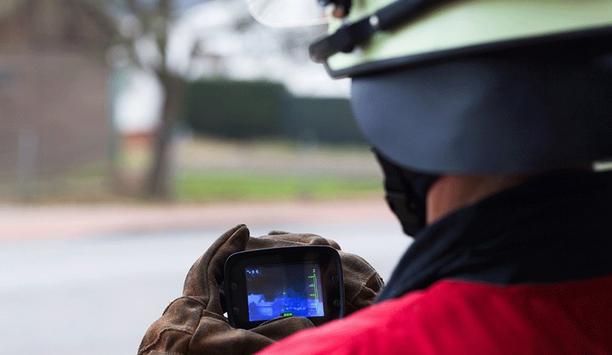
Thermal imaging is an advantageous tool for firefighters on the frontline. As thermal cameras have become more compact and affordable, their availability has expanded, along with their usefulness. We asked our Expert Panel Roundtable: How does thermal imaging serve the needs of firefighters and how is it changing?
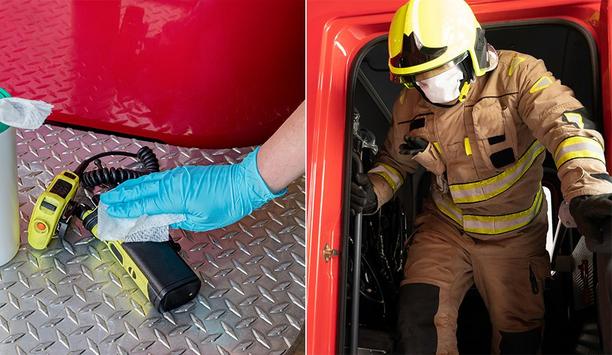
The COVID-19 pandemic has had ramifications for almost every industry, some more than others. With the pandemic stretching well into a second year, the non-medical consequences continue, and many are wondering about which of the required changes might become permanent. As regards the fire sector, we asked our Expert Panel Roundtable: What impact has COVID-19 had on the fire industry?



The New Future For Fire Agencies
Download
The Eight Key Trends in Fire Detection in 2023
Download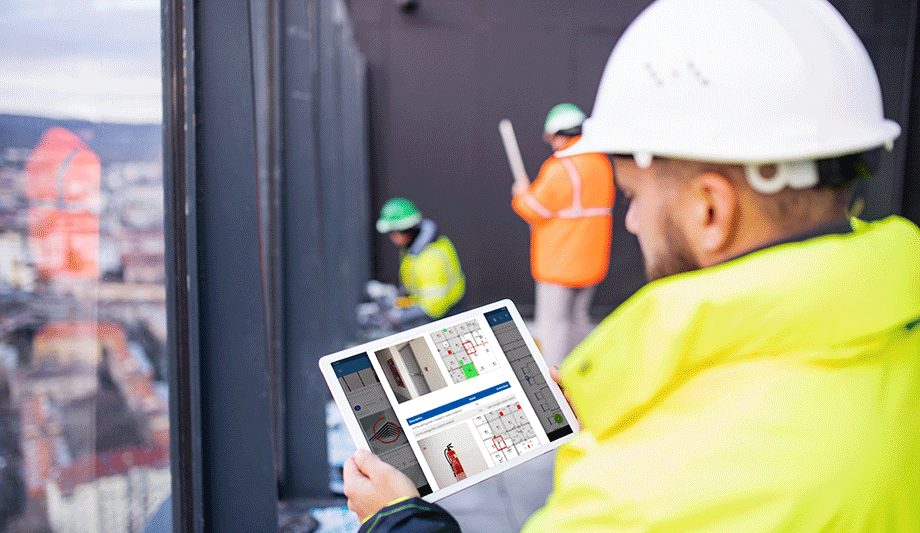
A Digital Platform to Improve Fire Safety Compliance and Inspections
Download
Overcoming the Challenges of Fire Safety in the Paper Industry
Download
Carbon Monoxide: Creeping Killer Caught In The Act
Download