Tall Building Fire Safety

When it comes to workplace safety, fire risk assessments are a critical part of the process. But for business owners who may not be familiar with them, these assessments can seem daunting. This guide is designed to provide beginners with all the information they need to understand and complete a fire risk assessment for their business. They’ll cover the basics of what a risk assessment is, what needs to be included and how to implement the findings. So whether they’re just starting...
When it comes to workplace safety, fire risk assessments are a critical part of the process. But for business owners who may not be familiar with them, these assessments can seem daunting. This guide is designed to provide beginners with all the information they need to understand and complete a fire risk assessment for their business. They’ll cover the basics of what a risk assessment is, what needs to be included and how to implement the findings. So whether they’re just starting...

Businesses of all types and sizes should have fire extinguishers on-site in the event of a fire. While these devices can be lifesavers, they can also be dangerous if not used in the right way or improperly maintained. It’s important to know how often the fire extinguishers should be checked, as they are an important part of any fire-safety plan. They can be used to put out small fires before they have a chance to spread and can help prevent serious injuries or even death. However, fire ex...
High-rise buildings are a triumph of human ingenuity, packing hundreds of people and countless systems into an efficient vertical footprint. But with great height comes the great complexity of high-rise fire safety. These architectural marvels have complex ecosystems that call for reliable high-rise fire protection systems to keep everyone and everything safe. When it comes to high-rise buildings, fire safety isn’t a nice to have, but a must-have! Complications of High-Rise Building Safe...
High-rise buildings are a triumph of human ingenuity, packing hundreds of people and countless systems into an efficient vertical footprint. But with great height comes the great complexity of high-rise fire safety. These architectural marvels have complex ecosystems that call for reliable high-rise fire protection systems to keep everyone and everything safe. When it comes to high-rise buildings, fire safety isn’t a nice to have, but a must-have! Complications of High-Rise Building Safe...

Specialist cable supplier AEI Cables is advising those in the supply chain with any doubts about fire performance of cable products on the market to check the specification to ensure certainty and compliance. The company is highlighting the need for safety and certainty across all fire performance cables, particularly Category 3 fire performance cables which are designed to withstand heat and flames for up to 120 minutes, helping to protect equipment, property, and even lives. Challenging time...
News

Dräger, an international leader in the fields of medical and safety technology, has designed a custom-built smoke extraction system for Kent Fire and Rescue’s (KFRS) new five-storey, live training facility, helping to ensure the service can deliver realistic training while minimizing the polluting impact on the environment. The Ashford-based training facility is replacing the 30-year-old Live Fire Training building which was nearing the end of its operational life. The redevelopment at Ashford includes a live fire training building that accommodates lessons, including scenarios developed from the challenges faced by firefighters during the 2017 Grenfell tragedy, and other ‘tall building’ fire incidents. The facility will open in 2026. Dräger’s unique design The design features three burn floors, with eight carbonaceous burn rooms, and a further two floors dedicated to training using synthetic smoke. The various internal layouts provide commercial, residential, and industrial settings, offering a variety of training scenarios. Dräger’s unique design comprises a specialist extraction system that collects and filters smoke from the building and then emits cleaned air into the atmosphere via a chimney. In the event of an emergency during training, fire personnel can activate the emergency system which then extracts at a rate which will provide total visibility within 90 seconds, enabling a timely intervention or extrication. Dräger collaborated with KFRS The system provides a vital function in supporting the health of firefighters, other KFRS employees on site and those in the immediate vicinity during training. It will also support KFRS in its commitment to provide a betterment, and helping to meet its target of carbon neutrality by 2030. Dräger has also collaborated with KFRS in designing bespoke fire cribs that house materials for live burns, and which have been adapted to suit the size and requirements of the new facility. Dräger-designed smoke extraction system Jon Quinn, Director of Protection, Prevention and Customer Engagement at KFRS, said: “This new training facility represents a major step forward for Kent Fire and Rescue Service, and the Dräger-designed smoke extraction system is a fundamental part of that. This is about preparing for the most complex emergencies, in a cutting-edge environment that reflects the modern challenges of firefighting." "Crucially, this will allow us to create realistic fire scenarios while also significantly reducing the environmental impact, in-turn protecting the health of our crews and our communities.” Training of firefighters Liz Millward, Marketing Manager, Emergency and Rescue Services at Dräger Safety UK, says it is a vast facility that required specific engineering expertise: “We’re excited to be involved in such an important, ambitious project in the county of Kent. This project will deliver a multi-functional facility offering a vast array of training exercises that will enhance the training of firefighters and support their safety out in the field." “At Dräger, we pride ourselves on designing technology for life, and are committed to protecting, supporting, and saving lives through our designs.”

SOCOTEC Netherlands is a recognized partner for Geotechnical Expertise, Building Performance, Risk Management & Claims for the construction and infrastructure sectors. By acquiring MOS Grondmechanica, SOCOTEC is following its strategy to become a major company in all aspects of ensuring sustainability in the built environment. MOS Grondmechanica is an independent research and consultancy company and has been one of the major firms in the field of geotechnics, geohydrology, and geotechnical monitoring for many years. Service portfolio With this merger, SOCOTEC is expanding its service portfolio and is able to offer clients a better service Both companies face similar challenges in the coming years when it comes to certification, automation, and investments to realize climate-neutral and circular infrastructure projects. This strategic merger will increase the workforce by 70 employees. With this merger, SOCOTEC is expanding its service portfolio and is able to offer clients a better service and flexibility, as it now has access to a more diverse fleet of equipment. The geotechnical laboratory capacity will be doubled, but above all it has more qualified staff in-house. “Quality and safety are not only concepts in theory for MOS Grondmechanica, but are part of the daily operations and these concepts are well integrated throughout the organization,” says Nils Mulder of MOS Grondmechanica. National coverage “Our engineers carry out work and consultancy in the fields of geo- and environmental engineering, geohydrology, and environmental monitoring.” “By merging with MOS Grondmechanica, we will have a better national coverage and a significantly larger research capacity, enabling us to serve our clients better, also in larger infrastructure projects. Together we stand stronger and are better prepared for the ever-changing future,” says Erik Geurtjens of SOCOTEC Geoechnics. Geotechnical services For Hervé Montjotin, CEO of the SOCOTEC Group : “By joining forces, we will take a leading position on geotechnical services for the infrastructure sector and we are ranked n°2 in that field in the Netherlands.” “The rationale supporting this strategic move is twofold; a solid business fit among our two companies, now having a stronger exposure to the infrastructure sector. And a cultural fit between our talented teams of experts committed to deliver operational excellence for sustainable infrastructures.” “This acquisition is arriving in a period of time where renovation and new construction of infrastructure are essential in the Netherlands.”
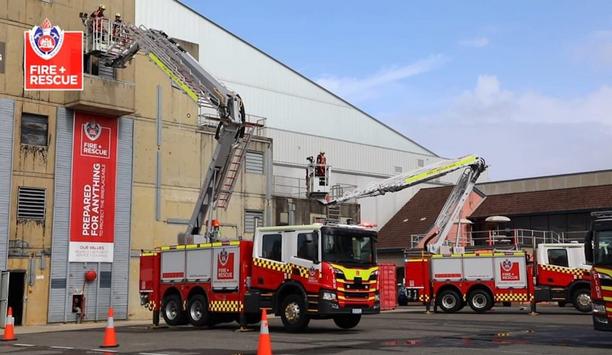
Fire and Rescue NSW (FRNSW) is adding four high-tech, state-of-the-art aerial platform appliances to its fleet, further bolstering its emergency response capability across Sydney and the Central Coast. The ladder pumper appliances, each valued at $2.5m, feature an advanced, environmentally-friendly Compressed Air Foam System (CAFS) that uses a special mix of foam and water to fight fires, promoting water conservation in the process. The first of four new CAFS Aerial Platforms (CAPs) coming on-line has been assigned to the Huntingwood Fire Station after recent familiarization sessions at FRNSW’s Alexandria Training facility. Additional aerial platforms Additional aerial platforms are earmarked for fire stations at Miranda, Hornsby and the Central Coast, adding an additional layer of protection for those areas. CAPs are already stationed at Mayfield West in Newcastle and Revesby and St Andrews in Sydney. The vehicles have three tanks, holding 1650 liters of water and 250 liters of foam in total, and has the capacity to pump at 6000 liters a minute, making it the most powerful pump on any Fire and Rescue appliance, allowing FRNSW to extinguish fires faster. Fight blazes at various heights The platform’s ladder and enclosed cage can extend 24 meters in height, have a lateral reach of 11 meters The platform’s ladder and enclosed cage can extend 24 meters in height, have a lateral reach of 11 meters, and can lower three meters below the appliance, allowing firefighters to fight blazes or carry out rescues at various heights and rise over factory roofs to get to the seats of fires. Based in Sydney’s west, the appliance is ready to respond to emergencies involving high-rise buildings, large commercial premises or industrial complexes as required. FRNSW is investing $38m in a 15-vehicle aerial fleet that includes four large, 45m ‘Bronto’ ladder platforms already protecting Wollongong, Newcastle, Crows Nest, and Parramatta. High-rise fire risks FRNSW Commissioner Paul Baxter said the new aerial appliances offer communities greater peace of mind. “Growing populations mean our homes and businesses are reaching skyward, and it’s essential that our fleet is equipped for high-rise fire risks,” Commissioner Baxter said. “We have also invested in some of the most advanced firefighting technology available on the market. We’re strategically placing our aerial units where they’ll be needed most in the years to come.” “These aerial platforms have high volume pumping capacity, can extend higher, and feature remote control technology allowing safer operation for our people in emergency environments. The enhanced FRNSW fleet helps us continue to be ‘Prepared for Anything’.”

With 73% of consumers who believe brands must act now for the good of society and reduce their impact on the planet, and 54% of consumers say they filter their choice of hotels according to the presence or absence of certification, having hotels commit to certify their management system on sustainability has become even more critical. SOCOTEC Certification International has developed standards for the Hospitality sector in order to accompany this sector towards more social, business ethics, environmental, and energy compliance, in line with the consumers’ expectations and the sector’s requirements. Sustainability standards For Xavier Daniel, the managing director of SOCOTEC Certification International, “By being granted the recognition status by the GSTC, we have proven that our standards are fully aligned with the high level of quality that the market is expecting and the sector deserves.” “Our Sustainability standards are embedding the SDGs requirements (United Nations Sustainable Development Goals) that we adapted to the Hospitality sector.” “Our long history in providing sector-driven standards is making a difference, even more because CSR requirements and compliance have to be fully adapted to high expectations, especially in that sector, and consumers need to build trust towards the hotels they choose. “ “Travelers have developed high consciousness on their carbon footprint, and action plans to become more resilient need to be adapted to the sector." Onsite audits SOCOTEC managed onsite audits in almost 90 hotels in France, Germany, Italy, and Spain SOCOTEC managed onsite audits in almost 90 hotels in France, Germany, Italy, and Spain, verifying 125 items in 5 categories (Sustainable Management System, Governance, Social, Culture, and Environment). From strategy to operations, nothing has been left apart from preserving biodiversity, ecosystems, and landscapes, to promoting local employment and staff engagement, and to working for the development of local culture and heritage. A full-time task force has been committed at B&B HOTELS to analyze current status and gaps, and more than 70,000 stakeholders have been involved alongside the process (clients, employees, suppliers, landlords, managers) in 4 countries for more than 120 days. Sustainability Certification of the Hospitality sector SOCOTEC has now certified for 3 years the B&B HOTELS (477 hotels, 4 national departments and the Headquarters) with the first and unique Sustainability Certification of the Hospitality sector. The ceremony shows the 2 CEOs of B&B HOTELS and of the SOCOTEC Group confident that this very important step will provide new opportunities, as this certification is now paving the way for future sustainable business in this sector, since these certification standards are available for the Hospitality sector. Trusted third-party For Hervé Montjotin, CEO of the SOCOTEC Group: “SOCOTEC is an independent trusted third-party that specializes in the construction, real estate, and infrastructure sectors. We accompany all environmental and energy transitions towards more resilient and green awareness and practices.” “With our global footprint and 5,500 engineers, we are leading these transitions across an even more demanding context and regulations, and high expectations from all consumers. We are on the solution side, helping our 200,000 clients around the world to benefit from our expertise and experience.”

SOCOTEC Group, a global pioneer in testing, inspection, and certification (TIC) in the construction and infrastructure sectors, has been providing services in Germany for 15 years. The first acquisition was Canzler in 2008, a specialist in consulting, engineering, and management of complex real estate projects, followed in 2017 by ZPP Ingenieure, technical experts in Infrastructure and energy projects, and by Schollenberger Kampfmittelbergung in 2018, a pioneer in EOD (Explosive Ordnance Detection) services. SOCOTEC’s strong strategic ambition The takeover of 4 companies since the beginning of the year, after 5 acquisitions between 2020 and 2022, confirms SOCOTEC’s strong strategic ambition to consolidate the German Engineering, Testing, Inspection, and Certification market in construction and infrastructure. For Hervé Montjotin, CEO of the SOCOTEC Group: “Germany is a key market for SOCOTEC as it offers high technical expertise. Adding-up new workforce and expanding our skillset in the country is part of our ambition to become a national leader.” “We help to solution the major challenges raised by the energy turnaround plan and the need to develop greener and more sustainable buildings and infrastructures.” Consolidation of the geographical footprint SOCOTEC Germany gathers 1,000 experts and posted a €132M turnover in 2022 in the field of civil engineering, architecture, project management, technical inspections, building performance, and EOD services. Its ambition is to keep pace in growing and providing bundled solutions to its clients. The 4 acquisitions consolidate the geographical footprint and bring additional expertise: Marx Ingenieure im Bauwesen, based in Inden near Aachen, joins the Infrastructure vertical. It delivers high-quality engineering services in the infrastructure field (15 people), Architekten Höhlich & Schmotz (30 people), situated in Burgdof near Hanover, is an architecture firm and becomes part of the Building and Real Estate vertical, doubling its overall architectural capacities nationwide, Erdmann+Brandmann Beratende Ingenieure (10 people), the Düsseldorf-based company, provides experience in structural design and testing and will strengthen the Infrastructure branch as well. Stredich Beratende Ingenieure (10 people), located in Bochum, is a major specialist in consulting, planning and construction supervision of technical equipment dedicated to transportation infrastructures such as tunnels or bridges. Clear vision For Ludger Speier, CEO of SOCOTEC Germany: “Every outstanding success needs a clear vision. When we launched the SOCOTEC Germany country platform, we established a shared vision for our entrepreneurial development.” “Since then, our goal has been to promote the growth and reputation of SOCOTEC. A goal we have successfully achieved so far. We have strategically expanded and consolidated our service portfolio. We will continue on this course in the future.” “We build on the expertise and experience of our employees to jointly develop value-creating services. Together we are shaping the future, shaping change, and creating sustainable success."
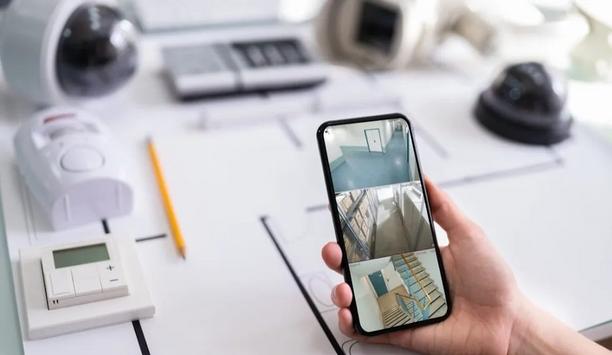
It’s true that one of the main reasons one would get an intruder alarm system fitted for their business is to prevent break-ins. But these days, professionally installed intruder alarms offer much more than just that. From employee safety to satisfying the insurance and having eyes on the business at all times, the benefits of a modern commercial intruder alarm system make them a crucial security investment for businesses of all sizes. This article goes over what intruder alarms are, why they’re worth having, and why choosing a professional contractor like Midland Fire to install is always the best option. Key Benefits of Commercial Intruder Alarms Preventing unauthorised access and theft Commercial intruder alarms offer a visible deterrent for break-ins, as well as an audible alert to help stop wrongdoers in their tracks. Staff protection Intruder alarms don’t just protect the property and assets – they help keep the employees safe too. Panic buttons are an emergency protection option for lone workers, late shifts or vulnerable teams. Vandalism & damage prevention Visible alarms and signage can discourage vandalism, unwanted graffiti or even fly-tipping on or near the property. Insurance compliance Some insurers now ask commercial properties to have certified alarm systems in place, and alarms may also reduce premiums or speed up claims. Operational oversight Intruder alarm systems can detect unusual access patterns or attempts at unauthorized entry after hours. They offer around the clock security as well as total peace of mind. Commercial Intruder Alarms Let’s go back a step. How do these systems actually work? Put simply, an intruder alarm system is an electronic security system designed to detect and deter unauthorized entry, and basically consists of sensors which trigger alarms and notify a centralized monitoring center. Installation typically includes: An initial site assessment The choice of a hard-wired, wireless, or hybrid system, depending on the property Selection of sensors and detectors, including: Door and window contact devices Movement sensors Infrared and microwave beams Vibration and impact sensors Panic buttons Connection to a 24/7 monitoring center App setup and user training Ongoing maintenance and system health checks Monitoring for Complete Peace of Mind One of the key selling points of an intruder alarm system is that it can be linked to 24-hour monitoring centers (or Alarm Receiving Centers), which are manned by experienced security professionals, ready to react with the utmost priority if the alarms are activated. Depending on the situation, the alarm system will notify either keyholders, security guards or the emergency services of any potential incidents. This response mechanism ensures that the business remains secure at all times, reducing potential losses or damage. Choosing Professional Intruder Alarm Installation So, why should one choose a professional contractor like Midland Fire to design and install the commercial intruder alarm system? In short – it’s the best option if they are after an effective and reliable system. Expert engineers will assess the business property and design a bespoke system that maximizes coverage and minimizes the risk of false alarms, all working to suit the specific needs. An accredited installer will help users make the right choices for their premises, industry and budget. They should only work with certified, high-quality equipment, and they’ll have the capability to integrate the intruder alarm system with other security and safety systems within the business. Plus, a professional contractor will offer maintenance and system health checks in the future, keeping the system tip-top for years to come. Expert Intruder Alarm Installation from Midland Fire Midland Fire is an electrical contractor specializing in installing state-of-the-art commercial intruder alarm systems designed to meet the highest security standards. They provide a free consultation, in which the experienced engineers will assess the site and advise users on the best solution for their business. The team will then go on to design and install the intruder alarm system, providing users with ongoing maintenance and support once the system is in place. They also offer fire risk assessments and a range of life safety services, making sure the user’s company is the safest it can possibly be at all times.

Expert Commentary

Building safety has always been an ever-evolving landscape of legislation and regulatory frameworks. The industry strives for stronger construction safety practice and in doing so, the need for reliable, transparent and accessible product information is clear - especially when fire door safety compliance is on the line. It was in response to the Grenfell Tower fire and Dame Judith Hackitt’s review that the Building Safety Act 2022 was passed, which has since looked to introduce a number of ground-breaking reforms to improve fire safety standards and facilitate greater accountability across the board. Fire and structural safety information A key component of the regulation has been the need for duty holders to retain fire and structural safety information A key component of the regulation has been the requirement for duty holders to retain fire and structural safety information, making it necessary to manage an accessible digital record of decisions and updates throughout a building’s lifecycle. This "Golden Thread of Information," as it’s known, has placed a renewed focus on the presentation and management of construction product information and ensures the right people have the right information at the right time. Driving standards and saving lives From a single source, building owners, developers, regulators, and residents are given a greater understanding of the materials and assets used during the construction process, as a way of driving standards and saving lives. With emphasis shifting from product performance claims to verified, traceable assurances, there has never been a better time to assure peace of mind when it comes to fire door safety. Fire door confidence The Building Safety Act recognizes the importance of fire safety systems and mandates that the Golden Thread of Information must include comprehensive data on all fire detection and prevention systems in high-risk buildings, including fire doors. As a vital element of passive fire protection, fire doors and their hardware are often the first line of defense As a vital element of passive fire protection, fire doors and their hardware are often the first line of defence against fire and smoke, and as such are a legal requirement in all non-domestic properties and houses in multiple occupation. To operate as intended, fire doors will call on their various hardware components, including hinges, latches, seals, door closers and opening mechanisms, meaning they are only as effective as the weakest link in their assembly. Maintenance of fire door hardware is key As such, the correct specification, installation, and maintenance of fire door hardware is considered crucial if a building is to meet both its functional and safety standards. With that, decision makers must be confident they can identify the necessary hardware for their building, and in doing so, must also ensure components are fit for purpose and comply with UK Construction Products Regulations. UKCA and CE certifications To assist duty holders in meeting these expectations, conscious manufacturers have stepped up, and as part of the Golden Thread regulatory framework are providing more detailed information in the form of product datasheets, installation guides, and training portals. From a compliance standpoint, decision makers can instantly check a product’s associated Declaration of Performance (DOPs) to show hardware conforms to the correct testing standards and UKCA and CE certifications, as well as Environmental Product Declarations (EPDs) when looking to conform to the latest environmental benchmarks. With this information, those involved in product selection can assure their installed fire door hardware will perform when it is called upon. Transparent product information Transparent product information is also useful when it comes to maintenance periods Transparent product information is also useful when it comes to maintenance periods and conforming to Approved Document B, with amendments made as recently as March 2025 focusing on Regulation 38, which states that “the person carrying out the work shall give fire safety information to the responsible person no later than the date of the completion of the work, or the date of occupation”. By providing this material, manufacturers are offering improved traceability on products and their performance, empowering duty holders to comply with legal obligations and keeping occupants safe in the process. Transparency equals opportunity Data is a critical resource in decision making and with several schemes evolving such as the Golden Thread and the Code for Construction Product Information, a real strategy is forming. Where information is accessible and no longer ambiguous, the industry is fostering a proactive culture of collaboration, further transitioning from reactive compliance-driven tasks to a more effective method for tackling fire door safety and building design as a whole. Latest standards and hardware options Outside of duty holders being able to demonstrate compliance by showing how they are managing risks throughout their buildings, there is perhaps a greater opportunity presented with clear communication among stakeholders. Outside of duty holders being able to reveal compliance by showing how they are managing risks Where it’s imperative for industry professionals to remain informed on the latest standards and hardware options, a collaborative approach can lead to better and more informed design choices that continue to deliver post-project delivery and improve fire safety outcomes. Furthermore, with information readily available, there is an opportunity for early identification of potential hazards and vulnerabilities. For existing projects, decision makers can check what hardware product has been used and where, deciding if it has been suitable and further reducing the use of ineffective options and avoiding costly retrofits when the time has come to repair or replace products. Fire door safety products From an operational perspective, when reliable product information can be accessed and assessed instantaneously, duty holders are able to streamline their decisions-assuring any changes or issues with fire door safety products are rectified quickly and actioned efficiently. The Golden Thread is setting the standard and protecting all stakeholders in the process With this holistic approach to information sharing, building and fire safety management becomes a shared duty. The Golden Thread is setting the standard and protecting all stakeholders in the process - helping to build trust in an area it is most needed. The use of traceable and transparent product information means the approach to fire door safety and building management is changing and the industry is urged to continue building upon this culture while navigating the latest standards. Traceability is no longer a burden of best practice-it’s an industry expectation and equally, a golden opportunity that must not be missed. How Allegion UK Can Help Allegion UK is committed to supporting transparency and traceability in construction and has a wealth of product information resources to help professionals undertake product selection, installation, and maintenance checks on fire doors and hardware. For information on product selection and installation, please speak to experts or head to the download center for technical fitting instructions and product certifications. Allegion UK also proactively participates in the EPD program, with full EPD documentation available for download on Briton products, based on ISO 14025 and EN 15804 environmental declarations, from the Allegion and Briton websites.
Nearly a decade has passed since the devastating Grenfell Fire, and still the UK construction industry finds itself grappling with the imperative of ensuring fire safety standards in residential buildings. A key issue is the gathering, administration and distribution of up-to-the-minute, whole-life building data; vital information, for safeguarding residents during emergencies. Despite the urgent need, information voids and data deserts continue to plague the built environment. Notably in older properties. These lapses enable the presence of ongoing hazards, endangering occupants, also potentially jeopardizing the careers of anyone involved in the design, construction, and management of the affected buildings. Integrity of building information There has been substantial progress achieved to enhance the integrity of building information In recent years, there has been substantial progress achieved to enhance the integrity of building information. However, the pursuit of Dame Judith Hackitt’s ‘Golden Thread’ remains a marathon, not a sprint. The phrase ‘room for improvement’ seems apt, as a safety-first ethos has yet to filter through to every level of the industry. In fact, the industry needs to get a move on, as the government has made ambitious housebuilding plans the cornerstone for economic growth. Any data deficiencies in new or refurbished projects will be seen as critical setbacks as occupancy must be delayed until all building information is collected. This underlines the urgent need for agreeing standardized, industry-wide data protocols. Enter the indispensable Regulation 38 Introduced under the Building Safety Act 2022, Regulation 38 serves as a critical mechanism to bridge fire safety information gaps at every project phase – from initial planning and design to construction, handover, operation, and maintenance. It meticulously addresses essential elements such as fire suppression systems, evacuation routes, and construction materials. Crucially, it guarantees vital fire safety data is accessible to those responsible for building safety throughout its lifespan. This is more than mere form filling, it’s a vital backstop ensuring critical fire safety information is available for final inspection, before a building’s suitability for occupancy is determined. However, the take-up of Regulation 38 processes is not as widespread as it should be. Despite its significance, many contractors and subcontractors struggle to grasp its importance or incorporate it into their daily operations. Implementation challenges The difficulty in getting developers, contractors and builders to conform to fire safety documentation ideals The difficulty in getting developers, contractors, and builders to conform to fire safety documentation standards essentially boils down to inadequate, inconsistent, and outdated data management processes. Despite the abundance of best practice guidelines, project teams continue to wrestle with disorganized and incomplete records; even these are often scattered and isolated. The continued reliance on paper-based and offline documents further complicates things. You’ve also got to factor in the sheer volume of data that today’s project teams must handle. The data generated from Building Information Modeling (BIM) alone is staggering, leading to potential overload, increased human error, and diminished accuracy. Digital systems and data management processes Outdated technological infrastructures add another layer of complexity, particularly for SMEs lacking the resources to update their digital systems and data management processes. Incompatibility between legacy and contemporary software breeds inefficiencies and increases the likelihood of errors. These interlinked issues inevitably lead to compliance failures, resulting in costly delays and potential financial, legal, and reputational repercussions. However, the good news is that a readily accessible, mainstream solution already exists to ensure seamless compliance with Regulation 38 and beyond. Embracing digital data solutions Fire safety compliance can now be streamlined, with digital solutions applied across the entire building lifecycle In the last decade, digital information management tools have undergone a remarkable evolution. Modern platforms have revolutionized the identification, collection, storage, recovery, and sharing of critical fire safety information. Better still, these digital tools standardize processes through set templates and workflows, enabling instant communication and seamless integration with existing systems. These tools are potential game-changers. Fire safety compliance can now be streamlined, with digital solutions applied across the entire building lifecycle. For instance, contractors can now capture and organize data in real-time during construction, using mobile devices to photograph work, document it, and store it in a centralized cloud-based bank. This once-cumbersome process is now much more user-friendly, and accessible to individuals with varying levels of IT proficiency. As AI and Augmented Reality technologies progress, their likely future integration into these platforms holds the potential to further empower project teams in achieving Regulation 38 compliance with ease. Driving change Turnkey, software-as-a-service (SaaS) solutions, such as PlanRadar, are at the forefront of delivering affordable, regulatory-compliant solutions. What this means, is that now even smaller businesses can access comprehensive solutions without undue financial strain. The impact of all this should stimulate a genuine cultural shift in the construction sector. The objective is to transform industry perceptions of Regulation 38, from a burdensome compliance task to a straightforward safeguard for protecting building occupants. This requires real commitment to sticking to the regulations. The tools are there to help industry comply with the process. It’s now time to pick them up and put them to work.

The 2022 Building Safety Act, instituted in direct response to the Grenfell Tower tragedy in London, UK, has outlined a raft of new responsibilities that building owners and managers must adhere to, in line with many of the deficiencies identified post-2017. With the UK’s building stock notoriously aging, many of us live and work in buildings that were built under outdated regulations and have not been updated for decades in some cases. As such there is an enormous amount of remedial safety work to be done that covers essential fire protection features such as fire doors, alarms, sprinklers, and cladding materials. High-rise buildings Despite £5bn being allocated by the government to replace dangerous cladding, progress is slow, and it has been estimated that the amount needed to fully address the issue is closer to £50bn. In London, more than £1bn has been spent, and 700 buildings over 18m in height have applied for government support. However, almost half of those buildings currently in that process have not seen any remedial work begin. This means in the capital alone there are more than a thousand high-rise buildings that are currently in need of urgent work. The need for retrofitting is particularly notable in high-rise buildings where fire spread can be rapid, and evacuation can be challenging. Across the country, there are over 11,000 high-risk buildings over 18 meters tall. In total, there could be two decades worth of remediation work. Building regulations Perfectly illustrates the delays people are facing when making their home or place of work safe from fire We had a stark, while thankfully non-tragic, reminder in August, that showed the danger of leaving these buildings in their current state when an apartment block in Dagenham caught fire. In this particular case, an external wall survey, commissioned four years before the fire, found that the block did not fully meet building regulations at the time of construction. Despite permission being granted in May 2023 and work being scheduled for June 2023, it was still ongoing almost 9 months after the target end date of December 2023. This perfectly illustrates the delays people are facing when making their home or place of work safe from fire. Traditional fire stopping The option that is often left to building owners is to completely remove the façade and install traditional fire stopping and, in many cases, requires residents to be relocated, requires large amounts of time, is severely disruptive, and carries a large price tag. This is why I have been vocal in my support of remedial work that doesn’t carry the enormous burden and cost of completely removing a facade to complete the work. By inserting a protective sock filled with an acrylic-based fire-resistant sealant, the fire can be contained within a small section of the cavity for longer, significantly reducing the speed at which fire and smoke can spread, and I’m a huge proponent of it. Fire-resistant performance The system is devised to reinstate the fire-resistant routine of rigid and flexible wall and floor structures The system is designed to reinstate the fire-resistant performance of rigid and flexible wall and floor constructions where a retrospective cavity barrier is required. I think it’s the best solution for a huge number of cases where remedial work is required. It can be installed in residential, commercial, industrial and public buildings and the work can be carried out in-situ. Without the need to remove the whole building façade, projects can take weeks rather than months and cut out significant costs. When we look at why delays are happening, and the number of buildings where action is yet to be taken, it’s obvious that these are key stumbling blocks. Recent fire in Dagenham We’ve gained experience up and down the country, from London to Manchester, working in fire safety and have identified a number of areas which we hope that we can further improve on. Early reports from the recent fire in Dagenham suggest that the fire alarms sounded too late or were not activated at all. The cause of this has not been formerly identified, however, I envisage, and we are actively developing an ‘early warning system’, that could be installed within any wall, floor or ceiling cavity. The system could then be linked to a current fire alarm system, and/or App on your mobile phone. Expertise in sensor technology Fire can spread quickly before penetrating rooms where it would activate conventional fire alarms The benefit of this system, which would leverage our existing expertise in sensor technology, would be the ability to detect fire and smoke where conventional systems wouldn’t be able to. Where a fire is outside of the core of the building, our system would sit within cavities where fire can spread quickly before penetrating rooms where it would activate conventional fire alarms. In the event of a fire, response time is crucial. This would enable occupants to be able to leave the building or call Fire Brigade at an earlier opportunity, giving vital and potentially lifesaving time. Fire safety retrofitting The failure to address these issues could lead to further loss of life, economic costs, and legal liabilities. Fire safety retrofitting is not just about compliance but ensuring the long-term safety of residents and building occupants, particularly in densely populated areas where the risk of fire can have devastating consequences. We can make this happen far more quickly and ensure far more effective action is taken if we begin to think more imaginatively about the, giving people crucial time to act when disaster hits.
Editor's Dispatch
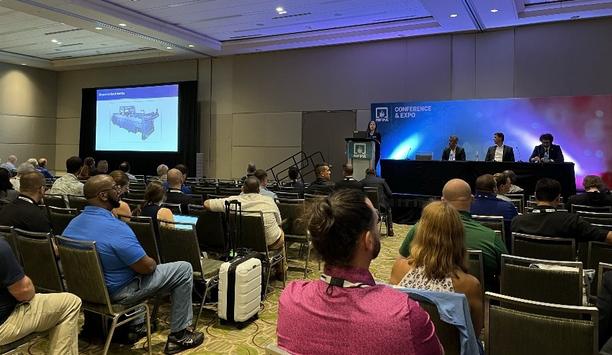
Thousands of industry professionals gathered at the 2024 NFPA Conference and Expo in Orlando in June. The event brought together educational sessions, networking opportunities, and an exhibitor showcase. NFPA is the National Fire Protection Association. The NFPA annual meeting allowed members and the public to discuss and vote on proposed changes to fire codes and standards. “It’s a gathering place for people in the industry,” says Dr. Rodger Reiswig, Vice President of Industry Relations at Johnson Controls. “You can walk around the floor and observe the trends, see what people are talking about, and view industry trends through a clear set of eyes.” New Foundation Series As vice president of industry relations, Reiswig acts as Johnson Controls’ liaison with the NFPA, works with NFPA technology committees, and serves on the Standards Council that oversees more than 300 NFPA codes and standards documents. Foundation Series is a complete family of fire alarm control units and peripheral devices At the NFPA Conference and Expo in Orlando, Johnson Controls provided “spotlight” seminars at their exhibit booth and highlighted products and services including interactive tools, inspections, remote services, restaurant systems, and the new Foundation Series Fire Safety Solution for the protection of small to mid-size buildings. The Foundation Series is a complete family of fire alarm control units and peripheral devices. NFPA’s codes and standards In addition, Reiswig attended seminars and Standards Council sessions. Technical sessions covered codes and standards that are currently “in cycle” (i.e., in the process of being updated). In a technical session on the last day of NFPA, anyone could attend to suggest changes and garner support from others on various changes. Consensus is a core principle of NFPA’s codes and standards. “This is a chance for everyone to participate, whether your interest is in roofing materials, how buildings are built, or life safety systems,” Reiswig adds. “Codes tell us when to do something, but standards tell us how to do it. If the occupancy standard says put in a fire alarm, the NFPA standard tells you how to do that.” Anyone at any level in any role or discipline can participate. new NFPA 915 Standard Fire alarm and life safety have yet lagged industry sectors when it comes to remote connectivity “Technology is changing rapidly, and the type of construction is different than 20 or 30 years ago. Use of new tools and materials in buildings is changing how much time I have to escape smoke or fire,” Reiswig says. “New construction materials allow fires to happen quickly, spread faster, and give off toxic chemicals. Tighter buildings ensure energy efficiency, but they allow less ventilation, so carbon monoxide can accumulate faster.” A common theme at the show was remote connectivity, highlighting the new NFPA 915 Standard for Remote Inspections, which guides new technologies to enable remote access and testing of life safety systems. Fire alarm and life safety have previously lagged other industry sectors when it comes to remote connectivity, but the new NFPA 915 standard opens new possibilities, and vendors at the show were promoting remote capabilities and inspections. develop safeguards and capabilities NFPA 915 Standard sets need for performing remote inspections safely and effectively The NFPA 915 Standard establishes requirements for performing remote inspections safely and effectively. It addresses various types of remote inspections. The standard also defines the responsibilities of various parties involved in a remote inspection, such as the inspector, property owner, and authority having jurisdiction (AHJ). The standard covers data collection procedures, data security, and data ownership. Overall, the standard helps to ensure that remote inspections can be conducted in a way that meets safety requirements. In effect, NFPA 915 gives the green light to manufacturers and Underwriters Laboratories (UL) to develop safeguards and capabilities to log into life safety systems remotely. The approach can help to simplify inspections, which can be performed remotely or with only one technician required on-site rather than two. Requirements include how systems communicate, the cybersecurity and credentials required, and the prevention of outside connections. Beyond fire alarms, the standard also allows other remote inspections, such as using a drone in a large warehouse to inspect sprinkler heads. Real-time information and instructions Inspectors are not allowed into buildings such as nursing homes and clinics to check their safety systems NFPA 915 was being considered before the COVID pandemic, but the business shutdowns and social distancing requirements during the worst of the pandemic increased awareness of the needs and benefits of remote inspections. During COVID, inspectors were not allowed into buildings such as nursing homes and hospitals to inspect their life safety systems. Remote access and inspections became critical, thus raising awareness of the feasibility of remote inspections that continue to drive their adoption. Another area of interest in NFPA was mass notification systems, which have matured a lot since they were introduced into the NFPA code in 2007. It’s easier than ever to provide real-time information and instructions to people in an area. Connectivity among fire alarm systems inside buildings, digital signage, and other life safety systems are promoting better notification. Area of refuge systems A new area of discussion and product development is “area of refuge” systems that complement Americans with Disabilities (ADA) requirements in buildings. In a high-rise building, for example, if the elevators are disabled, it may be impossible for a person using a wheelchair to evacuate. Instead, there are designated “areas of refuge,” which are rated to provide two hours of protection from fire. New notification systems can communicate with first responders about occupants in these areas. The NFPA conference increasingly incorporates a global presence, encouraging more collaboration among entities, countries, and associations about needs around the world. Manufacturers can work together through various associations including the Automatic Fire Alarm Association, Euralarm in Europe, and others. “Life safety is worldwide, and fires may be the same or different in various areas,” says Reiswig. “We need to remember that standards are not just for the United States because people are active from other countries.”

Fire departments responded to an estimated average of 32,160 home fires involving electrical distribution and lighting equipment each year in 2015–2019, according to the National Fire Protection Association (NFPA). Electrical fires cause scores of civilian deaths and hundreds of civilian injuries, as well as millions of dollars in property damage. Some of the electrical components that present fire hazards in the home include faulty electrical outlets and switches, worn or damaged components, overloaded circuits, damaged or frayed cords, and misused extension cords and power strips. Improper use of light fixtures can also be a danger, and space heaters can be a fire hazard, if they are placed too close to flammable materials or left unattended. Loose plugs can lead to overheating Plugging too many devices into a single outlet or using wing cords instead of proper wiring can overload a circuit As outlets and switches age, the wiring behind them can loosen and break, causing sparks and fire. Loose plugs can also overheat and ignite surrounding materials. Plugging too many appliances into a single outlet or using extension cords instead of proper wiring can overload a circuit, thus causing overheating and fires. Damaged or frayed cords can cause sparks and ignite nearby flammable materials. Cords that are kinked, pinched, or have exposed wires should be avoided and replaced immediately. Minimizing the Risk of Electrical Fires Here are some steps a homeowner can take to minimize the risk of fire from electrical systems: Upgrade the electrical system, especially if the home is older. If the electrical system has not been updated in a while, a qualified electrician can advise if it needs modernization. This could involve upgrading to breakers with better safety features such as Arc-Fault Circuit Interrupter (AFCI) and Ground Fault Circuit Interrupter (GFCI) technology. Schedule an electrical safety inspection. Having a qualified electrician periodically inspect a home's electrical system can identify potential problems before they escalate into fire hazards. Keep flammable materials away from electrical components, including curtains, furniture, and piles of paper. Sparks and overheating can easily ignite nearby flammables. Special Risks to Firefighters Firefighters face a unique set of electrical risks due to the nature of the situations they respond to. Here are some of the biggest electrical dangers that firefighters encounter: Live wires. Firefighters navigate burning buildings with compromised electrical systems. Exposed, downed, or malfunctioning wires pose a serious electrocution threat. Water can conduct electricity, so firefighters need to be especially careful when directing water streams near electrical sources. Hidden dangers. Fires can cause extensive damage, obscuring electrical hazards like damaged outlets, hidden energized wires, or electrical panels that may be malfunctioning. Firefighters need to be aware that not all electrical dangers are readily apparent. Using the wrong tools. Firefighters should know which type of extinguisher to use (like dry chemical powder or CO2) to smother the flames without risk of shock. High voltage situations. In some fire scenarios, like downed power lines or transformer fires, high-voltage electricity is a significant risk. Firefighters may need to call for utility companies to shut off power before fully engaging in firefighting efforts. Limited visibility. Smoke and darkness can significantly reduce visibility, making it even harder to spot electrical hazards during a fire. Firefighters rely on proper training and specialized equipment to navigate these situations safely. Improper grounding. Damaged or faulty grounding systems can create a situation where metal objects become electrified. Firefighters should be aware of this risk and take precautions. Electrical arcing. Electrical arcing is the creation of sparks or flashes of light when electricity jumps a gap between conductors. This can ignite nearby flammable materials and pose a risk to firefighters. Lack of ventilation. Electrical fires often produce toxic fumes. Firefighters should know how to properly ventilate the area to clear smoke and protect occupants from breathing in harmful substances. Addressing Multiple Threats Electrical fires present a double threat – fire and electrical shock. Firefighters must be trained and equipped to safely deal with both hazards. They should know how to shut off power to the affected area, minimizing the risk of electrocution for themselves and any occupants.

Information systems drive greater situational awareness when emergency responders are rushing to the scene, including access to live-911 audio feeds, video of the unfolding emergency, and/or geographic information showing the locations of fire hydrants and the best travel route to ensure the most rapid response. Information tools to manage emergency response include the locations of teams, vehicles, and personnel available in three dimensions, including locations in a multi-story building. Panasonic’s technology “First responders are thinking about getting to the scene and planning their disaster response,” says Aidan Clifford, Panasonic’s National Sales Manager. Vital information on the scene of an emergency includes video feeds, coordination with other services in the city or county, and communication with various responding agencies. Providing hardware to manage information during emergency response, Panasonic works to understand “the voice of the customer.” The company’s TOUGHBOOK ruggedized laptop computers serve the needs of fire and emergency response entities. A new Fire Advisory Council, currently being assembled, will help to guide Panasonic’s technology direction, and increase their understanding of the practical information needs of firefighters and other emergency responders. Panasonic survey Panasonic survey, 55% of respondents said access to real-time data is a top priority for their agency “The goal is to provide more information to end users more quickly,” says Marcus Claycomb, Panasonic’s Business Development Manager for the Public Sector. “Better information can save response time and enable first responders to adjust the type of response in real-time.” For example, streaming video can provide details of an unfolding emergency to firefighters as they are driving to the call. In a Panasonic survey, 55% of respondents said access to real-time information is a top priority for their agency. Useful information includes who is on the scene and where they are in real-time. Smart devices can track locations and vitals. Information goes in two directions. The ongoing deployment of 5G communications and devices will ensure information moves even faster and is more actionable. Live-911 capability Also in the Panasonic survey, 62% of respondents said computer-aided dispatch (CAD) and geographic information system (GIS) data are mission-critical. GIS data can include “layers” of information imposed on a map to show the fastest route to an incident and the locations of fire hydrants and/or accessible video cameras. Some 85% in the survey said the most important pieces of information are the location of teams, vehicles, hydrants, and/or personnel. Location and communication with drone assets are also a requirement. Live-911 capability can enable first responders to hear the dispatcher speaking with a caller in real-time. “A dispatcher can push the 911 call through the TOUGHBOOK laptop to responders on route to a call,” says Clifford. “It is an emerging technology that integrates with computer-aided dispatch (CAD) systems.” privacy of HIPAA data Device encryption and multi-factor authentication to secure the information, even ensuring the privacy of HIPAA data during an emergency medical call. Panasonic understands that fire and emergency departments need real-time information Broadly speaking, Panasonic understands that fire and emergency departments need real-time information provided by rugged devices that can withstand the daily rigors of firefighting. In the survey, 85% of respondents said rugged computer devices are important, as opposed to using consumer devices in the harsh environment of firefighters and EMS personnel. (Conducted in April 2023, the Panasonic Connect survey generated 117 responses from individuals in the fire rescue industry.) Total cost of ownership While first responders understand the importance of using ruggedized devices, purchasing decisions are not always made by those on the front lines. Sometimes it is someone else at the city or county level who decides to buy consumer-grade hardware, especially tablets, in lieu of a ruggedized laptop. Multiple problems can result, such as “battery swelling” and fire hazards if a battery overheats because of the high internal temperatures in a vehicle. Consumer devices are not designed to operate in temperatures above 100°F. Cost is the main reason to opt for less expensive consumer-grade equipment, but the lower cost is an illusion. The math is very different if one considers the total cost of ownership (TCO), including any downtime resulting from a battery charge not lasting the entire shift, for example. Panasonic's TOUGHBOOK laptops First responders should work to ensure their voices are heard as purchasing decisions are made Ruggedized equipment is more resistant to being dropped. Panasonic's TOUGHBOOK laptops meet the MIL-STD-810H specification and ingress protection (IP) standards, IP65 and IP66, which test for ruggedness and resistance to solids and liquids. Additional features include enhanced connectivity and embedded antenna, non-breakable components, and all-day batteries. First responders should work to ensure their voices are heard as purchasing decisions are made. They should have a conversation with command-level employees and throughout the fire service to ensure equipment purchasing reflects the real needs on the front lines, says Claycomb. What's Ahead? What’s ahead for information technology on the front lines of firefighting? “There is an incredible opportunity ahead to integrate the TOUGHBOOK with fire vehicles,” says Marcus. He adds, “And the potential of using 5G will be limited only by our own creativity. Looking ahead, we can expect more artificial intelligence (AI), augmented reality (AR), and an incredible amount of data.”
Case studies

To ensure compliance with fire safety regulations and a future-proofed construction that would provide comfortable and luxurious accommodation for residents for decades to come, the team behind a new 31-storey residential tower on Skinner Street in Leeds sought Keyfix’s market-pioneering and trusted Non-combustible Cavity Tray (NCCT) system. The project, overseen by main contractor, Keady Construction, primary architect Leach Rhodes Walker, and brickwork contractor Brickstone Construction, involved the extensive design and construction of a unique curved brick structure that would feature 399 apartments and generous amenity space. Use in major residential developments Having worked with Keyfix previously, Brickstone Construction was acutely aware of the company’s ability to design and manufacture non-combustible systems suitable for use in major residential developments, meet tight deadlines and provide any necessary support and guidance throughout the project. Consequently, Keyfix was tasked with providing its NCCTs, which exceeds minimum standards while also supporting the project’s highly original design ambitions. Challenging brickwork design Indeed, with the building featuring a challenging brickwork design that incorporated significant curvature, Keyfix was required to devise a way of allowing the contractors to install the NCCTs around the curve. Consequently, bespoke tray designs were implemented on the NCCTs to allow them to follow the shape of the curve. To ensure robust and trusted passive fire protection without requiring sealants, tapes, or mastics, Keyfix supplied 5,441m of NCCT, including 981 Pre-Formed Corners, 13,750 Stainless Steel Weeps and 1365 reveal returns ensuring continuous cavity drainage and fire-safe performance across the façade. Keyfix’s classified Class A1 Non-combustible Grade With the client keen to future-proof the building and meet ever-tightening quality and safety standards, Keyfix’s classified Class A1 Non-combustible Grade 304 austenitic stainless steel cavity trays provided the ideal solution. In addition to offering rigid self-support, and preventing the risk of thermal bridging, these NCCTs are designed to exceed the lifespan of any building. Integrated façade solution Alongside providing quick response times to any technical guidance or queries, Keyfix’s technical team also regularly undertook site visits to check on the project’s progress, attended design team meetings and carried out toolbox talks and CPD webinars. By meeting all demanding performance and aesthetic requirements, while maintaining quality across the project and streamlining installation, Keyfix delivered a fully integrated façade solution.

Cornerstone Group partners with Hochiki Europe to deliver a reliable and future-proof fire detection solution to replace Waking Watch schemes across three luxury apartment blocks in Gravesend, North Kent. When a Waking Watch system at three residential blocks in Gravesend needed replacing, Cornerstone Group partnered with Hochiki Europe to deliver a reliable and future-proof fire detection solution. The project involved the installation of a fully open protocol system using ESP, Latitude and Wireless Ekho technologies. Updated fire safety standards Waking Watch was originally installed as a temporary safety measure after fire risk issues were identified in many high-rise buildings across the UK following the Grenfell Tower disaster. While it provides manual monitoring of buildings for fire, it is costly, inconsistent and heavily reliant on human response. These limitations make it unsuitable as a long-term solution. To eliminate the need for costly manual monitoring and meet updated fire safety standards, a fully compliant and flexible fire detection system was required. EN54‑compliant control panels The open protocol setup allowed integration with other building safety systems Cornerstone Group installed a Hochiki system combining Latitude fire alarm control panels, ESP hard‑wired addressable fire detection devices and Ekho hybrid wireless devices. The open protocol setup allowed integration with other building safety systems and provided flexibility for future expansion. Hard‑wired detectors were fitted in common corridors, with Latitude EN54‑compliant control panels managing the system. Ekho hybrid wireless units were installed in the entrance hallway of each apartment, where cabling would have been disruptive or impractical. Latitude’s compatibility with both ESP and Ekho made it well-suited for this multi-storey residential environment. It allowed seamless control of hard‑wired and wireless devices through a single panel per building, reducing the need for invasive installation work and supporting clear event reporting for the building management team. Replacement of the Waking Watch system There were some challenges the team faced during installation. Access into the individual flats proved difficult, with scheduled appointments with residents often having to be rearranged. However, by maintaining clear communication and working flexibly around residents’ availability, the team was able to complete the installation with minimal disruption and ensure every flat was properly protected. “We chose Hochiki because their product reliability is proven and the support in sales was very responsive. If we ever needed it, technical help was always first class and helped keep the project on schedule.” The successful replacement of the Waking Watch system has not only reduced long-term costs but also delivered consistent and high‑performance fire detection throughout all three buildings, helping to keep residents safe.

Fire and Rescue NSW crews are striking the right chord with festivalgoers at the Tamworth Country Music Festival, ensuring fire safety takes centre stage at the iconic event, which attracts around 70,000 visitors each year. As part of a larger fire safety campaign running throughout the festival, FRNSW is conducting a blitz on smoke alarms in caravans, motorhomes and annexes. Firefighters are checking and replacing alarms to ensure all campers have working smoke alarms. Encouragingly, fewer smoke alarms are needing to be replaced this year, with around 10 alarms installed or replaced each day, compared to 35-40 in previous years. Proactive Safety Measures FRNSW crews will remain on-site for the duration of the festival, continuing their safety efforts This highlights that the fire safety message is resonating with the community. Beyond the smoke alarm blitz, firefighters are proactively managing the increased risks posed by the large number of campers during the festival. Their efforts include delivering fire safety education around cooking practices, checking BBQ hoses and connections and ensuring that hydrants in the area are always accessible. FRNSW has been working closely with Tamworth Regional Council to incorporate fire safety information into the festival’s booking process, ensuring attendees are informed about safety measures well before their arrival. FRNSW crews will remain on-site for the duration of the festival, continuing their safety efforts to ensure a successful and safe event for all attendees. Fire Safety Advocacy Quotes attributable to Superintendent Tom Cooper, Zone Commander Region North 3: “It’s great to see so many caravan owners embracing fire safety and ensuring their smoke alarms are working. This simple step can save lives and prevent tragedies.” “We’re proud to work closely with Council and the community to ensure the festival remains safe for everyone. The collaboration and proactive steps by festivalgoers show how effective fire safety education can be.”
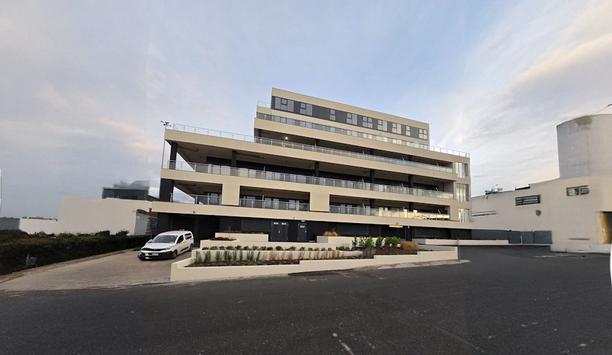
Lucent Square, a new residential development in Leeds, has been equipped with Advanced’s EvacGo evacuation alert system to enhance resident safety and ensure compliance with the BS 8629 Code of Practice. Covering 54 apartments across six floors, the system features a standalone EvacGo panel located at the main entrance and provides fire and rescue services with a reliable method of alerting residents in an emergency. Installation of evacuation alert system Installation of an evacuation alert system was a key requirement to ensure the highest levels of safety As part of the fire strategy for the development, the installation of an evacuation alert system was a key requirement to ensure the highest levels of safety. S&R Electrical Contracting Services Ltd, responsible for the full installation, selected Advanced’s EvacGo system due to its compliance with BS 8629 and its reputation for reliability. This is the first time the team has installed EvacGo, and, following the completion of this project, they now highly recommended it based on their experience. Fire and rescue service As with all EvacGo systems, the panel at Lucent Square is housed inside a secure STS 205-certified enclosure with a BS EN 1303-compliant lock and key mechanism, ensuring that only the fire and rescue service can access the controls. This minimises the risk of tampering while guaranteeing that evacuation procedures can be implemented efficiently when needed. Steve Greenwood, Director at S&R Electrical Contracting Services Ltd, said: “This was our first installation of an EvacGo system, and we were very impressed with its ease of use and straightforward setup. Advanced’s reputation in the industry gave us full confidence in specifying their system for this project, and it has proven to be a great choice.” Key safety measures for residential buildings The installation of EvacGo at Lucent Square reflects the growing commitment to ensuring resident safety Shaun Scott, Emergency Evacuation Systems Application Engineer at Advanced, said: “We are pleased that our EvacGo system has been chosen for Lucent Square, providing an essential layer of safety for its residents." "Evacuation alert systems are becoming increasingly recognised as a key safety measure for residential buildings, and it’s encouraging to see developers prioritising solutions that adhere to best practice.” EvacGo regulatory requirements The installation of EvacGo at Lucent Square reflects the growing commitment to ensuring resident safety in high-rise buildings. With evacuation alert systems now mandatory for new residential buildings over 18 metres in England and Scotland, developers and installers are increasingly turning to trusted, compliant solutions such as EvacGo to meet regulatory requirements and provide peace of mind to residents and building managers alike. Advanced evacuation alert systems BS 8629 guidance states that the evacuation alert control system should be installed All Advanced evacuation alert systems are custom manufactured to reflect each individual building’s evacuation zones and have been developed to provide a bespoke solution that allows the fire services to control evacuation floor by floor according to the severity and location of the fire. BS 8629 guidance states that the evacuation alert control system should be installed where a ‘stay put’ policy is in force, so that it can be used to facilitate a timely and ordered evacuation for all residents. Fire safety for the occupants of high-rise residential buildings By making it easier and safer for firefighters to inform residents of a change in evacuation strategy during an incident, evacuation alert systems are helping to transform fire safety for the occupants of high-rise residential buildings across Britain. A dvanced holds regular CPDs on BS 8629 to help improve understanding of the Code of Practice and how/where it should be applied.
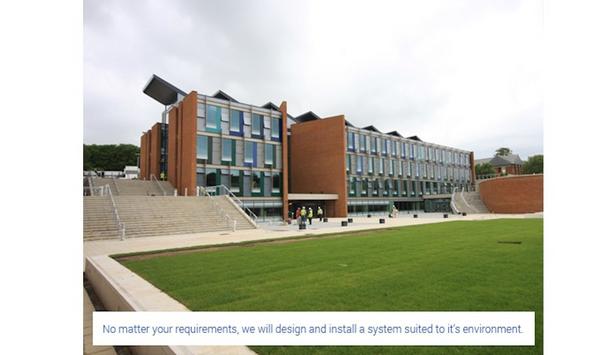
The new Academic Building at the University of Sussex has been a great addition to the university. The job of securing the building fell to AM Security’s team, and they were more than happy to take on the project. With a high-end security design consisting of a 100 circuit Honeywell intruder alarm system, 50 Bosch IP video cameras with Genetec Security Center Software, plus a Salto access control system, the installation team had a large project on their hands. With a deadline to meet, it was key for everyone to work efficiently without missing the keen eye for detail they pride themselved on. With this assured, the £100k project was delivered on budget and on time. Strength of the installation team During the coming months after opening, the new Academic building will be occupied by the School of Business, Management and Economics. This particular project tested the strength of the installation team, but AM Security prevailed while maintaining the high standard of detail they take pride in. They have worked with the University of Sussex on various projects prior to this and hope to maintain a close relationship with them for many years to come.

A mobile children’s heart hospital, built in El Salvador, was recently equipped with an Advanced wireless fire safety system, ensuring top protection for children undergoing heart surgery, their doctors, and staff. Run by Kinderherzen, the mission of the hospital is to ensure that children born with serious heart conditions receive the treatment they need to go on and enjoy healthy lives. Kinderherzen operates in Germany and mobilizes doctors to provide critical care for young patients in areas of the world with limited medical services. fire safety system Working alongside fellow Halma company - Crowcon, Advanced was approached to devise a reliable fire safety system that would be easy to install, uninstall, and reinstall as the mobile hospital moved between locations across Europe. For speed and ease of setup, Advanced’s innovative solution was to create a bespoke, wireless fire alarm system. At the center of the installation is an Axis EN single-loop panel paired with a translator and 19 devices including point detectors, sounder-beacon bases, and call points covering various rooms within the hospital. installation process The installation process was incredibly efficient due to the use of special mounting plates for the control panel The system was pre-programmed at Advanced’s headquarters in Newcastle upon Tyne (UK) and shipped to El Salvador, ready for immediate fitting to minimize on-site setup time. Despite logistical challenges, the installation process was incredibly efficient due to the use of special mounting plates for the control panel, translators, detectors, and sounders, which reduced setup time to less than half an hour. mobility, performance, and safety Speaking about the project, Paul Duffy, Technical Services Manager at Advanced, said, "We are extremely proud to support Kinderherzen in their mission to provide critical medical care to children in need." He adds, "Given the temporary nature of the hospital, the fire alarm system needed to be robust but highly versatile. The reliability and ease of use of Advanced equipment make it perfect for this unusual brief, ensuring the ideal combination of mobility, performance, and safety.” Axis EN wireless installation This Axis EN wireless installation ensures Kinderherzen staff can carry out their essential work with peace of mind that their team, facilities, and patients are protected by the highest standards of fire safety. Providing powerful networking capacity, the Axis EN system supports robust networks of up to 200 panels. Networks can also be combined to create very large fire systems making the Axis EN ideal for complex, large-scale installations. wired and wireless detector Axis EN is a complete fire system solution combining high-performance, addressable panels Whether networking high-risk sites with complicated cause and effect, remotely monitoring networked sites, or integrating with building management systems, intuitive software and panel navigation make setup straightforward. Axis EN is a complete fire system solution combining high-performance, addressable panels approved to EN54 Parts 2, 4, and 13 with a comprehensive wired and wireless detector range plus extensive peripheral options. Advanced portfolio As a pioneer in the development and manufacture of intelligent fire systems, Advanced products are specified in locations around the world, from single-panel installations to large, multi-site networks. The Advanced portfolio includes complete fire detection systems, multiprotocol fire panels, extinguishing control, false alarm management, and reduction systems as well as emergency lighting. Advanced is owned by FTSE 100 company Halma PLC – a global group of life-saving technology companies with a clear purpose to grow a safer, cleaner, healthier future for everyone, every day.
Round table discussion
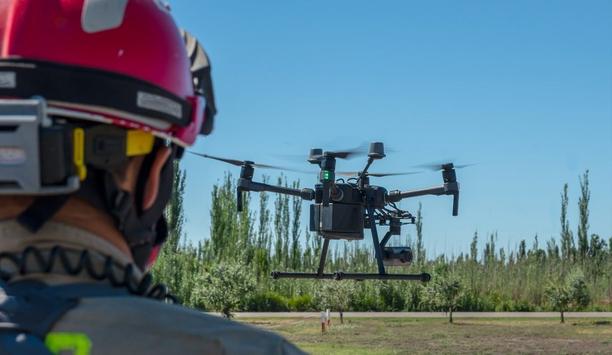
Technology has played a role in firefighting since the beginning; in fact, portable water pumps were found among the ruins of ancient Egypt. As bucket brigades gave way to electric pumps and internal combustion motors displaced horse-drawn fire engines, firefighting has benefited in terms of greater efficiency and lives saved at each point along the way. Technologies boosting the efforts of firefighters include drones, robots and other high-tech innovations. We asked our Expert Panel Roundtable: Which technologies will we see in ‘the future of firefighting'?
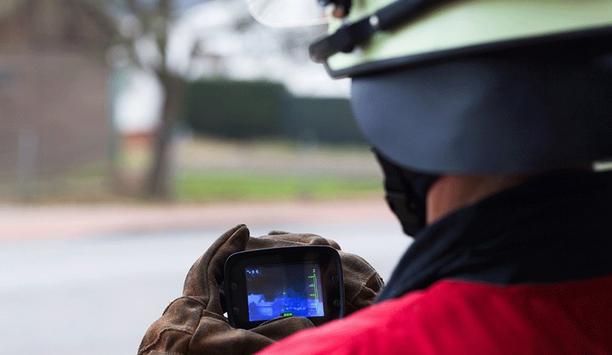
Thermal imaging is an advantageous tool for firefighters on the frontline. As thermal cameras have become more compact and affordable, their availability has expanded, along with their usefulness. We asked our Expert Panel Roundtable: How does thermal imaging serve the needs of firefighters and how is it changing?

New tools and technologies are emerging that augment the efforts of the fire market to prevent and fight fires. Modern firefighting is benefiting from an ongoing sea change in technological capabilities, spanning equipment, electronic components, greater connectivity and firefighter monitoring, to name just a few. We asked our Expert Panel Roundtable: What technologies will have the greatest impact on the fire industry in 2021?
Products








Videos


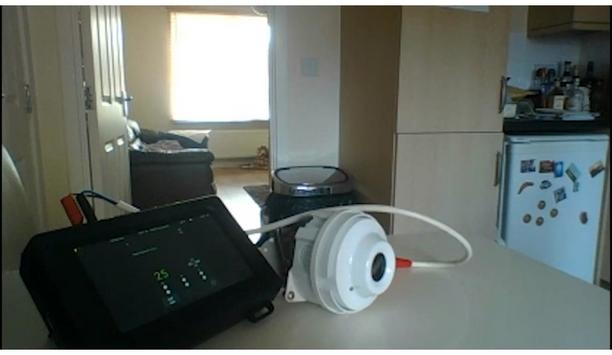

Tall Building Fire Safety: Manufacturers & Suppliers
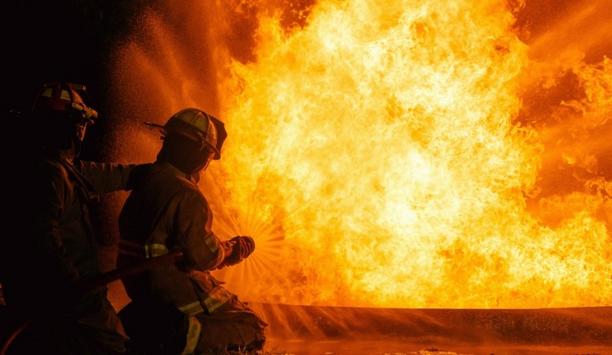
The New Future For Fire Agencies
Download
The Eight Key Trends in Fire Detection in 2023
Download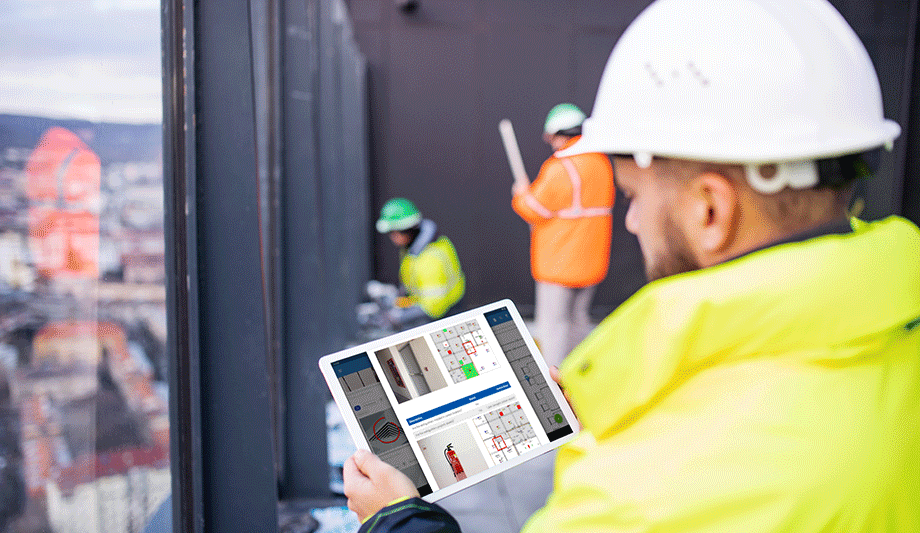
A Digital Platform to Improve Fire Safety Compliance and Inspections
Download
Overcoming the Challenges of Fire Safety in the Paper Industry
Download
Carbon Monoxide: Creeping Killer Caught In The Act
Download