Fire Protection

For a business owner in the hospitality sector, fire safety should be one of the top priorities. Fires can cause extensive damage to the property and put the customers and employees at risk. In this guide, they’ll provide tips on reducing the risk of fires in the business and what to do if a fire breaks out. They’ll also discuss some common causes of fires in the hospitality industry and the steps they can take to prevent them. So read on for all they need to know about fire safety...
When it comes to workplace safety, fire risk assessments are a critical part of the process. But for business owners who may not be familiar with them, these assessments can seem daunting. This guide is designed to provide beginners with all the information they need to understand and complete a fire risk assessment for their business. They’ll cover the basics of what a risk assessment is, what needs to be included and how to implement the findings. So whether they’re just starting...
When it comes to workplace safety, fire risk assessments are a critical part of the process. But for business owners who may not be familiar with them, these assessments can seem daunting. This guide is designed to provide beginners with all the information they need to understand and complete a fire risk assessment for their business. They’ll cover the basics of what a risk assessment is, what needs to be included and how to implement the findings. So whether they’re just starting...
As a business owner, they know that protecting their employees, customers and property is a top priority. One way to do this is by having fire extinguishers on hand in case of an emergency. But did they know that simply owning a fire extinguisher is not enough? They also need to regularly maintain fire extinguishers to ensure they work properly in the event of a fire. In this blog post, they’ll cover everything they need to know about fire extinguisher maintenance. What Is Fire Extinguis...

The Idaho Falls Fire Department (IFFD) formally marked the grand opening of Fire Station 6 now, with a ceremonial hose uncoupling at 2767 N. Spitfire St. The event signifies the completion of construction and the official opening of a new fire station on Idaho Falls’ north side, which will support emergency response in a rapidly growing area of the community. Investment in the safety and well-being “The opening of Fire Station 6 represents a critical investment in the safe...

Pierce Manufacturing Inc., an Oshkosh Corporation business, announced a new round of major facility advancements across its Appleton, Wisconsin, manufacturing operations. Building on a multi-year modernization initiative launched in 2022, and the company’s long history of focusing on innovation and reinvestment, these strategic investments are designed to expand production capacity which will enable faster delivery of high-quality fire apparatus to fire departments. Pierce’s long-t...
News

Two patent-pending rigid couplings from ASC Engineered Solutions are now available that will revolutionize fire safety piping system installations. The new SPF Anvil Fig. C9-CL and Gruvlok Fig. FP74CL rigid couplings feature brand new Sabertooth™ Installation Technology, allowing for quick and accurate visual and tactile installation verification. FM Approved and UL Listed FM Approved and UL Listed, the Fig. C9-CL and the Fig. FP74CL offer the fastest and easiest grooved fire system joint installation on the market today. A touch or quick look allows installing contractors to know instantly that the coupling is installed properly, even in dark or tight spaces, overhead or behind ductwork, and then move on with confidence. New innovative coupling design The new innovative coupling design aims to improve upon vague indicators of other designs, such as “positive offset” or “pad gap”. All it takes is for the installer to run their fingers across the indicator surfaces to know the coupling is properly tightened and ready for service. As an added benefit, the new indicator helps reduce the chances of overtightening or overstressing bolts. The all-new CenterLOK™ gasket for the Fig. C9CL and the Fig. FP74CL ensures proper alignment with the pipe end grooves to allow for clean, easy two-handed placement of the couplings on the end of the pipe. Range of innovative joining and hanging solutions The Fig. C9CL and the Fig. FP74CL ship standard in a ready-for-install state, with no loose parts and requiring no disassembly. With the introduction of the SPF Anvil Fig. C9CL and Gruvlok Fig. FP74CL Rigid Couplings, ASC Engineered Solutions is proud to add to the broad range of innovative joining and hanging solutions products to serve the fire safety installer community. The Fig. FP74CL is manufactured in the USA and satisfies domestic product requirements when needed.

Pioneer wireless fire safety solutions provider - Ramtech has established its first international base, opening a new U.S. office in Charlotte, North Carolina. The move reinforces the company’s commitment to delivering modern fire and safety across the construction industry and establishing a full U.S. supply chain. By establishing a permanent presence on the Atlantic coast, Ramtech, which is headquartered in Nottingham, will enhance efficiency, mobilization and reliable delivery of safety solutions for contractors nationwide through the provision of direct access to equipment, training and support. National service coverage James Pecz, head of North America, Middle East and Global CX at Ramtech, said: “We are proud to establish a permanent presence in the U.S., marking an important milestone in Ramtech’s global growth.” “This launch demonstrates our commitment not only to partners and clients across the U.S., but also reinforces the strength of our business model, proven in the UK, and its ability to scale internationally. Our Charlotte office brings us closer to delivering safety solutions efficiently and reliably, supported by a full U.S. supply chain and national service coverage.” Supporting major construction firms Ramtech has been operating in the U.S. for seven years, supporting major construction firms including Turner, PCL and Barton Malow, as well as the maritime defense sector. Its WES system, successfully deployed on high-profile UK projects such as the Everton FC Hill Dickinson Stadium and Thames Tideway, has also protected more than 350 workers on major international projects, including Hudson Detroit ($1B) and Gaylord Pacific Resort. The company partners with over a dozen U.S. distributors, including Space Age Electronics. State-specific partners While the majority of Ramtech’s U.S. experience and recognition has been in the North and South East regions, it is keen to expand this reach across the South and Midwest. Charlotte will be an anchor for the firm, while it looks to cover new ground with its regional and state-specific partners. James added: “As we continue to grow our presence in the U.S., this step ensures that Ramtech is not just responding to the currency of industry needs, but actively shaping the future of wireless evacuation solutions, helping protect workers and facilities at every stage of a project.” The opening was celebrated with a ribbon-cutting ceremony led by Bruna Pacios Esposito, Ramtech’s business unit director, alongside Orama managing director Giorgio Koursaris. The day involved product innovations presented by product marketing manager Jiayao Wang.

Modern firefighters are tasked with responding to fire emergencies, protecting victims and structures, and preventing the spread of dangerous fires. As departments modernize, the focus is expanding beyond upgraded apparatus bays, renovated living quarters, and digital dispatch tools. A key part of the next generation fire station is clean air. Improving fire station air quality protects firefighters’ long-term health, reduces exposure to cancer causing particulates, and even extends the life of equipment. Innovative firefighter health solutions At the center of this shift is a new standard, controlling exhaust at the source. Ward Diesel’s NO SMOKE onboard filtration system ensures a truly clean air fire station by preventing diesel exhaust from ever entering the building. Unlike traditional filtration systems, where toxins first pollute the station before being captured, NO SMOKE stops the problem before it begins, supporting the next generation of innovative firefighter health solutions. Modern fire stations are being built and upgraded to prioritize firefighter health and wellness. As awareness grows about the risks of diesel exhaust fumes, fire departments are increasingly prioritizing ventilation, airflow patterns, and systems that reduce particulate exposure. These concepts are now considered essential elements of modern fire station design. Reducing airborne contaminants The truth is, users don’t have to design a new station to achieve cleaner air. Ward Diesel’s NO SMOKE onboard filtration system enables departments to protect personnel without modifying the building at all. With NO SMOKE, dangerous exhaust never gets released into the station. This prevents diesel particulates from entering bays, drifting into gear storage, or spreading into living quarters. While many exhaust systems rely on hoses, tracks, or room-wide ventilation, Ward Diesel provides a preventive solution that removes fumes directly from the vehicle, right at the source. This vehicle mounted exhaust filtration technology supports both new and existing stations by offering a simple, high-impact way to improve firefighter air quality and reduce airborne contaminants. Safeguarding valuable equipment Cleaner fire station air provides benefits beyond improving firefighter health. Departments nationwide are modernizing not only to protect firefighters, but also to safeguard valuable equipment and reduce long-term operating costs. Diesel exhaust settles on everything, from vehicles and tools, turnout gear, food, and furniture. Over time, this residue causes corrosion, discoloration, and premature wear. In addition to creating an increased need for cleaning, these contaminants can degrade safety equipment and reduce the lifespan of expensive equipment. Exhaust capture technology By implementing onboard exhaust capture technology, fire stations prevent soot and particulate buildup at the source, resulting in: Less residue on trucks and tools Cleaner bays and equipment rooms Reduced cleaning and decontamination requirements Lower maintenance and repair costs Extended service life of both vehicles and station facilities Firefighter cancer prevention For stations seeking modernization grants or state-backed upgrade funds, exhaust control often qualifies, especially through programs focused on exhaust removal grants, environmental safety, wellness initiatives, or firefighter cancer prevention. NO SMOKE’s preventive design ensures that fire stations stay cleaner, more efficient, and sustainable, supporting both operational budgets and long-term planning. Health and safety remain the core drivers behind the push for the clean air movement in fire stations. Diesel exhaust exposure is known to increase the risk of respiratory issues, lung irritation, cardiovascular problems, and cancer. For firefighters already at an elevated cancer risk, reducing exposure is critical. Capturing diesel emissions Ward Diesel’s NO SMOKE filter system directly supports firefighter well-being by capturing diesel emissions at the source, right on the apparatus. This eliminates the need for firefighters to rely on station-based filtration or external attachments, and it prevents contamination from drifting into shared spaces. With onboard exhaust capture fire apparatus technology: Exhaust particulates never enter the bay Carcinogenic fumes do not accumulate in turnout gear Toxins cannot migrate into sleeping quarters, kitchens, or fitness rooms Crews remain protected every time the engine starts Stronger cancer-prevention standards NO SMOKE’s design is preventive, not reactive. Other filtration systems require pollutants to enter the air before attempting to clean them. NO SMOKE eliminates the risk from the start, protecting firefighters, reducing health claims, and helping departments uphold stronger cancer-prevention standards. Modernizing a fire station for the next generation does not require a full rebuild. Departments can take practical steps toward a safer, cleaner environment through a phased approach including: Assess current diesel exhaust exposure. Evaluate bays, gear storage areas, and airflow patterns to understand contamination risks. Upgrade the apparatus filtration system. Installing NO SMOKE instantly improves air quality, even before implementing broader design changes. Optimize cleaning and decontamination protocols. Cleaner surfaces reduce residue buildup. Take advantage of existing grants to help offset costs. Many departments use exhaust removal grants or firefighter cancer prevention funds to support clean air initiatives. Avoiding unnecessary exposure A modern fire station is health-focused and focused on preventive actions. With Ward Diesel’s innovative NO SMOKE technology, departments no longer need elaborate exhaust systems or specialized building designs to maintain cleaner air. NO SMOKE protects crews from the very start, preventing diesel fumes from entering the station and avoiding unnecessary exposure. The result is a clean air fire station that supports firefighter wellness, reduces maintenance costs, and prioritizes innovative steps to improve firefighter health.
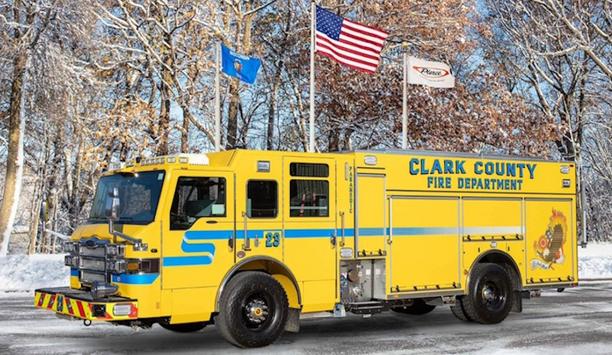
Pierce Manufacturing Inc., an Oshkosh Corporation business, announced now it has delivered its 4,000th Pierce Ultimate Configuration (PUC™) Pump. The milestone order and delivery, purchased through Pierce dealer Hughes Fire Equipment, goes into service with the Clark County Fire Department (CCFD) in Nevada. Pierce’s PUC pump, first introduced in 2007, redefined traditional fire apparatus design by eliminating the need for a pumphouse. Available on pumpers, rescue pumpers, tankers, and aerials, the PUC water pump configuration streamlines vehicle layout to maximize space for equipment and simplify operation, while maintaining exceptional pump, foam, and water delivery performance. PUC pump’s evolution “When we introduced the PUC pump, our goal was simple: listen to firefighters and design an apparatus that makes their jobs safer and more efficient,” said John Schultz, vice president and general manager – pumper products, Pierce Manufacturing. “To see it reach 4,000 deliveries nearly two decades later speaks to the trust fire departments place in Pierce and the dedication of the team members who have shaped the PUC pump’s evolution over the years.” Wildland and technical rescue operations The CCFD serves one of the largest and most diverse response areas in the nation, spanning approximately 8,000 square miles throughout unincorporated Clark County, Nevada. CCFD’s jurisdiction includes the world-famous Las Vegas Strip, McCarran International Airport, major resorts, and large-scale entertainment venues, as well as rural desert terrain and recreation areas such as Red Rock Canyon and Lake Mead National Recreation Area. With more than 1,400 personnel operating from dozens of strategically located stations, the department responds to a wide range of emergencies, from high-rise fires and hazardous materials incidents to wildland and technical rescue operations. CCFD’s need for durable, versatile apparatus capable of performing reliably across extreme conditions make the Pierce PUC Pumper an ideal configuration. Three identical Pierce Velocity® PUC Pumpers The full delivery includes three identical Pierce Velocity® PUC Pumpers featuring: Velocity custom chassis PACCAR MX-13 510 hp engine with 1,850 lb-ft torque PUC 1500 GPM pump 750-gallon water tank TAK-4® Independent Front Suspension PUC Pumper 189” body design Frontal impact protection Extreme Duty Air Conditioning Package Command Zone TM Advanced Electronics System HAAS Collision Mitigation System ClearSky Intelligence™ Connected Solutions System Enclosed pump operator’s panel configuration Each apparatus is engineered to deliver excellent maneuverability and simplified pump operations; attributes that are critical for the wide-ranging urban and rural environments Clark County firefighters encounter daily. The enclosed pump operator’s panel configuration also helps control exposure to harsh environmental elements and minimizes maintenance requirements, enhancing operational efficiency. PUC Pump delivery “Hughes Fire Equipment and the Clark County Fire Department share a long-standing relationship rooted in collaboration and mutual commitment to public safety,” said Scott Olmos, sales representative, Hughes Fire Equipment. “Reaching the 4,000th PUC Pump milestone is an achievement we’re honored to celebrate alongside a department that represents excellence in service and readiness. Our team takes pride in supporting their mission with apparatus built for reliability, safety, and innovation.” Pierce’s 4,000th PUC Pump delivery demonstrates the continued trust fire departments place in the PUC’s design to simplify operations, enhance safety, and improve performance.

Just in time for the 2025 Advent season, the INTERSCHUTZ ticket shop opens. Anyone wishing to give INTERSCHUTZ tickets as a St. Nicholas or Christmas gift can now find them on the INTERSCHUTZ website starting now, December 1, 2025. Day tickets and season tickets are available at the website. A day pass costs EUR 29.00 online and EUR 34.00 at the box office. An all-days-pass costs EUR 59.00 online and EUR 69.00 at the box office and is valid for all INTERSCHUTZ event days (June 1 to 6, 2026). Online and box office price Reduced rates are available for schoolchildren, trainees, students aged 18 and over, seniors aged 65 and over, holders of a disability ID, individuals performing federal voluntary or military service, those completing a voluntary social or ecological year, unemployed individuals, and recipients of social assistance. With valid proof of eligibility, the online and box office price is EUR 24.00. Admission is free for children under 5. Children aged 6 and above require a valid INTERSCHUTZ ticket. Children and young people under 15 must be accompanied by a responsible adult. Please note: INTERSCHUTZ tickets do not include free public transportation in the Hanover region.

As a business owner, they are responsible for the safety of their employees and customers. One important element of safety that is often overlooked is fire-system maintenance. By neglecting this crucial step, they put themselves and others at risk. This quick guide will provide them with everything they need to know about looking after their fire system to keep their business safe. When the fire-protection systems are well-maintained, it ensures the majority of fires are preventable. That means conducting regular maintenance of those systems. It’s always a good idea to have the fire protection systems installed by a professional, but that’s only half the battle. Maintenance is critical, from both a legal perspective and the fact that a false fire alarm will disrupt the workflow of the business. Regular checks and servicing mean a more proactive approach to fire safety. Why Is Fire System Maintenance Important? Fire-system maintenance is critical for fire safety. All fire systems need to be regularly inspected and tested to ensure they are in working order. Without fire-system maintenance, fire safety risks increase. Fire systems that are not properly maintained can fail when they are needed most, leading to disastrous consequences. That’s why it is so important to have a reliable fire system maintenance plan in place. Having a plan and sticking to it ensures the fire system is always ready to do its job. If the fire system is damaged or broken, the consequences can be extremely serious. With poorly-maintained fire-protection systems, they could face the following issues. Insurance May Be Invalid The insurance may be invalidated if they do not maintain the fire systems. This is because fire insurance policies typically have a fire-system maintenance clause, which states the policy is only valid if the fire systems are properly maintained. If there is a fire at the property and the fire systems were not properly maintained, the insurance company may refuse to pay out on the policy. They may also be liable for any damage caused by the fire, as well as any injuries that occur. As a result, it is essential to ensure that the fire system is regularly serviced and maintained, and that they carry out regular fire risk assessments. Closing the Business Permanently Fire incidents can also lead to the permanent closure of the businesses. This is because fire incidents often result in the loss of business records and other important documentation. Fire incidents can also cause customers to lose confidence in a business and even tarnish brand reputation. That can lead to a decline in sales and, ultimately, the closure of the business. False Alarms One of the biggest problems when they ignore system maintenance is unnecessary callouts to the fire brigade. False alarms can be a nuisance for both the fire brigade and their neighbours. It’s estimated that there’s a false alarm to the fire services in the UK every two minutes, which costs the UK economy around £1 billion a year. More importantly, wasting the time of the fire and rescue services can cost lives. A well-maintained fire alarm system will be more effective at detecting a fire in its early stages, giving them a better chance of safely evacuating the premises. Regular fire-system maintenance is therefore essential for ensuring the safety of the premises and minimizing unnecessary callouts to the fire brigade. Fire System Testing and UK Law Fire alarm testing is a legal requirement in the UK, and there are a number of regulations that govern fire safety in businesses and other commercial premises. The Health and Safety at Work Act (1974) requires employers to take reasonable steps to ensure the safety of their employees, and the Regulatory Reform (Fire Safety) Order, 2005 imposes fire-safety obligations on landlords, owners and managers of commercial premises. One of the key requirements is to ensure that fire alarm systems are regularly tested and maintained in good working order. This not only helps to protect employees and customers but also ensures that businesses can comply with fire safety regulations. Regular fire alarm testing is an essential part of fire safety management, and businesses should put in place a suitable testing process to ensure compliance with the law. The Process of Fire System Maintenance Fire-system maintenance is vital to ensuring fire safety in any commercial or public building. The fire-system maintenance process involves several steps to ensure that all parts of the fire system are in good working condition, including: Checking that the standby batteries on smoke alarms are operational. Identifying any fire safety areas that need repair or replacement. Once all repairs have been made, a certificate of compliance is issued to prove that the fire system meets all regulatory requirements. Results of all fire-system tests must be recorded to ensure that the building meets fire-safety standards. By following these steps, fire-system maintenance will help keep people safe in the event of a fire. How Often Should Fire Alarm Systems Be Inspected? In the UK, fire alarm systems must be inspected and maintained regularly to ensure fire safety. The frequency of inspections depends on the type of fire alarm system. Some hard-wired fire alarm systems need to be inspected monthly, while wireless systems may only need to be checked every three months. During an inspection, a qualified technician will test all components of the system to ensure they are working properly. They will also check for any signs of wear and tear and ensure the system is compliant with all fire-safety regulations. By having the fire alarm system regularly inspected, they can help to ensure the safety of the business. Who Can Test Fire Systems? According to British Standard 5839, all fire alarm detectors, call points, panels, and circuits must be tested by a competent person every six months. This person must have specialist knowledge of fire alarm systems and smoke detectors to carry out the tests effectively. In addition to the regular six-monthly testing, it is also important to carry out an annual service of the fire alarm system by a qualified engineer. This will ensure that all components are in good condition and the system can operate effectively in the event of a fire. If they are responsible for fire safety in a commercial or public building, they must ensure the fire alarm system is regularly tested and serviced. Doing so can help protect people from the dangers of fire and ensure the fire alarm system is there to warn them if a fire does break out.

Expert Commentary

Building safety has always been an ever-evolving landscape of legislation and regulatory frameworks. The industry strives for stronger construction safety practice and in doing so, the need for reliable, transparent and accessible product information is clear - especially when fire door safety compliance is on the line. It was in response to the Grenfell Tower fire and Dame Judith Hackitt’s review that the Building Safety Act 2022 was passed, which has since looked to introduce a number of ground-breaking reforms to improve fire safety standards and facilitate greater accountability across the board. Fire and structural safety information A key component of the regulation has been the need for duty holders to retain fire and structural safety information A key component of the regulation has been the requirement for duty holders to retain fire and structural safety information, making it necessary to manage an accessible digital record of decisions and updates throughout a building’s lifecycle. This "Golden Thread of Information," as it’s known, has placed a renewed focus on the presentation and management of construction product information and ensures the right people have the right information at the right time. Driving standards and saving lives From a single source, building owners, developers, regulators, and residents are given a greater understanding of the materials and assets used during the construction process, as a way of driving standards and saving lives. With emphasis shifting from product performance claims to verified, traceable assurances, there has never been a better time to assure peace of mind when it comes to fire door safety. Fire door confidence The Building Safety Act recognizes the importance of fire safety systems and mandates that the Golden Thread of Information must include comprehensive data on all fire detection and prevention systems in high-risk buildings, including fire doors. As a vital element of passive fire protection, fire doors and their hardware are often the first line of defense As a vital element of passive fire protection, fire doors and their hardware are often the first line of defence against fire and smoke, and as such are a legal requirement in all non-domestic properties and houses in multiple occupation. To operate as intended, fire doors will call on their various hardware components, including hinges, latches, seals, door closers and opening mechanisms, meaning they are only as effective as the weakest link in their assembly. Maintenance of fire door hardware is key As such, the correct specification, installation, and maintenance of fire door hardware is considered crucial if a building is to meet both its functional and safety standards. With that, decision makers must be confident they can identify the necessary hardware for their building, and in doing so, must also ensure components are fit for purpose and comply with UK Construction Products Regulations. UKCA and CE certifications To assist duty holders in meeting these expectations, conscious manufacturers have stepped up, and as part of the Golden Thread regulatory framework are providing more detailed information in the form of product datasheets, installation guides, and training portals. From a compliance standpoint, decision makers can instantly check a product’s associated Declaration of Performance (DOPs) to show hardware conforms to the correct testing standards and UKCA and CE certifications, as well as Environmental Product Declarations (EPDs) when looking to conform to the latest environmental benchmarks. With this information, those involved in product selection can assure their installed fire door hardware will perform when it is called upon. Transparent product information Transparent product information is also useful when it comes to maintenance periods Transparent product information is also useful when it comes to maintenance periods and conforming to Approved Document B, with amendments made as recently as March 2025 focusing on Regulation 38, which states that “the person carrying out the work shall give fire safety information to the responsible person no later than the date of the completion of the work, or the date of occupation”. By providing this material, manufacturers are offering improved traceability on products and their performance, empowering duty holders to comply with legal obligations and keeping occupants safe in the process. Transparency equals opportunity Data is a critical resource in decision making and with several schemes evolving such as the Golden Thread and the Code for Construction Product Information, a real strategy is forming. Where information is accessible and no longer ambiguous, the industry is fostering a proactive culture of collaboration, further transitioning from reactive compliance-driven tasks to a more effective method for tackling fire door safety and building design as a whole. Latest standards and hardware options Outside of duty holders being able to demonstrate compliance by showing how they are managing risks throughout their buildings, there is perhaps a greater opportunity presented with clear communication among stakeholders. Outside of duty holders being able to reveal compliance by showing how they are managing risks Where it’s imperative for industry professionals to remain informed on the latest standards and hardware options, a collaborative approach can lead to better and more informed design choices that continue to deliver post-project delivery and improve fire safety outcomes. Furthermore, with information readily available, there is an opportunity for early identification of potential hazards and vulnerabilities. For existing projects, decision makers can check what hardware product has been used and where, deciding if it has been suitable and further reducing the use of ineffective options and avoiding costly retrofits when the time has come to repair or replace products. Fire door safety products From an operational perspective, when reliable product information can be accessed and assessed instantaneously, duty holders are able to streamline their decisions-assuring any changes or issues with fire door safety products are rectified quickly and actioned efficiently. The Golden Thread is setting the standard and protecting all stakeholders in the process With this holistic approach to information sharing, building and fire safety management becomes a shared duty. The Golden Thread is setting the standard and protecting all stakeholders in the process - helping to build trust in an area it is most needed. The use of traceable and transparent product information means the approach to fire door safety and building management is changing and the industry is urged to continue building upon this culture while navigating the latest standards. Traceability is no longer a burden of best practice-it’s an industry expectation and equally, a golden opportunity that must not be missed. How Allegion UK Can Help Allegion UK is committed to supporting transparency and traceability in construction and has a wealth of product information resources to help professionals undertake product selection, installation, and maintenance checks on fire doors and hardware. For information on product selection and installation, please speak to experts or head to the download center for technical fitting instructions and product certifications. Allegion UK also proactively participates in the EPD program, with full EPD documentation available for download on Briton products, based on ISO 14025 and EN 15804 environmental declarations, from the Allegion and Briton websites.
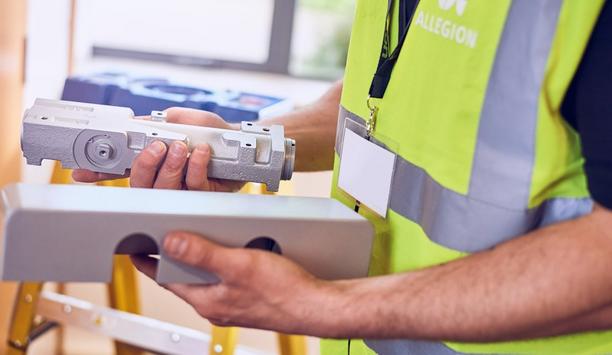
Fire doors are designed to save lives. When closed, they form a crucial barrier against smoke and fire and provide vital time for occupants to escape in an emergency situation. An open fire door on the other hand is rendered useless in the event of a fire, and for this reason, fire door closers are equally recognized for their life-saving capabilities. The relationship between fire doors and fire door closers is synergetic in fact, with both considered key elements of a building’s passive fire protection system. When a fire door must close to completion during a fire incident, it will always rely on its mechanical closing device to do so effectively. Door closers - essential operational component Door closers are an essential operational component and must be capable of closing the door leaf from any angle of opening and strong enough to overcome the resistance of any latch seal, ensuring the door is held firmly in place by its frame. Specifiers and decision makers alike must be confident in their door closer selection While all fire door closers serve this same function, decision makers are reminded that an incorrectly specified door closer can compromise the integrity of an entire fire door assembly. With different project requirements and hardware options available, specifiers and decision makers alike must be confident in their door closer selection. Where occupant safety is on the line, what should specification teams look out for? Fire door closers are key to fire door safety Kirk Smith of Allegion UK, explains: “Fire door closers are paramount to the success of fire door safety and specification should be a structured process to ensure appropriate closers are chosen at each touchpoint.” He adds, “There are various types of door closers available on the market, but whether concealed or surface-mounted, all controlled door closer models use spring hydraulics to close and engage fire doors onto their latch, allowing buildings to compartmentalize areas and provide occupants with vital escape routes. To perform this task, fire door closers call upon a number of elements including: the door closer mechanism, mounting hardware, arms and links.” Door closers tested to EN 1634, UKCA, CE standards Kirk Smith continues, “There are often a number of considerations to make when choosing between door closer products. In any instance, specifiers must first establish whether their door is a fire door or a non-fire door, for example. To ensure a closer is fit for purpose and meets fire safety compliance, all door closers installed on fire-rated doors must be tested to EN 1634 and UKCA and CE marked.” He further states, “Mechanical variants must also conform to EN 1154 and electromagnetic hold-open devices to EN 1155, which test and classify hardware over its category of use, number of test cycles, power size, fire behavior, safety and corrosion resistance. A Declaration of Performance (DoP) must also be reviewed to ensure a door closer is certified when fitted with backcheck or delayed action.” Kirk Smith adds, “From an operational viewpoint, it’s important that a chosen door closer meets the needs of a building and its users too. Buildings with high footfall will often benefit from an electromagnetic hold-open device, which keep certain fire doors open until a fire alarm is activated, in which the system will automatically release and close doors to completion.” Surface mounted closers are the most durable and common type of door closer Selecting the most appropriate door closer Kirk Smith continues, “The size of a door can sometimes be a key factor when selecting a door closer too. Unusually tall or heavy doors may often require a door closer with a higher power size, in accordance with EN 1154 - it’s key to remember that fire doors require a minimum Power Size EN 3 to conform to this standard.” He adds, “Should a specification team be unsure about the size of the door, it is often best practice to choose a door closer unit that can be adjusted during the installation stage.” Durable in application Regardless of where a fire door may be positioned, operation must always be controlled Regardless of where a fire door may be positioned, its size or how it may be used, operation must always be controlled, as this will prevent future damage to the door and its frame - which can be a crucial step towards retaining fire safety performance. Kirk Smith continues: “Surface mounted closers are the most durable and common type of door closer, with units mounted to the surface of the door or frame with a quick and simple installation process. Comparably, concealed door closers are fitted within the door leaf and frame and while providing the functionality of a surface mounted closer is hidden from view as a way of enhancing aesthetics.” Most common ways to fit a door closer Kirk Smith adds, “When reviewing the mounting requirements, it’s important to consider door closers can be installed in different ways, often depending on the application.” The four most common ways to fit a door closer are: Figure 1 door mount fixing: where the closer body is mounted on the pull face of the door Figure 61 transom mount push side: where the closer body is mounted on the transom, on the push side of the door Figure 66 parallel mount push side: where the closer body is mounted on the push side of the door Slide track fixing: where the closer with slide arm and track is door or transom mounted, on either the pull or push side of the door Door closers with adjustable backcheck Kirk Smith states, “Specifiers must also evaluate whether backcheck control is necessary. Door closers with adjustable backcheck can better control the speed of the door, slowing it down prior to making contact with a door stop or before reaching the fully open position. This function prevents or minimizes damage to the door, hardware and adjacent walls, which would otherwise be caused by the door being forcefully open or caught by a gust of wind.” He adds, “Equally, specifiers must consider whether a door closer requires delayed action. A delayed action closer offers a period of delay from when the door is opened to closed, which is usually set to be a maximum of 25 seconds (recommended for fire doors). This functionality makes delayed action closers ideal for environments that require easy passage, such as doors used by children, the elderly or wheelchair users, for example.”
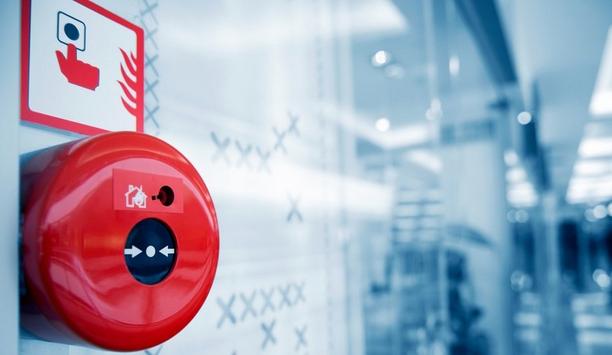
The National Fire Protection Association (NFPA) has developed over 300 codes and standards to support the rapidly changing needs of the fire and life safety industry. NFPA 72, National Fire Alarm and Signaling Code®, is perhaps one of the most wide-ranging, designed to “meet society's changing fire detection, signaling, and emergency communications demands.” Development of building solutions Updated every three years, the 2025 edition of NFPA 72 took effect on September 18, 2024 Updated every three years, the 2025 edition of NFPA 72 took effect on September 18, 2024, and contains several key updates around technology, cybersecurity, and integration to support the continued development of connected building solutions. Staying ahead of these updates will ensure your building not only meets current needs but is able to adapt for future challenges. Cybersecurity and Remote Access While the 2022 edition of NFPA 72 introduced a variety of cybersecurity updates, it did not specify how they should be achieved. In the 2025 edition, Chapter 11 addresses this and outlines requirements to protect fire alarm and signaling systems from cyber-attacks across configuration, implementation, security, and access. This is particularly of interest when it comes to continued use of remote access processes across building systems, which allow a variety of maintenance to be done partially offsite, such as programming and resetting support. This includes the installation of patch updates, for example, much like those we have on our phones and laptops. Cybersecurity guidelines Reliability is of the utmost importance, meaning a technician needs to be on-site With life safety systems, however, you can’t simply push a button to start an update and move on. Reliability is of the utmost importance, meaning a technician needs to be on-site, while another installs patch updates remotely to ensure continuity of service and troubleshoot if needed. In an increasingly hybrid world, clear cybersecurity guidelines for remote access allow service providers to take advantage of such capabilities without fear of infiltration by threat actors. Advanced Technology Enhancements The incorporation of acoustic leak detection, thermal imaging, and a new notification mode in the 2025 edition of NFPA 72 offer both new applications for existing life safety technologies and advantages for increased accessibility. While acoustic leak detection is not a new technology, its use in the fire industry is a relatively recent application. These detectors identify the sound produced by a pressurized gas release or water leak in a pipe or its threads. In some cases, they can pinpoint the exact location of the leak. Integration with fire alarm systems Introduction of acoustic leak detection in NFPA 72 provides fire professionals with an understanding The introduction of acoustic leak detection in NFPA 72 provides fire professionals with an understanding of how to install, maintain, and test detectors, supporting integration with fire alarm systems for a more integrated life safety system across facilities. Thermal imaging, in a similar manner, can detect quickly developing fire threats by identifying changes in heat range. While traditional fire detection methods remain essential, thermal imaging enhances early threat detection and can identify risks, such as the self-combustion of lithium-ion batteries, which can occur in a matter of seconds, even before conventional sensors would trigger an alarm. New notification operation mode NFPA 72 also introduces a new notification operation mode, Restricted Audible Mode Operation (RAMO), which “recognizes the need for notification options in areas where loud sounds might be detrimental to typical occupants of the notification zones.” This can include spaces such as schools or healthcare facilities occupied by people with autism spectrum disorder, neurodiverse individuals, or others sensitive to stimuli like sound and light. With the approval of the authority having jurisdiction, facility managers can reduce the level of audio from fire alarm systems to better accommodate occupants, increase facility accessibility and experiences. Streamlined System Integration Architects and engineers can now plan for expansive areas without the constraints of challenges A significant update in the 2025 edition clarifies the allowance of smoke detectors on ceilings up to 40 feet high, impacting school design, hotel lobbies and other large spaces. While a seemingly minor change, this modification enhances design flexibility and fire alarm system effectiveness. Architects and engineers can now plan for expansive areas without the constraints of computer modeling or challenges posed by structural elements like beams or ventilation systems, ultimately improving safety and efficiency. Guidelines for auxiliary service providers The addition of guidelines for auxiliary service providers (ASPs) and communications technologies is another noteworthy integration update, ensuring that fire protection signals are processed effectively and aligning safety systems with evolving technology trends. Historically, fire alarm systems have not been able to directly contact fire departments to minimize the prevalence of false alarms; instead, supervising stations have served as the middle party to vet fire alarm activations from ASPs. In the last 10-15 years, this process has become largely electronic (via text or email) as opposed to picking up the phone, and continued technological advancements have created several new methods for service providers to send fire alarm system signals to supervising stations. Introduction of guidelines for ASPs Intro of policies for ASPs has given jurisdictions the flexibility to execute new technologies This shift is largely due to a trickle-down effect from the residential technology market, where smart technology and IoT devices have become the norm, influencing technological development in the commercial realm. While some municipalities may want to take advantage of new technologies to streamline the fire response process where possible, many fire departments are still relying on older technologies and may not have the resources available to implement major tech upgrades. The introduction of guidelines for ASPs has provided jurisdictions with the flexibility to implement new, progressive technologies where viable, while protecting the ability of others to maintain their current processes for fire alarm notifications and action by emergency response agencies. Looking Ahead As fire and life safety professionals navigate rapid technological developments, staying current with the latest NFPA codes and standards remains essential to ensuring safety and maintaining seamless service across the built environment. The 2025 edition of NFPA 72 introduces important updates that reflect the evolving capabilities of modern fire alarm and signaling systems. With these advancements, facility managers have a responsibility to familiarize themselves with the new requirements to ensure their systems are not only code-compliant, but also more secure, scalable and seamlessly connected to other building technologies. While the 2025 edition has only been in effect for a short time, the next revision cycle for 2028 is already on the horizon, making now the ideal moment for industry pioneers to evaluate the standard’s implementation and identify areas for continued improvement.
Editor's Dispatch

A fire door is designed to stop fire and smoke from spreading, giving people time to escape and protecting property. It looks similar to a regular door but is built and tested as part of a complete system that includes the door leaf, frame, seals, and hardware. People often think any heavy or solid door will work as a fire door, but that is not the case. Fire doors are tested as complete systems, and every part – from the frame and hardware to the seals and glazing – must meet the tested specification. If you change a component or cut into the door without the correct approval, it may not perform properly in a fire. Fire gates or fire curtains “Fire doors are not just building components; they are part of the building’s fire strategy,” says Daniel Swannack, Chief Commercial Officer, Door Product Segment at ASSA ABLOY Opening Solutions EMEIA, adding “Their job is to hold back fire and smoke long enough for people to get out safely.” Fire doors are rated to hold back fire for a set time, such as 30, 60, or 90 minutes. In some cases, where a standard door is not practical, you might see sliding fire gates or fire curtains used to protect larger openings. Sliding doors are commonly used in car parks and industrial spaces where wide access is needed. Sliding doors are commonly used in car parks and industrial spaces. Fire curtains or sliding systems Many fire doors operate manually, but there are also hinged fire doors that can be automated Fire doors work by containing fire and smoke to one area, keeping escape routes clear for as long as possible. They do not need power or intervention – they simply have to be closed and in good condition. Features such as intumescent seals, which expand with heat, and fire-rated cores help to keep fire under control. Many fire doors operate manually, but there are also hinged fire doors that can be automated. In larger or open spaces, fire curtains or sliding systems provide the same protection by closing automatically. EI classification for integrity and insulation The type of building and how it is used make a big difference in choosing the right fire door. In hotels or offices, timber doors are often chosen for their appearance and acoustic qualities. In industrial sites, data centers or high-security areas, steel doors might be the better option. Wide openings in places like warehouses, airports, or underground car parks may need sliding fire gates or curtains instead. Local regulations also play a role: in much of Europe, fire curtains need to meet EI classification for integrity and insulation, while in the UK EW classification is often accepted, which focuses on integrity with limited heat radiation. EI-rated curtains Fire curtains are tested to EN 1634-1, and where smoke control is needed, to EN 12101-1 or EN 1634-3 Across Europe, fire doors are covered by EN 16034, with testing done under EN 1634-1 for fire resistance and EN 1634-3 for smoke control. Hardware is tested separately under EN 1634-2. In the UK, BS 476 is still recognized alongside EN standards. Fire curtains are tested to EN 1634-1, and where smoke control is needed, to EN 12101-1 or EN 1634-3. EI-rated curtains block both fire and heat transfer, while EW-rated systems, often used in the UK, focus on integrity with reduced heat radiation. Testing is always conducted on the complete system, including the door, frame, and hardware, to make sure everything performs as intended. Third-party certification “To maintain this performance, installation must follow the certified details exactly,” says Daniel Swannack, adding “If the door is not installed properly, it may not meet its fire rating even if all components are correct.” Third-party certification proves that the product has been tested, audited, and produced consistently to meet safety standards. Certification is a vital reassurance for building owners, architects, and insurers that the door will do its job in any emergency. This applies to all fire doors, whether timber or steel, and to larger solutions like fire gates and curtains. Certification also helps to smooth the approval process with building control and demonstrates compliance with legal requirements. Fire door’s effectiveness Fire doors and curtains can be linked to alarms so they automatically close when needed Smart building systems can contribute to a fire door’s effectiveness by keeping track of fire doors, showing if they are closed, blocked, or need maintenance. Fire doors and curtains can be linked to alarms so they automatically close when needed, or connected with access control to ensure compartmentation is maintained. In complex environments, such as hospitals or data centers, these systems also provide useful reporting and maintenance records, ensuring doors are always ready to perform. Automatic systems “Fire doors must be kept in good working order to be effective,” says Daniel Swannack, adding “This means checking the seals, hinges, closers and making sure they shut fully and are undamaged.” Automatic systems like fire curtains, sliding doors, and automated hinged doors need their motors and controls tested, too. Many regulations call for checks every six months in busy areas. A fire door is only as good as its maintenance, and a small fault may make a big difference in an emergency. Sustainability goals by using the Forest Stewardship Council Timber fire doors can have custom finishes, painted surfaces, or hidden hardware To maintain protection while achieving aesthetics, there is a lot of flexibility now when it comes to design. Timber fire doors can have custom finishes, painted surfaces, or hidden hardware, while steel doors may be color-matched or clad to fit the interior or exterior architecture. In hotels, residential buildings, and offices, getting the right look is often just as important as performance. “We work with architects to make sure our doors meet fire standards without compromising the overall design,” says Daniel Swannack. Fire doors can support sustainability goals Fire doors can support sustainability goals by using Forest Stewardship Council (FSC)-certified timber, low-volatile organic compound (VOC) coatings, and recyclable steel. “Many of our doors also come with Environmental Product Declarations, which provide verified data on their environmental impact,” adds Daniel Swannack. Reduce waste and replacement cycles Durability is another factor: Long-lasting products reduce waste and replacement cycles. “The challenge is to combine all that with reliable fire performance, and this is where proper testing and certification really matter,” Daniel Swannack says. Choosing the right door Whether in a school, hospital, apartment block or industrial site, choosing the right door and keeping it properly maintained is essential. “Our role is to make that process easier by combining compliance, performance and, where needed, design flexibility,” concludes Daniel Swannack.

The Dingell Act, signed into law in 2019, has far-reaching implications, including effects on fire management and emergency services. Officially named the John D. Dingell, Jr. Conservation, Management, and Recreation Act, the law impacts fire professionals and their operations and fire prevention strategies. The Dingell Act is a comprehensive public lands bill that touches on various aspects of natural resource management, conservation, and recreation. Fire mitigation efforts One of the key provisions of the act deals with wildfire management, specifically addressing how federal agencies collaborate to prevent and respond to wildfires. The act streamlines fire mitigation efforts, enhances interagency cooperation, and encourages fire prevention measures on public lands. For fire professionals, this means better coordination among federal and local fire services, access to more resources, and improved strategies to combat wildfires. How the Dingell Act Changes Fire Management The act benefits both large fire departments and smaller teams working near public lands The Dingell Act mandates that federal agencies must coordinate with local fire services to develop effective wildfire management plans. This ensures that fire professionals have a direct line to federal resources, which can drastically improve response times. Additionally, the law increases funding for fire prevention initiatives, such as clearing vegetation in high-risk areas. Fire professionals working near national parks and other public lands will find these changes beneficial, as they create more opportunities for proactive fire control. The Dingell Act strengthens fire prevention protocols by prioritizing wildfire risk mitigation in areas under federal jurisdiction. The act benefits both large fire departments and smaller teams working near public lands. Fire professionals should recognize the broad scope of the Dingell Act and understand how it enhances safety measures in their regions. Federal and Local Collaboration Interagency collaboration is one of the key components of the Dingell Act. Fire departments in areas near public lands can now work more closely with federal agencies such as the U.S. Forest Service and the Bureau of Land Management. This collaboration is not limited to wildfire response but extends to training and resource-sharing, which can empower local teams to be better prepared for large-scale fires. By building stronger partnerships, fire professionals can develop more cohesive strategies for fire mitigation and management. The Dingell Act significantly increases the resources available to fire departments, especially in high-risk areas. Through grants and federal funding, fire professionals can access better equipment, training, and personnel to tackle fire hazards. This investment in fire prevention technology, including satellite-based fire detection systems and drones, ensures that teams have the tools they need to act quickly and effectively when fires threaten communities. Environmental Considerations Dingell Act highlights the extent of balancing fire suppression with environmental protection The Dingell Act highlights the importance of balancing fire suppression with environmental preservation. Fire professionals are encouraged to integrate eco-friendly practices into their operations, such as controlled burns that reduce vegetation buildup without damaging ecosystems. Understanding the environmental impact of fire prevention measures is essential for fire professionals who manage lands rich in biodiversity. By aligning fire prevention strategies with conservation goals, professionals can contribute to both safety and sustainability. Along with the increased collaboration between federal and local agencies come more training opportunities for fire professionals than ever before. The Dingell Act opens avenues for specialized training programs that focus on wildfire management and prevention. Firefighters can take advantage of workshops, courses, and simulation-based training to improve their skills in handling large-scale fires. This professional development is especially valuable for those looking to expand their capabilities in the face of growing wildfire risks. Future Considerations Looking ahead, fire professionals should be mindful of the evolving landscape of fire prevention. The Dingell Act represents just one piece of a broader legislative push to improve fire safety in the United States. Future regulations may build on this foundation, with more emphasis on climate change, land management, and fire technology. As professionals assess their current strategies, it is important to stay informed about upcoming changes and ensure that fire prevention efforts are aligned with national standards and policies. {##Poll1728377023 - What is the most critical resource for effective wildfire management?##}

The integration of technology into the fire service has significantly enhanced operations, but it has also introduced new vulnerabilities. Cybersecurity has become a concern for fire departments, possibly impacting their ability to respond effectively to emergencies and protect communities. Potential problems emanating from cybersecurity concerns include a disruption of a community’s emergency response system. False alarms could result from malicious computer hackers manipulating fire alarm systems, thus wasting resources, and causing potential danger for firefighters. Fire Risks From A Cyber-Attack Medical devices are connected to the IoT and are therefore vulnerable to attack Communication is another vulnerability: A cyber-attack on communication systems could hinder coordination among firefighters and with other emergency services. Potential cybersecurity targets related to the fire service include 911 systems, public safety radios, computer-aided dispatch systems, mobile data computers, and phone systems. In the EMS arena, electronic patient reporting and records management systems are at risk. Medical devices are connected to the Internet of Things (IoT) and are therefore vulnerable to attack. Many firefighter tools are operated by computers, so equipment malfunction is a real possibility. The digital world continues to infiltrate almost every aspect of firefighting. Critical equipment, such as fire trucks and rescue tools could be compromised, resulting in longer response times. Vulnerability to Ransomware Attacks Ransomware is a pernicious type of cyber-attack, involving the use of malicious software (malware) that encrypts files, rendering them inaccessible. The attackers then demand a ransom payment in exchange for the decryption key to restore the data. The city of Leeds, Ala., was hit by a ransomware attack in February 2018 that locked all city computers and data, including fire and police departments. A month later, Atlanta’s municipal systems were attacked, resulting in widespread outages, and disrupting city services. Impact on Data Loss and Privacy Fire units handle sensitive data, including the personal data of citizens and crisis responders In addition to operational concerns, there are also possible cybersecurity consequences relating to data loss and privacy. Fire departments handle sensitive data, including the personal information of citizens and emergency responders. A breach could lead to identity theft and reputational damage. On a more intangible level, a cyber-attack could erode public trust in the fire department's ability to protect the community. Negative publicity from a data breach can harm the fire department's image. Phishing schemes Among the cybersecurity threats are phishing schemes, which involve scammers attempting to obtain sensitive information from individuals, usually via email, by disguising themselves as trustworthy entities. Phishing can take the form of fake emails or websites that mimic legitimate businesses like banks, online retailers, or social media platforms. They lure victims by offering enticing deals, creating a sense of urgency, or claiming there's a problem with an account. Once the user clicks on a malicious link or provides personal information, the scammers can steal login credentials, credit card numbers, or other sensitive data. Top motivators of cyber-attacks Malicious files can be delivered as email attachments, which can contain viruses, ransomware, or other malware. Clicking a link in a suspicious email can redirect the user to a malicious website that can download malware or steal personal information. One of the top motivators of cyber-attacks is to collect personally identifiable information (PII) One of the top motivators of cyber-attacks is to collect personally identifiable information (PII), which is any data that can be used to identify an individual. This information includes name, address, phone number, social security or driver's license number, medical records, credit card or bank account numbers, and biometric data, such as fingerprints or facial images. The fire service handles a lot of PII, especially in emergency situations, including incident reports, property records, or patient information related to emergency medical services (EMS). Cyber-Criminals Have a Variety of Profiles Cyber-criminals come from a range of backgrounds and motivations. Individual hackers might be motivated by financial gain, ideology, or simply by the concept of a personal challenge. Organized crime groups might be motivated by profit, power, and/or influence. Other cyber-crime perpetrators include nation-state actors, who might be pursuing espionage, sabotage, or political influence. These threats have significant financial and technical capabilities. They include advanced persistent threats (APTs) from countries like China, Russia, and North Korea. Cyber threats posed by 'hacktivists' So-called 'hacktivists' can be motivated by political or social causes to launch distributed denial of service (DDoS) attacks, website defacement and/or data leaks. There is also the possibility of cyber-terrorists seeking to cause mass disruption or to achieve political or ideological goals. They are capable of large-scale attacks on critical infrastructure. Increased cyber-risks may lead to higher insurance premiums for fire departments There is a cost component of protecting against cybersecurity threats, a critical financial implication for cash-strapped fire departments. Implementing robust cybersecurity measures requires significant financial resources. At the other extreme, responding to a cyber-attack can be expensive, including legal fees, public relations, and system recovery. Increased cyber-risks may lead to higher insurance premiums for fire departments. Mitigation Strategies at a Glance Here are some mitigation strategies fire departments should consider: Risk assessment: Identify vulnerabilities and prioritize mitigation efforts. Employee training: Educate firefighters about cybersecurity best practices. Network security: Implement strong network security measures, including firewalls and intrusion detection systems. Data protection: Regularly back up data and encrypt sensitive information. Data minimization: Collect only the personal data that is necessary, and then limit access. Incident response plan: Develop a comprehensive plan for responding to cyber-attacks. Contingency: Create a backup plan to mitigate risk and minimize loss of critical assets in the event of an attack. Compliance: Ensure adherence with relevant privacy laws such as HIPAA and GDPR. Collaboration: Work with other agencies and cybersecurity experts to share information and best practices.
Case studies

Fire protection solutions manufacturer, Advanced, has supplied intelligent fire panels to student accommodation in Kent to replace existing panels, as part of a £3.5m project to improve fire safety at Cloud Student Homes’ Canterbury Student Village sites. Cloud Student Homes provides students with comfortable, convenient accommodation, with 17 different types of rooms available at the Canterbury Student Village, which is easily accessible to three universities, Canterbury Christchurch, University of Kent and UCA, as well as Canterbury College. Existing fire alarm system With fire safety a priority, it was vital to replace the existing fire alarm system in Kentish House, Behn Hall, and Tallis Court. However, as the buildings were occupied, the challenge for the project was to keep the existing fire system working while the Advanced panels were being installed to ensure occupants were protected at all times. Advanced’s high-performance, fault-tolerant MxPro 5 analogue addressable panels were chosen to provide industry-pioneering protection to category L1 for the student accommodation suites, bedrooms, high-risk areas and plant rooms within two blocks of Kentish House, two blocks of Behn Hall, and Tallis Court. MxPro 5 4-loop fire panels Fire engineering consultants, Endeavour Group, selected fire safety specialists CSS Ltd as the contractors on the Canterbury Student Village fire alarm replacement project. CSS Ltd was responsible for the design, supply, install, and handover of the project. The company installed five MxPro 5 4-loop fire panels, which were networked and connected to the ARC for fire and rescue monitoring. All devices are Hochiki with input/output units connected to the existing AOV units throughout. The networked fire system had to integrate with the access control, lift and AOV systems. Endeavour Group reviewed the product design and functionality of the fire system package on the project to ensure it met the client’s needs. Networked MxPro 5 fire panels Both Project Director - Tony Leck of CSS Ltd and James Doyle, Director of the Endeavour Group, have worked with Advanced fire systems on similar projects and agreed that the networked MxPro 5 fire panels would be the best fit for the client. “Advanced was specified since it supports an open protocol and offers a powerful solution for the student accommodation. We also find it an easy system for customers to navigate and use. The panels are proven in the field with CSS Ltd and Endeavour Group using them for a number of years." "Advanced MxPro 5 panels are about the best on the market along with the tech support received by Advanced on installations. Pick up the phone to tech support and within minutes it is all sorted thanks to Advanced’s experienced technical support engineers,” said Tony Leck at CSS Ltd. Advanced MxPro 5 panels The Advanced MxPro 5 has a number of features that CSS Ltd finds particularly useful when it comes to installing the fire panel. These include a built-in multimeter that measures all voltages and currents across the fire system in real time, to speed up the commissioning process. Meanwhile, the MxPro 5 panels come in four and eight loop formats to suit CSS Ltd’s needs and customers’ budgets. The MxPro 5 also offers design flexibility since the panels work with pioneering detector protocols, including Apollo, Argus, Hochiki, and Nittan. In addition, the panels work with up to 254 devices per loop (depending on the protocol) and offers an overall capacity of 200,000 devices per network. CSS Ltd adds that it is easy to network up to 200 network nodes and 2,000 fire detection zones and that the panels support wired, wireless and hybrid devices making install even more flexible. Cloud Student Homes Neil Parkin, Sales Manager at Advanced, said: “Our MxPro 5 panels are designed to make life as easy as possible, delivering robust protection that offers real peace of mind, all backed up by our highly rated technical support.” Cloud Student Homes specializes in operating the running of student accommodation blocks where individuals own the individual rooms on a leasehold basis. The company manages 3,500 student bed spaces across 21 sites in the UK. Cloud Student Homes now has plans to upgrade all its sites to Advanced fire panels. FM Approvals to EN 54 Parts 2 and 4 MxPro 5 is the fire industry’s pioneering multiprotocol fire panel and is certified by FM Approvals to EN 54 Parts 2 and 4. It offers customers a choice of four detector protocols and a completely open installer network, backed up by free training and support. MxPro 5 can be used in single-loop, single-panel format, or easily configured into high-speed networks of up to 200 panels covering huge areas. Ease of installation and configuration, as well as its wide range of peripheral options, make MxPro 5 customizable to almost any application. MxPro 5’s stand-out false alarm management capabilities The MxPro 5’s stand-out false alarm management capabilities are available as standard. AlarmCalm delivers unprecedented control of verification and investigation delays. By dividing sites up into virtual false alarm ‘building areas’ independent of fire zones, much more precise control of false alarm management and reduction strategies can be achieved that exactly fit the needs of each part of a building. An optional AlarmCalm button allows trained occupants to verify if they believe a local fire signal is a false alarm too – a highly effective way of eliminating unwanted alarms. MxPro 5 BMS/graphics interface The MxPro 5 BMS/graphics interface allows BMS systems and graphical control PCs to be easily integrated with the MxPro 5 series of fire control panels and remote terminals using a simple RS232 connection. Multiple interfaces can be connected to the network catering for sites requiring control from a number of graphical PCs. As a world pioneer in the development and manufacture of intelligent fire systems, Advanced products are specified in locations around the world, from single-panel installations to large, multi-site networks. fire detection systems The Advanced portfolio includes complete fire detection systems, multiprotocol fire panels, extinguishing control, false alarm management and reduction systems as well as emergency lighting. Advanced is owned by FTSE 100 company Halma PLC – a global group of life-saving technology companies with a clear purpose to grow a safer, cleaner, healthier future for everyone, every day.

When major fire and security specialists - Cornerstone were appointed to deliver the life safety systems for the refurbishment of 77 Grosvenor Street, they faced a unique challenge. Located in the heart of London’s Mayfair district, the prestigious building features classical architecture and over 50,000 square feet of premium open-plan office space spread across six floors. The goal was to upgrade the fire protection without compromising the building’s refined aesthetics. The client, a major property management company, required a solution that was robust, reliable and unobtrusive. Working closely with the design and construction teams, Cornerstone turned to Hochiki Europe, a long-standing partner known for dependable systems that blend seamlessly into high-end environments. Latitude fire detection and alarm control system At the core of the installation is the Latitude fire detection and alarm control system. Chosen for its powerful cause and effect programming, flexible networking and modular scalability, Latitude was well suited to the demands of a multi-level heritage building. Its ability to support complex configurations made it ideal for a site where multiple zones, floors and room functions needed to be managed with precision. To deliver complete protection across the site, Cornerstone selected a combination of Hochiki's Enhanced System Protocol (ESP) addressable devices and the FIRElink aspirating detection system. The FIRElink system is adaptable to a broad range of environments and applications. ESP detectors From small, to very large areas, the system is particularly useful in protecting computer rooms or data centers, but can be designed to fit almost any environment. ESP detectors offer high performance with a minimal visual footprint, ideal for preserving the character of the restored interiors. In areas requiring an even more discreet solution, such as decorative ceilings or high airflow zones, FIRElink was installed using capillary sampling pipes hidden within the building’s structure. One of the key advantages of the Latitude platform is its ability to interface with wider building management systems (BMS). At Grosvenor Street, this opens the door to centralized monitoring and control of fire safety in conjunction with other building systems. Open integration Latitude’s open integration options mean it can share status updates and alarm events in real time with the BMS, enabling facilities teams to coordinate responses quickly and efficiently. For a high-spec office environment, this not only improves safety outcomes, but also supports smoother day-to-day operation and building performance. Patrick Anthony, Project Manager at Cornerstone, explained the decision: “We have a trusted relationship with the Hochiki team. Their systems and devices are reliable, help reduce false alarms and are designed to aesthetically fade into the background, exactly what this project needed and delivers complete peace of mind for the management team.” The site at Grosvenor Street is now protected by a fully integrated, future proof life safety system that meets modern building safety standards while maintaining the building’s elegance.

Villa San Carlo, a 13th-century estate turned spiritual retreat near Vicenza, Italy, is the latest hospitality venue to benefit from a discreet, high-performance fire detection solution from Hochiki Europe. This case study showcases how a modern fire alarm system for hotels can be implemented without compromising sensitive architectural features, making it ideal for hotel renovations and heritage buildings. To meet both aesthetic and safety requirements, fire detection installers - Ciemme Electronic srl delivered a hybrid system using Hochiki's Latitude control panel. Hardwired ESP devices were installed where cabling was feasible, while the Ekho wireless range was used throughout protected zones, ensuring a seamless blend of performance and preservation. Fire Safety in Heritage Hotels The entire complex, including restored wings, a chapel, colonnades and outbuildings, required coverage. Hochiki’s Latitude panel enabled full integration, providing advanced monitoring while maintaining the visual and structural integrity of the villa. “We were asked to respect every architectural detail, while ensuring complete fire protection,” explains Matteo Cecchin of Ciemme Electronic srl. He adds, “After a careful study of the various environments and the challenges related to system design and installation, we chose the flexibility and performance of Hochiki systems; the wireless devices were particularly important for preserving the interiors: this system represents a perfect balance between safety and heritage preservation.” Flexible Fire Safety for Hotels With the hybrid approach, engineers overcame complex installation constraints while delivering full coverage across all building types on site. The system offers reliability and ease of use for on-site staff. “Hochiki’s Latitude system, combined with ESP devices and the Ekho wireless range, gave us exactly what we needed: smooth installation, reliable performance, and the ability to maintain the character of the Villa,” Cecchin continues. Distribution Support for Hotel Fire Alarm Installations Hochiki’s long-standing distribution partner, An.Bo Technology, supported the project from start to finish, ensuring seamless deployment and system performance. “We have been working with Hochiki for a long time, and our customers appreciate the versatility and reliability of these products,” said Antonio Bozzato, Owner of An.Bo Technology, adding “The hybrid wireless system, in particular, is proving to be perfect for many applications, particularly in this case with the historical site of Villa San Carlo hotel.” Specifying Fire Detection Systems for Hotels This case study demonstrates how Hochiki’s wireless and hardwired fire alarm systems can be specified in hotel projects that demand architectural sensitivity. From boutique renovations to large-scale leisure facilities, Hochiki solutions support fire safety without visual compromise.

As part of the ambitious Liverpool Waters regeneration program, Comelit-PAC, in collaboration with Merselec Ltd and Romal Capital, has delivered an advanced, fully integrated fire safety solution for the Aquitania development at West Waterloo Place. Liverpool Waters is one of Europe’s largest regeneration projects, transforming the city’s historic docks into a vibrant mixed-use waterfront. Romal’s phase 4 Aquitania, marks a key phase in Liverpool Waters transformation, combining striking architecture with robust life safety systems for its 135 high-specification apartments and townhouses. Comelit-PAC to ensure the fire system Says CEO of Romal Capital, Greg Malouf for Aquitania: “Resident safety was our highest priority. From the initial design stage, we worked with Comelit-PAC to ensure the fire system would meet legislation alongside the expectations of a smart, stylish development." "The installed solution provides the protection we need and the flexibility to manage operations efficiently. We’re already planning to extend the works into our phase four, Mauretania.” Integration with automatic opening vents Working in partnership with specialist contractor Merselec Ltd, the bespoke system spans all escape and circulation areas and uses programmed cause-and-effect logic to coordinate fire detection, smoke extraction, and lift management. This ensures the building responds as a single, intelligent network in the event of an emergency. A standout feature is the integration with automatic opening vents (AOVs). These activate immediately during smoke control events, whilst maintaining a lockout feature for managing airflow and directing smoke away from escape routes to aid safe evacuation. The system also connects directly with lift controls to ensure safe operation and avoid use during an incident. Comelit-PAC cloud-based remote monitoring Jon Wilcock of Merselec Ltd added: “The integration requirements and performance standards made this a technically demanding project. Our close collaboration with Comelit-PAC allowed us to deliver a robust system that performs reliably in a live residential environment and could be installed to blend with its luxury surroundings.” To support day-to-day management, Comelit-PAC incorporated cloud-based remote monitoring. This gives building managers real-time status updates and instant alerts, enabling swift incident response and preventative maintenance. Remote monitoring capabilities Mandy Bowden, Fire Manager at Comelit-PAC, added: “Aquitania’s complexity required a carefully coordinated approach that blended technical performance with the building and apartments aesthetic design principles. Our partnership with Merselec Ltd delivered a tailored solution with remote monitoring capabilities, ensuring both resident safety and ease of management. We look forward to continuing our work together on phase three.” Comelit-PAC is working with Merselec on the specification phase for Romal’s next LW’s waterfront development, the Mauretania. This will deliver 129 new-build apartments in Liverpool Waters’ emerging Central Docks neighborhood, as part of the city’s West Waterloo Place development.
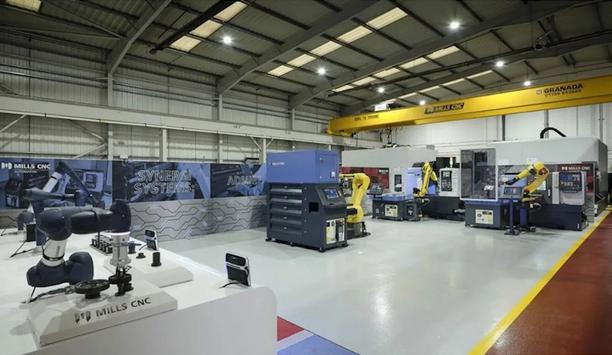
While it’s never nice hearing that a client has had to deal with a real life fire situation, it’s always good news for them when they learn that their work has made a difference and helped protect a local business. That’s how they felt when one of the clients recently got in touch to report the successful activation of a PAFSS system that they’d previously installed for them. The fire in question started in the electrical control cabinet of a CNC brick setting machine belonging to a building products manufacturer. CNC machines can pose a particularly high fire risk as they’re unattended and automatic, and tool breakage and the use of flammable coolants or lubricants doesn’t help. Protecting CNC machines PAFSS (Pneumatically Actuated Fire Suppression Systems) is the perfect solution for protecting CNC machines, as it offers speedy detection and automatic suppression of fires at the source. In this instance, without PAFSS in place, the fire could have quickly spread throughout the vast warehouse space where it was located, which could have been devastating for the business owners, and also really dangerous for the staff on duty. Let’s take a look at exactly what happened and how PAFSS stepped in to save the day. High-risk warehouse settings “PAFSS is a really effective system in high-risk warehouse settings, and every business owner with CNC machines and other electrical enclosures should make sure they have them installed." "We see time and again the damage they prevent when activated, and we’re pleased that we can do our bit to protect our clients’ businesses by fitting them,” Matt Nicholls, Midland Fire Suppression Manager. The Incident So how did it all start? Quite simply, during normal operations, an electrical short circuit occurred within the electrical control cabinet of the CNC machine, which led to the arcing and overheating of the machine’s components. This then likely caused sparking, which ignited flammable materials in the machine (like wiring insulation or plastic parts), quickly starting a fire. This is a fairly common cause of industrial fires and something that should always be protected against by fire suppression systems. Luckily, in this case, an automatic fire suppression system was in place – installed by Midland Fire. How their fire suppression system responded PAFSS is designed to kick in automatically in situations like this, self-activating to put out the fire quickly and effectively, without the need for staff intervention. Here’s a step-by-step breakdown of how it worked in this scenario: 1. Fire detection The CNC machine was fitted with a detection tubing pressurized with inert gas, routed throughout the internal compartment of the machine’s control cabinet. When the fire broke out, the heat from the flames caused a localized section of the detection tube to rupture at the point of highest temperature. 2. System activation The rupture triggered the system, depressurizing the tubing instantly, which opened a valve on the suppressant cylinder. This was done mechanically, meaning that no electrical components were needed – ideal for protecting against electrical faults like this one. 3. Fire suppression discharge The system discharged the fire suppressant agent directly onto the fire through the ruptured section of the tube. In this case, the fire was extinguished almost immediately at its source, limiting its spread and impact. Meanwhile, the system communicated with the main fire alarm system, and the alarms sounded. The outcome The benefits of using a PAFSS system to automatically suppress a fire are immeasurable. In this scenario, the client benefited from the following: Minimal damage – As the fire was detected and extinguished so quickly, it didn’t have the chance to spread and completely destroy the CNC machine and any surrounding machinery. Instead, the machine only suffered superficial damage like minor charring and melted insulation. Saving lost business time – In this case, the need for major repairs to the machinery was avoided and the factory didn’t need to evacuate or shut down. The machine was back up and running quickly so operations weren’t drastically delayed. Staff were kept safe – Most importantly, no one was hurt as a result of the fire. The self-activating nature of the fire suppression system meant that staff didn’t put themselves in danger by trying to fight the flames, and a large fire which could have led to multiple injuries was avoided. Cost savings – The costs in the fallout of a fire can be devastating, often leading to businesses not being able to bounce back. But not in this case. Potentially thousands of pounds were saved related to machine repair, production loss and potential injuries. Happy days. The benefits of PAFSS The proof is all here – PAFSS really is worth the investment. It’s an automatic system, meaning that fires are brought under control quickly without compromising on the safety of staff, saving them money in the event of an incident and helping to protect the business. Installation is easy on both new and existing equipment, and flexible tubing allows for an unlimited number of fire detection points in enclosed spaces. PAFSS systems are highly reliable, using polymer tubing that’s specially engineered and unaffected by dirt, dust or oil, keeping the equipment safe no matter what. They can monitor and control the system remotely too, meaning no nasty surprises. Automatic fire suppression systems can be installed in all kinds of places, from public transport to industrial warehouses to kitchens, so whatever business they run, there’s a PAFSS solution for them. Need a fire suppression system installation for their business Midland Fire is an authorized and registered installer of both direct and indirect Jactone PAFSS® systems. The team is experienced and specialized in the design, installation, and servicing of the systems for businesses of all sizes, across a range of industries. They provide a free consultation, in which the friendly engineers will advise them on the best solution for their business. They can then go on to design and install the PAFSS system, providing them with ongoing maintenance and support once the system is in place.

Metron Energy Applications was founded in Greece in 1997 to offer integrated fabrication and construction solutions in the Oil and Gas Industry. Ever since, the Company has grown rapidly to national and international prominence, expanding its activities to other fields, such as power, aviation, water, marine, and food industries, and is involved in projects in more than 45 countries worldwide. Formula Techniki S.A. was commissioned to install a new fire detection system at the new petroleum products storage and distribution terminal in Tema, Ghana as a sub-contractor of Metron Energy Applications. Fire detection system Hochiki’s SIL-2 detection range of smoke sensors, sounders, modules, and call points was chosen. Having worked with Hochiki Europe on previous projects, and as an expert in the manufacturing of fire detection for hazardous areas, the global pioneer was the natural choice for this project. As this was a hazardous environment, Hochiki’s SIL-2 detection range of smoke sensors, sounders, modules, and call points was chosen. This specialist fire detection range not only meets but exceeds the stringent safety standards required, making it a game-changer in the realm of fire safety. Safety Integrity Level The International Electro-Technical Commission (IEC) introduced the industry standards SIL is an acronym for Safety Integrity Level and is a system used to quantify and qualify the requirements for Safety Instrumented Systems. The International Electro-Technical Commission (IEC) introduced the industry standards to assist operators with quantifying the safety performance requirements for hazardous operations. These standards have been widely adopted in the hydrocarbon, oil, and gas industries as a means of improving the safety and availability of Safety Instrumented Systems. Expertise in challenging hazardous environments Angelos Angelikas, Formula Techniki’s project manager on the project said, “The main challenge for us was that we are based in Greece, and this project was taking place in Ghana, almost 7,000km away." "We were chosen due to our expertise in working in challenging hazardous environments such as this. We had a strict schedule to stick to, so communication between us, our client, and the team at Hochiki was vital." "The Hochiki technical team was a great help when it came to the technical installation, particularly as the fire detection system of the building we were working in needed to connect with the main fire detection of the whole complex. We would recommend Hochiki and their range of SIL products for customers operating in these industries,” concluded Angelos Angelikas.
Products


Round table discussion
Fostering fire safety is a basic principle, but one that suggests many different approaches and technologies. Best practices and greater innovation can play a role to ensure various aspects of fire safety (and health), but the first step is awareness. We asked our Expert Panel Roundtable: What is a fire safety trend that isn't widely adopted but should be?
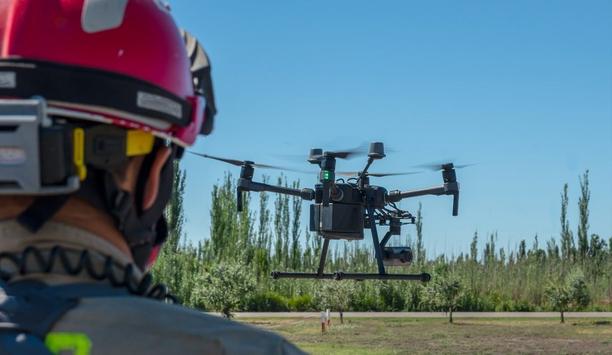
Technology has played a role in firefighting since the beginning; in fact, portable water pumps were found among the ruins of ancient Egypt. As bucket brigades gave way to electric pumps and internal combustion motors displaced horse-drawn fire engines, firefighting has benefited in terms of greater efficiency and lives saved at each point along the way. Technologies boosting the efforts of firefighters include drones, robots and other high-tech innovations. We asked our Expert Panel Roundtable: Which technologies will we see in ‘the future of firefighting'?

Thermal imaging is an advantageous tool for firefighters on the frontline. As thermal cameras have become more compact and affordable, their availability has expanded, along with their usefulness. We asked our Expert Panel Roundtable: How does thermal imaging serve the needs of firefighters and how is it changing?

Videos


Fire Protection: Manufacturers & Suppliers
- Cervinka Fire Protection
- Protective Industrial Products Fire Protection
- Fire Research Corp. Fire Protection
- Integrated Fire Protection Fire Protection
- Lacont Umwelttechnik Fire Protection
- Waterous Fire Protection
- VIKING Fire Protection
- Swati Fire Protection Fire Protection
- Bristol Uniforms Fire Protection
- Hindustan Fire Protection Fire Protection
- First Alert Fire Protection
- Britannia Fire Ltd Fire Protection
- Pozhtechnika Fire Protection
- Banqiao Fire Equipment Fire Protection
- Bermad Fire Protection Fire Protection
- Delta Fire Fire Protection
- TESIMAX Fire Protection
- HighWater Hose Fire Protection
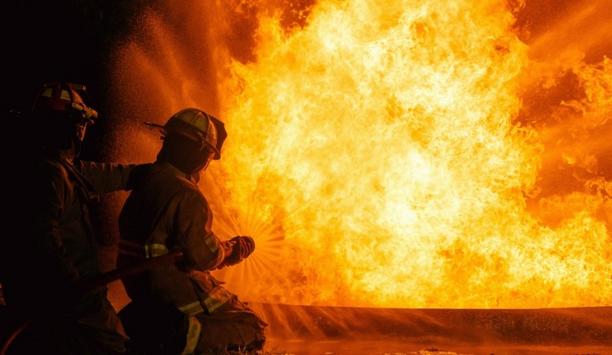
The New Future For Fire Agencies
Download
The Eight Key Trends in Fire Detection in 2023
Download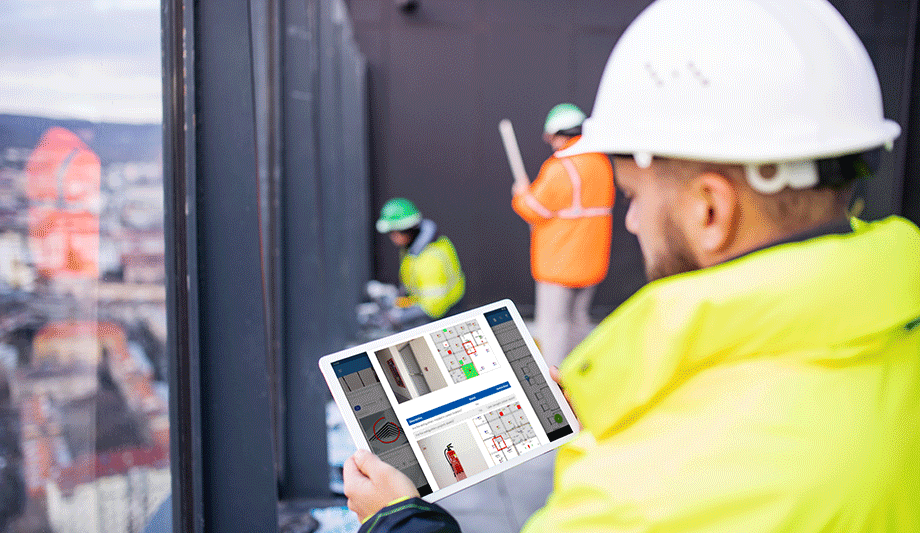
A Digital Platform to Improve Fire Safety Compliance and Inspections
Download
Overcoming the Challenges of Fire Safety in the Paper Industry
Download
Carbon Monoxide: Creeping Killer Caught In The Act
Download