Aircraft fire protection is an indispensable element of aviation safety, crucial for safeguarding passengers, crew, and ground staff.
This area of safety is governed by guidelines from the National Fire Protection Association (NFPA), known as NFPA 402, which details essential aircraft fire protection and emergency response protocols.
Overview of NFPA 402 Guidelines
NFPA 402, officially titled “Guide for Aircraft Rescue and Fire-Fighting Operations,” provides the aviation industry with a basis for crafting robust fire protection strategies. The guideline underlines the necessity of adequate training, appropriate equipment, and established procedures that enable responders to address aircraft fires both safely and efficiently.
NFPA 402: Core Goals
The core objectives outlined in NFPA 402 include:
- Enhancing Firefighter Safety: Developing procedures to protect responders during aircraft fire incidents.
- Mitigating Fire Risks: Identifying and reducing potential fire hazards during aircraft operations.
- Improving Response Times: Equipping emergency teams to act swiftly and effectively during incidents.
Application in Aircraft Hangars
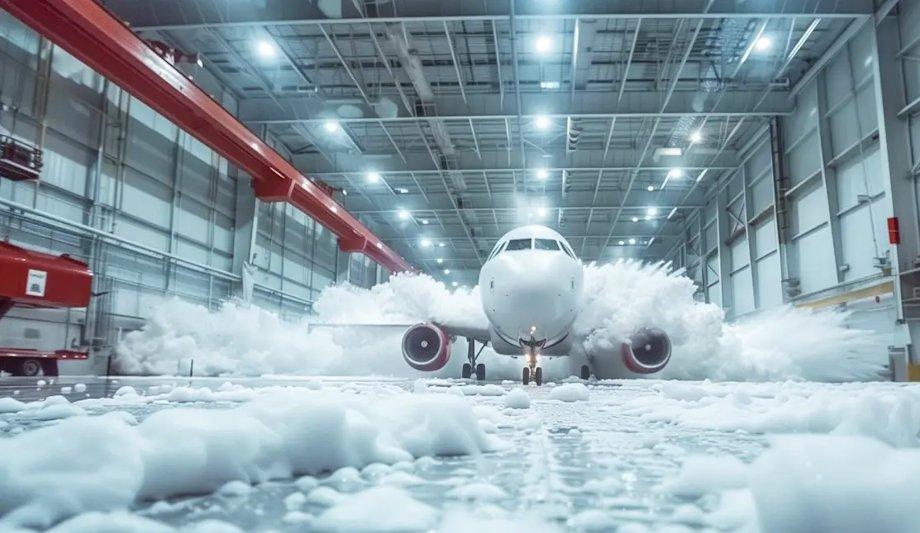
NFPA 402 extends its guidelines to aircraft hangars, offering standards that cover fire protection and emergency response for operations within these environments.
It addresses key aspects such as fire prevention, the safe storage of flammable materials, and staff training, helping hangar operators decrease fire risks and enhance safety for both aircraft and workers.
Aircraft Fire Protection Strategies
Fire Prevention Measures
Effective prevention of aircraft fires starts with comprehensive planning and proactive steps. NFPA 402 advises several fire prevention strategies, including:
- Regular Inspections: Conduct routine checks on aircraft systems to detect potential fire hazards.
- Maintenance Protocols: Implement strict maintenance schedules to ensure aircraft components function as intended.
- Employee Training: Provide continuous training for staff on fire prevention techniques and emergency procedures.
Firefighting Equipment and Resources
Equipping responders with appropriate tools is critical. NFPA 402 suggests several essential firefighting resources:
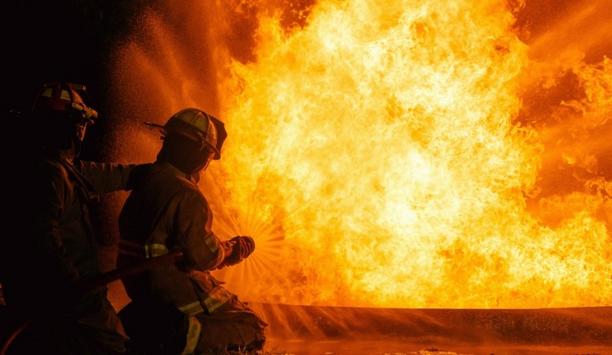
- Fire Trucks: Specialized vehicles for aircraft rescue, equipped with foam and water tanks for effective fire suppression.
- Firefighting Foam: Essential for extinguishing aviation fuel fires by forming a barrier between fuel and oxygen.
- Personal Protective Equipment (PPE): Includes helmets, suits, and breathing apparatus necessary for firefighter safety during operations.
Emergency Response Protocols
Incident Command Structure
A structured incident command system is crucial for efficient emergency responses. NFPA 402 emphasizes the importance of clear leadership and communication in crises, with key roles including:
- Incident Commander: Overall management of the incident.
- Safety Officer: Ensures the safety of all personnel by monitoring conditions.
- Operations Section Chief: Directs firefighting and rescue operations.
Response Time and Action Plans
Proficient emergency responses depend on swift action. NFPA 402 outlines response time standards based on aircraft type and size, incorporating typical action plans such as:
- Initial Assessment: Rapidly evaluating the fire's extent and potential hazards.
- Evacuation Protocols: Efficiently evacuating passengers and crew.
- Containment Strategies: Establishing measures to control and prevent fire spread.
Case Studies in Effective Fire Response
The 2013 crash of Asiana Airlines Flight 214 in San Francisco exemplifies the significance of NFPA 402
The 2013 crash of Asiana Airlines Flight 214 in San Francisco exemplifies the significance of NFPA 402.
Responders managed fire and safety challenges with coordination between fire departments and airport personnel, highlighting the value of trained responders following these guidelines.
Another example occurred with a 2006 incident at Heathrow Airport, where emergency teams effectively contained a parked aircraft fire using firefighting foam and specialized equipment. Their rapid response mirrored NFPA 402 principles, minimizing damage and ensuring safety.
Importance of Training and Certification
Ongoing Training Benefits
Continuous training is a cornerstone of effective aircraft fire protection. NFPA 402 stresses the necessity for regular training to keep emergency personnel adept in firefighting practices, equipment use, and incident management.
Certification Programs
Various certification programs exist to verify firefighter expertise in line with NFPA 402. These programs cover areas such as:
- Fire Behavior: Understanding how fires develop and spread in aircraft environments.
- Rescue Techniques: Safe methods for passenger and crew evacuation.
- Equipment Operation: Training on specialized firefighting tools and resources.
Aircraft fire protection is a critical aspect of aviation safety, ensuring the well-being of passengers, crew, and ground personnel.
The National Fire Protection Association (NFPA) has established comprehensive guidelines known as NFPA 402, which outline essential protocols for aircraft fire protection and emergency response.
NFPA 402
NFPA 402, formally titled “Guide for Aircraft Rescue and Fire-Fighting Operations,” serves as a foundational document for developing effective fire protection strategies in the aviation industry. This guideline emphasizes the importance of training, equipment, and procedures that enable responders to manage aircraft fires safely and efficiently.
Key Objectives of This NFPA Standard
The primary goals of NFPA 402 include:
- Enhancing Firefighter Safety: Establishing protocols to protect emergency responders during aircraft fire situations.
- Mitigating Fire Risks: Identifying potential fire hazards and implementing measures to minimize risks during aircraft operations.
- Improving Response Times: Ensuring that emergency response teams can act swiftly and effectively when incidents occur.
Aircraft Hangers
Absolutely, NFPA 402 can apply to aircraft hangars. This guideline provides essential standards for fire protection and emergency response specific to aircraft operations, including those conducted in hangars.
It covers crucial aspects such as fire prevention measures, safe storage of flammable materials, and training for personnel. By following NFPA 402, hangar operators can significantly reduce fire risks and ensure a safer environment for both aircraft and staff.
Aircraft Fire Protection Measures
Fire Prevention Strategies
Preventing aircraft fires begins with thorough planning and proactive measures. NFPA 402 outlines several strategies for fire prevention, including:
- Regular Inspections: Conducting routine checks of aircraft systems to identify potential fire hazards.
- Maintenance Protocols: Implementing strict maintenance schedules to ensure all aircraft components function correctly.
- Employee Training: Providing ongoing training for staff on fire prevention techniques and emergency response.
Firefighting Equipment and Resources
Equipping emergency responders with the right tools is vital. NFPA 402 recommends the following firefighting resources:
- Fire Trucks: Specialized vehicles designed for aircraft rescue, equipped with foam and water tanks for effective fire suppression.
- Firefighting Foam: A critical resource that aids in extinguishing aviation fuel fires by creating a barrier between the fuel and oxygen.
- Personal Protective Equipment (PPE): Firefighters must wear appropriate gear, including helmets, suits, and breathing apparatus, to ensure their safety during operations.
Emergency Response Protocols
Incident Command Structure
A well-defined incident command structure is essential for effective emergency response. NFPA 402 emphasizes the importance of clear leadership and communication during a crisis. Key roles include:
- Incident Commander: Responsible for overall management of the incident.
- Safety Officer: Monitors conditions and ensures the safety of all personnel on-site.
- Operations Section Chief: Manages firefighting and rescue operations directly.
Response Time and Action Plans
The effectiveness of an emergency response hinges on quick action. NFPA 402 sets forth standards for response times based on the type and size of the aircraft involved. Typical action plans include:
- Initial Assessment: Quickly evaluating the situation to determine the extent of the fire and potential hazards.
- Evacuation Protocols: Implementing procedures to evacuate passengers and crew efficiently.
- Containment Strategies: Establishing measures to contain the fire and prevent it from spreading.
Real-World Examples
Case Study: The 2013 Asiana Airlines Flight 214 Incident
The crash of Asiana Airlines Flight 214 in San Francisco serves as a pertinent example of the importance of NFPA 402 guidelines. Following the accident, emergency responders faced multiple challenges, including managing fire and ensuring passenger safety.
The coordinated efforts of local fire departments and airport personnel underscored the effectiveness of having trained responders equipped with the necessary tools and protocols as outlined in 402. This incident demonstrated how adherence to established fire protection guidelines can significantly improve outcomes in emergencies.
Case Study: The 2006 Heathrow Airport Incident
In another instance, the emergency response to a fire in a parked aircraft at Heathrow Airport showcased the critical role of fire protection measures.
Utilizing firefighting foam and specialized equipment, responders effectively contained the fire, minimizing damage and ensuring the safety of all personnel involved. The efficiency of their response reflected the principles set forth in NFPA 402.
Training and Certification
Importance of Ongoing Training
Training is a cornerstone of effective aircraft fire protection. NFPA 402 emphasizes that emergency personnel must undergo regular training to remain proficient in firefighting techniques, equipment use, and incident command procedures.
Certification Programs
Various certification programs exist to ensure that firefighters meet the standards outlined in NFPA 402. These programs typically cover:
- Fire Behavior: Understanding how fires develop and spread in an aircraft context.
- Rescue Techniques: Learning safe methods for evacuating passengers and crew.
- Equipment Operation: Training on the use of specialized firefighting equipment and resources.