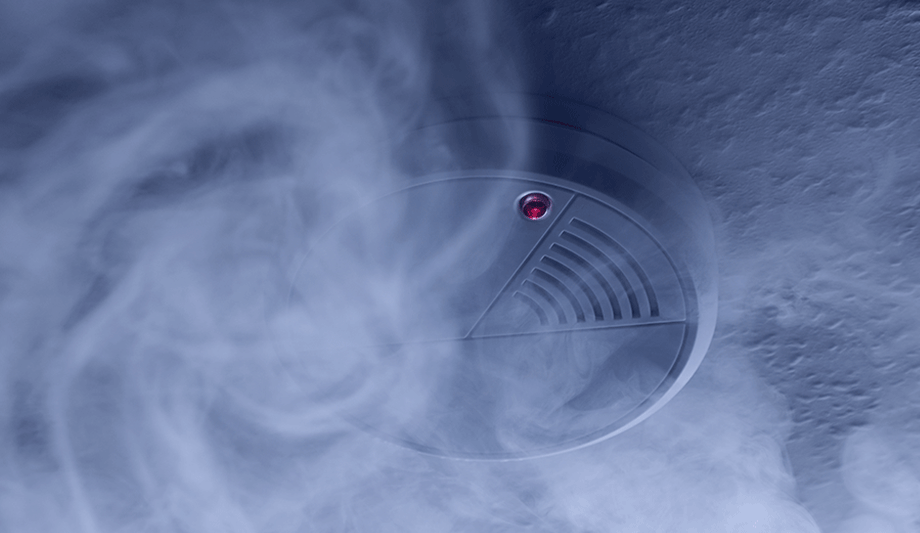
CO2 Fire Suppression Systems offer an effective method for controlling fires in various industrial environments by utilizing carbon dioxide gas.
Unlike traditional extinguishing agents that operate by lowering temperatures, these systems suppress flames by displacing the oxygen needed for combustion.
How CO2 Fire Suppression Systems Operate
When a fire is detected in a designated area, CO2 fire suppression systems release carbon dioxide to lower the oxygen levels below what is required for combustion, thereby minimizing potential fire damage. This process is particularly beneficial for protecting sensitive spaces like data centers and power facilities.
Key components of the system include high-pressure CO2 storage cylinders, piping networks, and nozzles that distribute the gas evenly across the area. To ensure safety, an alarm alerts occupants to evacuate before CO2 is discharged.
Key Components and Mechanics
CO2 fire suppression systems consist of storage cylinders, discharge nozzles, piping networks, and fire detectors
CO2 fire suppression systems consist of storage cylinders, discharge nozzles, piping networks, fire detectors, and control panels. Upon fire detection, the system's control panel triggers release valves on the CO2 storage cylinders, allowing high-pressure CO2 to travel through pipes to strategically placed nozzles.
These components work together to rapidly displace oxygen in the affected area. Critical safety measures include manual activation stations and alarms to ensure personnel can evacuate safely before CO2 release.
Applications in Various Industries
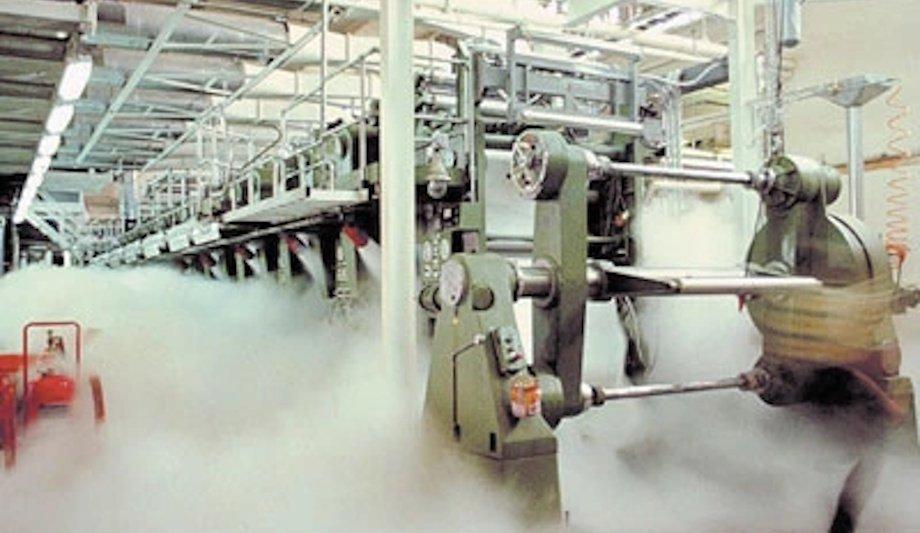
These systems are ideal in environments where quick fire control is essential and where water usage could cause damage. Industries benefiting from CO2 fire suppression systems include data centers, power generation facilities, marine vessels, industrial manufacturing settings, automotive paint booths, laboratories, and archives.
Kord Fire Protection collaborates with sectors like printing and chemicals, tailoring solutions to meet unique environmental needs.
Advantages of CO2 Fire Suppression Systems
CO2's non-conductive nature makes it suitable for use in environments containing electrical systems
One of the significant advantages of CO2 fire suppression systems is their ability to extinguish fires without leaving residue, protecting equipment integrity. This is crucial for sensitive areas like data centers.
Additionally, CO2's non-conductive nature makes it suitable for use in environments containing electrical systems. CO2 systems are also more cost-effective and environmentally friendly compared to some alternatives, as CO2 does not deplete the ozone layer.
Comparisons and Safety Standards
CO2 systems are preferable in unoccupied or strictly controlled environments due to the risks of high CO2 concentrations. Compared to other fire protection methods, CO2 systems offer rapid response and economic benefits.
Organizations must comply with NFPA 12 standards, which guide the implementation and testing of these systems, including full discharge tests and evacuation protocols to ensure personnel safety.
Safety Considerations
Safety is a critical aspect of CO2 fire suppression systems, necessitating strict safety protocols
Safety is a critical aspect of CO2 fire suppression systems, necessitating strict safety protocols. Key safety features include warning alarms, manual activation stations, and proper ventilation systems.
Regular training on evacuation and safety procedures is essential to ensure preparedness in emergencies.
CO2 Fire Suppression Products
Kord Fire Protection provides products that comply with NFPA standards, including CO2 sampling devices for precise concentration measurements and data logging. They work closely with industry professionals to deliver tailored CO2 fire suppression solutions, ensuring safe environments through comprehensive testing and monitoring.
Determining a CO2 Fire Suppression System's suitability for a business involves analyzing the specific fire risks and operational needs. These systems are particularly advantageous in settings with sensitive equipment or flammable materials, making them an optimal choice for asset protection.
CO2 Fire Suppression Systems utilizes carbon dioxide gas to combat fires effectively in various industrial and safety environments.
Unlike traditional extinguishing agents that lower fire temperatures, CO2 suppresses flames by displacing oxygen, a crucial element for combustion.
How Does a CO2 Fire Suppression System Function?
The operation of a CO2 Fire Suppression System is straightforward: when a fire is detected, the system releases carbon dioxide into the designated area, reducing the oxygen level below the point where combustion can occur. This rapid discharge minimizes potential damage, particularly in spaces housing sensitive equipment like data centers and power facilities.
The system consists of high-pressure CO2 storage cylinders connected to a network of pipes and nozzles, which distribute the gas evenly throughout the area. An alarm is triggered to alert occupants to evacuate before the CO2 is released.
Detailed Mechanics
When a fire is detected, the system activates. Here’s a step-by-step explanation:
- Detection: Fire detectors (smoke, heat, or flame sensors) identify the presence of fire.
- Activation: The control panel triggers the release valves on high-pressure CO2 storage cylinders.
- Discharge: CO2 is rapidly released through a network of pipes to strategically placed nozzles.
- Oxygen Displacement: The CO2 disperses evenly, reducing the oxygen concentration below the threshold needed for combustion, effectively extinguishing the fire.
This rapid discharge minimizes potential damage, particularly in spaces housing sensitive equipment like data centers and power facilities.
Key Components of a CO2 Fire Suppression System
A CO2 Fire Suppression System comprises several vital components, including storage cylinders, discharge nozzles, piping networks, fire detectors, and control panels. The storage cylinders keep CO2 under high pressure, ready for immediate discharge. Release valves activate upon fire detection, allowing CO2 to travel through pipes to nozzles that effectively distribute the gas.
Fire detectors, which may include smoke, heat, or flame sensors, monitor the protected area for signs of fire. Additionally, manual activation stations and alarms are essential for allowing personnel to exit safely before CO2 is released, ensuring both effectiveness and safety.
Applications of CO2 Fire Suppression Systems
CO2 Fire Suppression Systems are widely utilized in settings where rapid fire control is essential, especially where water might cause damage. Key industries employing these systems include:
- Data Centers: Protect valuable electronic equipment from fire and water damage. A notable tech company implemented CO2 systems to protect its server rooms, significantly reducing fire-related downtime.
- Power Generation Facilities: Safeguard electrical equipment where non-conductive agents are necessary.
- Marine Vessels: Used in confined engine rooms and cargo holds for effective fire suppression. CO2 systems have been effectively used in engine rooms, preventing catastrophic failures without risking water damage to sensitive equipment.
- Industrial Manufacturing: Ideal for environments with flammable materials, ensuring quick fire control without contamination.
- Automotive Paint Booths: Quickly extinguishes fires without damaging painted surfaces.
More Industries:
- Laboratories: Protects sensitive research materials.
- Archives: Ensures fire safety for irreplaceable documents.
Kord Fire Protection often collaborates with industries like printing and chemicals, recognizing the unique needs of each environment.
Advantages of CO2 Fire Suppression Systems
The benefits of a CO2 Fire Suppression System are numerous, making them a favored option in specific settings. A key advantage is that CO2 is a clean agent that leaves no residue post-discharge, making it ideal for protecting sensitive equipment. This feature is particularly crucial for data centers and power plants, where equipment integrity is paramount.
Additionally, CO2’s quick extinguishing capabilities effectively reduce the fire’s spread, minimizing damage and operational downtime. Its non-conductive nature also makes it safe for use around electrical systems, addressing various fire hazards, including Classes A, B, and C.
Additional Benefits:
- Environmental Impact: CO2 is a naturally occurring gas and does not deplete the ozone layer, making it an environmentally friendly choice.
- Cost-Effectiveness: Over time, CO2 systems can prove more economical than water-based systems, especially in facilities with high-value assets.
- Comparison with Other Systems: While clean agents like FM-200 offer similar benefits, CO2 systems are often more cost-effective and provide rapid response times.
CO2 Fire Suppression vs. Other Fire Protection Methods
When evaluating CO2 Fire Suppression Systems against alternative methods, it’s vital to assess the specific requirements of the area. Unlike water-based systems, CO2 does not leave damaging residues, making it a better fit for sensitive electronics and valuable assets. While clean agents like FM-200 offer similar benefits, CO2 systems are often more cost-effective and provide rapid response times.
Although CO2 can be hazardous in high concentrations, its application is generally limited to unoccupied spaces or areas with strict safety protocols. In contrast, sprinkler systems are safer for occupied environments but may not offer the same level of rapid fire control.
NFPA Standards for CO2 Fire Suppression Systems
Organizations using CO2 as a fire suppression agent must adhere to the NFPA 12 standards. This code details testing requirements, including concentration thresholds and timing for effective operation. Industrial systems typically utilize high-pressure CO2 cylinders to release gas swiftly and efficiently.
Compliance with NFPA standards includes conducting full discharge tests and having evacuation protocols to ensure personnel safety during an emergency. The atmosphere must also be tested for normal CO2 levels before employees can safely re-enter the area.
Safety Considerations for CO2 Fire Suppression Systems
The safety aspects of a CO2 Fire Suppression System are critical due to the potential hazards of high CO2 concentrations. While effective in extinguishing fires, CO2 displaces oxygen and can pose risks to human health. Therefore, these systems are usually recommended for spaces that are unoccupied or where strict safety measures are in place.
Key safety features include:
- Warning Alarms: Both audible and visual signals alert occupants before CO2 is discharged.
- Manual Activation Stations: Allow personnel to delay activation if someone is present in the area.
- Ventilation Systems: Proper ventilation aids in dissipating CO2 quickly after discharge.
- Training Programs: Regular training on evacuation and safety procedures ensures preparedness for emergencies.
These precautions are essential to protect human life while maintaining effective fire suppression capabilities.
Requirements for a CO2 Fire Suppression System
Designing a CO2 Fire Suppression System must comply with NFPA standards, specifically NFPA 12. This includes proper storage of CO2 cylinders, effective piping and discharge systems, and reliable fire detection methods.
Typically, systems must maintain a concentration of at least 34% CO2 in enclosed spaces, with higher concentrations needed for certain environments.
CO2 Fire Suppression System Products from Kord Fire Protection
Kord Fire Protection offers a range of products to ensure compliance with NFPA standards, including CO2 sampling devices that exceed regulatory requirements. The systems are designed to accurately measure CO2 concentrations and provide reliable data logging.
In addition, they work closely with industry professionals to develop effective CO2 fire suppression solutions. Facilities may also need to conduct oxygen depletion tests to ensure a safe environment following a CO2 discharge.
Is a CO2 Fire Suppression System Right for the Business?
Assessing whether a CO2 Fire Suppression System is suitable for the business hinges on the specific fire risks and operational needs. These systems excel in environments where traditional methods may cause damage, especially for sensitive equipment.
If the business involves flammable materials or electrical components, a CO2 system from Kord Fire Protection may be the optimal choice for safeguarding the assets.