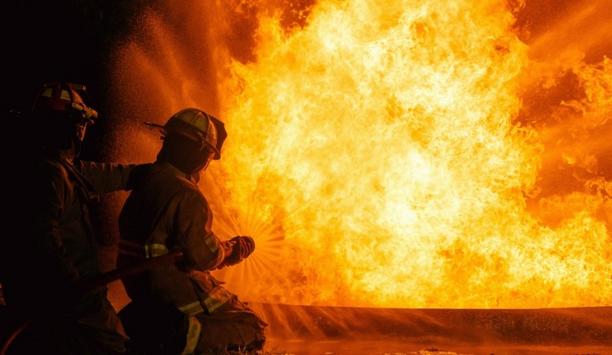
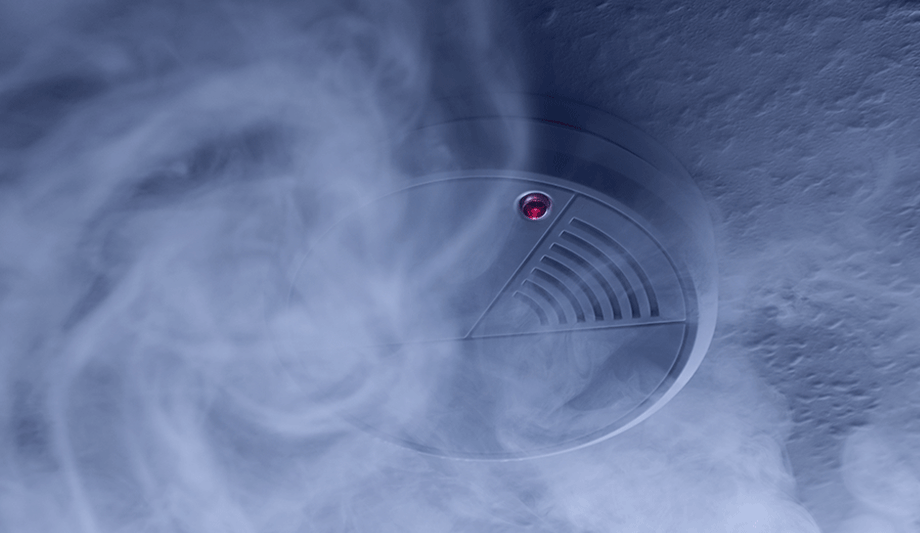
In Los Angeles, the Reg 4 Fire Safety Test plays a critical role in fire safety governance, as mandated by the Chief's Regulation 4.
This essential assessment must be carried out regularly, though the frequency varies depending on the building type and specific fire protection systems installed. Understanding the significance of the Reg 4 test is key to maintaining compliance and ensuring the safety of both occupants and property.
Understanding the Reg 4 Fire Safety Test
The Reg 4 Fire Safety Test is designed to evaluate whether a building's fire protection systems
The Reg 4 Fire Safety Test is designed to evaluate whether a building's fire protection systems and equipment are functioning properly and in line with local codes.
This comprehensive test examines fire alarms, suppression systems, and other vital safety measures. Regular evaluations help pinpoint potential deficiencies, ensuring timely maintenance and repairs are conducted.
Importance of the Reg 4 Fire Safety Test
Compliance with Local Regulations
Securing a Reg 4 Certification in Los Angeles is crucial for adherence to local fire safety laws. The Los Angeles Fire Department (LAFD) performs random inspections citywide, and buildings that do not comply with Regulation 4 can face significant penalties, such as steep fines or forced closure until compliance is achieved.
Enhancing Fire Safety
The main objective of the Reg 4 Fire Safety Test is to improve fire safety within structures. Maintaining fully operational and well-maintained fire protection systems can markedly decrease the likelihood of fire incidents, making this proactive safety approach vital for safeguarding lives and properties.
Implementing the Reg 4 Fire Safety Test
Establishing a Testing Schedule
Organizations need to set a testing schedule that meets Regulation 4 requirements. Test frequency will depend on the type of building and installed fire protection systems. Consistent testing ensures that equipment remains in optimal condition and that local regulations are met.
Training Personnel
It is vital to train staff in the importance of the Reg 4 Fire Safety Test and emergency procedures. Employees should be well-versed in their roles during fire emergencies, including knowledge of evacuation routes. Regular drills can boost readiness and ensure adherence to fire safety protocols.
Engaging Professional Services
While preliminary assessments can be conducted internally, hiring qualified fire safety professionals for the Reg 4 Fire Safety Test is recommended. Professionals provide an objective compliance evaluation and carry the expertise necessary to help organizations meet all regulatory requirements.
Real-World Examples and Case Studies
Case Study: The Warehouse Fire
A warehouse in Los Angeles faced a severe fire incident due to poor fire safety measures, having skipped the Reg 4 Fire Safety Test for over two years. This oversight led to faulty fire alarms and blocked evacuation routes. Post-incident, the organization established regular testing and maintenance plans, significantly improving their fire safety protocols.
Example: A Retail Chain
A major retail chain in Los Angeles understood the value of the Reg 4 Fire Safety Test and made it a part of their annual safety evaluations. By identifying gaps in fire protection systems and staff training, they improved compliance and minimized fire hazard risks. This proactive move not only ensured safety but also enhanced their relationship with the LAFD.
Benefits of Regular Testing
Regular Reg 4 Fire Safety Tests cultivate a culture of safety within organizations. Employees become more knowledgeable about fire risks and the necessity of safety measures, facilitating better compliance and advanced preparedness.
Identifying weaknesses through routine assessments enables organizations to allocate resources effectively, thus boosting operational efficiency. Additionally, staying compliant helps avoid significant financial penalties and ensures uninterrupted operations.
In Los Angeles, the forefront of fire safety is governed by Chief’s Regulation 4, commonly referred to as the Reg 4 Fire Safety Test.
This critical test is required to be performed regularly, though the frequency varies depending on the building type and the specific fire protection systems in place. Understanding the importance of the Reg 4 test is essential for maintaining compliance and ensuring the safety of occupants and property.
Understanding the Reg 4 Fire Safety Test
The Reg 4 Fire Safety Test assesses whether a building’s fire protection equipment and systems are functioning properly and in accordance with local codes.
This test includes evaluating fire alarms, suppression systems, and other critical safety measures. Regular testing helps identify potential deficiencies, ensuring that necessary maintenance is performed in a timely manner.
Importance of the Reg 4 Fire Safety Test
1. Compliance with Local Regulations
In Los Angeles, obtaining a Reg 4 Certification is not just a recommendation; it is essential for compliance with local fire safety regulations. The Los Angeles Fire Department (LAFD) conducts random inspections throughout the city.
Buildings that fail to demonstrate proper Regulation 4 compliance can face severe penalties, including hefty fines and potential closure until they meet the required safety standards.
2. Enhancing Fire Safety
The primary goal of the Reg 4 Fire Safety Test is to enhance fire safety within buildings. By ensuring that all fire protection systems are operational and well-maintained, organizations can significantly reduce the risk of fire-related incidents. This proactive approach to fire safety is vital for protecting lives and property.
Implementing the Reg 4 Fire Safety Test
1. Establishing a Testing Schedule
Organizations must create a testing schedule that aligns with the requirements set forth in Regulation 4. The frequency of testing can vary based on building type and fire protection systems. Regular testing ensures that equipment is always in top condition and compliant with local regulations.
2. Training Personnel
Training staff on the significance of the Reg 4 Fire Safety Test and emergency procedures is crucial. Employees should understand their roles during fire emergencies and be familiar with evacuation routes. Regular drills can enhance preparedness and ensure compliance with fire safety protocols.
3. Engaging Professional Services
While organizations can conduct preliminary assessments, hiring qualified fire safety professionals for the Reg 4 Fire Safety Test is advisable. Experts bring in-depth knowledge and experience, providing an objective evaluation of compliance and helping organizations meet all necessary regulations.
Real-World Examples and Case Studies
Case Study: The Warehouse Fire
A warehouse in Los Angeles experienced a severe fire incident due to inadequate fire safety measures. The facility had not conducted the Reg 4 Fire Safety Test in over two years, resulting in malfunctioning fire alarms and blocked evacuation routes.
Following this incident, the organization implemented regular testing and maintenance schedules, drastically improving their fire safety protocols.
Example: A Retail Chain
A prominent retail chain in Los Angeles recognized the importance of the Reg 4 Fire Safety Test and incorporated it into their annual safety audits.
By identifying gaps in their fire protection systems and employee training, they enhanced their compliance and significantly reduced risks associated with fire hazards. This proactive strategy not only ensured safety but also improved their standing with the LAFD.
Benefits of Regular Testing
- Enhanced Safety Culture: Regular testing through the Reg 4 Fire Safety Test fosters a culture of safety within organizations. Employees become more aware of fire risks and the importance of safety measures, leading to better compliance and overall preparedness.
- Improved Risk Management: Identifying weaknesses through regular assessments allows organizations to prioritize improvements and allocate resources effectively. This approach not only mitigates risks but also enhances operational efficiency, ensuring that fire safety is a top priority.
- Avoiding Penalties and Fines: Non-compliance with this Test can lead to significant financial repercussions, including fines and potential closure by the LAFD. By maintaining proper compliance, organizations can avoid these costly penalties and ensure uninterrupted operations.