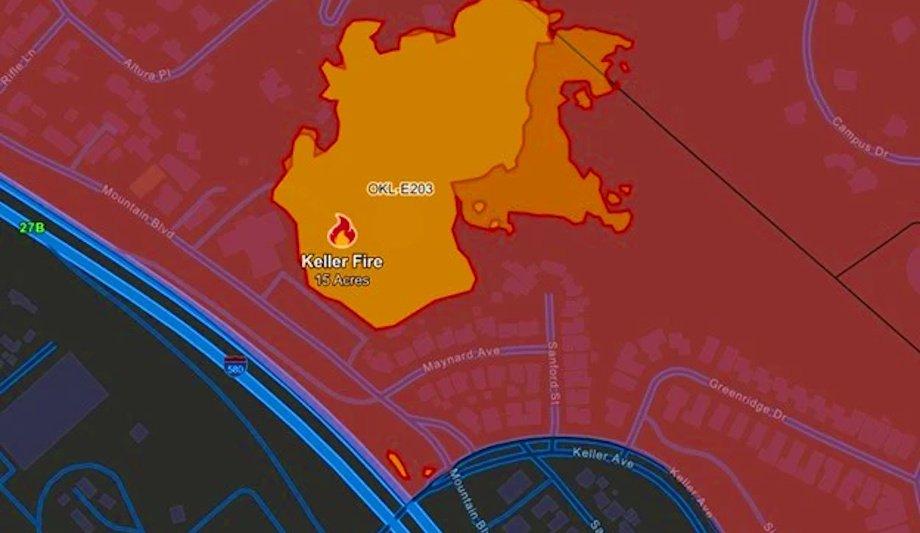
A fire erupted at 1:30 PM on October 18, coming within 9.8 miles of the site of the devastating 1991 firestorm that resulted in 25 fatalities.
Thanks to the prompt intervention by the fire department, the fire was fully contained by October 23, with no injuries or casualties reported. This event highlights the crucial need for fire incident preparedness.
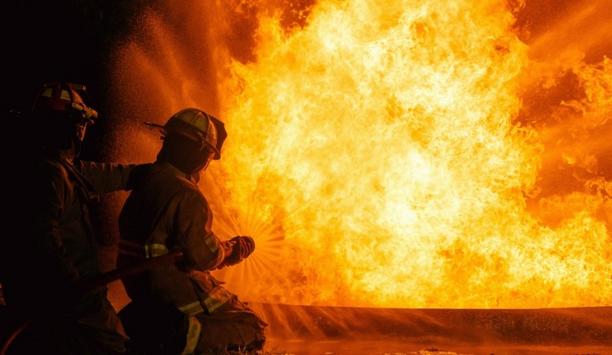
Swift Fire Department Response
Although around 500 people had to evacuate, the evacuation order was lifted swiftly as the blaze was brought under control.
The quick action by the fire department and favorable weather conditions played a pivotal role, but such outcomes can’t always be anticipated. The marked danger zones hinted at the potential scale of the fire, emphasizing a critical takeaway: preparedness is vital.
Establishing Basic Preparedness
These incidents resulted in an average of 2,620 civilian deaths, 11,030 injuries, and $7.2 billion in direct damage each year
The National Fire Protection Association (NFPA) reports that between 2016 and 2020, US fire departments responded to an average of 353,100 home structure fires annually. These incidents resulted in an average of 2,620 civilian deaths, 11,030 injuries, and $7.2 billion in direct property damage each year.
Alarmingly, nearly 60% of home fire deaths occurred where smoke alarms were absent or not functioning, highlighting the necessity for operational smoke alarms, especially in high-risk areas like Oakland Hills.
Critical Role of Smoke Alarms
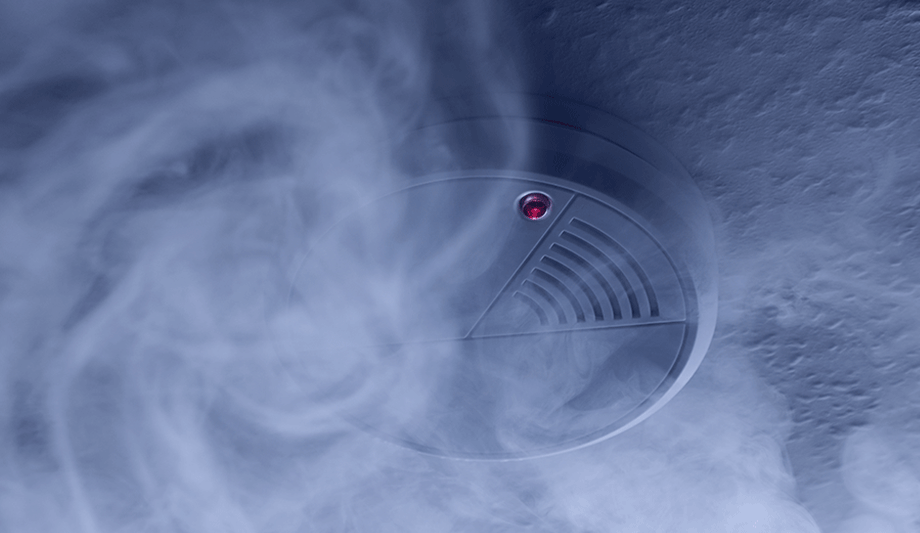
Smoke alarms significantly lower the risk of death in home fires. Although unrelated to wildfires, the speed at which a firestorm can occur underscores the importance of detection devices, particularly at night.
Homes with operational smoke alarms have a 60% reduced risk of fire-related fatalities compared to those without.
Persistent Risks and Urban Wildland Interface
The Urban Wildland Interface (UWI), where urban areas meet wildlands, is particularly vulnerable
About 16% of home fire deaths from 2018 to 2022 were in homes with smoke alarms that failed due to missing or disconnected batteries. The Urban Wildland Interface (UWI), where urban areas meet wildlands, is particularly vulnerable.
Factors such as dense vegetation, climate change, and human activity increase wildfire risks, requiring heightened vigilance in cities like Oakland.
Individual Responsibility and Preparedness
While governmental and fire department roles in wildfire prevention are critical, individual actions are equally necessary.
Creating defensible spaces, using fire-resistant building materials, installing fire safety equipment, and maintaining property are vital steps in self-preparedness.
Create Defensible Space
- Zone 1 (0-5 feet from structures): Remove dead plants, keep roofs clean of debris, and relocate flammable materials.
- Zone 2 (5-30 feet from structures): Regularly trim trees, mow grass, and clear away combustible debris.
Use of Fire-Resistant Materials
Consider using non-combustible materials for construction and renovation—Class A roofing, fire-resistant siding, and durable windowpanes are recommended.
Fire Safety Equipment Installation
Ensure smoke alarms are installed and functional on every level, keep multipurpose fire extinguishers handy, and consider external sprinkler systems for added protection.
Evacuation Planning
Developing a clear evacuation plan, identifying multiple escape routes, preparing emergency kits, and staying informed through local alerts are crucial preparedness measures.
Routine Property Maintenance
Regular landscaping, cleaning of roofs and gutters, and using non-flammable materials for fences and decks can minimize fire risks.
Awareness of Fire Weather Conditions
Staying informed about weather alerts, using fire maps, and accessing weather apps can provide timely information during high-risk periods.
Insurance and Financial Readiness
It is vital to ensure homeowners’ insurance covers wildfire damage, maintain an inventory of possessions, and secure essential documents securely.
Professional Services for Enhanced Safety
While personal efforts are indispensable, professional services can enhance preparedness. Fire extinguisher services, sprinkler systems, and fire alarms ensure optimal safety standards are met.
The containment of the Keller fire is a reminder that complacency should not settle in. Personal accountability in reducing urban wildfire risks is critical. Immediate action steps include assessing property vulnerabilities, implementing defensible space measures, upgrading fire safety equipment, formulating a family evacuation strategy, and staying connected to emergency updates. Wildfires may be unavoidable, but preparedness ensures greater control over their impacts.
The fire broke out at noon, around 1:30 PM on October 18, just 9.8 miles away from the place where the firestorm of 1991 that claimed 25 lives took place.
Luckily, with prompt action from the fire department, the fire was completely contained by October 23, and there were no casualties or injuries reported.
Swift response by fire department
Though at least 500 individuals were evacuated and an order issued, it was quickly lifted as the fire was contained. The swift response by the fire department, along with the significant shift in weather that greatly helped contain the fire, may not always happen in the same way.
The areas marked in red in the image above were deemed to be danger zones, providing a glimpse of the scale the fire might’ve become. In this article, we’ll explore the importance of fire incident preparedness, as things won’t turn out the same. After all, it’s better to be safe than sorry.
First Things First
Before they get into details, they must set the basics straight. According to the National Fire Protection Association (NFPA), between 2016 and 2020, fire departments in the United States responded to an estimated average of 353,100 home structure fires per year. These fires caused an annual average of 2,620 civilian deaths, 11,030 civilian injuries, and $7.2 billion in direct property damage.
One alarming statistic is that nearly 3 out of every 5 home fire deaths occurred in properties where there were no working or failed smoke alarms. This underscores the need for fully functional alarms in every household, especially in fire-prone areas such as Oakland Hills.
The Critical Role of Smoke Alarms
The presence of smoke alarms dramatically reduces the risk of death in a home fire. Though this doesn’t pertain to wildfire, it doesn’t take long for one to turn into a firestorm and ravage suburbs overnight. Smoke alarms help detect when they’re unaware of them, say, while they’re sleeping.
Smoke Alarms Reduce Fatalities
- Homes with working smoke alarms have a 60% lower risk of fire-related deaths compared to those without.
Persistent Risks
- 16% of home fire casualties (2018–2022) occurred in homes with non-functioning smoke alarms. The leading cause? Missing or disconnected batteries.
Understanding the Urban Wildland Interface
The Urban Wildland Interface (UWI) is where urban development meets undeveloped wildland. Cities like Oakland are prime examples of this interface, making them vulnerable to wildfires due to several factors:
- Dense Vegetation: Many urban areas adjacent to wildlands have abundant vegetation that can serve as fuel for fires.
- Climate Change: Increased temperatures and prolonged droughts have heightened wildfire risks.
- Human Activity: Urban areas have higher chances of fire ignitions due to human actions.
The Role of Individual Responsibility
While government agencies and fire departments play crucial roles in wildfire prevention and response, individual actions are equally important. Here are steps they can take to enhance their preparedness:
1. Create Defensible Space Around the Home
Defensible space is a buffer they create between the home and the surrounding vegetation. This space is crucial for slowing or stopping the spread of wildfire and protecting the home from catching fire.
- Zone 1 (0-5 feet from structures):
- Remove all dead plants, grass, and weeds.
- Keep gutters and roofs free of leaves and debris.
- Relocate combustible materials like firewood piles away from the home.
- Zone 2 (5-30 feet from structures):
- Trim trees regularly to keep branches a minimum of 10 feet from other trees.
- Mow grass to a maximum height of four inches.
- Remove fallen leaves, needles, twigs, bark, cones, and small branches.
2. Use Fire-Resistant Building Materials
Consider using non-combustible materials when building or renovating the home.
- Roofing: Use Class A fire-rated roofing materials like asphalt shingles, metal, slate, or tile.
- Siding: Opt for fire-resistant siding materials such as stucco, fiber cement, or brick.
- Windows: Install dual-pane windows with one pane tempered glass to reduce breakage from heat.
3. Install and Maintain Fire Safety Equipment
Having the right equipment can make a significant difference during a wildfire.
- Smoke Alarms: Install smoke alarms on every level of the home, test them monthly, and replace them every 10 years.
- Fire Extinguishers: Keep multipurpose fire extinguishers accessible and ensure all household members know how to use them.
- Sprinkler Systems: Consider installing an external sprinkler system that can wet the home’s surroundings during a wildfire threat.
4. Prepare an Evacuation Plan
Being prepared to evacuate quickly can save lives.
- Know the Routes: Identify multiple evacuation routes from the home and community.
- Go Bags: Prepare emergency kits containing essential items like medications, important documents, clothing, and non-perishable food.
- Stay Informed: Sign up for local emergency alerts and monitor official channels during high-risk periods.
5. Regular Property Maintenance
Routine upkeep can significantly reduce fire risks.
- Landscaping: Use fire-resistant plants such as agave or yucca, and maintain the garden to minimize combustible materials.
- Roof and Gutter Cleaning: Regularly remove debris that could ignite from embers.
- Fence and Deck Materials: Use non-flammable fencing and decking materials, especially if attached directly to the home.
6. Stay Informed About Fire Weather Conditions
Awareness of current conditions can inform the actions.
- Red Flag Warnings: Pay attention to alerts about high fire danger due to weather conditions.
- Local Fire Maps: Use resources that provide real-time information on wildfire locations and movements.
- Weather Apps: Install apps that provide updates on humidity levels, wind speeds, and other relevant data.
7. Understand Insurance and Financial Preparedness
Financial readiness is a crucial aspect of recovery post-wildfire.
- Review Insurance Policies: Ensure the homeowner’s insurance covers wildfire damage.
- Document Valuables: Keep an inventory of the possessions with photos or videos.
- Important Documents: Store copies of essential documents in a fireproof safe or digitally in the cloud.
Leveraging Professional Services for Wildfire Preparedness
While individual efforts are essential, professional services can provide expertise and equipment that enhance safety.
- Fire Extinguisher Services: Professionals can assess the needs, provide appropriate extinguishers, and offer training on their use.
- Fire Sprinkler Systems: Certified technicians can install and maintain sprinkler systems tailored to the property’s requirements.
- Suppression System Installations: Specialists can set up advanced fire suppression systems like foam or clean agent systems, which are effective against various fire types.
- Fire Alarm Services: Integrate fire alarms with monitoring services to ensure rapid response in case of an emergency.
- Hydro-Static Testing: Regular testing of fire safety equipment ensures it operates effectively under pressure.
Though the Keller fire is contained, the guards shouldn’t be let down. Individual responsibility is paramount in mitigating the risks associated with urban wildfires.
Below are some action steps that they can start following at this very instance to minimize the chances of tragedy and safeguard their loved ones.
Action Steps
- Assess the Property now: Walk around the home to evaluate vulnerabilities to wildfire.
- Implement Defensible Space Measures: Begin clearing vegetation and combustible materials from around the home.
- Upgrade Fire Safety Equipment: Ensure they have the appropriate fire extinguishers and that they are maintained.
- Develop a Family Evacuation Plan: Discuss and practice evacuation routes and procedures with the household.
- Stay Connected: Sign up for local emergency alerts and follow official channels for updates.
Remember, wildfires may be unpredictable, but the preparedness doesn’t have to be. Take action now to safeguard the home and loved ones.