Fire Insurance

For a business owner in the hospitality sector, fire safety should be one of the top priorities. Fires can cause extensive damage to the property and put the customers and employees at risk. In this guide, they’ll provide tips on reducing the risk of fires in the business and what to do if a fire breaks out. They’ll also discuss some common causes of fires in the hospitality industry and the steps they can take to prevent them. So read on for all they need to know about fire safety...
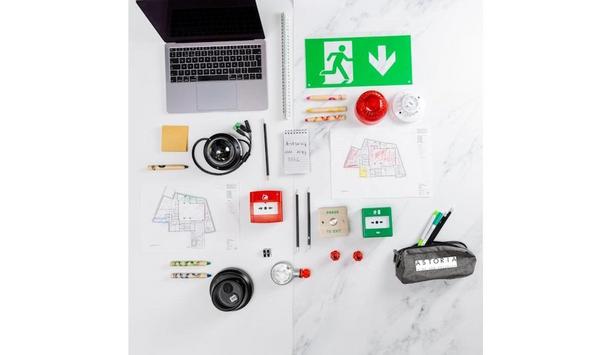
As a business owner, they are responsible for the safety of their employees and customers. One important element of safety that is often overlooked is fire-system maintenance. By neglecting this crucial step, they put themselves and others at risk. This quick guide will provide them with everything they need to know about looking after their fire system to keep their business safe. When the fire-protection systems are well-maintained, it ensures the majority of fires are preventable. That means...
Fires are responsible for more deaths than all other types of natural disasters combined — and most of these deaths occur in homes. While smoke detectors are essential in protecting the home and family, they aren’t sufficient. A comprehensive home fire sprinkler system that includes a residential fire sprinkler system can save the lives of the family and pets and the property, reduce carbon emissions from a fire, and increase the value of the home. The Benefits of a Home Fire Sprin...
NFPA 10 is the standard for the installation, inspection, maintenance, and use of portable fire extinguishers. Established by the National Fire Protection Association, this standard sets out comprehensive guidelines designed to ensure that fire extinguishers are strategically located, properly maintained, and readily accessible when needed. The regulation applies to a wide range of environments, including residential, commercial, industrial, and vehicular settings. This outlines the types of e...

The fire broke out at noon, around 1:30 PM on October 18, just 9.8 miles away from the place where the firestorm of 1991 that claimed 25 lives took place. Luckily, with prompt action from the fire department, the fire was completely contained by October 23, and there were no casualties or injuries reported. Swift response by fire department Though at least 500 individuals were evacuated and an order issued, it was quickly lifted as the fire was contained. The swift response by the fire depart...

With wildfires overwhelming Los Angeles and dominating headlines across the country, dramatically changing the landscape that people live and work in the wildland-urban interface, there’s never been a more urgently compelling time than now to focus on home protection. As a pioneering manufacturer of wildfire defense systems in southern California with dedicated expertise harnessed across three decades of experience, Founder Bobby Milstein of So Cal Fire Suppl...
News

Henkel Adhesive Technologies India is excited to share the launch of its new automotive warehouse in Chakan, strategically located in one of India’s key automotive hubs. This built-to-suit facility is designed specifically for automotive manufacturing customers, ideally suited for Just-in-Time (JIT) delivery models. SAP traceability The warehouse offers cutting-edge capabilities for supplier integration and prototyping innovation. It will now manage non-standard prototype materials (IDH) with full SAP traceability, including batch management, manufacturing, and expiry dates. With a scalable infrastructure planned to meet demand through 2030, the site is aligned with ongoing plant expansions and the growth trajectory of the automotive sector.

Hochiki Europe, a manufacturer of innovative life safety solutions, is partnering with Jendee Trading, a global provider with nearly 50 years of experience exporting British electrical and fire safety products to the Caribbean, to deliver a series of educational seminars and customer meetings across the region. A key element of this initiative will be the active participation of the local Electrical Inspectorates on each island, underscoring the commitment to ensuring compliance with local laws and regulations. Fire safety installers From May 4th to May 22nd, a joint team from Hochiki and Jendee will travel to St. Vincent, St. Lucia, Trinidad, and Grenada. Critically, they will be presenting alongside the local Electrical Inspectorate to a wide array of professionals, including fire safety installers, electrical engineers, building owners, and insurance companies. This collaborative approach will ensure that the information shared not only reflects international best practices, but also aligns directly with the specific fire safety regulations and legal frameworks in each island. The seminars will cater to diverse industries, such as tourism, commercial, retail, entertainment, healthcare, agriculture, food production, renewable energy, and technology. Fire safety knowledge The primary objective of this initiative is to elevate fire safety knowledge and promote best practices The primary objective of this initiative is to elevate fire safety knowledge and promote best practices within the Caribbean, with a strong focus on adherence to local laws, as well as American and British Standards. By involving the Electrical Inspectorates directly in the presentations, the seminars will provide invaluable insights into regional compliance requirements. The teams will deliver two accredited Continuing Professional Development (CPD) courses: BS5839 Part 1 Code of Practice for Fire Detection System Design, and False Alarm Reduction, both of which will be contextualised within the local regulatory landscape. More compliant installations Richard Wharram from Hochiki Europe highlighted the significance of this collaborative approach, stating, "We are incredibly enthusiastic about engaging with our customers, both new and existing, across the Caribbean. Sharing the stage with our esteemed colleagues from Jendee, whose deep regional expertise is unmatched, is a privilege." He adds, "Furthermore, the active involvement of the local Electrical Inspectorates is paramount, ensuring our educational content is directly relevant to local regulations. Attendees will greatly benefit from this comprehensive approach, gaining valuable insights into design support, in-depth product knowledge, technical training, and commissioning assistance, ultimately contributing to safer and more compliant installations within their communities." Building trusted partnerships Debbie Marsh from Jendee emphasised the importance of this integrated approach, states, "Our five decades of experience in the Caribbean have taught us the vital importance of working closely with local authorities." She adds, "Partnering with Hochiki Europe and, crucially, with the Electrical Inspectorates in each island, allows us to deliver training that is not only informative but also directly relevant to the legal and regulatory frameworks. This collaborative effort is key to building trusted partnerships and ensuring the highest standards of fire safety across the region." More resilient future Shinsuke Kubo, Managing Director of Hochiki Europe, underscored the strategic importance of this multi-faceted collaboration, commenting, "Establishing strong and trusted partnerships within the Caribbean region is fundamental to Hochiki Europe's long-term commitment." Shinsuke Kubo adds, "By working in close conjunction with Jendee and, most importantly, with the local Electrical Inspectorates, we are demonstrating our dedication to ensuring that our knowledge and expertise are applied in a way that is fully compliant with local laws and regulations. This unified approach is crucial for building a safer and more resilient future for the Caribbean." Hochiki Europe's commitment to global safety This collaborative endeavor underscores Hochiki Europe's commitment to global safety and its dedication to working alongside experienced partners, such as Jendee and local regulatory bodies to deliver impactful, compliant, and locally relevant knowledge and support to international markets.

Congratulations as McGoff & Vickers Fire & Security is awarded approved Contractor status with the National Inspection Council for Electrical Installation Contracting. NICEIC is the UK's renowned voluntary regulatory body for the electrical contracting industry. It has been assessing the electrical competence of electricians for over fifty years and currently maintains a roll of over 26,000 registered contractors. Reliable Compliance Electricians registered with NICEIC are assessed on a regular basis to ensure high standards Choosing a NICEIC registered electrician is a householder’s best way to ensure a safe job. Electricians registered with NICEIC are assessed on a regular basis to ensure high standards and their work is checked against the IEE Wiring Regulations BS 7671, as well as other standards. Approved contractors undergo a rigorous assessment process, covering a representative sample of their work, their premises, documentation, equipment, and the competence of their key supervisory staff. They are then re-assessed on a regular basis to ensure continued compliance. Once registered with the NICEIC, contractors can access a range of support services, including technical advice, industry recognized training, industry literature and contractor insurance. Tailored Trade Services In addition to this NICEIC also provide certification and approval services for businesses and individuals across the heating, plumbing, renewable and insulation sectors. Their core approval services are supported by a number of products and services that are tailored specifically to contractor's and their customer's needs.

Very few people in the UK can be unaware of the devastation caused by the Grenfell tower block fire five years ago now. For those involved in the horrors of that night are replayed over and over again as the fatal accident inquiry into apportioning blame - and ensuring a similar event never occurs again - continues. To this end, the government has introduced new legislation in the form of the Fire Safety Act 2021. Fatal accident inquiry The Act considers the recommendations introduced by Sir Martin Moore-Bick in his Phase 1 report into the outcomes of the Grenfell Tower Inquiry. It also refers to the conclusions of Dame Judith Hackitt in her Review of Building Regulation and Fire Safety. The Act considers the recommendations introduced by Sir Martin Moore-Bick in his Phase 1 report Introduced in April this year, the Act – which is only relevant to buildings in England and Wales – updates the Regulatory Reform (Fire Safety) Order 2005 to improve fire safety in ‘multi-occupancy’ dwellings i.e. flats like Grenfell Tower. It does this by extending regulation to the external walls of the building and fire doors to individual flats. Specific Rulings Of The Act The regulations refer to all multi-occupancy residencies regardless of height. Those responsible for fire safety in a building must do so by carrying out regular assessments and managing risk. He or she must also reduce risk by, for instance, looking at external walls and individual doors opening onto common areas in the building (i.e. fire doors). This ‘responsibility’ has prompted the magazine Letting Agent Today to comment @LA_Today: “Agents and landlords are being warned that the Fire Safety Act 2021 will make a huge impact on their responsibilities - and marks the start of a new era for building safety.” Fire and Rescue authorities can enforce these regulations in the light of non-compliance by the Responsible Person for fire safety in a building. The Building Safety Act The Fire Safety Act 2021 will align with the new Building Safety Bill. The latter is expected to receive Royal Assent and not come into force until 2023 at the earliest. They are expected to be backed up financially by a government indemnity insurance scheme The Building Safety Act is expected to introduce amongst other things the concept of a Building Safety Regulator, this, in turn, is expected to highlight the need for more qualified surveyors to be available to conduct fire safety surveys. They are expected to be backed up financially by a government indemnity insurance scheme – the introduction of which was announced earlier this year, in February. Building safety manager The role of the building safety manager (BSM) is a critical new position for the sector and the consultation process for PAS 8673 (a new specification that provides a framework for the competence of building safety managers) closed in September this year and is programmed for release early in 2022. PAS 8673 is part of the Built Environment Competence Programme which itself supports the Building Safety Bill to raise competence requirements for three newly regulated roles, namely those of principal designer, principal contractor and building safety manager. If users would like help in ensuring they are up-to-date with the new changes in fire safety regulations then contact them today for advice and to book an assessment and/or training.

At the LogiMAT in Stuttgart from 11th to 13th March, WAGNER will be presenting innovative fire protection technologies and individual solutions for deep-freeze warehouses, high-bay warehouses and compact storage systems in Hall 7, Stand 7C13. A key highlight is the latest advancements in the field of active fire protection with OxyReduct®. Active fire prevention is based on the principle of oxygen reduction: the OxyReduct® system generates nitrogen directly from the ambient air and directs it into the area to be protected. This reduces the oxygen concentration to below the ignition threshold of the materials present. A protective atmosphere is created in which fires cannot even start under defined conditions. Nitrogen generation and self-sufficient energy supply The hydrogen-based fuel cell developed by HY.AIR Energy GmbH produces nitrogen-rich exhaust air For the first time at LogiMAT, WAGNER will unveil the new OxyReduct® F-Line nitrogen generator, which combines the advantages of an economical and sustainable fire protection solution with carbon-neutral and self-sufficient energy generation. This added value is made possible by innovative fuel cell technology. The hydrogen-based fuel cell developed by HY.AIR Energy GmbH produces nitrogen-rich exhaust air. This is directed into the area to be protected to create an oxygen-reduced atmosphere for active fire prevention. Other OxyReduct® nitrogen generators At the same time, the cell provides electricity and heat for the operation of other equipment and systems. Due to the high efficiency of the fuel cell, only small amounts of hydrogen are needed to generate the nitrogen required for fire prevention. For the user, this means maximum fire safety along with carbon neutrality. In combination with other OxyReduct® nitrogen generators, WAGNER also offers a flexibly adaptable, hybrid fire protection system that provides optimum protection even for very large protected areas in the warehouse and logistics sector, for example in deep-freeze and high-bay warehouses. OxyReduct® receives FM Approval OxyReduct® oxygen reduction system from the renowned testing and institute FM Approvals WAGNER has recently received approval for its proven OxyReduct® oxygen reduction system from the renowned testing and certification institute FM Approvals. In addition to the existing approvals from VdS, VB-Cert and Pavus, the certificate represents another important recognition. Thanks to its globally recognized FM approval, FM-insured companies and those adhering to the FM standard can now implement OxyReduct® as a certified and proven solution to effectively and preventively protect their buildings, systems and assets. This marks a significant milestone in enhancing safety for various intralogistics applications. Maximum safety in the warehouse In addition to systems for active fire prevention, WAGNER will be presenting innovative, integrated fire protection solutions that offer maximum safety in compact storage systems, deep-freeze warehouses, high-bay warehouses or archives. Fire detection and extinguishing systems from WAGNER also play an important role in these solutions.

Ever since VIKING was founded in 1960, they have led by example and have taken responsibility for the environment. In 2023, they continued this important work across all three ESG pillars: Environment, Social responsibility, and Governance. The sustainability efforts continue to be anchored in VIKING’s top management team, who have stood by the decision to execute a long-term sustainability strategy based on a structural approach to engage the entire global organization and value chain. Carbon-neutral by 2030 at the latest Sustainable growth is now a top strategic priority throughout VIKING Every year, they see how the ESG agenda not only drives more and more strategic decisions, but is also integrated into legislation, customer inquiries, credit facilities and insurance issues at a level where the ESG elements are a ”license to operate” for international companies like them. Sustainable growth is now a top strategic priority throughout VIKING, and they work every single day to pave the way for new, innovative and sustainable safety products of the highest quality. The entire organization’s structured approach to sustainability is driven by the ambition to become carbon-neutral by 2030 at the latest. They will continue to launch new initiatives and make strategic investments to help them achieve this, supported by robust data. Assessment of materiality Sustainability is many things: from small, ongoing improvements on the factory floor to strategic investments, quantum leaps in materials and production methods, and continuous improvements to the management system. In order to prioritize the sustainability efforts in VIKING, they have defined a number of criteria for the initiatives. They should Be significant Be measurable Align with the business model Be future-oriented Be applicable to a global roll-out Strengthen the ambition to be a pioneer in the industry. They continuously evaluate and prioritize the initiatives with which they can most effectively contribute to promoting sustainable and responsible development in the industry. Steering the global organization towards sustainability In 2023, they continued to standardize the global organization through the alignment of key business processes across quality, training, compliance, safety, behavior, leadership principles, business policies, supplier management, and transportation. This work is anchored in the relevant international ISO standards such as ISO 9001, 14001 and 45001, which they have implemented systematically and rigorously in the organization. Advanced analytics tools They have continued to deepen the understanding of the carbon footprint of the materials Besides business process standardization, they have continued the investment in building a validated baseline of CO2 data in order for them to create sustainable solutions that make a difference and measure the same. With an ambitious climate agenda, the data work has been particularly extensive, and it has involved both the own and independent experts. Using advanced analytics tools, they have continued to deepen the understanding of the carbon footprint of the materials that are included across the product portfolio, including rubber, textiles, fiberglass and steel. Future materials and components Through a clear understanding of the climate impact, they have been able to enter into even closer dialogues with the suppliers regarding the development of future materials and components, focusing on both quality and sustainability. The efforts to create full transparency throughout the entire global value chain will continue in 2024 and onwards.

Expert Commentary
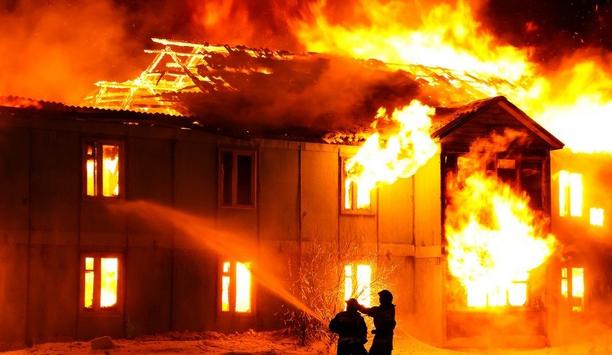
It is no secret that electricity can have a significant impact on the fire industry, and this is not just something that is restricted to a single country. Daily, we see the devastation that improper electrical wiring and defective products can have on a global scale. Personal injury, property loss, and death can all wreak havoc on those working within the fire service and other first responders, not to mention the significant impact on the entire community where the events take place. steps to minimize electrical incidents There are steps that can be taken to minimize the number of these horrific electrical incidents Research from NFPA® that highlights home electrical fire statistics shows that U.S. fire departments responded to an estimated average of 46,700 home fires involving electrical failure or malfunction each year between 2015 and 2019. An additional 16,390 non-residential electrical fires required a response and were tracked between the years 2012 and 2016, indicating just how burdensome electrical fires are on the fire service. However, there are steps that can be taken to minimize the number of these horrific electrical incidents. The implementation and utilization of current electrical codes and standards is a foundational piece in beginning to minimize these issues from arising. Triad of codes and standards NFPA has a triad of codes and standards that focus on mitigating risk and injury associated with electricity that have become known as the Electrical Cycle of Safety™ (ECoS™). When used collectively and properly, NFPA 70®, National Electrical Code® (NEC®), NFPA 70B, Standard for Electrical Equipment Maintenance, and NFPA 70E®, Standard for Electrical Safety in the Workplace®, provide an alliance for achieving holistic electrical safety. By utilizing the documents that make up the ECoS, businesses and communities can help to mitigate electrical fires and injuries that put significant strain on the limited resources available to the fire service. NFPA has a triad of codes and standards that focus on mitigating risk and injury Electrical Cycle of Safety The Electrical Cycle of Safety starts with an installation that is grounded in the requirements of the NEC The Electrical Cycle of Safety starts with a proper electrical installation that is grounded in the requirements of the NEC. This could be the initial installation for a brand-new building, an addition to an existing building, or new equipment being installed within a building. Regardless of what type of installation is taking place, it is important that, where applicable, proper electrical permits have been filed by the licensed contractor performing the work in the municipality where the building is established. This should then include having the appropriate inspections performed by a qualified electrical inspector throughout each stage of the installation. Having all electrical work done and inspected in accordance with the applicable NEC requirements is the appropriate first step in assuring electrical safety that protects both people and property. Electrical equipment and systems After any installation has been done, electrical equipment and systems must be maintained to ensure that they remain safe for those that service the equipment, as well as those that may be utilizing the equipment, such as production line workers or, in some cases, even the general public. An example of this might be keeping an electric vehicle charger in proper, safe working order so that citizens who need to use it are not exposed to any electrical safety risks, like shock hazards. NFPA 70B provides electrical equipment maintenance requirements and should be used in conjunction with any specific manufacturer maintenance requirements for electrical equipment. Safe working practices Maintaining equipment not only helps ensure electrical safety but it also helps to preserve its reliability Maintaining equipment not only helps ensure electrical safety, but it also helps to preserve its functionality and reliability. In the case of electric vehicle chargers, utilizing Chapter 33 of NFPA 70B can help to establish a maintenance plan for community-based public chargers that will keep them safe and functional for users, while minimizing the need for first responder actions. NFPA 70E is about establishing safe working practices to protect those who engage with electrical systems and equipment while on the job through either installing or servicing them or utilizing the equipment in performing their assigned work tasks. As is well established, there are many risks associated with electricity, such as electrical shock and arc flash incidents, that can put individuals at a significant risk of injury. Safe and healthy working conditions Not only is there a moral obligation as an employer to keep employees safe on the job, but there is often a legal one as well. For example, in the U.S., the Occupational Safety and Health Administration (OSHA) was established with a mission to assure safe and healthy working conditions for working men and women by setting and enforcing standards and by providing training, outreach, education, and assistance. OSHA and NFPA 70E work in harmony to help ensure that employers are providing safe places of employment for their workers. OSHA establishes and enforces its own requirements around how employers must establish electrical safety in their place of business and, in most cases, NFPA 70E provides the means on how to accomplish those requirements. fire service and other first responders First and foremost, it means that the community as a whole becomes safer Together, the ECoS establishes a way in which electrical safety can be provided to communities that minimizes the number of responses that are required of the fire service and other first responders. First and foremost, it means that the community as a whole becomes safer. Furthermore, in a day and age where resources continually become more and more limited, alleviating the need to respond to a higher number of incidents also helps ensure that those valuable resources can be utilized where they are most needed. Knowledge to raise awareness of the ECoS So, how can the ECoS be utilized to help support the fire service and other first responders? As with many things, it begins with gathering knowledge to raise awareness of the ECoS and establish a starting point. Moving forward, this knowledge can be shared with others who have an impact on electrical safety across industries within communities. Understanding the equal importance of safe electrical installations, maintenance, and worker safety in electrical applications will make it easier to have a dialogue with the specific groups or individuals that can impact those areas. Just as the ECoS works in unison to achieve overall electrical safety, it takes everyone working together collectively to do the same.

Sue Corrick of Allegion UK explores the evolution of panic and emergency exit hardware, examining the specification and installation points that decision-makers must consider throughout modern applications. The swift evacuation of a building and its occupants is critical in an escape or emergency situation. For decades, escape doors and exit hardware have been co-dependent in their purpose of facilitating safe egress when it matters most. Elements of public safety In fact, exit hardware has been providing users with a safe means of escape since the early 20th century. Following a string of high-profile disasters, including the infamous Iroquois Theater Fire in Chicago in 1903, the conditions of the world’s built environment and its emergency exits were more closely inspected as crucial elements of public safety, in large part to The National Fire Protection’s (NFPA) Life Safety Code in the US. Incidentally, this period was a catalyst for change in the exit device industry, with the world’s first panic bar made available in an assortment of configurations in 1908, courtesy of Von Duprin. Exit hardware is more conventionally categorized as panic hardware The conditions of the world’s built environment and its emergency exits were more closely inspected The term ‘exit hardware’ is more conventionally categorized as either panic hardware or emergency exit hardware. With distinguishing characteristics and features, both categories of exit hardware provide users with a safe means of escape, and both have come a long way since their inception all those years ago. As such, selecting the most suitable solutions can be a challenge for modern projects, and decision-makers are reminded to consider a number of key factors. Distinctive door hardware In a fire scenario, a building’s evacuation methods must be as straightforward and defined as possible. When a person reaches an exit door, it is essential that the door can be operated with ease, regardless of who is operating it and where it is being used. While all exit hardware plays an integral role in this process, decision-makers must consider a building’s type, application, and occupation levels when selecting between panic and emergency exit hardware, since there are meaningful differences between the two. Panic hardware, for example, is a type of exit device that has been designed to provide safe and effective escape through doorways with minimum effort and without prior knowledge of its operation. Panic hardware devices come in the form of horizontal push or touch bars and are commonly applied to outward opening doors in public-facing buildings or buildings with more than 60 occupants, where they can be operated by untrained people or members of the public, ensuring safe and effective escape. As such, panic device push and touch bars should be installed to provide the maximum effective length, but never less than 60% of the door leaf width, as stipulated by BS EN 1125 and harmonized CE and UKCA designated standards. levels of accessibility and security For spaces where the opening width is limited, a non-intrusive touch bar can also be a practical option With its size, panic hardware is typically easier to see and operate than some emergency exit hardware devices. With this in mind, decision-makers should often choose to implement panic hardware solutions in busy public spaces such as hospitals, shops, and places of entertainment where usability is paramount. For spaces where the opening width is limited, a non-intrusive touch bar can also be a practical option. Furthermore, in cases where users may wish to gain access from the outside of a door with a panic bar, an outside access device can also be applied to maintain equal levels of accessibility and security. Emergency exit hardware is often applied in buildings with less than 60 occupants Emergency exit hardware is dissimilar in a few areas. Typically smaller devices, emergency exit hardware is often applied in buildings with less than 60 occupants or non-public buildings, where its users have prior knowledge of the building’s layout, its escape routes and the exit devices placed throughout them. Think of office spaces and warehouses for example. In design, emergency exit devices commonly comprise of a single push pad with a rim latch or a lever handle operating a mortice escape lock or night latch and allow for single-action egress. Where emergency exit hardware is applied, it must be certified to BS EN 179. Emergency exit hardware is dissimilar in a few areas Information is key Decision-makers are urged to select door hardware devices that are tested to EN 1125 As per Approved Document B, all doors located on an escape route must have suitable exit hardware installed. And so, with varied solutions available, specification teams must also consider the door in which an exit device will be fitted. Will the device be applied to single or double doors? What are the height and width requirements? And does the device need anti-thrust bolts for added levels of security? Above all, does it meet the latest fire safety standards? BS EN 1125 and BS EN 179 standards provide important safety and reliability If in doubt, decision-makers are urged to select door hardware devices that are tested to EN 1125 while referring to harmonized and designated standards if they feel unsure. BS EN 1125 and BS EN 179 standards provide important safety and reliability details on panic hardware and emergency exit devices respectively, reviewing classification, product performance requirements, test cycles, and test methods as standard. For traceability purposes, decision-makers and end-users can also review the UKCA and CE marks on exit hardware to find its fire rating, certificate numbers, and the manufacturer’s details. Code for Construction Product Information When it comes to induction, teams are advised to use the support that’s made available by plants Typically, dependable devices will be supplied with full product information from the manufacturer - including Declaration of Performance (DoP), Certifire certification, and product data sheets - showing that they comply with the necessary harmonized standards. The Code for Construction Product Information has been designed to assist people in reviewing and selecting door hardware solutions transparently and can also be referred to for clear, accurate, and up-to-date product information, to ensure door hardware solutions conform to the latest building standards and UKCA and CE certifications. Similarly, when it comes to installation, teams are advised to use the support that’s made available by manufacturers, in the form of helpful online tools and product guides. This further helps to ensure there are no oversights made at the installation stage that could develop into life-threatening issues later down the line. fire door’s hardware devices Under current EN standards, it is also recommended that all of a fire door’s hardware devices should be supplied from the same manufacturer and tested together to ensure the full doorset remains compliant with the application. As with all other fire door hardware, there is no one-size-fits-all solution where exit hardware is concerned. Panic hardware and emergency exit hardware play crucial, but separate roles in a building’s evacuation routes and as such, both decision-makers and end-users alike must be able to distinguish between them both. After all, it could make a difference when it comes to escape.
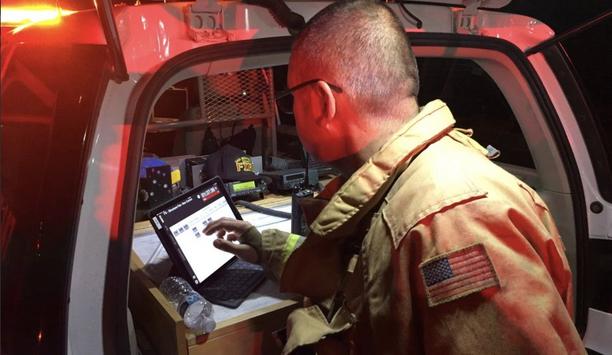
As a company officer, the day will come where you and your crew are first to arrive at what looks like the beginning of a major incident. Your Battalion Chief (BC) is delayed or diverted to other incidents, so YOU are the Incident Commander (IC). How you set the table for this incident with regard to quickly setting up the Incident Command System (ICS) is critical. And how you use your channels of communication, including the ways you communicate, will be crucial to your success. Before we jump into the ‘how-to’, let’s examine something that looms over everything we do during emergencies, especially fires - ‘The NIOSH 5’. I first became aware of the NIOSH 5, when listening to one of Anthony Kastros’ lectures on incident command and the need for an organization on the fire ground. ‘The NIOSH 5’ Firefighters and emergency workers typically get lost, hurt, or killed at incidents, when any one of five causal factors identified by The National Institute of Occupational Safety and Health (NIOSH) are present: Improper risk assessment Lack of incident command Lack of accountability Inadequate communications Lack of SOPs (or failure to follow established SOPs) Statistically, 50 percent of these line-of-duty deaths (LODDs) and injury events occur in the first 15 minutes of an incident. Half of those occur in the first three minutes! If you’re the initial IC, it’s statistically likely this could happen while you’re in charge. Need for training and practice in handling emergencies Keeping ‘The NIOSH 5’ at the forefront of your mind should trigger the need for training and practice in handling emergencies. Although there are factors you simply can’t control during an emergency, you can control communications, incident command, accountability, repetitive training, and standardization. The following are some things to keep in mind while managing an incident: Arrival on Scene In incident management, setup is everything and oftentimes, determines the outcome of the incident. To use a sports analogy, you definitely want your first pitch to be a strike. So how do you do that? Provide a Solid Size-up Clear and concise on-scene conditions reports set the tone for any incident and establish solid communications The first step is taking a deep breath and giving a good size-up. Clear and concise on-scene conditions reports set the tone for any incident and establish solid communications, and a command tone. Your tone and tempo in your size-up will help focus everyone and create a tactics-driven incident, rather than an emotions-driven one. But, if we’re being honest, being cool takes practice and repetition. Your agency should have a standardized way for how and when this size-up is delivered. In many cases, it’s a fill-in-the-blank script that includes the following four things: What you see (smoke and flames/or nothing showing) The area you see it affecting (the second story, the alpha/bravo corner) What’s happening/what’s on fire or causing the hazard (a two-story home or a sedan next to a building) Establishing command (a must-take command or pass, if you’re going to rescue a citizen) By practicing within your agency’s standards, it enables you to project a cool tone over the radio like you’ve ‘been there before. Order resources early and often Tunnel vision is a death sentence for any IC. In most cases, this is not the time to get sucked into task-level problems. The exceptions to this are structure fires and other emergencies where there is an immediate and known rescue. Otherwise, it’s time to step back, take in the big picture, and make decisions as an IC. Ask yourself: ‘What will this incident do in five minutes? 10? 20? One hour?’ If the answer is ‘get bigger’, then you need more resources. Order them early and often, because they can always be turned around. Don’t try to do too much with too little. Trusted Incident Command System equals early accountability As the initial IC, you’ll be sending crews into the hazard zone. It’s a red flag if, during the initial portion of the incident, you don’t have solid accountability. It’s during this initial ‘fog of war’ that we lose track of crews, and it’s when personnel gets hurt or killed. NFPA 1561, along with other best practices, requires that you know where everyone is and what they’re doing. If you don’t have that knowledge, stop and figure that out, or assign someone to figure it out and report back to you as soon as possible. Benefits of an all-in-one digital platform - Tablet Command Many agencies require the first-arriving officer to implement some form of an ICS to track crew Many agencies require the first-arriving officer to implement some form of an ICS to track crews – a notepad, whiteboard, tactical worksheet, or better yet, a digital command board. The huge advantage of an all-in-one digital platform like Tablet Command is that it’s CAD-integrated and will populate resources for you in real-time. There’s no writing and scribbling while listening to garbled radio traffic, and no trying to ‘catch up’ with resource orders that change on the fly. Accountability integrated into command processes With a platform, such as Tablet Command, all you’re doing is dragging and dropping resources into their assignments, which automatically time-stamps their activities. Maintaining accountability becomes seamlessly integrated into your command processes. These digital platforms also tend to be highly recognizable and easy for others to assume command. It’s paramount that you train extensively on whatever system your agency uses, and that everyone in your region or agency is squared away on how to maintain accountability in a standardized fashion. It’s a problem if you have several chiefs and company officers, and too many (or not enough) ways of maintaining accountability. Many agencies need the first-arriving officer to implement an ICS to track crews Segment and subdivide How do you eat an elephant? One bite at a time. Use your knowledge of your ICS to break up the incident into manageable bites. When the Fire Chief arrives, they’ll have simple questions: Where is everybody? What are they doing? How are they doing? How do I talk to them? Knowing where your people need to deploy and what channel they’re on are critical to accountability. Using the command board is a great way to have all of those questions answered. Using divisions, groups, or sectors can make your life easier in this regard, especially as an incident grows rapidly Using divisions, groups, or sectors can make your life easier in this regard, especially as an incident grows rapidly. This is true because it ensures you’re talking to the supervisors of each segment of the emergency, especially when assessing conditions, actions and needs. Setting up an incident this way should also be an expectation that is agency-wide and practiced in scenario-based training. The terminology should be standardized so that your agency and neighboring agencies aren’t interpreting what you’re trying to accomplish in the heat of battle. Summary A clear communications plan, solid scene size-up, and early establishment of the ICS by company officers are critical to incident success. Combine this with accurate and solid accountability systems, either through analog methods or with a modern digital solution in real-time, and you guarantee safer outcomes for your crews. The best way to be prepared is through long hours of dedicated practice in the command role and, more importantly, an agency-wide understanding of what’s in the play book: Standardization! A standard approach to managing incidents will help you remedy the chaos and enable you to hand over a well-organized incident to the first-arriving Chief.
Editor's Dispatch

The integration of technology into the fire service has significantly enhanced operations, but it has also introduced new vulnerabilities. Cybersecurity has become a concern for fire departments, possibly impacting their ability to respond effectively to emergencies and protect communities. Potential problems emanating from cybersecurity concerns include a disruption of a community’s emergency response system. False alarms could result from malicious computer hackers manipulating fire alarm systems, thus wasting resources, and causing potential danger for firefighters. Fire Risks From A Cyber-Attack Medical devices are connected to the IoT and are therefore vulnerable to attack Communication is another vulnerability: A cyber-attack on communication systems could hinder coordination among firefighters and with other emergency services. Potential cybersecurity targets related to the fire service include 911 systems, public safety radios, computer-aided dispatch systems, mobile data computers, and phone systems. In the EMS arena, electronic patient reporting and records management systems are at risk. Medical devices are connected to the Internet of Things (IoT) and are therefore vulnerable to attack. Many firefighter tools are operated by computers, so equipment malfunction is a real possibility. The digital world continues to infiltrate almost every aspect of firefighting. Critical equipment, such as fire trucks and rescue tools could be compromised, resulting in longer response times. Vulnerability to Ransomware Attacks Ransomware is a pernicious type of cyber-attack, involving the use of malicious software (malware) that encrypts files, rendering them inaccessible. The attackers then demand a ransom payment in exchange for the decryption key to restore the data. The city of Leeds, Ala., was hit by a ransomware attack in February 2018 that locked all city computers and data, including fire and police departments. A month later, Atlanta’s municipal systems were attacked, resulting in widespread outages, and disrupting city services. Impact on Data Loss and Privacy Fire units handle sensitive data, including the personal data of citizens and crisis responders In addition to operational concerns, there are also possible cybersecurity consequences relating to data loss and privacy. Fire departments handle sensitive data, including the personal information of citizens and emergency responders. A breach could lead to identity theft and reputational damage. On a more intangible level, a cyber-attack could erode public trust in the fire department's ability to protect the community. Negative publicity from a data breach can harm the fire department's image. Phishing schemes Among the cybersecurity threats are phishing schemes, which involve scammers attempting to obtain sensitive information from individuals, usually via email, by disguising themselves as trustworthy entities. Phishing can take the form of fake emails or websites that mimic legitimate businesses like banks, online retailers, or social media platforms. They lure victims by offering enticing deals, creating a sense of urgency, or claiming there's a problem with an account. Once the user clicks on a malicious link or provides personal information, the scammers can steal login credentials, credit card numbers, or other sensitive data. Top motivators of cyber-attacks Malicious files can be delivered as email attachments, which can contain viruses, ransomware, or other malware. Clicking a link in a suspicious email can redirect the user to a malicious website that can download malware or steal personal information. One of the top motivators of cyber-attacks is to collect personally identifiable information (PII) One of the top motivators of cyber-attacks is to collect personally identifiable information (PII), which is any data that can be used to identify an individual. This information includes name, address, phone number, social security or driver's license number, medical records, credit card or bank account numbers, and biometric data, such as fingerprints or facial images. The fire service handles a lot of PII, especially in emergency situations, including incident reports, property records, or patient information related to emergency medical services (EMS). Cyber-Criminals Have a Variety of Profiles Cyber-criminals come from a range of backgrounds and motivations. Individual hackers might be motivated by financial gain, ideology, or simply by the concept of a personal challenge. Organized crime groups might be motivated by profit, power, and/or influence. Other cyber-crime perpetrators include nation-state actors, who might be pursuing espionage, sabotage, or political influence. These threats have significant financial and technical capabilities. They include advanced persistent threats (APTs) from countries like China, Russia, and North Korea. Cyber threats posed by 'hacktivists' So-called 'hacktivists' can be motivated by political or social causes to launch distributed denial of service (DDoS) attacks, website defacement and/or data leaks. There is also the possibility of cyber-terrorists seeking to cause mass disruption or to achieve political or ideological goals. They are capable of large-scale attacks on critical infrastructure. Increased cyber-risks may lead to higher insurance premiums for fire departments There is a cost component of protecting against cybersecurity threats, a critical financial implication for cash-strapped fire departments. Implementing robust cybersecurity measures requires significant financial resources. At the other extreme, responding to a cyber-attack can be expensive, including legal fees, public relations, and system recovery. Increased cyber-risks may lead to higher insurance premiums for fire departments. Mitigation Strategies at a Glance Here are some mitigation strategies fire departments should consider: Risk assessment: Identify vulnerabilities and prioritize mitigation efforts. Employee training: Educate firefighters about cybersecurity best practices. Network security: Implement strong network security measures, including firewalls and intrusion detection systems. Data protection: Regularly back up data and encrypt sensitive information. Data minimization: Collect only the personal data that is necessary, and then limit access. Incident response plan: Develop a comprehensive plan for responding to cyber-attacks. Contingency: Create a backup plan to mitigate risk and minimize loss of critical assets in the event of an attack. Compliance: Ensure adherence with relevant privacy laws such as HIPAA and GDPR. Collaboration: Work with other agencies and cybersecurity experts to share information and best practices.

NFPA 1900, a new standard, applies to any fire apparatus purchased beginning in January 2024. The National Fire Protection Association (NFPA) has introduced a new, broader standard that encompasses the content previously contained in separate standards for automotive, wildland fire, aircraft rescue and firefighting vehicles, and automotive ambulances. The new standard is a soft-covered book containing 375 pages and incorporating 34 chapters and 10 indexes. NFPA 1900 Standard Most fire departments will not buy an apparatus that is not NFPA-compliant. Additional changes to the NFPA 1900 standard reflect the trend toward newer technologies such as electric fire vehicles and LED lighting. The previous standard specified the use of equipment such as an alternator or a muffler that is not required with an electric apparatus. New standard specifies such equipment is only required in the case of an internal combustion engine The new standard specifies such equipment is only required in the case of an internal combustion engine (but not for an electric vehicle). On the other hand, unique electric vehicle safety requirements are added. The chapters are written in a way to distinguish between electric propulsion and internal combustion engine propulsion. Specific seating requirements The ability of LED lighting to provide greater intensity is addressed by guidelines allowing for a warning light “night mode” that avoids a distracting contrast between very bright flashing lights in a dark environment. In the daytime, the brighter lights increase visibility, exceeding the minimum requirements previously set by NFPA. More specific seating requirements make a distinction between seats that are intended to be occupied on every response, which is larger, and those provided only for occasional use. The intent of the requirement is to maximize the comfort of personnel who will be riding in the cab most of the time. Clean cab features are not required in the new standard, but guidance is provided in the annex for those wishing to adopt clean cab procedures. NFPA 1910 aerial test Chevron striping on the end of the device can vary in color as long as it is retroreflective and opposite The new standard requires a rear-view camera on all apparatus. Chevron striping on the rear of the apparatus can vary in color as long as it is retroreflective and contrasting. Operator manuals must be available as a hard copy on the apparatus, as an electronic display, or as a QR code to a website download. The operator manual must include all the information the Underwriters Laboratory (UL) would need to perform the annual and five-year NFPA 1910 aerial test. The other hundreds of features listed in the standard range from better weather resistance of door seals to better vehicle control during emergency braking to a harder finish and better UV protection of paint. Current issue of NFPA 1900 NFPA is titled “Standard for Aircraft Rescue and Firefighting Vehicles, Automotive Fire Apparatus, Wildland Fire Apparatus, and Automotive Ambulance.” It replaces previous standards NFPA 414 (covering airport firefighting vehicles), NFPA 1901 (covering automotive fire apparatus), NFPA 1906 (for wildland fire apparatus), and NFPA 1917 (for automotive ambulances). While NFPA 1901 and 1906 officially disappeared in January 2024, there are some references to the previous standards included in the current issue of NFPA 1900. There are some references to the previous standards included in the current issue of NFPA 1900 The standard seeks to limit its requirements to cover the design, performance, acceptance, and testing of apparatus, not focusing on what equipment is carried on the apparatus. Therefore, NFPA 1900 no longer requires a specific hose, ladder, or miscellaneous equipment to be included; rather that information has been moved to the annex as recommendations rather than requirements. Development of any NFPA standard NFPA standards are formulated by technical committees and task groups that consider each change. Anyone can comment on or make suggestions and recommendations for the development of any NFPA standard, and revisions take place over the course of multi-year cycles. A second main standard covering fire apparatus is NFPA 1910 “Standard for the Inspection, Maintenance, Refurbishment, Testing and Retirement of In-Service Emergency Vehicles and Marine Firefighting Vessels.”

An ISO rating is a score between one and ten that indicates how well a fire department serves its local community. Determined by the Insurance Services Office, Inc. (ISO), a subsidiary of Verisk Analytics, the rating is based on a Fire Suppression Rating Schedule (FSRS). The lower the score, the better the rating, with a score of one being the best possible rating. Evaluation criteria For communities, the ISO rating is a reference to an agency’s capabilities to extinguish a structure fire based on this national standard. ISO evaluates three main factors: the department itself (50% of the total score), the available water supply (40% of the total), and the communications center (10% of the total). detailed and lengthy process However, there is much more that goes into a department's ability to protect a community In terms of the ability to protect the community, ISO only looks at a few critical details thus only reflecting how well departments are doing in those three categories. However, there is much more that goes into a department's ability to protect a community. Achieving an ISO score is a detailed and lengthy process that requires coordination among fire, water, and 911 center departments to work together to ensure the best possible result for the best resources available to a community. Challenges to make fire, water, and 911 center work together “It can be a challenge to coordinate so many moving parts, but each of the three must work together and make improvements for the overall score to improve,” says Robbi King, Solutions Engineer at Vector Solutions, a provider of compliance-based software solutions. “With most departments being all-hazards departments, ensuring any budgeted dollars are maximized for the positive effect of the ISO ratings should remain top of mind. Matching those dollars to the rating is critical for the citizens of the community.” training and workforce management Fire departments are deeply familiar with the ISO rating process as they are all held to this standard Vector Solutions is a pioneer in training and workforce management technology that enables Fire and Rescue Departments to meet their demanding training, compliance, and preparedness objectives including ISO. Fire departments are deeply familiar with the ISO rating process as they are all held to this standard. When it comes to the general public, more education is needed. ISO rating process The average person often does not know that these ratings exist or how they affect the community, says King. Additionally, ISO rating is only one facet of today's fire department. It requires a single person or group of people to gain the necessary knowledge and time to create changes and improvements to make a lasting impact on their community. community evaluations The evaluation is a large project that takes many staffing hours to prepare annually The general public tends to have an oversimplified view of ISO ratings: A fire hydrant in the front yard equates to cheaper insurance. However, the community evaluations actually look at many factors of the fire, water, and communications departments to set this rating from equipment and daily staffing levels to how long it takes for a 911 call to be answered. The evaluation is a large project that takes many staffing hours to prepare annually. public safety suite of products Through Vector Solutions’ public safety suite of products, including software for training management, policy distribution, personnel scheduling, critical incident, and exposure tracking, agencies are better prepared with documentation that authenticates details required under ISO ratings, says King. With an online course library including more than 450 hours of fire department training with 250+ hours of CAPCE-approved EMS recertification courses, Vector Solutions prioritizes worker safety alongside robust documentation to achieve a positive score. Vector Solutions’ Scheduling and Vector Check Vector Check, a mobile equipment repair and maintenance app, ensures agencies have better documentation Both Vector Solutions’ Scheduling work management software and Vector Check, a mobile equipment repair and maintenance app, ensure agencies have better documentation to support individual preparedness for success. These tools can be used to report daily staffing levels and pull reports from all necessary tests completed on the department's equipment. TargetSolutions Additionally, tools like the TargetSolutions online training management system can aid in reporting required training hours upon completion. These examples of preparedness documentation are essential for ISO ratings as they look to ensure individuals and agencies as a whole are up to date on training and other preparedness initiatives. Improvement in hydrant flow It can also note the best place to loop in another water main to improve the flow as well But how can technology identify places for improvement of elements like hydrant water flow? Hydrants are placed within a subdivision before roads are even made. If the water flow at the hydrants in a subdivision is not enough, the agency can use technology to find the best place to improve the water system and increase the water flow available. Technology can help by identifying the sizes of water mains to see if improving the volume or increasing the pressure would improve the flow in that area. It can also note the best place to loop in another water main to improve the flow as well. an all-hazards agency The “fire department” title is likely an outdated name for most agencies today, says King. Today, they are an all-hazards agency, and structural firefighting is only one facet of what makes the agency special. ISO only looks at this one facet. Many agencies have a hard time achieving or maintaining a high ISO rating because structural firefighting isn’t the only work that they are required to do day in and day out. Fire Suppression Rating Schedule Then work to identify what would be needed to gain those additional points to improve the rating" “Fire, water, and 911 center departments must coordinate to ensure the best possible ISO ratings,” says King. “This begins with reviewing the Fire Suppression Rating Schedule as a group and discussing each area to see where the community stands. Then work to identify what would be needed to gain those additional points to improve the rating.” AgencyConnect Along with contacting and attending sessions with Verisk/ISO, gaining insight from a department’s individual questions and their training is essential to maximize a community’s effort. Recently, Vector Solutions announced a new tool called AgencyConnect, a data-sharing solution connecting local departments' training management systems to those used by state-certifying authorities and training academies. simplifying training reporting Previously, training and certification records were distributed across agencies and academies, often locked away as a paper copy. By simplifying training reporting and reducing time-intensive, manual processes, more time can be spent ensuring first responders have the proper training that is essential when it comes time for ISO ratings.
Case studies

Fire and Rescue NSW has demonstrated its extensive firefighting capabilities, responding to multiple significant fires across Sydney overnight, the largest of which was a major factory blaze in Revesby. More than 100 firefighters and 25 fire trucks, including multiple aerial ladder platform trucks, worked for approximately four hours to contain a fierce warehouse fire that broke out at around 11.00pm on Milperra Road. Massive Blaze Contained Crews also extinguished a significant grass and bush fire that broke out towards the rear of the property The fire started to spread quickly but firefighters successfully contained the blaze, preventing major damage to surrounding properties. Crews also extinguished a significant grass and bush fire that broke out towards the rear of the property, with the assistance of NSW Rural Fire Service and FRNSW water tankers. The factory fire caused significant structural collapse, with hotspots smoldering and reigniting throughout the night. Firefighters are still on scene, extinguishing and mopping up from the blaze. Investigations are also underway to determine where and how the fire started. Stability Assurance As part of the clean-up process, FRNSW has identified an asbestos fibro roof at the site. Although the roof is stable, FRNSW is working closely with the NSW Environmental Protection Authority, local council and the property's insurance company to implement a recovery and asbestos management plan to ensure that the asbestos is contained in line with guidelines provided by safety experts. Tactical Incident Response While crews battled the Revesby fire, FRNSW also responded firefighters to other multiple serious incidents across Sydney including: Stennett Road, Ingleburn: Approximately 10 fire trucks and 40 firefighters contained a factory roof fire in around 90 minutes, with 12 people evacuated. Braidwood Street, Strathfield: Six fire trucks and 22 firefighters fought a blaze involving rubber playground equipment inside an industrial unit. FRNSW's Strategic Operations Centre ensures that resources are strategically relocated when major incidents occur, maintaining coverage across the city. This ensures that even during peak demand, fires are extinguished and resolved quickly.

Fire and Rescue NSW crews are striking the right chord with festivalgoers at the Tamworth Country Music Festival, ensuring fire safety takes centre stage at the iconic event, which attracts around 70,000 visitors each year. As part of a larger fire safety campaign running throughout the festival, FRNSW is conducting a blitz on smoke alarms in caravans, motorhomes and annexes. Firefighters are checking and replacing alarms to ensure all campers have working smoke alarms. Encouragingly, fewer smoke alarms are needing to be replaced this year, with around 10 alarms installed or replaced each day, compared to 35-40 in previous years. Proactive Safety Measures FRNSW crews will remain on-site for the duration of the festival, continuing their safety efforts This highlights that the fire safety message is resonating with the community. Beyond the smoke alarm blitz, firefighters are proactively managing the increased risks posed by the large number of campers during the festival. Their efforts include delivering fire safety education around cooking practices, checking BBQ hoses and connections and ensuring that hydrants in the area are always accessible. FRNSW has been working closely with Tamworth Regional Council to incorporate fire safety information into the festival’s booking process, ensuring attendees are informed about safety measures well before their arrival. FRNSW crews will remain on-site for the duration of the festival, continuing their safety efforts to ensure a successful and safe event for all attendees. Fire Safety Advocacy Quotes attributable to Superintendent Tom Cooper, Zone Commander Region North 3: “It’s great to see so many caravan owners embracing fire safety and ensuring their smoke alarms are working. This simple step can save lives and prevent tragedies.” “We’re proud to work closely with Council and the community to ensure the festival remains safe for everyone. The collaboration and proactive steps by festivalgoers show how effective fire safety education can be.”

Hochiki Europe, a global provider of innovative fire safety solutions, is proud to announce its nomination as a finalist in the Electrical Contracting News Awards for Lighting Project of the Year. The nomination recognizes the exceptional work on the FIREscape Nepto installation project at the Unity Theatre in Liverpool, done earlier in 2024. Need: fire safety solution Unity Theatre, a historic venue renowned for its diverse programming of community initiatives and historical architecture, required a fire safety solution that would seamlessly integrate with the building’s unique design. Hochiki Europe’s FIREscape Nepto provided the perfect answer. This innovative product combines advanced fire detection technology with discreet, architectural lighting, ensuring both safety and aesthetic appeal. solution: FIREscape Nepto The low-profile, linear design of the detectors blends seamlessly with the theater’s interior By installing FIREscape Nepto throughout the theatre, Hochiki Europe was able to enhance the venue’s fire safety system while maintaining its historic charm. The low-profile, linear design of the detectors blends seamlessly with the theater’s interior, providing early warning detection without compromising on visual appeal. solution benefits Additionally, the installation of FIREscape Nepto resulted in significant cost savings for Unity Theatre. By eliminating the need for separate lighting fixtures and wiring, the theater was able to reduce installation time and material costs. Furthermore, the theater predicts the energy-efficient design of FIREscape Nepto will help to lower ongoing operational expenses by up to £900 a year. life safety solutions “We are honored to be recognized by the Electrical Contracting News Awards for our work on the Unity Theatre project,” said Nathan Hudson, Sales and Marketing Director at Hochiki Europe. He adds, “This nomination is a testament to the dedication and expertise of our team, as well as the innovative nature of our FIREscape Nepto product. We are committed to providing life safety solutions that not only protect lives and property, but also enhance the beauty and functionality of spaces like Unity Theatre.” Electrical Contracting News Awards The Electrical Contracting News Awards celebrate excellence in the electrical contracting industry, recognizing outstanding projects and individuals. The winners will be announced at an awards ceremony on 5th December at The Heart of England Conference and Events Centre, Coventry, UK.

The American Fire Sprinkler Association (AFSA), a nonprofit, international association representing merit shop fire sprinkler contractors, has been a positive force in the industry to promote user education of the National Fire Protection Association® (NFPA®) codes and standards. The industry’s landscape of education is consistently advancing, and as they lean into a digitally focused future, AFSA thought it pertinent to ensure their training and education models could withstand the evolution of the codes and standards industry. NFPA codes and standards In 2024, 70 percent of skilled workers are eager to embrace tools, such as digital codes and standards platforms, and 46 percent identified tech consolidation as a crucial skill and a way to increase communication methods, according to a 2023 survey on the state of skilled trades. AFSA was looking for a more modern approach to working with codes and standards. AFSA was looking for a more modern approach to working with codes and standards “Digital transformation is coming. This is where the industry is trending towards, so now is the key time to jump on board," said Josh Mcdonald, Technical Services Manager at AFSA. By implementing NFPA LiNK®, a subscription-based application that delivers digital NFPA codes and standards, AFSA was able to help increase hiring and retention, improve training, and streamline workflows across teams. From Bookshelves To Digital Devices AFSA began transitioning from paper-based and electronic PDF copies of NFPA codes and standards to NFPA LiNK in 2021, soon after NFPA launched the platform. The motivation for early adoption was a keen understanding that a more digitally connected world was bound to integrate into the fire and life safety world sooner than later, and they knew they would need to be ahead of the curve. Diving headfirst into a digitally focused landscape to make education easier and more accessible is part of the organization’s goal to prevent fire devastation. From Generation Z to Baby Boomers, all AFSA trainees undergo a digitally focused program From Generation Z to Baby Boomers, all AFSA trainees undergo a digitally focused program. Tracking codes and standards changes using multiple editions is a task that doesn’t lend itself to advanced collaboration, especially as the fire and life safety industry transitions to a digital future. The AFSA technical services team, tasked with staying on top of the latest codes and standards updates and requirements, currently uses NFPA LiNK for codes and standards clarifications, bookmarking and sharing, and responding to other members directly in the application on questions and/or technical reviews. With NFPA LiNK, the technical services team can access and quickly search for several editions of standards, identify the latest updates between editions with interactive change indicators, and create and organize notes into shareable collections for other team members. Latest updates to NFPA codes and standards NFPA LiNK to check the latest updates to NFPA codes and standards to inform and drive keynote ends The AFSA education team, in charge of their members’ employee learning and development, also uses NFPA LiNK to optimize training programs by leveraging the platform to answer questions from trainees and students within their programs. For example, they use NFPA LiNK to review the latest updates to NFPA codes and standards to inform and drive key message points for employee training. As the fire and life safety industry continues to move at a faster pace than ever before, prioritizing education and awareness of codes and standards changes is vital to employee learning and development. New equipment, renovations, and technology can be difficult to manage in an industry as highly regulated as fire and life safety. Determined to stay up to date on the latest, the education team uses digital tools, like NFPA LiNK, to ensure that what they’re teaching can quickly change with industry updates. Increased productivity, streamlined workflows Since implementing NFPA LiNK, AFSA has reaped the benefits of receiving instant access to NFPA codes and standards on any device. Not only does this lower the barrier to entry for accessing codes and standards in real-time, but it also increases efficiency and promotes collaboration with teammates no matter where they’re located. “There are two programs that are perpetually open on my computer: email and NFPA LiNK. Transitioning to a digital codes and standards platform has been a game changer thanks to immediate and searchable access to different editions of the standards, not to mention being able to link directly to the requirements when asked, ‘Where in the standard does it say this?’” – Veronica Westfall, technical development specialist at AFSA. AFSA’s vision is to be a relentless force for a world free from the devastation caused by fires in commercial and residential structures. To ensure its vision is realized, the organization works in partnership with NFPA and the Home Fire Sprinkler Coalition to promote user education regarding NFPA codes and standards for the protection of lives and property.

Stamford Bridge, home to Chelsea Football Club, now boasts an upgraded fire safety system thanks to TP Fire & Security Ltd's installation of Advanced equipment, ensuring protection and peace of mind for fans and staff. The project at the iconic London stadium involved replacing 14 existing fire alarm panels with a network of 17 Advanced MxPro 5s and three repeater panels, while ensuring uninterrupted functionality throughout the transition. Client's stringent requirements The systematic decommissioning of the old system and installation of the new MxPro 5 network throughout the stadium, plus the integration of two new PC-Net graphics system, demanded careful planning and efficiency. Despite the complexity of the task, the work was successfully completed in just six days, meeting the client's stringent requirements for continuous protection and performance. Stamford Bridge Stamford Bridge has been the proud home of Chelsea Football Club since 1905 Stamford Bridge, situated in Fulham, West London, has been the proud home of Chelsea Football Club since 1905. With a capacity of 40,343, it stands as one of England's most historic football venues. From its humble beginnings as an athletics ground in 1877, Stamford Bridge has evolved into a modern, all-seater stadium, hosting a myriad of sporting events, including football, cricket, rugby, and even speedway. Its rich history, coupled with its status as a Premier League venue, makes it a cornerstone of British football culture. Transition to the new Advanced system Simon Fiddy, Project Manager at TP Fire & Security Ltd, stated: "The successful upgrade at Stamford Bridge is a testament to our team's expertise and dedication and the ease of use of Advanced products. Despite the challenges posed by the scale and complexity of the installation, the exacting schedule and the need for continuous operation, we delivered a seamless transition to the new Advanced system. Chelsea FC's satisfaction with the completed project underscores our commitment to excellence in fire safety solutions." Robert Ives, Fire Safety Officer for Chelsea Football Club, added: "Ensuring the safety of Stamford Bridge and its occupants is our top priority, and the successful upgrade to our fire safety system plays a significant part in that goal. I'm relieved to have implemented a reliable and adaptable solution, ensuring continuous protection for Chelsea Football Club and its loyal supporters. I extend my thanks to all parties involved, whose expertise and dedication made this project a resounding success." Enhancement of fire safety measures Salvy Vittozzi, Regional Sales Manager for the South East, said: "We're proud to have contributed to the enhancement of fire safety measures at Stamford Bridge. Advanced equipment offers the reliability and flexibility demanded by large venues like Chelsea FC. This successful project highlights the effectiveness of our solutions in safeguarding iconic landmarks and ensuring the protection of occupants and assets." The fire alarm system upgrade at Stamford Bridge combined cutting-edge technology and expert installation, resulting in enhanced safety and peace of mind for Chelsea FC and its supporters. FM Approvals to EN 54 Parts 2 and 4 MxPro 5 is the fire industry’s renowned multiprotocol fire panel and is certified by FM Approvals MxPro 5 is the fire industry’s renowned multiprotocol fire panel and is certified by FM Approvals to EN 54 Parts 2 and 4. It offers customers a choice of four detector protocols and a completely open installer network, backed up by free training and support. MxPro 5 can be used in single-loop, single-panel format, or easily configured into high-speed networks of up to 200 panels covering huge areas. Ease of installation and configuration, as well as its wide range of peripheral options, make MxPro 5 customizable to almost any application. MxPro 5 BMS/graphics interface The MxPro 5’s stand-out false alarm management capabilities are available as standard. AlarmCalm delivers unprecedented control of verification and investigation delays. By dividing sites up into virtual false alarm ‘building areas’ independent of fire zones, much more precise control of false alarm management and reduction strategies can be achieved that exactly fit the needs of each part of a building. optional AlarmCalm button An optional AlarmCalm button allows trained occupants to verify if they believe a local fire signal is a false alarm too – a highly effective way of eliminating unwanted alarms. The MxPro 5 BMS/graphics interface allows BMS systems and graphical control PCs The MxPro 5 BMS/graphics interface allows BMS systems and graphical control PCs to be easily integrated with the MxPro 5 series of fire control panels and remote terminals using a simple RS232 connection. Multiple interfaces can be connected to the network catering for sites requiring control from a number of graphical PCs. Manufacture of intelligent fire systems As a world pioneer in the development and manufacture of intelligent fire systems, advanced products are specified in locations around the world, from single-panel installations to large, multi-site networks. The advanced portfolio includes complete fire detection systems, multiprotocol fire panels, extinguishing control, false alarm management and reduction systems as well as emergency lighting. Advanced is owned by FTSE 100 company Halma PLC – a global group of life-saving technology companies with a clear purpose to grow a safer, cleaner, healthier future for everyone, every day.

Pierce Manufacturing Inc., an Oshkosh Corporation business, is proud to announce the City of Denton Fire Department in Texas has secured a purchase order for a Pierce® Volterra™ electric fire truck as part of its efforts to replace aging fleet vehicles and expand operational advancement. Sold through Pierce dealer Siddons-Martin Emergency Group, the new Pierce Volterra pumper is expected to be delivered in fall of 2024. The new Pierce Volterra fire truck will be stationed at Station 1, one of the busiest in the city, adding to the department’s all-Pierce fleet. The City of Denton’s dedication to serving its community with operationally advanced and environmentally responsible equipment is demonstrated by its investment in the necessary infrastructure to support this state-of-the-art electric fire truck and the others that may follow in years to come. Pierce’s exclusive electrical system Its extreme parallel-electric drivetrain lets for zero-emission pumping and driving in EV way The City of Denton Fire Department’s new Pierce Volterra electric pumper includes features such as a custom Pierce Enforcer™ chassis, TAK-4® Independent Front Suspension, a 246-kWh battery, and Pierce’s exclusive electrical system, Command Zone™, among others. Its revolutionary parallel-electric drivetrain allows for zero-emission pumping and driving in EV mode, with the ability to provide continuous and uninterrupted power to the pumping system or drive system through the backup internal combustion engine. “Adding a Pierce Volterra pumper to our fleet reflects our dedication to ensuring our crews have the critical equipment they need to serve our community each day and represents the support we receive from municipal partners to adopt progressive firefighting technology,” said Kenneth Hedges, Fire Chief of the City of Denton Fire Department. “We are proud to be at the forefront of this movement, pioneering by example in the pursuit of sustainability and improving safety for our firefighters.” Regional air quality improvements The City of Denton’s ambitious plans and long-term duty to sustainability and regional air quality The Department’s decision to invest in the Pierce Volterra electric fire truck was influenced by detailed discussions with peers in Madison, Wisconsin, and Portland, Oregon, who have had positive experiences with their Pierce Volterra pumpers. Beyond first-hand accounts of daily operations from industry colleagues, the City of Denton’s ambitious goals and long-term commitment to sustainability and regional air quality improvements underscored the decision for this acquisition. “Siddons-Martin is honored to continue our longstanding partnership with the City of Denton Fire Department as they embark on a pivotal journey towards sustainability and improved operational safety,” said Pat Siddons, President of Sales with Siddons-Martin Emergency Group. “They are taking a leading role in setting new standards, and we are fully committed to continue to provide top-tier service, whenever they need us.” Top-tier emergency services The City of Denton Fire Department, staffed by 216 dedicated personnel across eight fire stations, is expanding its capacity with the construction of Station 9, slated to open this summer. Tasked with the safety of nearly 150,000 residents over a response area of almost 100 square miles, the department is committed to providing top-tier emergency services to the city’s residents and visitors.
Round table discussion
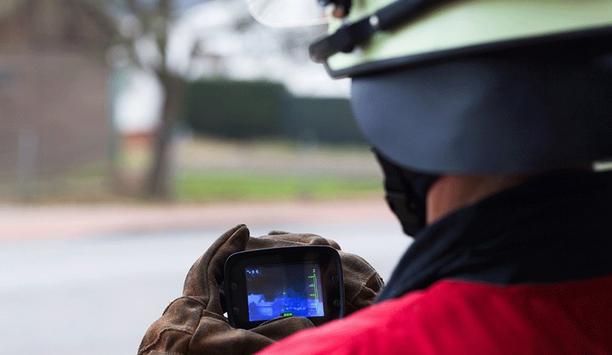
Thermal imaging is an advantageous tool for firefighters on the frontline. As thermal cameras have become more compact and affordable, their availability has expanded, along with their usefulness. We asked our Expert Panel Roundtable: How does thermal imaging serve the needs of firefighters and how is it changing?
Products




Videos


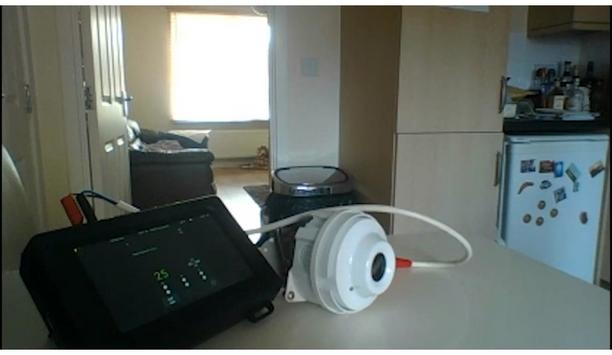

Fire Insurance: Manufacturers & Suppliers
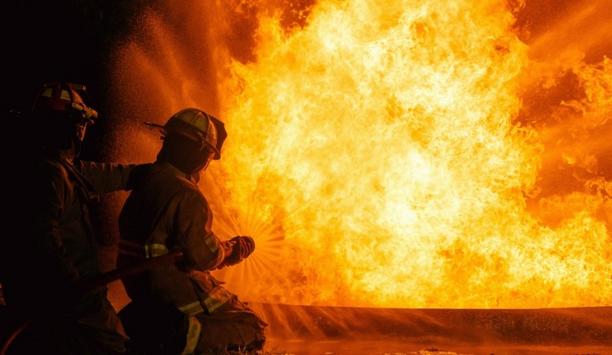
The New Future For Fire Agencies
Download
The Eight Key Trends in Fire Detection in 2023
Download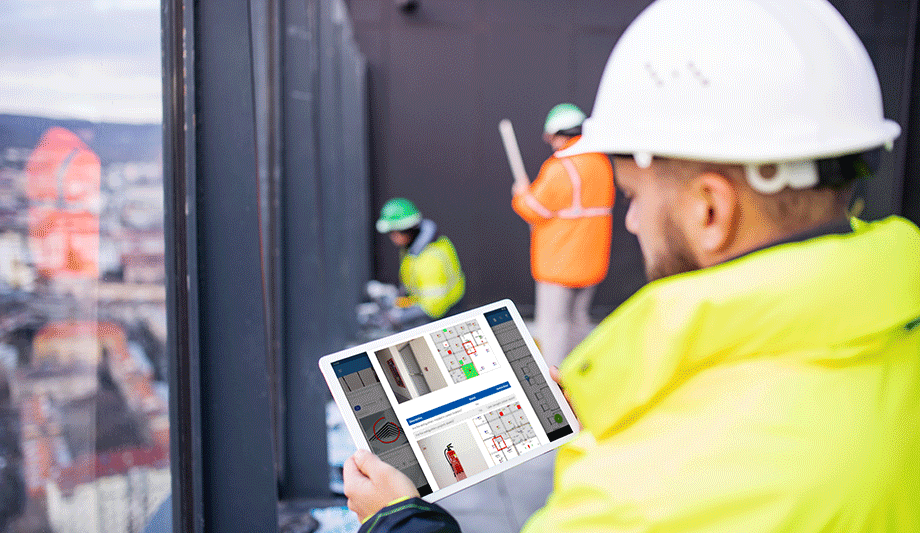
A Digital Platform to Improve Fire Safety Compliance and Inspections
Download
Overcoming the Challenges of Fire Safety in the Paper Industry
Download
Carbon Monoxide: Creeping Killer Caught In The Act
Download