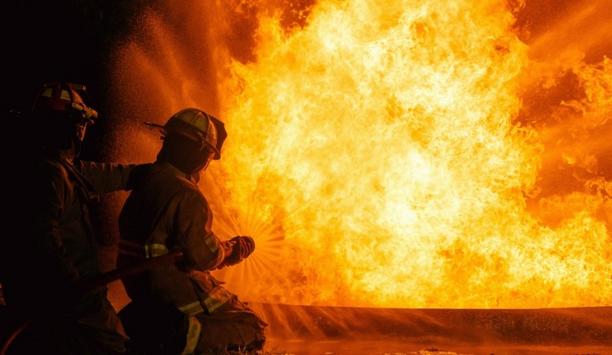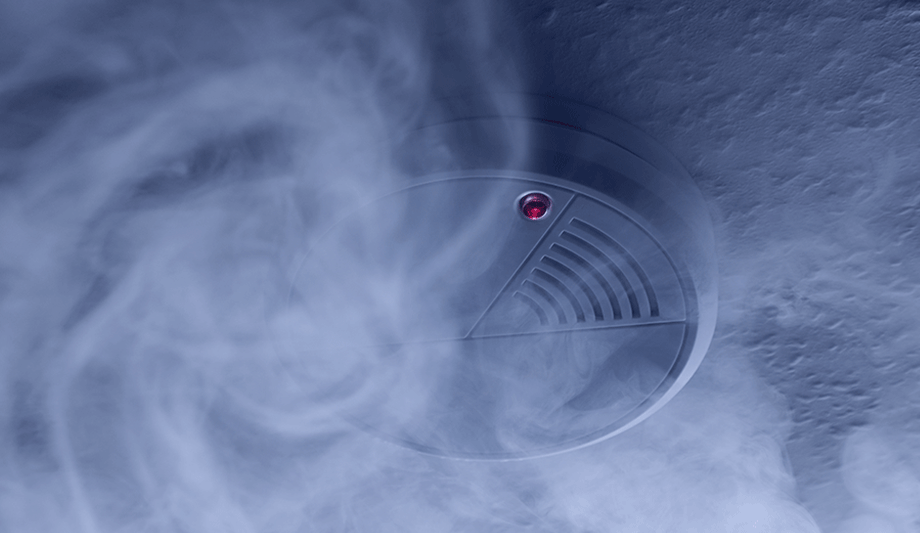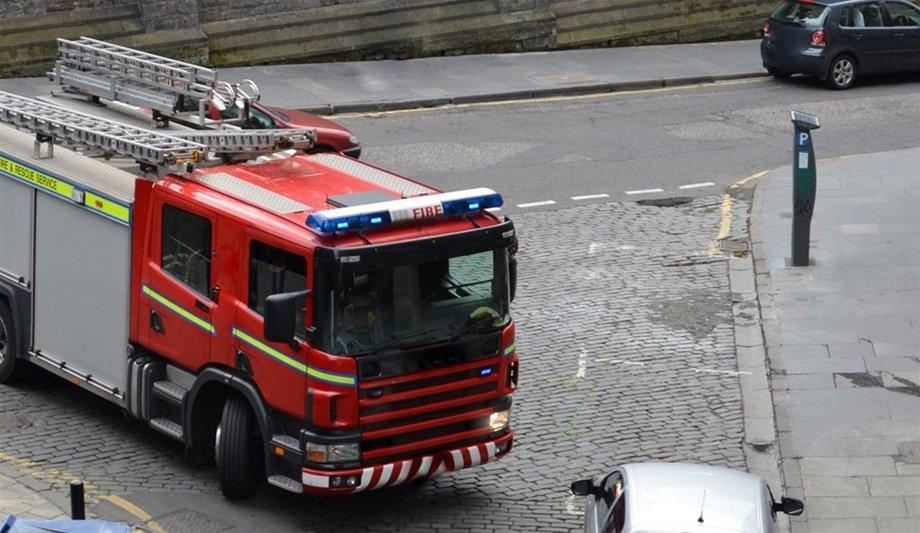

Responding to an average of nearly 30,000 calls a year to false alarms generated from automated fire alarm activations, unwanted fire alarm signals (UFAS) account for 30% of all incidents by the service.
Time for Change
Reducing Unwanted Fire Alarm Signals is a new consultation document from the Scottish Fire and Rescue Service. It shows that only 2% of automatic fire alarms from non-domestic properties were actual fires, with only a tiny percentage requiring firefighting as the majority were small and extinguished prior to the service arriving on the scene.
Every UFAS involves nine firefighters and two fire appliances. It takes an average of 15 minutes from the appliance leaving the station to the cause of the alarm being identified, but, says the service, dealing with these calls often takes twice as long.
Blue light journeys
Undertaking around 57,000 unnecessary blue light journeys every year caused by UFAS
By undertaking around 57,000 unnecessary blue light journeys every year caused by UFAS, the service estimates it produces 575 tons of carbon emissions. That is the carbon equivalent of heating 230 homes every year.
Chief Officer - Martin Blunden explained why change is needed, he said: “In changing our response to these calls, we can use our resources more effectively, including further improving our response to genuine emergencies. We can also use this time for more training and fire prevention activity, as well as realizing the knock-on benefits of improving road safety and reducing our carbon impact. It will also mean less disruption to businesses as they no longer need to wait for us to attend to give the all-clear after an AFA.”
Problem of UFAS
The consultation is on three options for dealing with the problem of UFAS:
Option A: Operations Control (OC) staff will call challenge AFAs from non-domestic premises. No response will be mobilized, if questioning through call challenge confirms there is no fire, or signs of fire.
Option B: OC staff will call challenge all AFAs from non-domestic premises. No response will be mobilized, if questioning through call challenge confirms there is no fire, or signs of fire.
Option C: Non-attendance to AFAs from non-domestic premises. OC staff will advise the caller that the service will not attend unless a back-up 999 call confirming fire, or signs of fire is received.
outcomes of Public consultation
There are some exemptions: under options A and C, the service is proposing to continue sending an appropriate number of fire appliances to all AFA calls received from property types recognized as having sleeping provisions, ensuring a proportionate response to AFAs based on life risk.
The outcomes of this public consultation will inform a final business case to allow a decision to be made by the Scottish Fire and Rescue Service Board on a preferred option near the end of 2021. The consultation runs until 11 October 2021.

- Fire Safety Risk Assessment
- Fire Safety Planning
- Fire Prevention
- Fire Detection
- Fire Protection
- Fire Rescue
- Fire Safety Testing
- Fire Safety Standards
- Training & Education
- Fire Safety Policies
- Fire Emergency Response
- Electrical Fire Safety
- Building Fire Safety
- Active Fire Protection (AFP)
- Explosion Protection
- Artificial Intelligence