
Firefighting has undergone more than enough change in the last couple of years, some of it the result of the coronavirus pandemic. As the pandemic wanes, there is talk about the “new normal.” But what does that mean for the fire service? At the very least, fire departments need to be aware of changing trends, including everything from new health concerns and preparedness requirements to an evolving social climate that is spilling over in the fire service.
More online and “hybrid” training
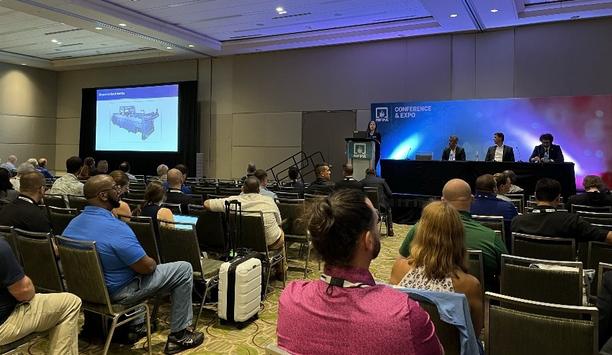
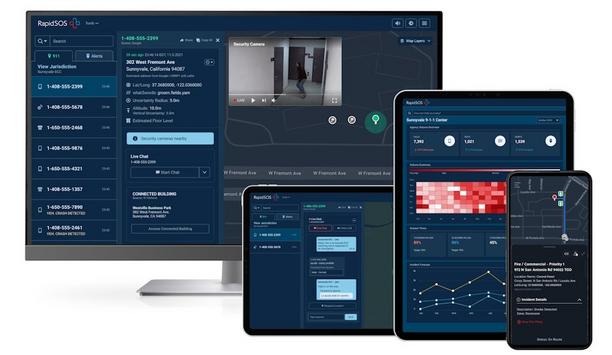
Training practices evolved by necessity during the pandemic with a rise in online learning. Tools such as Zoom and online fireground simulation programs enabled training to continue even during the worst of the pandemic.
The “new normal” will likely see a continuing and even expanding, use of these tools as elements of training. However, there will always be a need for hands-on training, and the pandemic has required that training adapt to minimize possible exposure to the virus.
Examples in training facilities
Ventilation and air filtration in training facilities can also help to keep trainees free of any airborne infections
Although less urgent, as the virus spread decreases there is a likelihood that some of these practices will continue. Examples include a need to limit the number of students to allow for social distancing, requiring face coverings, and using plenty of hand sanitizer.
Ventilation and additional air filtration in training facilities can also help to keep trainees free of any airborne infections, whether it’s COVID or the seasonal flu.
Greater emphasis on preparedness
Being ready for an emergency is the core mission of fire departments, and yet the pandemic taught us some new lessons about the importance of preparedness.
For instance, PPE, cleaning supplies, and other equipment were in short supply during the early weeks of the pandemic. To put it bluntly, many in the fire service were not prepared. Going forward, there is likely to be a greater emphasis on maintaining a supply and inventory of needed equipment.
More awareness of possible exposure threats
Using gloves and eye protection to avoid exposure to bloodborne pathogens became general practice
Using gloves and eye protection to avoid exposure to bloodborne pathogens became general practice for first responders in the 1980s. However, there was less awareness of possible exposure to airborne pathogens. The coronavirus pandemic changed all that forever.
In addition to masks and social distancing, the pandemic brought with it a consciousness of airborne transmission that will translate into better precautions looking ahead to the future. Awareness of sanitation has also increased.
Persistent staffing shortages
During the pandemic, and even as it decreases, staffing shortages have been a new reality for fire departments. Like many other jobs in today’s economy, firefighters are in short supply and departments are understaffed.
More flexible work schedules can help to bridge the gap. In the long term, the problem will require more basic changes such as more firefighter recruitment and even higher wages.
Larger and more destructive wildfires
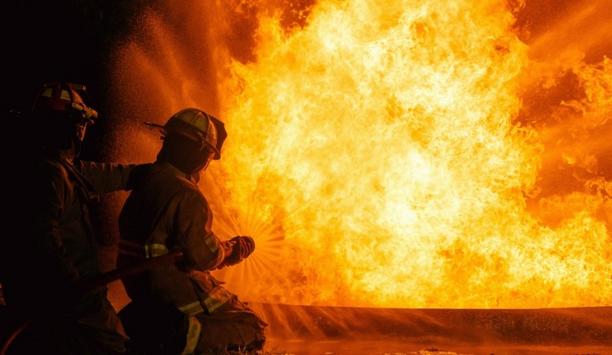
Whether one attributes it to climate change, how forest land is managed, or population growth near the wildland-urban interface (WUI), the challenges are real. Cool and dry winters and hot, dry summers create perfect conditions for fast wildfire spread.
The new normal challenges the resources and personnel of fire departments beyond their limits, not to mention the devastating impact on property and lives.
Greater need to protect personnel
Fire risks are bad enough without fire personnel having to worry about attacks from the public they serve
Recent antagonism toward the police sometimes extends to other uniformed personnel, including firefighters and their equipment. Riots and civil unrest especially could put firefighters in the crosshairs as they seek to respond to related emergencies.
More departments are considering countermeasures such as bullet-proof vests and training in self-defense and/or de-escalation. Fire risks are bad enough without fire personnel having to worry about attacks from the public they serve.
The new emphasis on diversity and inclusion
Fire departments have traditionally been white and male, but there is a noticeable trend toward more diversity and inclusion.
Much of society has embraced new levels of sensitivity about a range of social issues from race to transgenderism, and fire departments must adjust. In recent years, cases of racial or gender discrimination have been costly for some departments. The new normal requires empathetic and fair treatment of everyone.