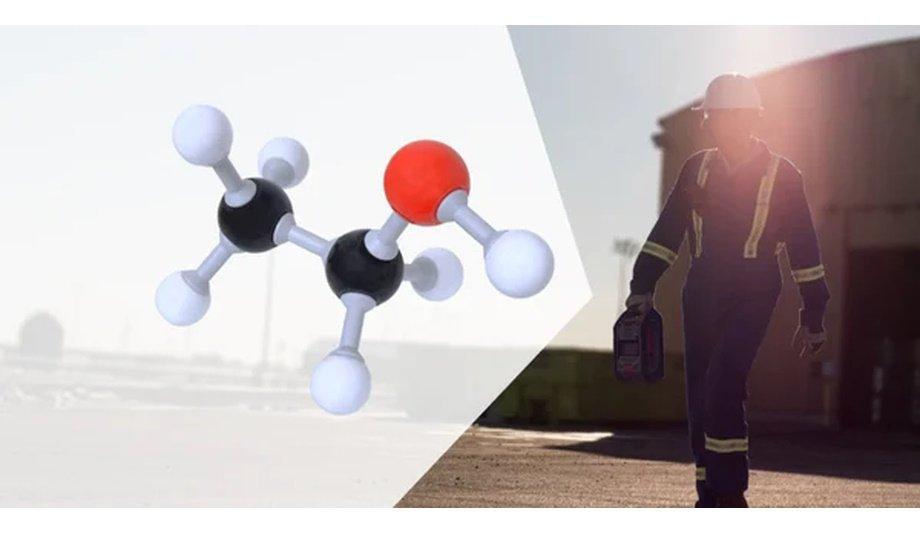

Volatile organic compound (VOC) gases are a wide range of naturally occurring and synthetic chemicals found in everyday life. Many VOCs are harmless, but others can dramatically affect worker health and the environment.
The United Nations estimates that, globally, one worker dies every 15-30 seconds from toxic exposure at work. Those numbers are alarming and demonstrate why businesses must take air quality monitoring seriously to ensure worker health and safety.
Where VOCs found
VOCs can also be found in offices and homes from detergents, paints, and aerosol sprays
VOCs can be present almost anywhere; they are involved in manufacturing chemicals and synthetic materials and are common in industrial areas like refineries, chemical plants, and pharmaceutical manufacturing. VOCs can also be found in offices and homes from detergents, paints, and aerosol sprays.
Also, If at the supermarket and see favorite product with the label “VOC free,” don’t get too excited. It simply means that although it doesn’t contain ozone-depleting VOCs, there could still be other VOCs that cause adverse health effects.
How VOCs affect worker health
Exposure to VOC gases from inhaling airborne molecules is most common, and sometimes symptoms can be felt immediately. However, repeated low-level exposures to VOC can result in illness months or years later.
The two factors of level and length of exposure can result in minor irritations to organ damage (EPA) so it is critical to ensure any potential risks to workers from VOCs are monitored with personal gas detectors.
Using PID Sensors to detect VOCs
PID sensor technology utilized by Blackline Safety is the best way to scrutinize VOCs
Can’t avoid VOCs, but can take proactive steps to protect workers from their harmful effects. Because VOCs release molecules into the atmosphere at room temperature, can detect them with gas monitors.
The photoionization detection (PID) sensor technology used by Blackline Safety is the best way to monitor VOCs. It can detect more than 700 compounds and has quicker response times than traditional electrochemical sensors.
VOC Gases–Protect Workers Against Hidden Hazards
Watch an educational webinar to learn more about volatile organic compounds and how they can affect worker health and safety. In this webinar, experts go through a deep dive into VOCs, their health effects, and the technology used to detect them.
"Unfortunately, it’s not really possible to avoid VOCs; the only thing we can do is to mitigate the risks by controlling and measuring VOC exposure,” Ilaria Tramelli, PID Specialist at Blackline Safety.