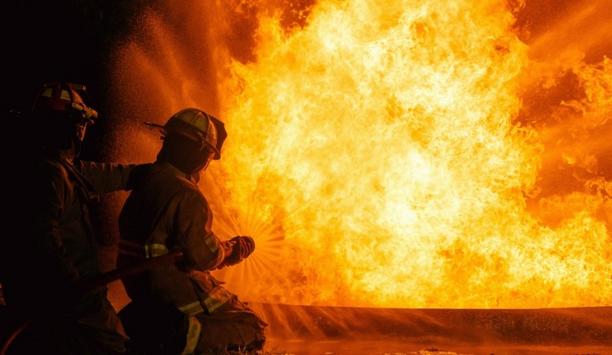
Firefighting Personal Protective Equipment (PPE) includes turnout gear, helmets, gloves, and boots, all designed to protect them from the intense heat, smoke, and hazardous materials they encounter on the job.
Properly maintained PPE is essential not only for the safety of the firefighter but also for the success of firefighting operations.
Reduced Thermal Protection
Firefighters depend on the insulating properties of their PPE to withstand extreme temperatures.
Improper washing can compromise the fire-resistant properties of the fabric, reducing its ability to protect the wearer from heat and flame. Over time, this can result in serious burn injuries.
Decreased Structural Integrity
Weakened seams and fabric can lead to tears and ruptures, leaving firefighters vulnerable
Exposure to harsh detergents, improper cleaning methods, and excessive heat during washing can damage the fabric and stitching of turnout gear.
Weakened seams and fabric can lead to tears and ruptures, leaving firefighters vulnerable to burns, cuts, or abrasions.
Respiratory Risks
Residues from incomplete washing may contain hazardous materials and contaminants from previous fire scenes.
These residues, if not completely removed, can release toxic fumes when exposed to heat, posing significant respiratory risks to firefighters.
Exposure to Carcinogens
Fires often involve the combustion of toxic materials, and these contaminants can adhere to PPE. Improper washing can fail to remove these carcinogenic substances, increasing the risk of long-term health issues, such as cancer, for firefighters.
Reduced Visibility
Reduced visibility can slow down their response time, endangering the safety
Helmets and visors can accumulate soot and grime, hindering a firefighter's visibility. Reduced visibility can slow down their response time, endangering their safety and those they are trying to rescue.
Increased Heat Stress
Properly cleaned PPE maintains breathability, allowing the body to regulate temperature. Dirty or improperly washed gear can trap heat and moisture, leading to heat stress and exhaustion during firefighting operations.
inspection and cleaning routines
To mitigate these risks, firefighters and their departments should establish regular inspection and cleaning routines. Inspection should include checking for visible damage, tears, or contamination.
Cleaning should be carried out according to the manufacturer's guidelines, using mild detergents and a gentle washing process that avoids excessive heat and agitation. Furthermore, it is crucial to ensure that all contaminants are completely removed from the PPE.
PPE maintenance
Properly washing and maintaining firefighting PPE is not just a matter of extending the lifespan of the gear; it's a matter of life and death for firefighters. The effects of improper washing can lead to reduced protection, compromised structural integrity, and long-term health risks.
Fire departments and individual firefighters must prioritize the correct care and cleaning of their PPE to ensure they can continue to serve and protect their communities effectively while keeping themselves safe from the unseen dangers of improperly washed gear.

- Fire Safety Risk Assessment
- Fire Safety Planning
- Fire Prevention
- Fire Protection
- Fire Rescue
- Fire Safety Testing
- Fire Safety Standards
- Fire Safety Policies
- Fire Safety Management
- Electrical Fire Safety
- Industrial Fire Safety
- Active Fire Protection (AFP)
- Firefighter Health and Safety
- Personal Protective Equipment (PPE)