Fire safety is a crucial concern for the hospitality industry due to the significant risks that fires pose to both property and human life.
Properly implementing fire prevention measures can significantly reduce these dangers, safeguarding guests and staff alike. Understanding the causes of fires and the necessary precautions is vital for anyone operating within this sector.
Ensuring fire safety in hospitality establishments such as hotels, eateries, and bars is essential to protect both employees and patrons.
Failure to comply with fire safety standards, such as the Regulatory Reform (Fire Safety) Order 2005, can lead to severe penalties. Recent high-profile cases highlight the importance of adhering to these regulations, with businesses facing hefty fines for neglect.
Common sources of fire risk in the hospitality sector include kitchens, where cooking equipment and flammable materials pose a high hazard, and electrical faults caused by outdated or overused equipment.
Smoking and improper waste disposal can also lead to fires, emphasizing the need for designated smoking areas and proper waste management.
To mitigate fire risks, hospitality businesses should implement thorough fire safety procedures, including staff training, maintenance of fire safety devices like extinguishers and alarms, and regular fire risk assessments.
Ensuring that electrical equipment passes Portable Appliance Testing (PAT) is another preventive action that can significantly diminish risks.
Arson is another concern for these businesses, constituting a significant percentage of fire incidents in the UK.
Businesses can reduce their vulnerability by installing security measures, conducting regular fire drills, and ensuring that their fire safety systems are regularly maintained and inspected.
Many hospitality businesses fall afoul of regulations due to blocked escape routes, malfunctioning fire doors, and inadequate fire safety training.
Complying with fire regulations not only helps protect guests and staff but also shields business operators from legal and financial repercussions.
Disregarding fire safety measures can result in catastrophic damage, affecting a business's reputation and financial stability.
Compliance with fire safety regulations is critical to preventing tragic outcomes and ensuring a safe environment for all.
Hospitality businesses can bolster their fire safety by investing in crucial equipment and systems such as fire alarms, extinguishers, emergency lighting, and dry/wet risers.
Properly training staff to handle fire-related emergencies ensures they can efficiently guide patrons to safety.
To maintain high fire safety standards, it is important for hospitality businesses to conduct regular evaluations and keep up-to-date with legal requirements.
Investing in fire safety equipment and training programs can help mitigate fire risks and ensure adherence to safety regulations, thus fostering a secure environment for both guests and staff.
For a business owner in the hospitality sector, fire safety should be one of the top priorities. Fires can cause extensive damage to the property and put the customers and employees at risk. In this guide, they’ll provide tips on reducing the risk of fires in the business and what to do if a fire breaks out.
They’ll also discuss some common causes of fires in the hospitality industry and the steps they can take to prevent them. So read on for all they need to know about fire safety in the hospitality sector!
Why Fire Safety is Essential in Hospitality
Fire safety is a top priority for any hospitality business. From hotels to pubs and B&Bs and restaurants to clubs, they must follow fire safety regulations to protect staff and guests. A fire in a hospitality setting can have devastating consequences for the property and the business’s reputation.
That’s why it’s so important to have comprehensive fire safety procedures in place and to ensure that all staff are fully trained in fire safety protocols. By taking fire safety seriously, hospitality businesses can help to prevent tragedies and ensure that their guests always enjoy a safe and enjoyable experience.
The law requires hospitality businesses to have robust fire prevention and safety measures at all times. Unfortunately, there have been some high-profile cases in recent years where hotels, B&Bs, cafes, and restaurants have been fined heavily for breaches of the Regulatory Reform (Fire Safety) Order 2005. In many cases, these fines could have been avoided if the businesses had taken better fire safety precautions.
Risk of fire damage
Hotels in particular need to be aware of the fire risks posed by their guests. There have been some recent incidents where guests have started fires in their hotel rooms, often due to careless smoking or using electrical equipment improperly. Hotel staff need to be trained to spot the signs of potential fires, and they should also have a good understanding of the fire safety procedures that need to be followed in the event of a fire.
By taking these precautions, hotels can help to prevent fires from starting and minimize the risk of fire damage if one breaks out. Although some hospitality businesses may view these requirements as a burden, they are essential to comply with the law.
As the recent spate of hefty fines shows, the consequences of non-compliance can be severe. BUPA was recently given a massive £1.04 million penalty after admitting fire safety failings. A hotel owner in Looe was also fined nearly £10,000 after his business failed to comply with fire safety regulations.
The Most Common Causes of Fire in the Hospitality Industry
In the hospitality industry, fire safety is of the utmost importance. Unfortunately, fires are too common in this industry and can have devastating consequences. The most common causes of fire in the hospitality industry include the following.
Kitchens and Kitchen Equipment
Fire is a leading cause of property damage in the hospitality industry, with kitchens and cooking equipment being the most common source of fires. Many factors contribute to the fire hazard in a kitchen, such as the presence of flammable materials like cooking oil, heat-producing appliances, and the often fast-paced nature of work.
However, you can take some steps to help prevent fires in a kitchen. These include proper staff training, ensuring that fire extinguishers are readily available and that flammable materials are stored and disposed of correctly. By taking these precautions, the hospitality industry can help reduce the risk of fire-related damage.
Electrical Hazards
Another common fire hazard in the hospitality industry is down to electrical equipment. This can be anything from an old, frayed extension cord to overloaded power sockets. While it’s crucial to have adequate fire safety measures in place, such as fire extinguishers and fire alarms, it’s also crucial to take steps to prevent fires from starting in the first place.
One way to do this is to ensure that all electrical equipment is regularly PAT tested. This involves testing the equipment to ensure it meets safety standards and is not likely to cause a fire. While it’s an additional cost, it’s well worth it to help prevent fires from happening in the first place.
Fires Caused By Smoking
It’s no secret that smoking is a fire hazard. And while the risks are well-known, some businesses still allow smoking on their premises. This is especially true in the hospitality industry, where smoking is often seen as a courtesy to guests. However, it’s important to remember that smoking in any indoor space creates a fire risk.
Businesses must have designated smoking areas, smoke alarms, and no smoking signs. By taking these precautions, businesses can help ensure the safety of their customers and employees.
Waste Fires
Nearly all businesses in the hospitality industry generate some waste, whether it’s from food deliveries or guest amenities. While it’s essential to dispose of this waste properly to avoid fire hazards, it’s also important to do so in a way that doesn’t put the guests at risk.
One of the best ways to ensure fire safety in the hospitality business is to empty bins regularly and store packaging waste safely. This will help to prevent potential fire hazards and ensure that the guests and employees can easily escape if a fire does break out.
Arson
Unfortunately, arson is a real threat to these businesses, and several high-profile cases have occurred in recent years. Around 3,000 cases of arson are reported in the UK affecting businesses every year, accounting for as much as 45% of all business fires. Even more concerning is that around 80% of companies cannot recover after a serious fire. So what can hospitality businesses do to prevent those with malicious intent from starting fires that will destroy their business?
One of the most important things is having a comprehensive fire safety plan in place. This should include fire drills and staff training on how to use fire extinguishers. It’s also essential to have regular fire system maintenance and an up-to-date fire risk assessment. This will help them identify potential fire hazards and put measures in place to reduce the fire risk. They should also ensure adequate fire insurance is in place so that they have some financial protection if the worst happens.
While there is no guaranteed way to prevent arson, hospitality businesses can make themselves less of a target by implementing security measures such as CCTV and secure entry systems. They should also be aware of the signs that arson may be planned, such as unusual requests for information about fire safety procedures or requests to see vacant rooms. By being vigilant, hospitality businesses can help to reduce the risk of fire damage caused by arson.
Common Breaches of Fire Safety Regulations
In the UK, fire safety regulations are governed by the Regulatory Reform (Fire Safety) Order 2005. This applies to all non-domestic premises, including hotels, restaurants, pubs and other hospitality businesses. Some of the most common breaches of fire safety regulations include:
- Blocked escape routes: Escape routes must be kept clear at all times in case of fire. Objects such as chairs, tables or rubbish can quickly block an exit, making it difficult or even impossible for people to get out safely.
- Open fire doors: Fire doors are designed to help contain a fire and prevent it from spreading. However, if they are left wedged open, they are ineffective and can put lives at risk.
- Damaged or defective fire doors: Fire doors must be adequately maintained and repaired if they become damaged. If they are not, they may not provide the same level of protection in the event of a fire.
- Lack of smoke alarms and fire extinguishers: Smoke alarms and fire extinguishers are essential for the early detection and prevention of fires. Without them, the risk of fire is greatly increased.
- Inadequate fire safety training for staff: All staff members should be trained in fire safety procedures to know what to do in the event of a fire. This includes learning how to use fire extinguishers and evacuate the premises safely.
- Poor structural maintenance: Poorly maintained buildings are more likely to catch fire and spread fire more quickly. Therefore, all buildings must be regularly inspected and repaired to ensure their fire safety.
- Insufficient fire risk assessment: A fire risk assessment must be carried out on all non-domestic premises. This assesses the risks posed by the premises and identifies what measures need to be put in place to reduce the fire risk.
If a proper assessment is not carried out, businesses could put themselves at serious risk. They must also address risks identified in a fire risk assessment as soon as possible to minimise the fire risk.
Other common breaches of fire regulations
Other common breaches of fire regulations include damaged fire doors and poorly fitted doors in frames. These breaches can create a serious fire risk and must be rectified quickly. In addition to ensuring that fire doors are correctly fitted and functioning, it is also essential to regularly check them for damage and ensure that they are always kept closed.
Businesses that breach fire safety regulations can face unlimited fines and even prison sentences. Therefore, all businesses must take their responsibilities seriously and ensure that they are compliant with the law.
The Consequences of Poor Fire Safety in Hospitality
The hospitality industry is one of the most fire-prone sectors due to the presence of flammable materials, cooking equipment, and electrical appliances. In addition, many hospitality businesses in the UK, especially in London, are located in older buildings in high-density areas that may not meet current fire safety standards.
As a result, fire safety is a critical concern for any business in the hospitality industry. Unfortunately, fire safety is often overlooked in a rush to open new businesses or renovate old ones. The consequences of poor fire safety can be devastating, ranging from injuries and fatalities to property and reputation damage.
To ensure the safety of guests and employees, all businesses in the hospitality industry must take fire safety seriously and adhere to all applicable fire codes and regulations. Businesses can minimise the risks associated with fire and protect their guests and their bottom line by taking steps to prevent fire hazards and ensure that everyone knows what to do in the event of a fire.
How to Protect the Hospitality Business from Fire
Hotels, restaurants, and other public places are often crowded with people and filled with flammable materials, making them particularly vulnerable to fire. It is important to consider the following to help protect the business from fire.
Know the Law
If they own or manage a hospitality business in the UK, fire safety should be of the utmost importance to them. There are strict laws governing fire safety; if they breach them, they could face unlimited fines and even imprisonment. That’s why they must know the fire safety laws inside out. The Fire Safety Order is the main legislation governing fire safety in the UK, and it applies to all non-domestic premises, including hotels, restaurants, and cafes.
The Order sets out several requirements for fire safety, including the need to carry out a fire risk assessment, have effective fire detection and alarm systems in place, and provide appropriate fire extinguishers. They also need evacuation procedures in place so the employees and customers know what to do in the event of a fire.
Breaching the Fire Safety Order is a criminal offence, so they must ensure they comply with it. If they’re unsure where to start, plenty of resources are available online, including fire risk assessment templates and guidance on choosing an appropriate fire alarm system. For example, this PDF guide is on complying with fire safety laws for people who provide sleeping accommodations. By taking the time to ensure the premises are compliant with the law, they can help protect the business from fire.
Regular Fire Risk Assessments
As a responsible business owner, it is important to regularly conduct fire risk assessments to ensure the safety of the employees and customers. By law, if the business has five or more employees, they must have a written fire risk assessment. This document should be kept up-to-date and readily available in an emergency. To properly assess the fire risks in the business, it is important to consider all potential hazards and ignition sources.
Invest in Fire Safety Equipment
When it comes to fire safety in the hospitality industry, one of the most important things you can do is install fire safety equipment. This is especially important in high-risk areas like kitchens and catering facilities.
Fire Alarms
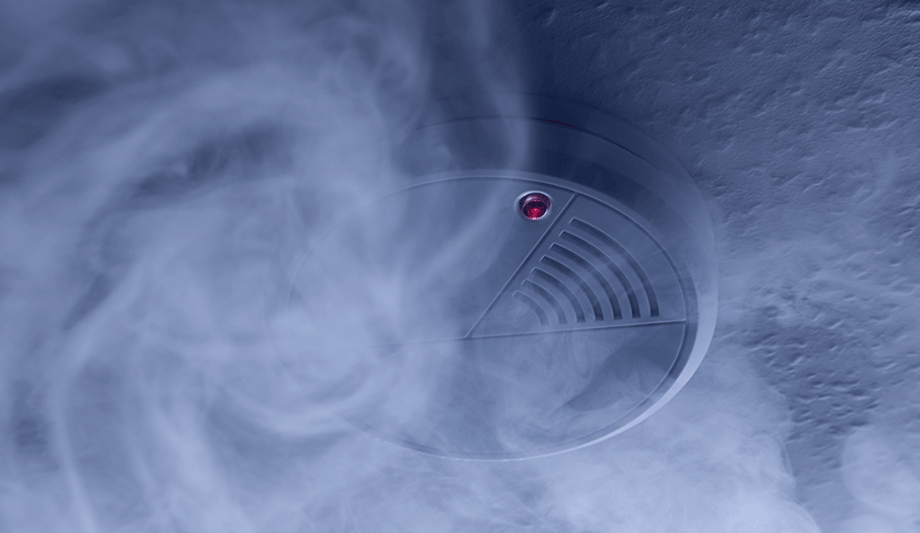
The fire alarm system is one of the most important fire safety measures in any hospitality setting. Fire alarms play a vital role in the early detection of fires, giving people time to evacuate the premises safely. In addition, fire alarms act as a deterrent to would-be arsonists and help to ensure compliance with fire safety regulations. With so much riding on fire safety in the hospitality sector, it is clear that fire alarms are an essential part of any fire safety strategy.
Fire Extinguishers
Fire extinguishers must be readily available in case of a fire. In the hospitality sector, fire extinguishers are essential. They can help prevent fires from spreading and provide a way for employees to safely put out any small fires that may start.
There are different types of fire extinguishers available, and not only is it important to choose the right type for each area of the hotel or restaurant, but each extinguisher must also be checked regularly.
Emergency Lighting
Emergency lighting plays a vital role in ensuring the safety of guests and staff. In the event of a fire, emergency lighting is designed to illuminate exits and evacuation routes, providing a clear path to safety. In addition, emergency lighting can help to prevent panic and confusion, both of which can lead to injuries.
With the potential for life-threatening consequences, all businesses in the hospitality sector must have an adequate emergency lighting system in place. While fire safety should always be a top priority, it is vital in London, where the density of buildings makes evacuation more challenging. By investing in quality emergency lighting, businesses in London can help to keep their guests and staff safe in the event of a fire.
Dry/Wet Risers
Dry and wet risers are essential to passive fire protection in London. A dry riser is a pipe that runs from the ground floor to the top of the building, providing a means for firefighting water to be pumped to the upper floors. A wet riser is a similar pipe, but it is constantly filled with water, ready for use in the event of a fire.
Both dry and wet risers are vital for ensuring that a lack of water supply does not hinder firefighting efforts. In the event of a fire, every second counts, and having a reliable water source can mean the difference between life and death. That’s why all hospitality businesses should ensure they have adequately installed and maintained dry and wet risers where relevant.
PAT Tester
A crucial part of fire safety is ensuring that all electrical equipment is tested and maintained regularly. This is where PAT testing comes in. PAT (Portable Appliance Testing) involves testing electrical equipment to ensure it is safe. It is a legal requirement for all businesses in the UK to have their electrical equipment PAT tested regularly.
Hospitality businesses usually have a lot of electrical equipment, so it is important to ensure that it is all PAT tested and up to date. PAT testers can be bought or hired, and many companies offer PAT testing services. Fire safety is essential to running a hospitality business, and PAT testing is a key part of that fire safety. So if you’re in the hospitality sector, ensure they get their electrical equipment PAT tested regularly.
Staff Training
In a fire, guests will look to employees for guidance and reassurance. All staff members must be properly trained in fire safety procedures. This training should cover basic fire safety knowledge, such as how to use a fire extinguisher, and more specific information on the fire safety features of the hotel or restaurant.
For example, staff should know the location of fire exits and fire alarm systems. In addition, they should know how to safely evacuate guests in the event of a fire. By ensuring that all staff members are properly trained in fire safety, hospitality businesses can provide a safe and enjoyable experience for their guests.
Keep the Hospitality Business Safe from Fire
Fire safety is important for any business, but it can be especially critical in the hospitality industry. From cooking fires in the kitchen to electrical hazards in guest rooms, they must manage various potential fire risks. At Astoria, they specialize in helping businesses keep their employees and guests safe from fire.
They offer various services, including fire risk assessments, passive fire protection solutions, and fire safety training. The team of experts has years of experience in the fire safety industry, and they’re dedicated to helping the clients create a safe and fire-resistant environment.