Passive Fire Protection (PFP)

For a business owner in the hospitality sector, fire safety should be one of the top priorities. Fires can cause extensive damage to the property and put the customers and employees at risk. In this guide, they’ll provide tips on reducing the risk of fires in the business and what to do if a fire breaks out. They’ll also discuss some common causes of fires in the hospitality industry and the steps they can take to prevent them. So read on for all they need to know about fire safety...
Fire doors are a critical part of passive fire suppression systems and are required in many types of buildings. Designed to slow the spread of fire and provide extra time for evacuation, fire doors must be maintained to meet National Fire Protection Association (NFPA) codes and ensure compliance. Common fire door issues, such as misalignment, damaged seals, and faulty hardware, can compromise their effectiveness. Regular inspections are essential to identify these issues and protect the buildin...
Industrial and manufacturing environments are like a high-stakes chessboard, filled with unique fire hazards. A single spark in the wrong place turns the risk of a devastating fire into a ticking time bomb. The numbers don’t lie. Recent NFPA data shows that industrial fires cause $1.5 billion in property damage annually. And what about human injuries and loss of life and the families who’ll lose their loved ones? That’s why having proper industrial fire safety strategies is so...
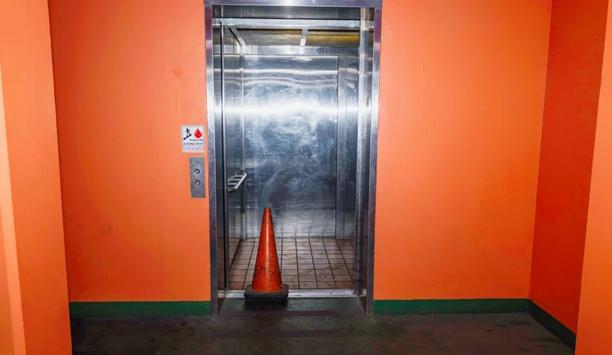
Fire door safety is essential for any building that prioritizes occupant safety and complies with fire safety codes. NFPA 80, the standard governing the installation, inspection, and maintenance of fire doors, serves as a comprehensive guideline to ensure that fire doors perform as intended in the event of a fire. This article outlines the key guidelines in NFPA 80, focusing on essential elements like labeling, installation, testing, and maintenance of fire doors to aid fire safety professional...

As the UK fire door industry counts down to 2029 and the removal of BS 476-22 for fire performance of doors, Mann McGowan has launched Pyroglaze Compression, a compressible graphite intumescent seal suitable for use in glazed apertures that has been proven to meet and exceed the more onerous EN1634-1 standards. Available for both thirty and sixty minute applications, Pyroglaze Compression offers up to 2mm compression per side of glass, allowing accommodation of tolerances between door, bead, an...

By acquiring FOX Certification GmbH, a German specialist in information security and cyber certification, SOCOTEC intends to reinforce both its geographical development and its span of certification service offering. The certification Business Unit of SOCOTEC Group operates in 26 countries through a network of 850 auditors covering all business sectors. It has been providing a wide range of management systems, services and certifications for both companies and individuals, for more than 30 yea...
News

SOCOTEC Nederland provides technical advisory, testing and inspection services and risks analysis on buildings and infrastructures. With the acquisition of Vermeer Groep, SOCOTEC consolidates its Risk Management and Claims business line previously called Hanselman. Vermeer is a recognized leader in the field of land surveying, pre-construction risks studies and works monitoring in the Netherlands. Expanding its service portfolio SOCOTEC expands its service portfolio to offer a comprehensive set of expertise SOCOTEC expands its service portfolio to offer a comprehensive set of expertise to construction companies, developers, architects, engineering companies and asset owners spanning from geotechnical advisory to risk monitoring in the construction phase, energy labelling of residential and social housing or drinking water quality management. Through the merger with Vermeer Groep and its 3 companies Vermeer Maatvoering, Vermeer Expertise and Vermeer Landmeten, SOCOTEC will benefit from a better national coverage and a significantly increased capacity with more than 60 new experts, allowing to better serve its clients. Construction and infrastructure expertise services "Together, with Vermeer (group), SOCOTEC is strengthening its leading position in the Netherlands in the field of construction and infrastructure expertise services.” “The acquisition was an obvious decision given the cultural fit between our companies, the natural complementarity in services provided and the geographical footprint, Vermeer being more active in the South of the Netherlands and Socotec in the North," says Arnaud de Pracomtal, CEO of SOCOTEC Netherlands. Increasing demand for quality surveying and monitoring Robert Hanselman, Director of SOCOTEC Risk Management adds: “Vermeer acquisition will double the size of our team at a time when the Netherlands’ building market faces increasing needs for quality surveying and monitoring.” Erik Goris, Director of Vermeer also comments: "Joining forces with SOCOTEC marks a very exciting new chapter for Vermeer. We share the same values of commitment, proximity and sense of service. We are delighted to bring our renowned expertise and benefit to SOCOTEC network and brand to accelerate our growth.”

Sestosensor is a company founded in 2009 in Bologna that operates in the field of photonics by developing and producing fiber-optic sensors that, due to their unique technical and environmental sustainability advantages, have growing applications in many industrial sectors. Sestosensor's products are on the market in applications ranging from the oil industry, where they are used, for example, to detect leaks in gas and oil pipelines, to aqueducts, mines, and infrastructures, such as dams, bridges, and tunnels, for failure prevention, risk reduction, and maintenance costs, in order to extend their life in total safety. Technology development projects Sestosensor is involved in several European research and technology development projects Sestosensor is involved in several European research and technology development projects. Its patents and proprietary know-how allow it to produce high-tech photonic interrogators in-house and it has realized unique applications such as the monitoring of the micro-cracks of Michelangelo's David preserved in the Accademia Gallery in Florence. Sestosensor has a complete portfolio of products covering all the most high-performance technologies from Fiber Bragg Grating (FBG) sensors for more limited non-invasive monitoring, to 'distributed' sensors that use an optical fiber even already installed by injecting laser pulses into a 'virtual' sensor capable of measuring vital parameters such as mechanical deformations at every point, evolution of cracks and fissures, temperature variations, vibrations and oscillations that allow real-time identification of the type, location and severity of any anomalies over long distances. Acquisition of Sestosensor For Massimo De Iasi, CEO of SOCOTEC Italy: "The acquisition of Sestosensor allows us to strengthen our technologies to support our customers in large projects for the control and monitoring of infrastructure and beyond.” “The technologies developed and patented by Sestosensor for SOCOTEC Italy open up new market scenarios such as the monitoring of our immense archaeological and artistic heritage, and the reduction of environmental risks in oil & gas infrastructures." He continues: "The development plan we are implementing allows us to address new market demands and be ready to face and respond to the challenges coming from the National Recovery and Resilience Plan." Integration of skills Filippo Bastianini, founder of Sestosensor: "My team and I are proud to join the SOCOTEC Italia experts. The integration of our skills with those of the entire Group allows us to compete at the forefront, to better respond to the new technological and ecological challenges of the coming decades, and to contribute to making SOCOTEC Group the global leader in the sector.”

SOCOTEC UK, the market pioneer in testing, inspection and certification (TIC) in the construction and infrastructure sectors, has acquired Hutton + Rostron (H+R), renowned specialists in Building Pathology. This strategic move establishes SOCOTEC as the sole UK company offering end-to-end solutions for all building types, including commercial, residential, industrial, and listed buildings alongside the whole asset lifecycle. The challenges faced by today’s complex construction and built environment impact on all types of buildings. Modern buildings pose environmental challenges during both construction and maintenance, while heritage buildings face unique hurdles due to accelerated climate change and material integration. Comprehensive and scientific approach Addressing these issues necessitates a comprehensive and scientific approach Addressing these issues necessitates a comprehensive and scientific approach, especially in a rapidly changing world under climate stress. Nicolas Detchepare, CEO of SOCOTEC UK, emphasized the significance of this acquisition: "H+R, Building Pathology experts, are a perfect addition to our existing building expertise, from building control to engineering.” “This acquisition not only solidifies our leading position in the Building and Real Estate market, spanning commercial and residential sectors, but also supports our expansion into the dispute and advisory market, offering expert witness services for various disputes.” “H+R, with their unique expertise, empower us to achieve our ambition of becoming the number one integrated player in the UK Built Environment market." Investigation and remediation of failures James Hutton, managing director of H+R, said: “The effective and efficient investigation and remediation of failures in buildings and the built environment is essential. This is a growing problem in an increasingly complex world, especially under accelerated changes in the societies and under the stress of the climate crisis.” “Building Pathology is a holistic subject for the investigation, diagnosis, prognosis, and remediation of failures in the built environment, based on the understanding of buildings as complex systems evolving over time. H+R shares this philosophy with SOCOTEC, and together we will be able to meet this growing high-value market for all our services.” Structural engineering Hervé Montjotin, CEO of the SOCOTEC Group, added: "With 2,000 technical and engineering experts, SOCOTEC UK specifically has 500 building experts and unique expertise in building envelope, building control, fire engineering, sustainability, and structural engineering.” “With all these disciplines, the company is the only player able to take a holistic approach, setting new industry standards and meeting with new regulatory, health & safety, and environmental requirements. SOCOTEC UK accounts for almost 17% of the SOCOTEC Group's revenues of 1.3 billion euros.” “The group has been a leader in building sustainability for over 70 years, with a technical approach recognized by the private and public clients it supports in 26 countries."

SOCOTEC UK, a market pioneer in testing, inspection, and certification (TIC) services for the construction and infrastructure sectors, is pleased to announce the acquisition of IETG, specialists in flow level, temperature, and water quality monitoring, and 40SEVEN, renowned for their industry-pioneering expertise in land and utility surveying services. This strategic acquisition, with a combined workforce of 160 professionals and a revenue of £13m, significantly enhances SOCOTEC UK's service portfolio and extends its geographic reach. The total turnover of SOCOTEC UK now stands at £200m. Reducing environmental impact Water companies are now tasked with meeting stringent targets and commitments With a strong commitment to helping customers reduce their environmental impact and adapt their built assets to address climate change challenges, SOCOTEC continues to lead the way in environmental stewardship. In 2023, the UK Government issued the first revision of its 25 Year Environment Plan, placing a critical focus on mitigating impacts on the water environment. Water companies are now tasked with meeting stringent targets and commitments through enhanced transparency and monitoring mechanisms outlined in the Environment Act. Regulatory compliance IETG, experts in planning, monitoring, and measuring, are uniquely positioned to support water companies and wider stakeholders across the UK in achieving regulatory compliance. Their services, including flow surveys, water quality monitoring and sampling, pollution alarms, level monitoring, temperature and hydrogen sulphide monitoring, are instrumental in ensuring adherence to environmental regulations. SOCOTEC's extensive portfolio This acquisition further bolsters SOCOTEC's extensive portfolio, providing clients with comprehensive in-house solutions Furthermore, 40SEVEN's specialist surveying services, encompassing topographical and measured building surveys, as well as underground utility and gas hazard surveying, aligns seamlessly with SOCOTEC's existing surveying and monitoring capabilities. This acquisition further bolsters SOCOTEC's extensive portfolio, providing clients with comprehensive in-house solutions throughout the asset lifecycle. Commenting on the acquisition, Nicolas Detchepare, CEO of SOCOTEC UK, said: "The acquisitions of IETG and 40SEVEN reinforce and diversify our existing environmental division. With the addition of remote monitoring capabilities, we are now the leading provider in the UK, supporting our clients in complying with the rigorous legislation established by the Environmental Act.” Pioneer in Remote monitoring “This acquisition solidifies SOCOTEC's position as a leader in remote monitoring and advanced geospatial solutions within Infrastructure, Utilities, Environment, and Construction. The acquisition supports our ambition to become the leading integrated player in the UK, helping businesses mitigate environmental impacts and build a more resilient, sustainable future,” said Nicolas. Ian Edwards, Managing Director, IETG and 40SEVEN said: “We can see fantastic opportunities ahead for IETG and 40Seven and after 7 years of investment support from Bentley O-S, at this crucial time, we needed strategic investment and size, matched by a similar culture and drive to achieve our goals and continued growth strategy.” “SOCOTEC provides the ideal platform and seamless transition, whilst bringing a strategic mindset, strong covenant, credibility, financial strength, and support, and providing future opportunities for our staff to thrive and develop. We are excited and looking forward to the next stage of our journey within the SOCOTEC Group.” Operational and cultural fit Herve Montjotin, CEO, SOCOTEC Group, continued: “There is a perfect operational and cultural fit between IETG / 40SEVEN and SOCOTEC UK. With this seasoned and cohesive team joining SOCOTEC, we will enlarge our service offering, especially in the environmental field, and confirm our leadership in the UK”.

The SOCOTEC Group, a global major in risk management throughout the life cycle of buildings and equipment, is strengthening its position in the expertise and management of chemical and biological risks to human health and to the environment. In a fast growing regulatory context and high societal expectations in France and in Europe concerning chemical and industrial risks, the SOCOTEC group is strengthening its Health and Product Risks Division, which becomes the ‘Health and Chemical Safety’ department. SOCOTEC group's Environment activity Nearly 15 experts in chemistry, industrial hygiene, toxicology, eco-toxicology, pharmacy and medicine are working together for major French and international companies, within the SOCOTEC group's Environment activity, which represents 450 experts in total. With the launch of the Health and Chemical Safety (HCS) Department of the SOCOTEC Group, specialized services are offered to major national and international companies, by the HCS experts: physicians, toxicologists, chemists, engineers and hygienists, all working within the same department in order to strengthen the capacity to deal with clients’ strategic, complex and multi-disciplinary issues that are often deployed over several years. Areas of expertise The Health and Chemical Safety (HCS) Department offers 4 areas of expertise: Manufacturing, imports and go-to-market of chemical products in Europe are governed by increasingly stringent regulations (see Chemical Strategy for Sustainability). The HCS Regulatory Affairs unit supports its clients on several European regulations (REACH, CLP, Biocides, Waste, Water, Medical Devices, RoHS...) in relation to their compliance and anticipation strategy integrating future regulatory developments. This department has an excellent knowledge of European and international bodies and regulations. The HCS Strategy & Policy unit working with national and European authorities, can provide support to companies and/or professional federations that may be affected by significant regulatory changes requiring specific technical and scientific expertise. The HCS Risk Assessment unit assesses health risks (workers, people living near industrial sites or construction sites, consumers) and environmental risks related to occupational exposure or indoor/outdoor air quality. More generally, this department carries out technical, scientific and regulatory assessments in relation to complex situations of exposure to chemicals and/or environmental pollution associated with major issues, for example: formal notice of default, occupational diseases, crisis situations, (pre-)litigation procedures, audits of the product portfolio during a company acquisition process or assessments of past exposure (due diligence). Finally, the HCS Toxicology unit assesses the toxicity of products, both on human health and on the environment, and defines the safe use before they are placed on the market. It also applies its expertise to characterize hazards and risks in situations where people and the environment have been exposed to substances either accidentally or chronically. Regulatory compliance files This expertise is particularly dedicated to the preparation of regulatory compliance files Services are offered from regulatory and industrial toxicology and ecotoxicology services, as well as scientific expertise, analysis of emerging risks, and modelling of chemical exposure. The teams propose dual expertise in toxicology: the study of the impact of chemical agents on human health (both for workers, people living near industrial sites, and end users of products) and in ecotoxicology: the study of the impact of chemical products on the environment. This expertise is particularly dedicated to the preparation of regulatory compliance files (e.g. REACH) and to supporting R&D projects (research into alternative solutions). International positioning For Patrick Levy, Medical Doctor and Toxicologist, Director of the Health and Chemical Safety Department at SOCOTEC Environment: "Since its creation in 2014, our HCS Department has evolved considerably. We have strengthened it in order to support our major industrial clients in all their concerns related to chemical risks." He adds, "With the 4 fields of expertise at the convergence of health and chemical risks, we now concentrate all the technical-scientific skills in a single entity, which allows our experts to support the national, European and international regulatory compliance and to provide strategic advice to our clients enabling them to anticipate the strengthening of product safety requirements, while taking into account the reality of their business as well as societal expectations." Patrick Levy continues, "Our international positioning also enables us to support the development of the SOCOTEC group, which has doubled in size in five years, reaching a turnover of €1 billion by the end of 2021, with an international footprint that has grown from 10% to more than 50% today." HCS Department He adds: "The HCS Department has the expertise in global watch and regulatory intelligence to provide services ranging from long-term strategy to immediate risk assessments, including compliance with the main regulations relating to chemical substances: REACH, CLP, Biocides, etc." Patrick Levy concludes, "We also work closely with the other activities of SOCOTEC Environment, in particular ‘Polluted Sites and Soils’ and ‘Metrology’ (measuring the concentration of pollutants in the air or in any environmental space)."
The Door & Hardware Federation (DHF) has once again endorsed its commitment to fire safety by supporting Fire Door Safety Week, the national awareness campaign first launched in 2013 in response to widespread neglect of fire doors. The Fire Door Safety Week initiative was created to raise public understanding of the vital role that fire doors play in protecting life and property. Quality standards to proper installation Something as simple as propping a fire door open can prevent it from doing its job in the event of a fire The campaign is owned, managed and run by the British Woodworking Federation and is supported by a number of partners, including the Home Office’s National Fire Safety campaign, the National Fire Chief’s Council and the London Fire Brigade. This year’s campaign will take place from 22 to 26 September 2025. For a fire door to perform effectively, every stage must be right. From correct product manufacture and quality standards to proper installation and ongoing maintenance, the detail matters. How fire doors are specified, managed and used can quite literally mean the difference between life and death for building occupants. Something as simple as propping a fire door open can prevent it from doing its job in the event of a fire. Duty of ensuring fire doors Responsibility does not lie with one group alone, however. Manufacturers, installers, building owners and users all share the duty of ensuring fire doors remain fit for purpose. This principle of shared responsibility is the driving force behind Fire Door Safety Week. As part of its ongoing commitment, DHF has recently launched the Ironmongery Manufacturers’ Guidance Document, developed with the Guild of Architectural Ironmongers (GAI). Information for fire door hardware New industry-led best practice guide provides clear, consistent and comprehensive product information This new industry-led best practice guide provides clear, consistent and comprehensive product information for fire door hardware placed on the market in the UK that is not already covered by harmonized or designated standards. Developed over more than a year in collaboration with the Office for Product Safety and Standards (OPSS), the document supports manufacturers, distributors and own branders in meeting their obligations and ensuring safe, effective product selection, installation and maintenance. fire door safety, inspection and ongoing maintenance DHF has also partnered with BRE to deliver a series of one-day training courses on fire door safety, inspection and ongoing maintenance. With some contractors still falling short in their inspections, it is essential facilities and property managers fully understand their responsibilities in relation to fire door maintenance. “We are, once again, very pleased to support Fire Door Safety Week, and continue to back its on-going objectives,” says DHF’s Director of Commercial Operations, Patricia Sowsbery-Stevens, adding “Through our guidance work, industry partnerships and training initiatives, we will continue to raise awareness of the crucial role that fire doors play in saving lives and protecting property.”

Expert Commentary

In September 2024, the UK government announced an extension for the recognition of CE marking on construction products in Great Britain. The sudden change was described as part of a wider strategy to enhance building and fire safety, though, in effectively reversing the previous decision to phase out CE marking, how can the industry ensure it’s moving forward and not simply turning back? Active and passive fire systems Building regulations are paramount in maintaining safety throughout a structure's lifecycle Building regulations are paramount in maintaining safety throughout a structure's lifecycle and with fire safety specifically, rigorous product testing is needed to ensure both active and passive fire systems perform appropriately in the event of a fire. For decades, regulations have developed to form a minimum testing standard and while change can often suggest steady progress, the first amendment to Approved Document B has demonstrated a considerable shift in the fire safety landscape. Classification of fire doors The latest legislation revision also confirmed that from September 2029, the National system for the classification of fire doors will no longer be accepted as a method of demonstrating compliance with UK building regulations. And so, as many began preparing for the UK’s UKCA marking to replace the EU’s CE mark - alongside the UK’s current approach to door hardware testing - this update now demands regulatory, technical and commercial input, and brings with it a level of uncertainty that must soon be resolved. National system for the classification of fire doors will no longer be accepted. Fire safety standards Daniel May of Consort Architectural Hardware, says, "Following the events of the Grenfell Tower disaster, fire safety legislation has progressed with purpose, forcing players throughout the supply chain to step up or be thrown overboard under a sea of non-compliance." He adds, "With Dame Judith Hackitt’s Report, an emphasis on raising fire safety standards has been a much needed focus for the construction industry, but with the latest legislation U-turn, there are some questions being raised." Long-term future of CE and UKCA marking Daniel May continues: "The recent pivot by the UK government to extend recognition of CE marking seems a pragmatic move but adds another layer of complexity and confusion. CE marking will continue to be accepted beyond the 30th of June 2025, as the government explores the long-term future of CE and UKCA marking as part of its ‘system-wide reform’ of construction products." He further states, "Though the extension of CE marking may ease the compliance burden for some, it effectively sidelines UKCA for many product categories, and for those who followed the rules, there is perhaps a sense of betrayal. How can we be sure the industry may not need to revert back in future?" Fire doors and their hardware Daniel May added: "Further questions are being raised regarding the end of a long period of dual specification in favor for European testing standards too. For fire doors and their hardware specifically, the UK has been following a dual approach to performance classification, with both British Standard 476: 22 (BS 476) and EN 1634-1 used concurrently to certify the standards of products." He continues, "Although each assessment method is designed to grade doorsets between FD30 and FD240, navigating the UK’s dual regulatory environment can be operationally complex and there may be clear advantages to changing the system, with EN 1634-1 considered a more rigorous testing method and a harmonized approach." Integrity of fire safety Daniel May further states: "With that said, the removal of BS 476 is one of the most substantial changes the industry has faced in decades. The theory behind the recommendation may supersede the reality of its implementation, with concerns being voiced about the level of investment and time required to successfully transition to the European classification system." He adds, "From a capacity viewpoint, if there is not a sufficient level of testing authority within the UK to cope with the potential demand, we face risking the consistency of hardware products as a result of testing backlogs, corner cutting and project delays. To retain the integrity of fire safety across our built environment, further collaboration and clarity is needed." Avoiding the cost of confusion In what may be a period of transition, there must remain one constant focus throughout. Fire doors and their hardware must be tested to the relevant standards for fire resistance, with manufacturers and duty holders being able to show test data evidence at every step of a building’s lifecycle - whether that be at the specification stage, installation or once installed. Fire doors and their hardware must be tested to the relevant standards for fire resistance. How CE and UKCA can coexist in both short and long-term Daniel May continues: "Amidst any conflicting signals and re-testing bottlenecks, stakeholders are urged to consider the big picture - ensuring fire safety is approached at the highest level as we look to protect buildings and their occupants." He states, "To continue making progress in this direction, there must be a clear understanding on testing standards, examining how CE and UKCA can coexist in both the short and long term and how UK testing bodies may be supported as they move to EN 1634-1." Fire safety compliance Daniel May concluded: "At this stage, there is no requirement to replace existing fire doors and hardware that comply with the BS 476 standard." He adds, "Though, as the industry prepares for the changes ahead, the supply chain must also remain reliable in its approach to product testing and information accessibility and transparency. When it comes to fire safety compliance, it’s now more important than ever to pursue stability and in doing so, decision makers must collaborate with manufacturers that they can trust."
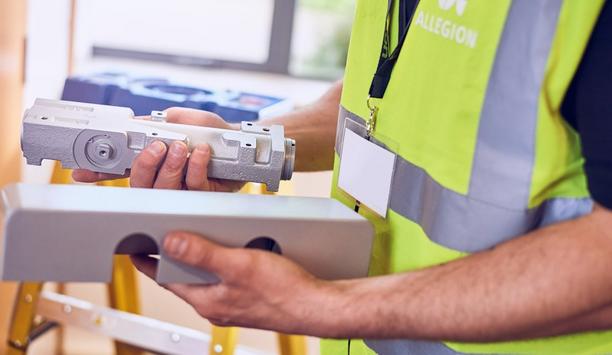
Fire doors are designed to save lives. When closed, they form a crucial barrier against smoke and fire and provide vital time for occupants to escape in an emergency situation. An open fire door on the other hand is rendered useless in the event of a fire, and for this reason, fire door closers are equally recognized for their life-saving capabilities. The relationship between fire doors and fire door closers is synergetic in fact, with both considered key elements of a building’s passive fire protection system. When a fire door must close to completion during a fire incident, it will always rely on its mechanical closing device to do so effectively. Door closers - essential operational component Door closers are an essential operational component and must be capable of closing the door leaf from any angle of opening and strong enough to overcome the resistance of any latch seal, ensuring the door is held firmly in place by its frame. Specifiers and decision makers alike must be confident in their door closer selection While all fire door closers serve this same function, decision makers are reminded that an incorrectly specified door closer can compromise the integrity of an entire fire door assembly. With different project requirements and hardware options available, specifiers and decision makers alike must be confident in their door closer selection. Where occupant safety is on the line, what should specification teams look out for? Fire door closers are key to fire door safety Kirk Smith of Allegion UK, explains: “Fire door closers are paramount to the success of fire door safety and specification should be a structured process to ensure appropriate closers are chosen at each touchpoint.” He adds, “There are various types of door closers available on the market, but whether concealed or surface-mounted, all controlled door closer models use spring hydraulics to close and engage fire doors onto their latch, allowing buildings to compartmentalize areas and provide occupants with vital escape routes. To perform this task, fire door closers call upon a number of elements including: the door closer mechanism, mounting hardware, arms and links.” Door closers tested to EN 1634, UKCA, CE standards Kirk Smith continues, “There are often a number of considerations to make when choosing between door closer products. In any instance, specifiers must first establish whether their door is a fire door or a non-fire door, for example. To ensure a closer is fit for purpose and meets fire safety compliance, all door closers installed on fire-rated doors must be tested to EN 1634 and UKCA and CE marked.” He further states, “Mechanical variants must also conform to EN 1154 and electromagnetic hold-open devices to EN 1155, which test and classify hardware over its category of use, number of test cycles, power size, fire behavior, safety and corrosion resistance. A Declaration of Performance (DoP) must also be reviewed to ensure a door closer is certified when fitted with backcheck or delayed action.” Kirk Smith adds, “From an operational viewpoint, it’s important that a chosen door closer meets the needs of a building and its users too. Buildings with high footfall will often benefit from an electromagnetic hold-open device, which keep certain fire doors open until a fire alarm is activated, in which the system will automatically release and close doors to completion.” Surface mounted closers are the most durable and common type of door closer Selecting the most appropriate door closer Kirk Smith continues, “The size of a door can sometimes be a key factor when selecting a door closer too. Unusually tall or heavy doors may often require a door closer with a higher power size, in accordance with EN 1154 - it’s key to remember that fire doors require a minimum Power Size EN 3 to conform to this standard.” He adds, “Should a specification team be unsure about the size of the door, it is often best practice to choose a door closer unit that can be adjusted during the installation stage.” Durable in application Regardless of where a fire door may be positioned, operation must always be controlled Regardless of where a fire door may be positioned, its size or how it may be used, operation must always be controlled, as this will prevent future damage to the door and its frame - which can be a crucial step towards retaining fire safety performance. Kirk Smith continues: “Surface mounted closers are the most durable and common type of door closer, with units mounted to the surface of the door or frame with a quick and simple installation process. Comparably, concealed door closers are fitted within the door leaf and frame and while providing the functionality of a surface mounted closer is hidden from view as a way of enhancing aesthetics.” Most common ways to fit a door closer Kirk Smith adds, “When reviewing the mounting requirements, it’s important to consider door closers can be installed in different ways, often depending on the application.” The four most common ways to fit a door closer are: Figure 1 door mount fixing: where the closer body is mounted on the pull face of the door Figure 61 transom mount push side: where the closer body is mounted on the transom, on the push side of the door Figure 66 parallel mount push side: where the closer body is mounted on the push side of the door Slide track fixing: where the closer with slide arm and track is door or transom mounted, on either the pull or push side of the door Door closers with adjustable backcheck Kirk Smith states, “Specifiers must also evaluate whether backcheck control is necessary. Door closers with adjustable backcheck can better control the speed of the door, slowing it down prior to making contact with a door stop or before reaching the fully open position. This function prevents or minimizes damage to the door, hardware and adjacent walls, which would otherwise be caused by the door being forcefully open or caught by a gust of wind.” He adds, “Equally, specifiers must consider whether a door closer requires delayed action. A delayed action closer offers a period of delay from when the door is opened to closed, which is usually set to be a maximum of 25 seconds (recommended for fire doors). This functionality makes delayed action closers ideal for environments that require easy passage, such as doors used by children, the elderly or wheelchair users, for example.”
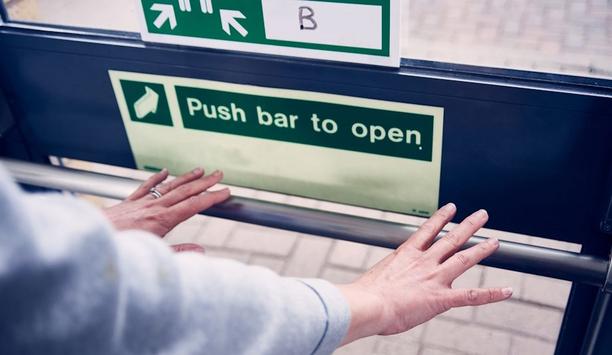
Healthcare environments are synonymous with caution, wellness and safety. Though, where National Health Service professionals work determinedly to meet the needs of their patients, equally as vital are the fire door safety procedures practiced throughout NHS premises. Fire safety management plays a crucial role in all healthcare settings, where protecting staff, visitors and potentially vulnerable patients is a continuous effort. Highest level of fire safety A survey led by BWF found that 52% of respondents felt hospitals provided fire safety Even with a host of unique operational challenges, hospitals, for example, are often considered to be one of the safest public buildings. In fact, a survey conducted by The British Woodworking Federation discovered that 52% of respondents believed hospitals to provide the highest level of fire safety in a building. Set of fire safety issues Despite these perceptions, NHS data has previously reported a concerning rise in fire incidents across sites around the country. The inherently busy nature of healthcare settings and around-the-clock use of facilities containing vulnerable patients, medical equipment and even flammable materials, presents a complex set of fire safety issues that must be addressed. With that in mind, is there perhaps more work to be done to ensure fire door safety is approached professionally to further mitigate risk? Fire door safety is professionally implemented to further mitigate risk. Health and fire door safety Fire doors play a vital role in protecting each of those individuals, but when paired with the fast-flowing traffic In the three months ending January 2025, an average of 46,000 people visited major hospital A&E departments each day in England, with a further 27,300 visitors attending minor A&E facilities every day. Fire doors play a vital role in protecting each of those individuals, but when paired with the fast-flowing traffic often found in healthcare facilities, this sustained level of footfall can create relentless environments that are unforgiving on fire doors and their hardware. Passive fire protection As a critical element of passive fire protection, fire doors are designed to compartmentalize fire and smoke for a specified period of time. Where fire could spread quickly across the interconnected sections of healthcare estates, fire doors will form protective barriers for a minimum of 30 minutes (FD30) or 60 minutes (FD60), allowing occupants to escape and preventing potentially life-threatening smoke inhalation in the process. Doors are designed to compartmentalise fire and smoke for a specified period of time. Fire doors in healthcare settings Fire doors can only operate effectively when working in tandem with their hardware components Fire doors can only operate effectively when working in tandem with their hardware components, such as hinges, seals, and fire door closers. Yet, all too often in healthcare settings, fire doors and their hardware become damaged and fall victim to improper maintenance and use, with some self-closing doors even propped open to improve the flow of traffic and ease of access for beds, wheelchairs, and medical trolleys. In turn, this leaves closers disengaged and renders doorsets useless in the event of a fire. Effective fire safety procedures Under the Regulatory Reform (Fire Safety) Order 2005, healthcare management teams are given a direct responsibility to ensure employees and patients are safe within their premises. With this, NHS trusts must nominate a ‘responsible person’, which is often an individual who possesses a legal responsibility to demonstrate effective fire safety procedures, undertake risk assessments and meet fire safety compliance. In demanding healthcare environments, regular fire door inspections are key, and as part of their duties, a designated responsible person must have a firm understanding of fire door checks and maintenance, whilst also raising staff awareness on the importance of fire door safety. For this, ongoing education is key. In healthcare environments, regular fire door inspections are key. Prevent and protect In order to retain the integrity of a fire door and its components, healthcare estates must consider how accurate specification, professional installation and ongoing maintenance can help to reduce common hazards and the possibility of danger before it surfaces. Routine fire door checks can save lives and should form the agenda of anyone responsible for fire safety management. They consist of reviewing the specification, installation, condition, and certification of: The door furniture The hinges Locks and latches Door closers Hold open devices Signage Exit devices Door seals The gaps around the door (3mm is recommended for fire doors) UKCA and CE certifications Fire doorsets must pass a series of standardized tests in the form of UKCA and CE certifications When performing a closing action, a fire door calls upon each of these components and as such, not one element can fail in the event of a fire. To meet the necessary standards, the complete fire doorset must pass a series of standardized tests in the form of UKCA and CE certifications, which healthcare officials can identify - alongside a fire door’s FD ratings - by reviewing the label, usually found on the top edge of the door. Fire door regulations Correct specification is essential to long-term performance too. For high-use areas in large hospitals, for example, electromagnetic hold-open devices are a more appropriate choice and allow fire doors to close once a fire alarm is activated, automatically releasing the door in a safe and controlled manner. In smaller, slower-paced settings, cam-action closers with slide arms can fulfill fire door regulations whilst providing ease of operation and accessibility for vulnerable users who may otherwise struggle with heavy doors. Cam-action closers with slide arms can fulfil fire door regulations. Regular maintenance plan for fire doors All healthcare facilities must look to implement a regular care plan for fire doors Regardless of size, layout and the building’s needs, all healthcare facilities must look to inherit a regular maintenance plan for their fire doors and emergency exit routes. In doing so, teams can highlight any early signs that a fire door is not performing as it’s required to, which can help prevent irreparable damage to the door and its hardware - saving the need for replacements and reducing costs for establishments managing budget restraints. When a fire door and its hardware are no longer compliant, teams must ensure repairs and replacements are made quickly and at a professional standard. Fire door safety measures Fire door safety is an ongoing responsibility for healthcare management teams and requires comprehensive planning and regular action. Where patient safety remains the primary focus, a proactive approach is necessary. As such, healthcare officials are urged to pay close attention to their estate’s fire door safety measures, because although fire is unpredictable, it is in most cases preventable.
Editor's Dispatch

A fire door is designed to stop fire and smoke from spreading, giving people time to escape and protecting property. It looks similar to a regular door but is built and tested as part of a complete system that includes the door leaf, frame, seals, and hardware. People often think any heavy or solid door will work as a fire door, but that is not the case. Fire doors are tested as complete systems, and every part – from the frame and hardware to the seals and glazing – must meet the tested specification. If you change a component or cut into the door without the correct approval, it may not perform properly in a fire. Fire gates or fire curtains “Fire doors are not just building components; they are part of the building’s fire strategy,” says Daniel Swannack, Chief Commercial Officer, Door Product Segment at ASSA ABLOY Opening Solutions EMEIA, adding “Their job is to hold back fire and smoke long enough for people to get out safely.” Fire doors are rated to hold back fire for a set time, such as 30, 60, or 90 minutes. In some cases, where a standard door is not practical, you might see sliding fire gates or fire curtains used to protect larger openings. Sliding doors are commonly used in car parks and industrial spaces where wide access is needed. Sliding doors are commonly used in car parks and industrial spaces. Fire curtains or sliding systems Many fire doors operate manually, but there are also hinged fire doors that can be automated Fire doors work by containing fire and smoke to one area, keeping escape routes clear for as long as possible. They do not need power or intervention – they simply have to be closed and in good condition. Features such as intumescent seals, which expand with heat, and fire-rated cores help to keep fire under control. Many fire doors operate manually, but there are also hinged fire doors that can be automated. In larger or open spaces, fire curtains or sliding systems provide the same protection by closing automatically. EI classification for integrity and insulation The type of building and how it is used make a big difference in choosing the right fire door. In hotels or offices, timber doors are often chosen for their appearance and acoustic qualities. In industrial sites, data centers or high-security areas, steel doors might be the better option. Wide openings in places like warehouses, airports, or underground car parks may need sliding fire gates or curtains instead. Local regulations also play a role: in much of Europe, fire curtains need to meet EI classification for integrity and insulation, while in the UK EW classification is often accepted, which focuses on integrity with limited heat radiation. EI-rated curtains Fire curtains are tested to EN 1634-1, and where smoke control is needed, to EN 12101-1 or EN 1634-3 Across Europe, fire doors are covered by EN 16034, with testing done under EN 1634-1 for fire resistance and EN 1634-3 for smoke control. Hardware is tested separately under EN 1634-2. In the UK, BS 476 is still recognized alongside EN standards. Fire curtains are tested to EN 1634-1, and where smoke control is needed, to EN 12101-1 or EN 1634-3. EI-rated curtains block both fire and heat transfer, while EW-rated systems, often used in the UK, focus on integrity with reduced heat radiation. Testing is always conducted on the complete system, including the door, frame, and hardware, to make sure everything performs as intended. Third-party certification “To maintain this performance, installation must follow the certified details exactly,” says Daniel Swannack, adding “If the door is not installed properly, it may not meet its fire rating even if all components are correct.” Third-party certification proves that the product has been tested, audited, and produced consistently to meet safety standards. Certification is a vital reassurance for building owners, architects, and insurers that the door will do its job in any emergency. This applies to all fire doors, whether timber or steel, and to larger solutions like fire gates and curtains. Certification also helps to smooth the approval process with building control and demonstrates compliance with legal requirements. Fire door’s effectiveness Fire doors and curtains can be linked to alarms so they automatically close when needed Smart building systems can contribute to a fire door’s effectiveness by keeping track of fire doors, showing if they are closed, blocked, or need maintenance. Fire doors and curtains can be linked to alarms so they automatically close when needed, or connected with access control to ensure compartmentation is maintained. In complex environments, such as hospitals or data centers, these systems also provide useful reporting and maintenance records, ensuring doors are always ready to perform. Automatic systems “Fire doors must be kept in good working order to be effective,” says Daniel Swannack, adding “This means checking the seals, hinges, closers and making sure they shut fully and are undamaged.” Automatic systems like fire curtains, sliding doors, and automated hinged doors need their motors and controls tested, too. Many regulations call for checks every six months in busy areas. A fire door is only as good as its maintenance, and a small fault may make a big difference in an emergency. Sustainability goals by using the Forest Stewardship Council Timber fire doors can have custom finishes, painted surfaces, or hidden hardware To maintain protection while achieving aesthetics, there is a lot of flexibility now when it comes to design. Timber fire doors can have custom finishes, painted surfaces, or hidden hardware, while steel doors may be color-matched or clad to fit the interior or exterior architecture. In hotels, residential buildings, and offices, getting the right look is often just as important as performance. “We work with architects to make sure our doors meet fire standards without compromising the overall design,” says Daniel Swannack. Fire doors can support sustainability goals Fire doors can support sustainability goals by using Forest Stewardship Council (FSC)-certified timber, low-volatile organic compound (VOC) coatings, and recyclable steel. “Many of our doors also come with Environmental Product Declarations, which provide verified data on their environmental impact,” adds Daniel Swannack. Reduce waste and replacement cycles Durability is another factor: Long-lasting products reduce waste and replacement cycles. “The challenge is to combine all that with reliable fire performance, and this is where proper testing and certification really matter,” Daniel Swannack says. Choosing the right door Whether in a school, hospital, apartment block or industrial site, choosing the right door and keeping it properly maintained is essential. “Our role is to make that process easier by combining compliance, performance and, where needed, design flexibility,” concludes Daniel Swannack.

NFPA 1900, a new standard, applies to any fire apparatus purchased beginning in January 2024. The National Fire Protection Association (NFPA) has introduced a new, broader standard that encompasses the content previously contained in separate standards for automotive, wildland fire, aircraft rescue and firefighting vehicles, and automotive ambulances. The new standard is a soft-covered book containing 375 pages and incorporating 34 chapters and 10 indexes. NFPA 1900 Standard Most fire departments will not buy an apparatus that is not NFPA-compliant. Additional changes to the NFPA 1900 standard reflect the trend toward newer technologies such as electric fire vehicles and LED lighting. The previous standard specified the use of equipment such as an alternator or a muffler that is not required with an electric apparatus. New standard specifies such equipment is only required in the case of an internal combustion engine The new standard specifies such equipment is only required in the case of an internal combustion engine (but not for an electric vehicle). On the other hand, unique electric vehicle safety requirements are added. The chapters are written in a way to distinguish between electric propulsion and internal combustion engine propulsion. Specific seating requirements The ability of LED lighting to provide greater intensity is addressed by guidelines allowing for a warning light “night mode” that avoids a distracting contrast between very bright flashing lights in a dark environment. In the daytime, the brighter lights increase visibility, exceeding the minimum requirements previously set by NFPA. More specific seating requirements make a distinction between seats that are intended to be occupied on every response, which is larger, and those provided only for occasional use. The intent of the requirement is to maximize the comfort of personnel who will be riding in the cab most of the time. Clean cab features are not required in the new standard, but guidance is provided in the annex for those wishing to adopt clean cab procedures. NFPA 1910 aerial test Chevron striping on the end of the device can vary in color as long as it is retroreflective and opposite The new standard requires a rear-view camera on all apparatus. Chevron striping on the rear of the apparatus can vary in color as long as it is retroreflective and contrasting. Operator manuals must be available as a hard copy on the apparatus, as an electronic display, or as a QR code to a website download. The operator manual must include all the information the Underwriters Laboratory (UL) would need to perform the annual and five-year NFPA 1910 aerial test. The other hundreds of features listed in the standard range from better weather resistance of door seals to better vehicle control during emergency braking to a harder finish and better UV protection of paint. Current issue of NFPA 1900 NFPA is titled “Standard for Aircraft Rescue and Firefighting Vehicles, Automotive Fire Apparatus, Wildland Fire Apparatus, and Automotive Ambulance.” It replaces previous standards NFPA 414 (covering airport firefighting vehicles), NFPA 1901 (covering automotive fire apparatus), NFPA 1906 (for wildland fire apparatus), and NFPA 1917 (for automotive ambulances). While NFPA 1901 and 1906 officially disappeared in January 2024, there are some references to the previous standards included in the current issue of NFPA 1900. There are some references to the previous standards included in the current issue of NFPA 1900 The standard seeks to limit its requirements to cover the design, performance, acceptance, and testing of apparatus, not focusing on what equipment is carried on the apparatus. Therefore, NFPA 1900 no longer requires a specific hose, ladder, or miscellaneous equipment to be included; rather that information has been moved to the annex as recommendations rather than requirements. Development of any NFPA standard NFPA standards are formulated by technical committees and task groups that consider each change. Anyone can comment on or make suggestions and recommendations for the development of any NFPA standard, and revisions take place over the course of multi-year cycles. A second main standard covering fire apparatus is NFPA 1910 “Standard for the Inspection, Maintenance, Refurbishment, Testing and Retirement of In-Service Emergency Vehicles and Marine Firefighting Vessels.”

Information systems drive greater situational awareness when emergency responders are rushing to the scene, including access to live-911 audio feeds, video of the unfolding emergency, and/or geographic information showing the locations of fire hydrants and the best travel route to ensure the most rapid response. Information tools to manage emergency response include the locations of teams, vehicles, and personnel available in three dimensions, including locations in a multi-story building. Panasonic’s technology “First responders are thinking about getting to the scene and planning their disaster response,” says Aidan Clifford, Panasonic’s National Sales Manager. Vital information on the scene of an emergency includes video feeds, coordination with other services in the city or county, and communication with various responding agencies. Providing hardware to manage information during emergency response, Panasonic works to understand “the voice of the customer.” The company’s TOUGHBOOK ruggedized laptop computers serve the needs of fire and emergency response entities. A new Fire Advisory Council, currently being assembled, will help to guide Panasonic’s technology direction, and increase their understanding of the practical information needs of firefighters and other emergency responders. Panasonic survey Panasonic survey, 55% of respondents said access to real-time data is a top priority for their agency “The goal is to provide more information to end users more quickly,” says Marcus Claycomb, Panasonic’s Business Development Manager for the Public Sector. “Better information can save response time and enable first responders to adjust the type of response in real-time.” For example, streaming video can provide details of an unfolding emergency to firefighters as they are driving to the call. In a Panasonic survey, 55% of respondents said access to real-time information is a top priority for their agency. Useful information includes who is on the scene and where they are in real-time. Smart devices can track locations and vitals. Information goes in two directions. The ongoing deployment of 5G communications and devices will ensure information moves even faster and is more actionable. Live-911 capability Also in the Panasonic survey, 62% of respondents said computer-aided dispatch (CAD) and geographic information system (GIS) data are mission-critical. GIS data can include “layers” of information imposed on a map to show the fastest route to an incident and the locations of fire hydrants and/or accessible video cameras. Some 85% in the survey said the most important pieces of information are the location of teams, vehicles, hydrants, and/or personnel. Location and communication with drone assets are also a requirement. Live-911 capability can enable first responders to hear the dispatcher speaking with a caller in real-time. “A dispatcher can push the 911 call through the TOUGHBOOK laptop to responders on route to a call,” says Clifford. “It is an emerging technology that integrates with computer-aided dispatch (CAD) systems.” privacy of HIPAA data Device encryption and multi-factor authentication to secure the information, even ensuring the privacy of HIPAA data during an emergency medical call. Panasonic understands that fire and emergency departments need real-time information Broadly speaking, Panasonic understands that fire and emergency departments need real-time information provided by rugged devices that can withstand the daily rigors of firefighting. In the survey, 85% of respondents said rugged computer devices are important, as opposed to using consumer devices in the harsh environment of firefighters and EMS personnel. (Conducted in April 2023, the Panasonic Connect survey generated 117 responses from individuals in the fire rescue industry.) Total cost of ownership While first responders understand the importance of using ruggedized devices, purchasing decisions are not always made by those on the front lines. Sometimes it is someone else at the city or county level who decides to buy consumer-grade hardware, especially tablets, in lieu of a ruggedized laptop. Multiple problems can result, such as “battery swelling” and fire hazards if a battery overheats because of the high internal temperatures in a vehicle. Consumer devices are not designed to operate in temperatures above 100°F. Cost is the main reason to opt for less expensive consumer-grade equipment, but the lower cost is an illusion. The math is very different if one considers the total cost of ownership (TCO), including any downtime resulting from a battery charge not lasting the entire shift, for example. Panasonic's TOUGHBOOK laptops First responders should work to ensure their voices are heard as purchasing decisions are made Ruggedized equipment is more resistant to being dropped. Panasonic's TOUGHBOOK laptops meet the MIL-STD-810H specification and ingress protection (IP) standards, IP65 and IP66, which test for ruggedness and resistance to solids and liquids. Additional features include enhanced connectivity and embedded antenna, non-breakable components, and all-day batteries. First responders should work to ensure their voices are heard as purchasing decisions are made. They should have a conversation with command-level employees and throughout the fire service to ensure equipment purchasing reflects the real needs on the front lines, says Claycomb. What's Ahead? What’s ahead for information technology on the front lines of firefighting? “There is an incredible opportunity ahead to integrate the TOUGHBOOK with fire vehicles,” says Marcus. He adds, “And the potential of using 5G will be limited only by our own creativity. Looking ahead, we can expect more artificial intelligence (AI), augmented reality (AR), and an incredible amount of data.”
Case studies

To ensure compliance with fire safety regulations and a future-proofed construction that would provide comfortable and luxurious accommodation for residents for decades to come, the team behind a new 31-storey residential tower on Skinner Street in Leeds sought Keyfix’s market-pioneering and trusted Non-combustible Cavity Tray (NCCT) system. The project, overseen by main contractor, Keady Construction, primary architect Leach Rhodes Walker, and brickwork contractor Brickstone Construction, involved the extensive design and construction of a unique curved brick structure that would feature 399 apartments and generous amenity space. Use in major residential developments Having worked with Keyfix previously, Brickstone Construction was acutely aware of the company’s ability to design and manufacture non-combustible systems suitable for use in major residential developments, meet tight deadlines and provide any necessary support and guidance throughout the project. Consequently, Keyfix was tasked with providing its NCCTs, which exceeds minimum standards while also supporting the project’s highly original design ambitions. Challenging brickwork design Indeed, with the building featuring a challenging brickwork design that incorporated significant curvature, Keyfix was required to devise a way of allowing the contractors to install the NCCTs around the curve. Consequently, bespoke tray designs were implemented on the NCCTs to allow them to follow the shape of the curve. To ensure robust and trusted passive fire protection without requiring sealants, tapes, or mastics, Keyfix supplied 5,441m of NCCT, including 981 Pre-Formed Corners, 13,750 Stainless Steel Weeps and 1365 reveal returns ensuring continuous cavity drainage and fire-safe performance across the façade. Keyfix’s classified Class A1 Non-combustible Grade With the client keen to future-proof the building and meet ever-tightening quality and safety standards, Keyfix’s classified Class A1 Non-combustible Grade 304 austenitic stainless steel cavity trays provided the ideal solution. In addition to offering rigid self-support, and preventing the risk of thermal bridging, these NCCTs are designed to exceed the lifespan of any building. Integrated façade solution Alongside providing quick response times to any technical guidance or queries, Keyfix’s technical team also regularly undertook site visits to check on the project’s progress, attended design team meetings and carried out toolbox talks and CPD webinars. By meeting all demanding performance and aesthetic requirements, while maintaining quality across the project and streamlining installation, Keyfix delivered a fully integrated façade solution.

Fire and Rescue NSW crews battled a large house fire last night after a blaze broke out in a caravan and spread to a two-level home in Bonnells Bay, on the western shores of Lake Macquarie. Just after night, more than 30 firefighters and 10 fire trucks responded to multiple Triple Zero calls to heavy smoke and fire coming from the property on Wood Street. Blaze Breakout On arrival, crews found the caravan fully involved in fire, with flames spreading inside the house. Initial reports indicated there may have been a person inside the property, prompting firefighters to enter the home to conduct search and rescue operations. However, subsequent investigations confirmed all occupants had safely evacuated. Firefighters quickly got to work to bring the blaze under control however as the second level of the house sustained structural collapse, firefighters were forced to withdraw and continue operations externally. Firefighting Efforts Continue An aerial ladder platform truck was also used to attack the blaze on the second level through an opening in the roof. Firefighters worked through the night to contain and fully extinguish the fire. FRNSW specialist fire investigators are on scene today with NSW Police to investigate the cause of the fire.
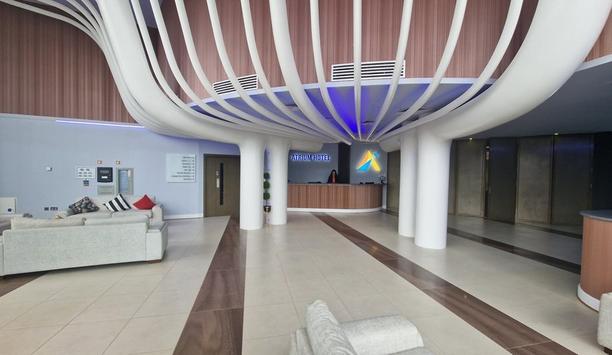
Contemporary Atrium Hotel has put its trust in Amthal Fire and Security to deliver an enhanced fire safety maintenance service, for the safety of staff and guests. Conveniently situated within a five-minute drive from Heathrow Airport, Atrium Hotel stands as a premier urban retreat, boasting 573 meticulously designed ultra-chic bedrooms. all-in-one cloud platform Ensuring fire safety measures are compliant with the latest legislation, the hotel site team worked closely with Amthal to develop a complete maintenance program. Amthal’s status as an approved Honeywell Gent partner enabled it to utilize Honeywell’s Connected Life Safety Services (CLSS) for Atrium Hotel. Honeywell’s CLSS is an all-in-one cloud platform to maintain the fire systems across the hotel facilities and maximize performance, with minimal disruption to the hotel’s operations. operational efficiency Francisco Quintero, Maintenance Manager at The Atrium Hotel Heathrow, says, “The hotel is built on a commitment to exceptional service, ensuring every aspect of a stay is seamlessly taken care of. While its core objective is to offer the latest and contemporary amenities; the safety and security of our hotel experience is critical." “From an operational efficiency and compliance perspective, we needed to ensure the right approach to maintaining our fire safety systems." real-time visibility Amthal can present CLSS to maintain all fire systems across the site, alongside testing emergency lighting "Amthal offered advice and practical support on how this could be achieved remotely, with Honeywell CLSS. It enables real-time visibility to enhance timely, accurate decision-making by on-premise and remote staff, a great benefit to us all.” As an approved Honeywell Gent partner, Amthal can present CLSS to maintain all fire systems across the site, alongside testing emergency lighting, emergency voice communications, and regular fire door testing. This provides a complete and compliant fire protection service for The Atrium Hotel. push notification Mark Hunter, Honeywell Gent Business Manager added, “Fire safety is one of the biggest challenges presented in any hotel environment. A need to balance an ongoing welcoming and relaxing environment that doesn’t compromise on the safety of guests." “What Amthal demonstrates at The Atrium Hotel is the importance of not just installing the right specification of systems, but also maintaining them to maximize performance. This can be achieved with CLSS remotely to ensure less disruption and time on site from testing, with push notification of events to mobile devices to alert staff of any specific findings. It all comes together to achieve undisputable compliance from the hotel perspective.” seamless and efficient maintenance service David Williamson, Amthal Sales Manager concludes, “We are proud to partner with The Atrium Hotel to ensure their fire safety systems are not only up to date but also maintained to the highest standard." “By leveraging the capabilities of Honeywell CLSS, we can provide a seamless and efficient maintenance service that aligns with the hotel's commitment to safety and excellence. With total protection and guaranteed compliance, staff can be assured of fire safety maintenance measures in place. And they can focus on serving guests, allowing them to enjoy all the facilities and services available.”

Sprinklers, wall hydrants, nitrogen, and deluge extinguishing systems: Nothing is left to chance when it comes to preventative fire protection in the two buildings of DKV (German Health Insurance) in Cologne, Germany. In addition, a Rosenbauer employee is always on site to ensure full functionality and maximum fire safety. The DKV headquarters, built in the 1960s, is part of Cologne’s cityscape and has housed the central administration of the DKV for decades. Due to a need for more space, another office building was built in the immediate vicinity in the early 2000s. Both buildings are equipped with a wide range of preventive fire protection systems, which are looked after and maintained by Rosenbauer. Water tanks over multiple floors Different fire protection systems are used in the different areas of the building Different fire protection systems are used in the different areas of the building. On the one hand, this is a result of legal requirements and, on the other, provides fire protection that is as efficient as possible. The heart of the entire fire protection system is located on the lower floors of the two skyscrapers. The large water tanks extend over several floors. The sprinkler control panels and the associated pumping technology are also housed in these areas. The right system for every purpose Econ-Aqua systems are installed in most fire sections: These wet alarm valve stations are permanently pressurized and the pipes leading to the sprinklers are already filled with water. If the critical temperature is reached, a glass bulb breaks and water escapes from the sprinklers. The corresponding station opens and the pump system is activated by the water flowing in. This type of fire protection system is primarily used in standard offices, underground car parks, and technical rooms. Dry alarm valve station In contrast to the wet alarm valve station, the pipes in the dry alarm valve station are not filled with water, but rather with air. But these are also constantly pressurized. In the event of a loss of pressure - if the glass barrel breaks due to high temperatures - the extinguishing system is also automatically activated and pumps in water. Such dry alarm stations are mainly used in areas where there is a risk of frost, because frost damage cannot occur as there is no water. Special systems for sensitive areas The pre-controlled sprinkler groups are unique because their pipes are also dry The pre-controlled sprinkler groups are unique because their pipes are also dry. In order to further minimize the risk of false alarms and unnecessary water damage, they are only triggered when the fire alarm system in the same area is also triggered. Such pre-controlled systems are used in sensitive areas, such as archives. Nitrogen extinguishing systems were installed in the two DKV buildings to protect the control cabinets in the technical rooms. A pipe intake system allows air to continuously circulate, and this is guided past a smoke detector. As soon as this smoke detector is triggered, nitrogen is blown into the control cabinet and the fire is smothered before it can take hold. Fire protection for ventilation and kitchens Fire dampers have been installed to prevent smoke gases from spreading through the ventilation system in the event of a fire. Smoke and thermal detectors - as well as an extinguishing nozzle - are installed both upstream and downstream of them. In the event of a fire, water can be introduced here to flush the smoke gases out of the air. Special extinguishing systems are also used in the canteens: extinguishing nozzles are installed in extractor hoods, fryers, and other appliances. Running parallel to these is a pre-tensioned cable with melting plumb bobs, which – as the name suggests – will melt if a sufficiently high temperature is reached. This would release the ANSUL extinguishing agent, which is specifically suited to grease fires. The kitchen extinguishing systems can also be activated manually. ‘Zone Checks’ and wall hydrants installed There are also more than 100 wall hydrants distributed throughout both buildings There are also more than 100 wall hydrants distributed throughout both buildings, with a 30-meter hose on every floor. In order to be able to locate a fire quickly in the event of an emergency, almost 100 so-called ‘Zone Checks’ have also been installed. The two fire protection systems in the DKV skyscrapers in Cologne are among the largest systems managed by Rosenbauer in the German-speaking world. In addition, a Rosenbauer employee remains constantly on site to carry out maintenance work and statutory inspections. Rosenbauer Mastercontrol The Rosenbauer Mastercontrol, which is operated from inside one of the buildings, provides significant support in this regard. This system replaces time-consuming manual component checks with automated routines and not only offers the most accurate documentation through electronic measurement recordings, but also saves a lot of time and therefore costs. Thanks to systems that are perfectly tailored to the respective needs of the individual building areas, preventive fire protection can be optimally guaranteed. The sophisticated extinguishing technology ensures that a fire is extinguished before it can develop into a major threat, and thus fully lives up to the name ‘preventive’.

Comelit-PAC has been working with partners - GB Integrated Systems to fit the latest fire safety systems at the Hop House in Deva City Office Park, in order to ensure the safety of all who work and visit the unique work environment. Part of the former Threlfalls Brewery, an iconic feature of the Manchester city skyline, Deva City Office Park presents an eclectic mix of business space presented in a Grade II listed Brewery building or 17 high-spec self-contained office units. Balancing modern design GB Integrated System worked directly with the site management team to upgrade the addressable panels With the need to offer 24 / 7 security and fire safety, GB Integrated System worked directly with the site management team to upgrade the addressable panels, and specified Comelit-PAC’s latest LogiFire solution. Iain Taylor, Director of Asset Management at Northwood Investors International Limited, said: “We knew we had complex requirements for Deva City when it came to security and fire safety, with each individual business on site needing its own risk assessments. This was set against the buildings themselves, where any upgrades had to be sympathetic to the specific interest Grade II classification and balance modern design and use of technology.” Easy fire safety solution Iain Taylor adds, “GB Integrated Systems made it a priority to understand this and work with us right from initial design and specification to implement a bespoke solution that could accommodate our requirements. From a fire safety perspective, Comelit-PAC was recommended, to ensure we could reduce installation time and minimize disruption to business activity for the benefit of our occupiers.” GB Integrated System specified Comelit-PAC’s LogiFire Easy fire safety solution. The office park required a stand-alone 1-loop analog addressable panel. Fire safety solution We recommended Comelit-PAC’s Logifire solution essentially because of its simple design" Mike Gray, Technical Director at GB Integrated Systems, stated: “We recommended Comelit-PAC’s Logifire solution essentially because of its simple design, and ability to easily install using existing cabling, so as not to interfere with the style of the development and its unique character. From the owner’s perspective, its style and flexibility of use means that it is the best fire safety solution to protect the occupiers collectively and blend seamlessly with its surroundings.” Logifire addressable system, has been designed to offer a simple to install, fire safety solution that is compliant with BS and EN standards. It is complemented with a range of detectors, offered with award-winning designs to ensure systems blend with their surroundings. Mind fire safety Mandy Bowden, Comelit-PAC Fire Manager, concluded: “When it comes to fire safety, the market is growing rapidly amid greater awareness of the need for risk assessments, remediation work, building upgrades and ongoing maintenance in the new-build sector as well as at existing sites. What our work with GB Integrated Systems at Deva City Office Park demonstrates is the need to assess each development as early as possible in a works program to ensure solutions meet exact requirements." She adds, "We understood that any upgrade had to be carefully considered with regards to how it will impact on the aesthetics of the overall premises. Together, we identified how LogiFire as a single solution, could be installed quickly and effectively for the benefit of all who work on-site. It allows for total peace of mind fire safety.”
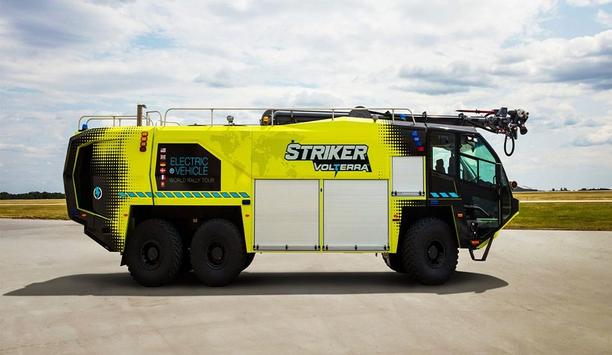
Oshkosh Airport Products, a division of Pierce Manufacturing Inc., a subsidiary of Oshkosh Corporation announces Airservices Australia has issued a purchase order for four Oshkosh Airport Products Striker® Volterra™ 6x6 Aircraft Rescue and Fire Fighting (ARFF) hybrid electric vehicles. These environmentally advanced fire apparatus will be deployed at the new Western Sydney International Airport (WSI), set to open in 2026. Striker Volterra 6x6 The Striker Volterra 6x6 comes equipped with an Oshkosh-patented hybrid-electric drivetrain, featuring an electro-mechanical infinitely variable transmission. This enables zero-emissions operation through the integrated onboard batteries and uninterrupted power supply by coupling with the internal combustion engine for pumping and drive systems. innovative design Airservices Australia is making a significant investment to support the development of an 'airport of the future' WSI is a transformational infrastructure project expected to boost economic activity, provide local employment opportunities, meet Sydney's carbon-neutral sustainability initiatives, and meet the area’s growing aviation needs. Airservices Australia is a government entity making a significant investment to support the development of an 'airport of the future', featuring world-pioneering technology, innovative design, and a sustainability plan incorporating assets like the Striker Volterra ARFF hybrid electric vehicles. sustainability "As the first airport built in Australia in over 50 years, WSI is not just an airport; it's a statement of intent for a more sustainable future,” said Dave Archer, Vice President of Engineering for Oshkosh Vocational. He adds, “The Striker Volterra vehicles, with their hybrid electric technology, align perfectly with Airservices Australia and WSI’s goals. These vehicles are not only an asset to emergency response capabilities but also play a crucial role in larger environmental sustainability initiatives." environmentally conscious choice Dave Archer continues, "They symbolize a dedication to intelligent design, energy optimization, fire crew safety and efficiency, and ultimately, a carbon-neutral future." Striker Volterra ARFF hybrid electric vehicles demonstrate the most advanced acceleration and reduced fuel consumption compared to our standard diesel models, making them an environmentally conscious choice for emergency response services. Striker Volterra features Striker Volterra ARFF demonstrates a 28 percent improved acceleration compared to the standard diesel models WSI’s four new Striker Volterra 6x6 vehicles will feature an industry-pioneering modular cab design, TAK-4® all-wheel independent suspension, and a 50’ Snozzle® High Reach Extendable Turret. They each house an 11,356-liter (3,000-gallon) water tank, a 1,590-liter (420-gallon) foam tank, and a 7,570 lpm (2,000 gpm) water pump, along with a 250 kg (550 lb.) dry chemical powder system. Accelerating from 0 to 80 kph (0 to 50 mph) in under 25 seconds, the Striker Volterra ARFF demonstrates a 28 percent improved acceleration compared to the standard diesel models when fully loaded. training, implementation, and service support Dave Archer said, “The collaboration between Oshkosh Airport Products and Airservices Australia marks a significant step forward in the aviation industry's commitment to sustainability." He adds, "We remain committed to a strong partnership, providing world-class training, seamless implementation, and unwavering service support to ensure these vehicles exceed expectations in the critical missions of ARFF crews.” By leveraging new technologies and innovations like Oshkosh Airport Products’ Striker Volterra ARFF hybrid electric vehicles, WSI will showcase the feasibility of low-carbon operations and set a new standard for airports worldwide.
Round table discussion
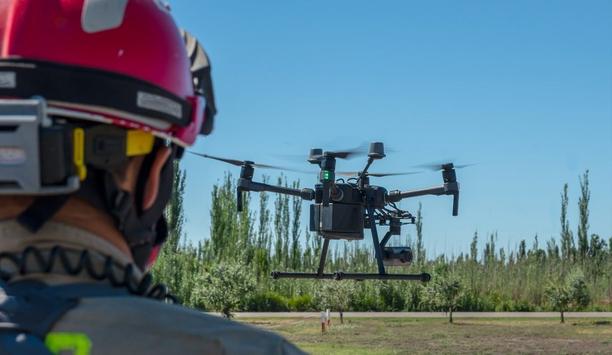
Technology has played a role in firefighting since the beginning; in fact, portable water pumps were found among the ruins of ancient Egypt. As bucket brigades gave way to electric pumps and internal combustion motors displaced horse-drawn fire engines, firefighting has benefited in terms of greater efficiency and lives saved at each point along the way. Technologies boosting the efforts of firefighters include drones, robots and other high-tech innovations. We asked our Expert Panel Roundtable: Which technologies will we see in ‘the future of firefighting'?
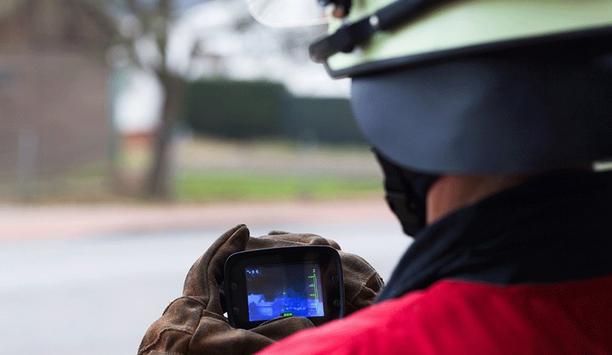
Thermal imaging is an advantageous tool for firefighters on the frontline. As thermal cameras have become more compact and affordable, their availability has expanded, along with their usefulness. We asked our Expert Panel Roundtable: How does thermal imaging serve the needs of firefighters and how is it changing?
Products





Videos


Passive Fire Protection (PFP): Manufacturers & Suppliers
The New Future For Fire Agencies
Download
The Eight Key Trends in Fire Detection in 2023
Download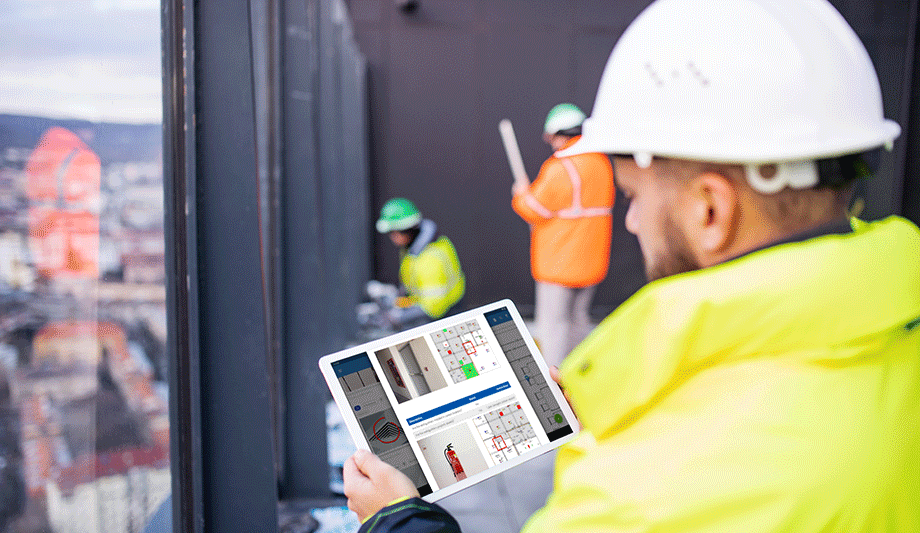
A Digital Platform to Improve Fire Safety Compliance and Inspections
Download
Overcoming the Challenges of Fire Safety in the Paper Industry
Download
Carbon Monoxide: Creeping Killer Caught In The Act
Download