
Fire alarm systems are crucial for building safety, as they provide early detection of fires and trigger alarm notifications so people can evacuate.
A key component of many fire alarm systems is the fire alarm releasing panel. This specialized control panel monitors inputs from various devices and can activate outputs to release fire suppression agents or other equipment in response to alarm conditions.
Fire Alarm Releasing Panel Explained
The main purpose of a releasing panel is to detect fire or smoke conditions via connected sensors
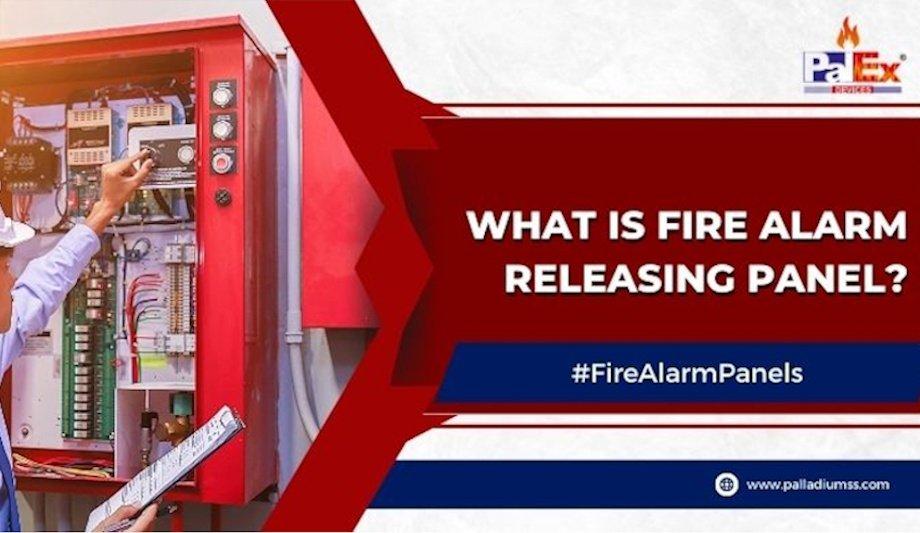
A fire alarm release panel, also known as a suppression release panel, is a control unit that is designed to activate fire suppression systems automatically based on inputs received from fire detectors and devices.
The main purpose of a releasing panel is to detect fire or smoke conditions through connected sensors and respond by releasing extinguishing agents from suppression equipment, such as sprinklers, carbon dioxide systems, clean agent-based systems, and other fire suppression devices.
Basic fire alarm control panels
Releasing panels are intelligent systems that follow predetermined logic to make decisions on releasing suppression agents. They contain microprocessors that can interpret signals, make logical releasing decisions, and activate outputs.
Releasing panels are configurable with different zones, input/output capabilities, and sequences. They are more complex and feature-rich compared to basic fire alarm control panels.
How Does a Fire Alarm Releasing Panel Work?
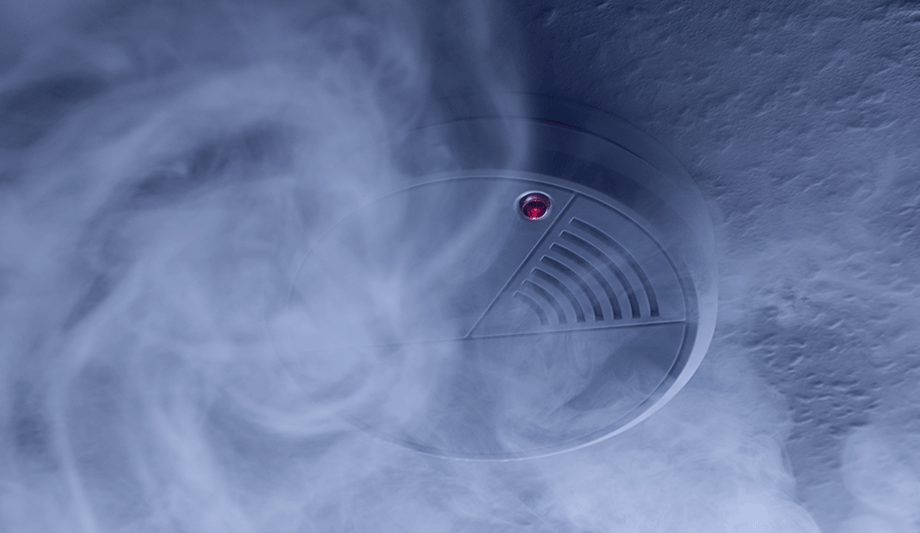
Initiating devices can include smoke detectors, heat detectors, flame detectors, and manual pull stations
A fire alarm releasing panel continually monitors connected fire detection devices and sensors in various zones of a building.
These initiating devices can include smoke detectors, heat detectors, flame detectors, manual pull stations, and more. When a detector goes into alarm, it sends a signal back to the releasing panel.
The panel evaluates the input signals and makes logic-based decisions on whether to activate releasing outputs based on the programmed sequences and parameters. For example, the panel may require multiple smoke detector activations or cross-zoning before initiating a release. This helps avoid false alarms and accidental releases.
Electrical releasing modules
If the preset releasing conditions are met, the fire alarm control panel will trigger output signals to activate the release of suppression agents in the areas needing protection. This is done by controlling solenoid valves or electrical releasing modules connected to the suppression equipment.
The releasing panel also activates audible and visible alarms and sends signals to notification appliances to alert occupants of alarm conditions.
Key steps in the automatic releasing process
The entire releasing sequence occurs automatically based on the releasing panel‘s programming and logic. Manual activation is also possible using abort and release switches on the panel for emergency situations or testing. Some key steps in the automatic releasing process include:
- Input device activation and alarm signal receipt
- Panel alarm processing, comparisons to programmed logic
- Primary and secondary power source verification
- Output release circuit activation
- Solenoid valves or releasing modules open
- Suppression agent discharged from storage vessels
- Alarms and notifications triggered
- Central station monitoring signal sent
fire alarm releasing panel
Technicians can access the internal programming and diagnostics through the panel interface
A fire alarm releasing panel provides full-system information, including status indicators, trouble signals, supervisory signals, and more.
Technicians can access the internal programming and diagnostics through the panel interface. This allows them to check status, alter configurations, and perform routine maintenance. Also read: What Should I do if the Building’s Fire Alarm is Making Noise?
Types of Releasing Panels
There are two main types of releasing panels:
- Conventional releasing panels – These panels can interface with conventional initiating devices in zones but have more limited capabilities. Usually, up to 20 zones are supported.
- Addressable releasing panels – These panels can connect with advanced analog/addressable devices that communicate detailed data. Provide individual identification of detectors and many programmable options.
Within these types, releasing panels can have different levels of capability and sophistication based on the number of circuits, outputs, zones, interfaces, and features provided. Some releasing panels also incorporate standard fire alarm control panel functions.
Major Components of a Releasing Panel
Fire alarm releasing panels contain various internal components and circuits to manage the detection, alarm, and release process. Major releasing panel components include:
- Microprocessor – The central processing unit that controls internal operations.
- Initiation device circuits – Input circuits that interface with detection devices.
- Notification appliance circuits – Outputs that activate alarms and warning lights.
- Releasing circuits – Outputs that trigger suppression release through solenoid valves.
- Power supply – Provides primary and backup power to the panel components.
- User interface – Control switches, LED indicators, LCD display for access and control.
- Communication modules – For networking, transmission to monitoring stations.
The microprocessor runs the main software and logic that receives detection signals, evaluates inputs, activates outputs, and controls the overall releasing sequence. The panel hardware provides the connections to support power, detection devices, releasing outputs, and notifications in the building.
Releasing Panel Standards
There are various standards that apply to the design and installation of fire alarm releasing panels, including:
- NFPA 72 – National Fire Alarm and Signaling Code
- NFPA 2001 – Standard for Clean Agent Fire Extinguishing Systems
- UL 864 – Standard for Control Units and Accessories for Fire Alarm Systems
These help ensure that releasing panels meet requirements for capacity, survivability, circuit separations, supervision, and sequences. Releasing panels must comply with the standards to gain approval and listings for the use of fire protection systems.
Bottom Line
Releasing panels represent an important component in complete fire alarm and suppression systems. They allow fast-acting fire protection measures to be taken based on alarm inputs received, helping safeguard occupants and property.
With the ability to monitor inputs, follow programmable logic, activate notification devices, and control suppression system discharge, releasing panels play an integral role in fire detection and control.