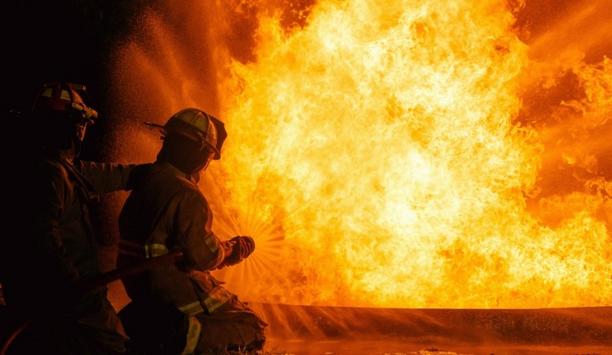
Firefighters selflessly put themselves in harm's way to protect others, and as covered before, their noble actions come with significant risks, including exposure to a multitude of hazardous contaminants.
Understanding the sources and pathways of exposure is crucial for developing effective preventive measures and protocols to mitigate these risks.
Enhanced training, improved gear, regular medical monitoring, and strict decontamination procedures are essential for safeguarding the health and well-being of these brave men and women who selflessly serve our communities. They want to cover the various ways in which firefighters encounter these contaminants and if there's a risk of potentially becoming exposed.
Firefighting Equipment and Gear
While essential for protection, firefighters' gear can also be a source of exposure
While essential for protection, firefighters' gear can also be a source of exposure. Personal Protective Equipment (PPE) is designed to shield firefighters from heat and flames, but it may not provide full protection against all contaminates encountered.
The gear itself can accumulate contaminants during firefighting operations and retain them if not immediately cleaned through decon processes.
Fire Combustion and Toxic Byproducts
Fires involve the combustion of various materials, releasing toxic substances into the air. When they enter burning structures or fight wildfires, they are exposed to a toxic cocktail of gases, particulate matter, and harmful chemicals.
Inhaling these substances can lead to acute and long-term health effects.
Structural Materials and Furnishings
Modern buildings and homes are constructed with a wide array of synthetic materials, such as plastics, foams, and treated wood, which can produce toxic fumes when they burn.
Firefighters can come into contact with these hazardous substances through dermal exposure, as their protective gear may not provide complete coverage. Prolonged contact with contaminated surfaces can lead to exposure of harmful chemicals to the body.
Post-Fire Exposure
During overhaul operations, the disturbance of burnt materials can release toxic particles into the air
Firefighters face risks even after the flames are extinguished. During overhaul operations, where they search for hidden fires and hotspots, the disturbance of burnt materials can release toxic particles into the air, which can be inhaled or settle on surfaces.
Additionally, the process of cleaning and decontaminating equipment and gear may expose firefighters to residual contaminants, especially if proper decontamination protocols are not followed.
Gear’s advanced fabrics
Luckily, they have the services to mitigate contamination like this. Proprietary systems clean, sanitize, and decontaminate everything from turnouts and alternative PPE to helmets, hoods, gloves, harnesses, and boots. They take extra care to protect the gear’s advanced fabrics while adhering to manufacturer, industry, and NFPA cleaning standards.
By raising awareness about contaminant exposure among firefighters, they can advocate for their safety, support ongoing research, and contribute to developing better strategies to minimize occupational health risks.

- Fire Safety Risk Assessment
- Fire Safety Planning
- Fire Protection
- Fire Rescue
- Fire Safety Testing
- Fire Safety Standards
- Fire Safety Policies
- Fire Emergency Response
- Industrial Fire Safety
- Firefighter Health and Safety
- Personal Protective Equipment (PPE)
- Explosion Protection
- Flammable Material Control