Understanding the various fire extinguishers and their appropriate use can make a critical difference in emergency situations. Ensuring the right choice and application can protect lives and property in homes and workplaces.
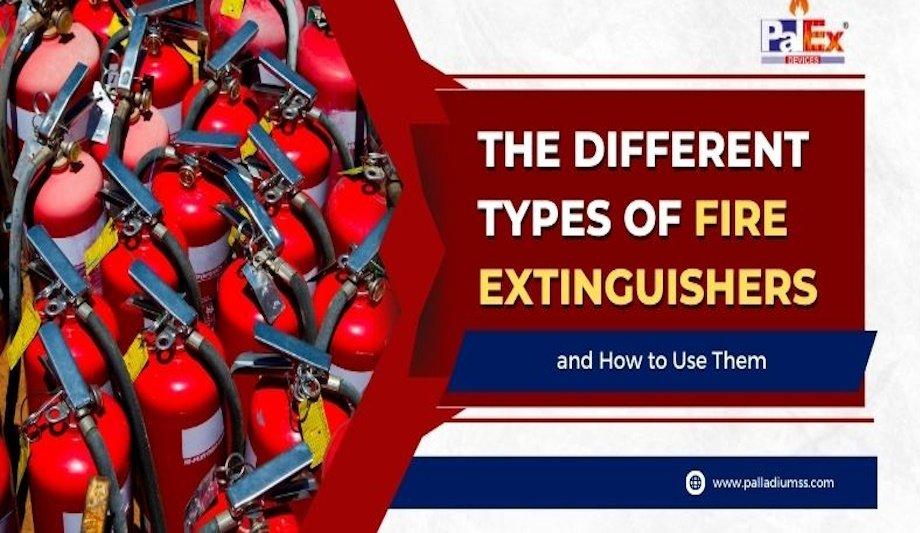
Fire extinguishers fall into five main types: water, foam, powder, carbon dioxide (CO2), and wet chemical, each designed for specific kinds of fires.
Types of Fire Extinguishers
Water Fire Extinguishers: Ideal for fires involving ordinary combustibles such as paper, wood, and fabric. However, these should not be used for electrical fires or ones caused by flammable liquids. To operate, aim at the base of the fire, sweeping side to side.
Foam Fire Extinguishers: Effective on fires involving flammable liquids and certain electrical risks. When using a foam extinguisher, direct it at the fire's base, moving from left to right. These should be kept away from combustibles like paper or wood.
Powder Fire Extinguishers: These versatile extinguishers can handle fires caused by flammable gases, metals, and electrical equipment. Direct the nozzle at the base and move it side to side, maintaining distance from the flames.
Carbon Dioxide and Wet Chemical Extinguishers
Carbon Dioxide (CO2) Fire Extinguishers: Suitable for fires involving electrical equipment, as CO2 does not leave residue that could damage devices. To use, aim at the fire's base and sweep the stream across the area without coming too close.
Wet Chemical Fire Extinguishers: Tailored for kitchen fires involving cooking oils and fats, these extinguishers smother flames by spraying in a circular motion. Keep a safe distance while spraying to avoid harm.
Steps for Proper Use
Correct usage of a fire extinguisher is crucial in curbing fires before they escalate. Begin by identifying the fire class: class A, B, C, D, or F, to select the appropriate extinguisher. In significant fire events, contact emergency services promptly while using the device.
- Pull the Pin: Remove the pin to unlock the extinguisher handle.
- Aim at the Base: Direct the nozzle toward the fire’s base rather than the flames themselves.
- Squeeze the Handle: Release the extinguishing agent by squeezing the handle, ensuring your hand stays clear of the nozzle.
- Sweep Side to Side: Move the extinguisher in a sweeping motion, maintaining a safe distance from the fire.
- Check for Reignition: Monitor the extinguished area for any signs of reignition and repeat use if necessary.
Choosing the right fire extinguisher and employing it effectively can prevent small fires from escalating into larger, uncontrollable blazes. In cases where fires become too intense, evacuation and immediate firefighting assistance are paramount.
Don’t be caught unprepared! Find out the various types of equipment used to put out fires and when each is best suited. Protect your home or workplace.
To stop a fire, you have five choices: water, foam, powder, CO2, or wet chemicals. Water fire extinguishers help extinguish fires involving paper, wood, and fabric.
Powder Extinguisher Versatility
Foam fire extinguishers are suitable to use on fires with something that can catch fire easily, like liquids and things that use electricity. Powder fire extinguishers can work on many fires, even those with flammable gases or metals. CO2 fire extinguishers work on electrical fires and won’t harm electrical devices because they don’t leave any leftover materials.
Extinguisher Types & Use
These are the Top Five Kinds of Fire Extinguishers and How to Operate Them
Foam Fire Extinguishers
Maintain a strategic distance from fires by maintaining a strategic distance from materials like paper or wood and combustible fluids like gasoline and oil. To put out a fire with the froth fire quencher, point it towards the foot of the fire and move it from clearing out to the right.
Water Fire Extinguishers
Stop fires using paper, wood, clothes, and things that are alike. Don’t use these fire extinguishers on fires started by electricity or liquids that can easily catch fire. To stop a fire with a water extinguisher, aim at the bottom and move it side to side while staying safe from the fire.
Carbon Dioxide Fire Extinguishers
Put out fires that involve liquids that can easily catch fire and electrical fires. They are called Class B and C extinguishers. To utilize a CO2 fire quencher, point it towards the base of the fire and move it from side to side.
Dry Powder Fire Extinguishers
They can put out different types of fires. They put out fires that are called Class a, b, c, d, and electrical fires. To utilize a dry powder fire quencher, point it at the base of the fire and influence it sideways. Remain absent from the fire.
Wet Chemical Fire Extinguishers
Wet chemical fire extinguishers are made to extinguish fires in kitchens with cooking oils and fats. Use a wet chemical fire extinguisher by spraying it in a circle onto the fire while staying a safe distance away.
How to Use Them
Employing a fire quencher accurately can rapidly halt a small fire and prevent it from becoming a massive fire that harms individuals.
To utilize a fire extinguisher, there are a few straightforward steps you do-Know What Kind of Fire it is Before Using a Fire Extinguisher: This will assist you in choosing a good fire quencher and prevent the fire from compounding. There are five sorts of fires: Classa, b, c, d, and f. You wish for a diverse quencher for each kind of fire.
Call the Fire Department: If there’s a massive fire, instantly contact the fire department. If you have a device to put out fires, it is pivotal to inquire for assistance from individuals who know more than you. They can help on the off chance that the fire gets to be as well huge.
- Pull the Pin: To use a fire extinguisher, remove the pin that stops the handle from getting pressed accidentally. The hook is usually on the handle’s top part.
- Aim at Firebase: Direct the nozzle or hose towards the ground, not flames.
- Squeeze the Handle: Squeeze the handle to release the agent. Keep your hand away from the nozzle to avoid injury.
- Sweep Side to Side: Sweep the extinguisher side to side while keeping a safe distance from the fire.
- Check for Reignition: Ensure there’s no more fire by checking for any signs of it happening again. If a fire occurs again, do the same thing you did before.
Conclusion
Crucial to pick a suitable fire extinguisher and use it properly to prevent a small fire from getting bigger and more dangerous. Stay safe and save people’s lives. It would help if you used to stop them and how to use them correctly. Call the fire department and get out fast if the fire is too large for a regular extinguisher.