
To help provide answers to different stakeholders interested in energy storage system (ESS) technologies, National Fire Protection Association (NFPA) releases NFPA 855, Standard for the Installation of Stationary Energy Storage Systems, the first comprehensive collection of criteria for the fire protection of ESS installations.
The standard provides requirements based on the technology used in ESS, the setting where the technology is being installed, the size and separation of ESS installations, and the fire suppression and control systems that are in place.
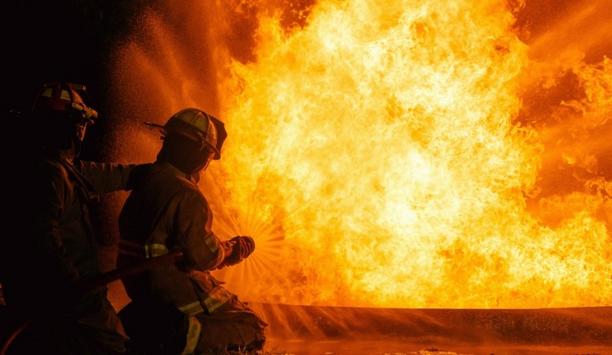
Increased Fire Intensity
Global deployment of ESS will expand thirteen times in size over the next six years (2018-2024)
Per industry expert Wood Mackenzie Power & Renewable, global deployment of ESS will expand thirteen times in size over the next six years (2018-2024), with the greatest growth occurring in the United States and China.
Certain ESS technologies can pack a lot of energy in a small envelope, which makes these technologies useful but also increases fire and life safety hazards such as the release of toxic/flammable gases, stranded energy, and increased fire intensity. These potential threats are driving the need for first responders and those that design, build, maintain, and inspect facilities to become educated and proactive about ESS safety.
Providing Countless Benefits And Applications
“NFPA 855 is the culmination of several years of extensive consideration and dialogue at technical committee meetings, educational sessions, and workshops attended by a broad spectrum of professionals,” said Christian Dubay, P.E., vice president and chief engineer.
While energy storage systems provide countless benefits and applications, the technologies do not come without risk"
“Understanding how to safely use ESS is important to many different segments that NFPA serves – designers, engineers, builders, manufacturers, enforcers, responders, and policy makers. While energy storage systems provide countless benefits and applications, the technologies do not come without risk. NFPA 855 aims to mitigate risk and ensure that all installations are done in a way that takes fire and life safety into consideration,” said Brian O’Connor, P.E., NFPA staff liaison for NFPA 855.
Extensive Requirements For ESS Fire Safety
In addition to looking at where the technology is located, how it is separated from other components, and the suppression systems in place, NFPA 855 considers the ventilation, detection, signage, listings, and emergency operations associated with ESS. Current editions of NFPA 70® and NFPA 1 also contain extensive requirements for ESS fire safety.
The effort to develop NFPA 855 began in 2016 as ESS technology usage began to soar due to consumer, business and government interest. More than 600 public inputs and 800 public comments were received during the development process. NFPA has been informing audiences for years about ESS via relevant research, the world’s first online training for the fire service, a fact sheet for policy makers, and NFPA Journal content.