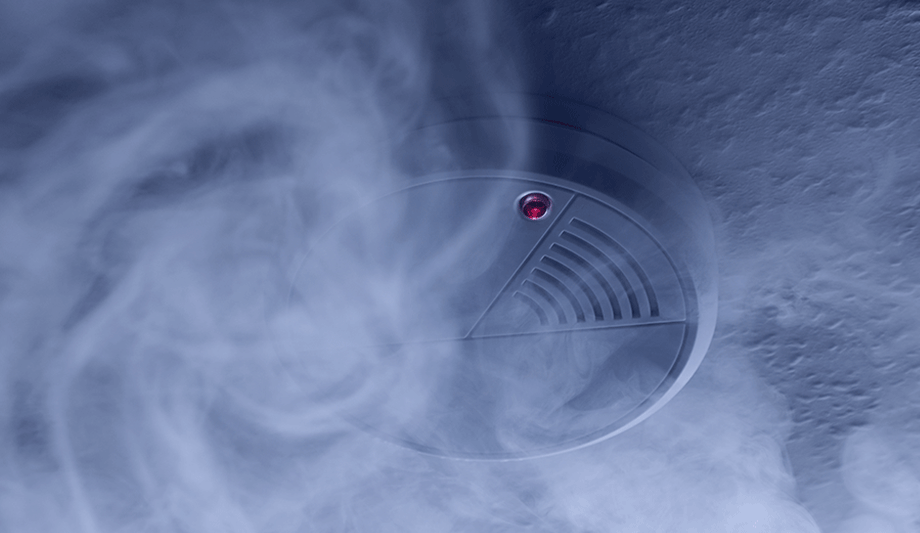
Understanding the importance of life safety systems is crucial for any business operating in commercial or public buildings. Designed to safeguard lives during emergencies such as fires, power failures, or security threats, these systems are fundamental for ensuring the safety of building occupants.
The recent guide by Midland Fire Solutions delves into the various components of life safety systems and highlights their role in emergency preparedness.
Key Types of Life Safety Systems
Creating a comprehensive life safety system involves several critical components, each serving a unique function. It is advisable for businesses to employ experienced contractors, such as Midland Fire, to assess their properties and ensure compliance with safety regulations.
Fire Detection & Alarm Systems
Commercial fire alarm systems are integral to alerting building occupants of potential fires. These systems, which can range from simple smoke detectors and heat sensors to complex alarm networks, are essential for immediate notification and evacuation.
Sprinklers & Fire Suppression
Automatic fire suppression systems act swiftly to extinguish fires before they spread. Utilizing agents like gas, foam, or water mist, these systems minimize damage without requiring human intervention, enhancing safety for all occupants.
Fire Extinguishers
Fire extinguishers are basic yet vital components in tackling small fires. Available in various forms filled with substances such as foam, powder, or CO2, ensuring staff are trained in proper use is essential for effective fire management.
Emergency Lighting
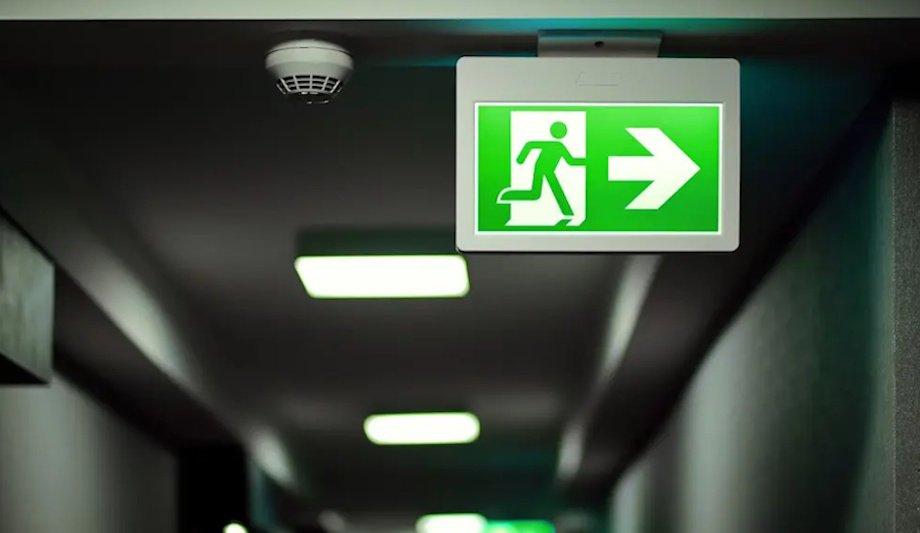
Emergency lighting installations are pivotal in guiding occupants to safety during crises. Typically placed along evacuation routes, stairwells, and exits, they form an integral part of evacuation strategies. Midland Fire offers installation and upgrades through their Thorlux Scanlight AT and SmartScan services.
Voice Alarm Systems
Emergency voice alarm systems deliver clear, authoritative instructions during emergencies, facilitating orderly evacuations. These systems are particularly effective in large or noisy environments where traditional alarms may not suffice.
Disabled Refuge & Call Points
Disabled refuge and call points provide vital communication channels for individuals with additional needs during emergencies. These systems enable two-way communication with emergency teams, offering reassurance and guidance until help arrives.
The Importance of Regular System Maintenance
Failure to maintain these systems could lead to significant penalties and invalidate insurance policies
Once installed, the ongoing maintenance of life safety systems is paramount. Not only is it critical for ensuring functionality during emergencies, but it is also a legal obligation.
Failure to maintain these systems could lead to significant penalties and invalidate insurance policies. Midland Fire offers maintenance plans tailored to keep systems in excellent working condition and compliant with legal requirements.
A Note on the PSTN Switchover 2025
With the UK scheduled to transition its telephone networks from analog to digital by 31 December 2025, many life safety systems that depend on copper phone lines will require updates.
Midland Fire provides the expertise to identify and replace outdated PSTN products, ensuring life safety systems remain operational and compliant post-switchover. For a consultation, businesses are encouraged to contact Midland Fire.
“So, what counts as a life safety system?” they hear them ask. In this guide, they’ll shine a light on all the systems primarily designed to protect life in emergency situations in commercial or public buildings, and why the business needs them.
In short, life safety systems save lives. They’re essential in making sure a building’s occupants remain safe during emergencies such as fires, power failures, or security threats.
From emergency lighting to advanced voice alarm systems, they have the power to alert people to emergency situations and help them quickly evacuate the space. The guide explores these life safety systems further and outlines how Midland Fire Security Services can help keep the staff and customers safe.
Key Types of Life Safety Systems
To build a complete life safety system for the business, there are several components to take into consideration. To determine which ones they need and to make sure they’re compliant with the relevant safety regulations, it’s best to hire an experienced contractor like Midland Fire to come and assess the property.
The main life safety system components are as follows:
Fire detection & alarm systems
A commercial fire alarm system is a must-have to keep people within the business safe from the risk of fire. They detect the signs or presence of a fire, often through smoke or heat detection, then set off alarms to alert everyone. These systems will include components such as smoke detectors, heat sensors, audible alarms and manual call points, and can be as complex as needed to suit their setting.
Sprinklers & fire suppression
An automatic fire suppression system is designed to detect and put out fires before they can spread. These systems use extinguishers like gas, foam or water mist to tackle flames at the source and minimize damage. Fire suppression systems are usually automatically triggered, protecting staff by avoiding the need for human intervention.
Fire extinguishers
The most simple of all fire safety equipment, fire extinguishers come in a variety of types and sizes and are designed to put out small fires. They’re filled with different substances like foam, powder, or CO2, depending on the type of fire the business is most at risk of. Staff training is key in making sure that they will be used correctly and effectively.
Emergency lighting
Emergency lighting installation helps people see clearly and find their way to safety in the event of an emergency. It’s often placed along escape routes, stairwells and exits and forms a key element of evacuation plans. At Midland Fire, they offer emergency lighting installation as well as Thorlux Scanlight AT maintenance services and SmartScan upgrades.
Voice alarm systems
Designed to broadcast clear voice messages during emergencies, emergency voice alarm systems help people respond and evacuate safely. Unlike standard alarms, these systems provide detailed instructions, helping to reduce panic and confusion. They’re especially useful in large or noisy spaces where sirens alone may not be enough.
Disabled refuge & call points
Disabled refuge systems and call points provide a way for people with additional needs to request help during an emergency. Installed in safe designated areas, usually in multi-storey buildings, these systems allow clear two-way communication with emergency teams, meaning people can stay connected and informed until help arrives.
The Importance of Regular System Maintenance
They have the life safety systems in place; next, it’s important to make sure they’re keeping them properly maintained. Regular maintenance of life safety systems isn’t just crucial for making sure that the systems are working correctly when it matters most – it’s a legal requirement too. Failure to keep the systems properly maintained could therefore result in hefty fines and the insurance policy voided.
At Midland Fire, they can advise them of how often they need to be testing and servicing the safety equipment at the business premises, and they offer various maintenance plans to keep the life safety systems in top condition.
A Note on the PSTN Switchover 2025
On 31 December 2025, the UK will fully transition its telephone networks from analog to digital. What does this mean for life safety systems? It means that many systems, namely those which rely on copper phone lines to communicate an alarm being raised, will no longer be supported.
But don’t worry – Midland Fire can help. Engineers can identify and replace the PSTN products, which will cease to function following the switch-off, ensuring the life safety systems remain fully functioning and compliant. Just give them a call for a free consultation.