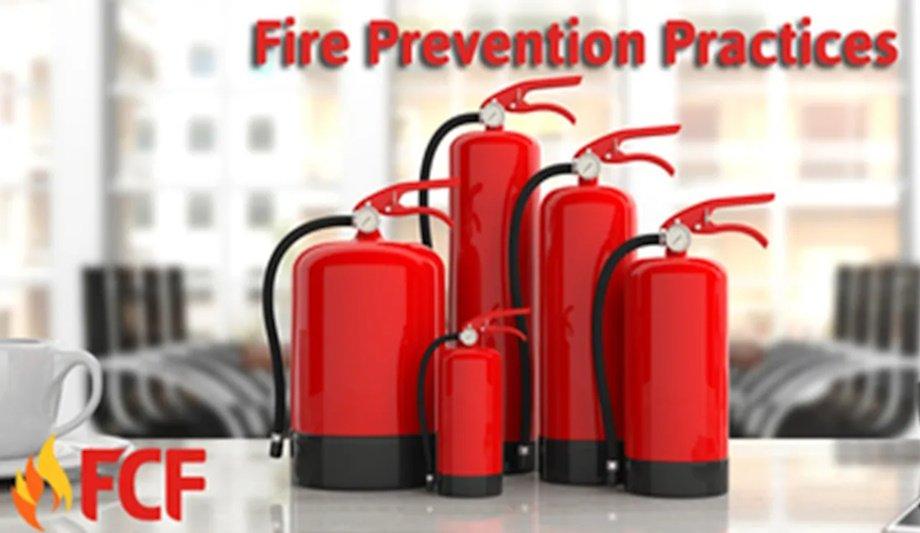

Fire accidents can happen anytime and anywhere. Whether they have installed portable fire equipment or supplied fire blankets and fire hose reels for the business, confronting fire needs more than just having these installations. What better way to prepare themselves than to learn more about the importance and Fire Extinguisher Facts?
Here are some of the facts and regulations that the real estate agency needs to know about the fire extinguisher.
Why Does the Real Estate Agency Need A Fire Extinguisher?
A busy place will always require stricter rules and a more strategic emergency plan
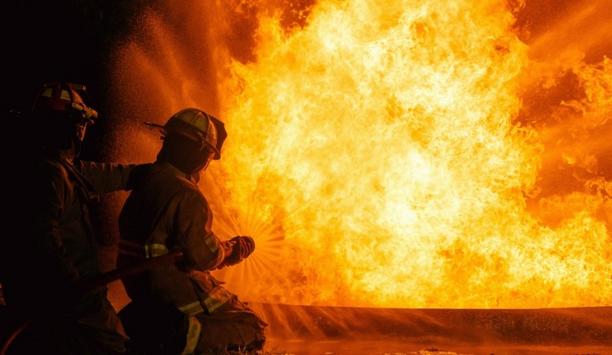
A busy place will always require stricter rules and a more strategic emergency plan. If a fire suddenly breaks out in a room full of workers, the best response while evacuation is going on should be to eliminate the danger before it damages anything or affects anyone.
A portable fire extinguisher is designed as a first line of defense. If it is controllable then suppressing it would save a lot of time and significantly decrease damages at the same time.
Where Should Portable Fire Extinguishers Be Installed?
Wherever convenient and accessible should be the magic words for deciding the location of portable fire extinguishers. However, based on the Standard Codes of Australia, fire extinguishers must be installed near emergency exits and near potential fire hazards.
Make sure it is installed at a distance of about 1.2m from the top of the extinguisher to the floor and near fire exits for easy evacuation.
Classifications And Functions Of Fire Extinguishers
Extinguishers are differentiated by the suppressing agent and the class of fire they can extinguish. These are labeled on the extinguisher for easy identification. For a more specific reference, make sure to familiarize these Fire Extinguisher Facts and classifications.
- Class A fires are the carbonaceous ones that contain carbon as the basic fuel. Fabrics, papers, plastic, and rubber-based products compose this type of fire, which will need water, foam, wet chemicals, and powder ABE extinguishers.
- Class B fires consist of combustible liquids like chemical-based cleaning products and lubricants. Powder ABE, BE, and foam can extinguish these fires.
- Class C fires are gases such as butane, propane, and LPG, which need Powder ABE and BE to suppress.
- Class D fires are made up of combustible metals like potassium, sodium, aluminum, and magnesium. A dry powder is used to remove the heating element of these metals.
- Class E fires are the type of fires sourced from heat and electric shock. It is quite different because it is not a fuel, but it can be suppressed by Carbon Dioxide or foam.
- Class F fires are made up of cooking oils and fat like vegetable oil, lard, butter, and other fatty products. Use a wet chemical-based extinguisher to suppress such a type of flame.
How To Operate A Portable Fire Extinguisher
When they are confronted by fire and have to extinguish it, using a fire extinguisher should be done accurately. When handling a fire extinguisher, one should keep a safe distance from the fire to avoid the dangers of catching fire and inhaling too much carbon dioxide. Make sure they inform the staff of these Fire Extinguisher Facts. When suppressing the flames:
- Pull the pin used to lock the handles
- Aim the extinguisher nozzle firmly at the base of the fire
- Squeeze the handles without releasing to continually release their contents
- Sweep the nozzle side to side for an effective motion for extinguishing the fire
Note that even when they are battling the fire, any circumstances may require them to leave the tank and evacuate. Do not attempt to continue suppressing the flames if the fire grows. It will only make it harder for you to escape.
Portable fire extinguisher
For a clearer sense of judgment, only use a portable fire extinguisher if the following conditions apply:
- The building occupants have evacuated the area or are currently evacuating the premises
- The fire brigade has been alerted
- The fire is controllable and exists in a small area
- A fire door or access to a safe exit is within reach
- There is an available working fire extinguisher near them
- They know how to operate the firefighting equipment with proper training
In conclusion, fire extinguishers are a must-have for real estate agencies, but they need the right training to handle them accurately. This portable fire equipment functions as a first line of defense in fighting fire. Therefore, it serves as a highly important part of the fire safety plan.