
When there is a fire emergency, the decision to fight the fire by themselves or leave right away could be one of the most important choices. This choice might change their life forever, so it’s very crucial that users know what factors should guide this decision.
In this article, Palladium Safety Solutions are going to talk about key things that users must consider when deciding whether fighting a fire on their own makes sense in an emergency situation with flames and smoke all around them.
Most important choices
The first thing to consider is the size and how far the fire has spread. If it is small and contained, users might try to fight it with available tools. But if it has become big or rapidly spreading, then evacuation becomes necessary.
- Small, contained fires: If the fire is not bigger than a small wastepaper basket and not quickly spreading, users might be able to put it out using a fire extinguisher.
- Big or spreading fires: If the fire becomes too big for them to handle using a fire extinguisher, or if it starts spreading rapidly, it is important to evacuate immediately.
- Don’t forget, fires can get bigger and spread very quickly. If users are uncertain if they can manage the fire, it is always safer to be careful and leave the area.
Specific types of extinguishers
Check available equipment and skills:
- Fire extinguisher: Is there a fire extinguisher close by, and do users know how to use it correctly? Different kinds of fires need specific types of extinguishers.
- Training: Do they have some kind of fire safety training? If not, it’s quite possible that the efforts to fight the fire might only increase risk for themselves.
Are they able to pick up and move a fire extinguisher in a risky situation? If they lack the proper equipment or skills, evacuation is the safer choice.
Clear escape route
Before deciding to fight a fire, always ensure users have a clear escape route:
- Identify at least two ways to fire exit the area quickly.
- Make sure these routes are not blocked by fire, smoke, or debris.
- Consider whether the fire could potentially cut off their escape if it grows.
- If the ways users planned to escape are not safe or might get blocked, leave right away instead of trying to fight the fire.
Assess Smoke and Air Quality
Smoke inhalation is often more dangerous than the fire itself. Consider the following:
- Visibility: When the smoke becomes dense enough that they struggle to see clearly, it means the fire has become too perilous for them to continue battling it.
- Breathing: If users are having difficulty breathing due to smoke, evacuate immediately.
- Toxic fumes: Certain fires, particularly those with chemicals or specific materials, can generate extremely toxic fumes. Evacuation is very important in these situations.
Consider the Location and Type of Fire
The location and nature of the fire can influence their decision:
- Kitchen fires: While some small grease fires in the kitchen could possibly be controlled using appropriate methods (such as baking soda or a fire blanket), they also have the potential to become uncontrollable.
- Fires caused by electricity: When there is live electricity present, fires can become more dangerous. If users cannot safely turn off the power, it is usually better to leave the area.
- Structural Fires: When the fire is inside walls or ceilings, it’s usually best to leave and get out because these fires can spread secretly and weaken the structure of the building.
Consider Others in the Building
Their decision doesn’t just affect users. Consider:
- Are there others in the building who may need assistance evacuating?
- Could their attempts to fight the fire delay the evacuation of others?
- Are there vulnerable individuals (children, elderly, or those with disabilities) who need immediate help?
- If their attempts to fight the fire could potentially delay others from leaving quickly, it is best to concentrate on ensuring everyone’s safe evacuation.
The Importance of Planning and Prevention
Even though it’s important to be skilled in deciding when to fight a fire or evacuate, the top and primary method is not having any fires:
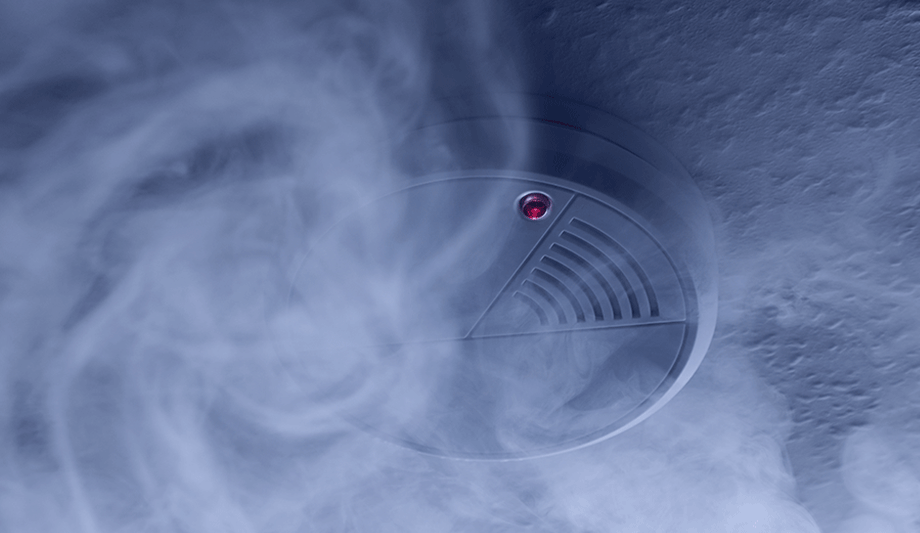
- Install and maintain smoke detectors throughout the home or workplace.
- Keep fire extinguishers in easily accessible locations and learn how to use them.
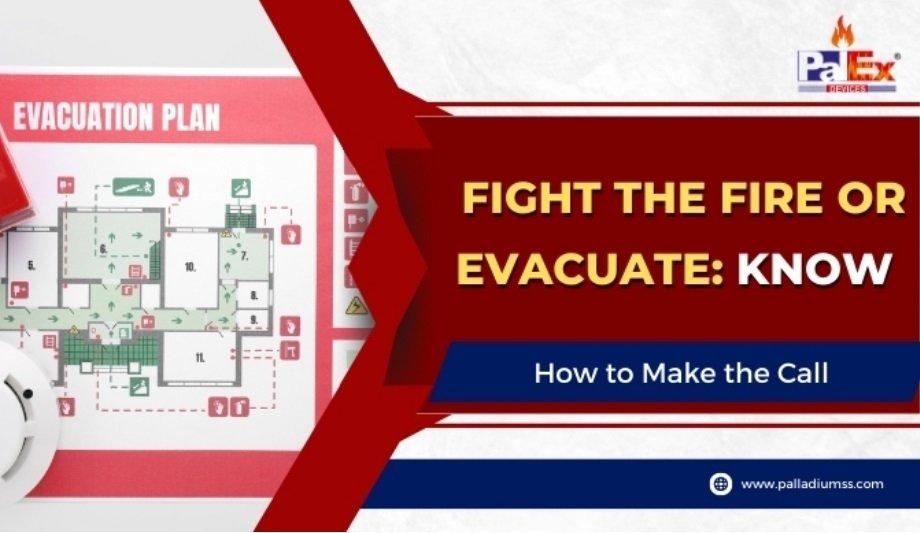
- Develop and practice an evacuation plan with their family or coworkers.
- Identify potential fire hazards in the environment and take steps to mitigate them.
Frequent fire drills and safety talks are important to make sure everyone is aware of how to react during an emergency, lessening panic and enhancing decision-making when time is crucial.
Conclusion
The choice of fighting a fire or leaving it is important and needs to be made quickly. Always put safety first for themselves and those around before any property matters; if unsure then decide on evacuation.
If they plan, prevent and decide quickly, then chances to be safe in a fire emergency will increase greatly.