
A Child Care Center Fire Evacuation plan is important in ensuring quick response to emergencies and the safety of children. The importance of planning lies in the ability to manage time, while evacuating to safety in any given scenario.
Establishing an emergency management plan is a matter of identifying risks and exit routes, delegating tasks to specific people, and executing them as planned. In this stage, get to know how Child Care Center Fire Evacuation procedures in child care centers adopt a more standardized method that is fit for a younger generation.
4 W's
It is highly necessary to keep track of the basic information to use as official reports and data for determining the next move.
Make use of the 4 W's for gathering data:
- Who: Prepare a list of everyone in the building. While it is a standard habit to check attendance in day care centers, use students list and check staff attendance to determine the individuals who might be involved in a fire incident.
- What: The emergency can be anything from mild to major fire incident, which is an important aspect of the report. When giving facts, know what the nature of the emergency is and how dangerous it is.
- When: The occurrence of the fire and its exact time is a significant factor in establishing a complete report.
- Where: Of course, the location should be basic information in a fire incident.
Child Care Center Fire Evacuation Procedures
In the event of fire, be quick in determining the first action down to the last one
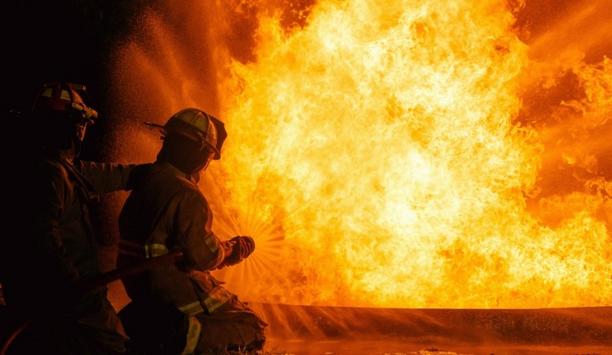
When fire occurs, there is no delaying, pausing or stopping it. What should be kept in mind is how to respond to it.
In the event of fire, be quick in determining the first action down to the last one.
- Raise the Alarm
Whoever is the first person to witness the fire is immediately the one responsible in raising the alarm. It is also a standard practice to notify the person in charge or the supervisor, in order to phone 000 and inform the fire brigade of the child care center name and address.
- Evacuate the Building
All educators and staff are responsible for gathering the children and assisting them to the assembly point. While doing so, windows and doors are closed to prevent the fire from spreading.
- Check Attendance
Once everyone is gathered in the evacuation area, check attendance rolls to make sure no one is left behind. If someone is missing, immediately inform the supervisor and emergency services. Do not attempt to go back if the fire has risen to a dangerous level.
- Supervise the Children
It is best to always prepare an Child Care Center Fire Evacuation kit
The assembly area is where teachers and supervisors can manage any effects on the children like anxiety, trauma, and whatnot.
It is best to always prepare an Child Care Center Fire Evacuation kit containing their toys, some nappies, water, and other necessities to ease tension.
- Call Parents
While managing the children, parents have to be contacted to inform them of the situation, so that they can fetch their children when needed. Also, make sure to prepare a log out list for kids who are collected.
- Administer First Aid
Let first aid personnel take charge on checking the health status of the staff and children to record minor injuries and call out immediate health assistance for major ones.
- Settle and Wait for further Instructions
Once all emergency respondents are called and the fire brigade arrives at the premises, inform them on the room locations where missing persons are likely situated and the best access to those rooms.
Wait for any reports of damages and status to determine whether it is safe to go back and when it is okay to do so.
- Fighting Fire
First and foremost, only fight the fire if properly trained and if it is safe to do so
From the beginning of the fire to the evacuation process, it is difficult to predict who is going to be confronted by the fire. That is why fire extinguisher training is very important. It can highly increase the chances of eliminating the fire, especially when it is controllable.
First and foremost, only fight the fire if properly trained and if it is safe to do so. If so, don’t hesitate to use a nearby extinguisher. When trying to put off the fire but it does not suppress, evacuate the building at once. It is best to leave it behind than risking life on uncertain circumstances.
Also, here are signs to know when not to attempt suppressing the fire such as:
- If it is not known what is burning
- The fire is quickly spreading
- If there is no accessible exit door (preferably located at your back
- The smoke is making it hard to breathe
- The available fire safety equipment is not sufficient enough to suppress the fire
Ensure availability of fire safety equipment
It is best for building managers and responsible persons to supply complete fire safety equipment and have them undergo regular maintenance as per the Australian Standard, AS 1851.1. The effects of neglected equipment can result to the aforementioned lack of available or working equipment.
Accidents, such as fire, sounds frightening but it shouldn’t remain that way without much preparation for evacuation. For those who need help in the planning process for the Child Care Center Fire Evacuation, especially in securing complete fire safety equipment, phone FCF and they’ll get back at the earliest.