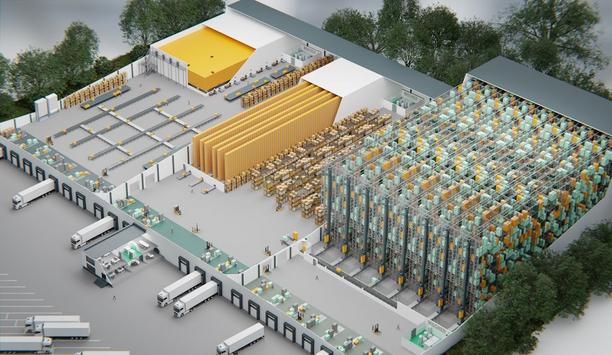

VIKING Life’s factories and their global service stations are the heart of VIKING. Over the last decade, they have invested heavily in optimizing their production facilities within technology, innovation, safety and low energy consumption.
In 2023, they have worked on a large number of local and global initiatives throughout their production facilities with the aim of promoting sustainable production methods.
These initiatives include improved waste air treatment, further installation of solar panels on factories, introduction of environmentally friendly equipment such as electric forklifts, battery recycling, and more.
Selected results from their 2023 local energy optimization initiatives:
- The installation of LED lights has resulted in electricity savings of 11.6% throughout their Danish facilities.
- The solar panels installed in their production facilities in Thailand now cover around 40% of the total electricity consumption, resulting in reduced CO2 emissions of approximately 844 tons per year. The facility also runs on 100% LED lights.
- The installation of LED light in their Chinese factory has resulted in a 44.8% reduction of electricity used for lighting. Paper consumption has dropped 17.5% from 2022 to 2023 as a result of targeted efforts to promote the paperless office.
Reducing water and electricity consumption
At VIKING, they are committed to reducing their water and electricity consumption
At VIKING, they are committed to reducing their water and electricity consumption on an annual basis. To achieve this goal, they have established yearly targets for their service and manufacturing sites.
These targets are set to reduce both electricity and water consumption. They are pleased to report that their manufacturing sites have successfully met the electricity target. However, their service stations have exceeded their targets, likely due to an increase in activity over the past year.
Rise in need of water to produce products
Conversely, for their water target, they can see the opposite scenario. Their manufacturing sites did not meet the target, while their service stations significantly reduced their consumption compared to 2022.
Nonetheless, these results were expected as the increase in activity also implies an increased need of water to produce their products.