Implementing UL 300 fire suppression systems in conjunction with adhering to the National Fire Protection Association (NFPA) guidelines significantly reduces the fire risks in commercial kitchens.
These standards, based on comprehensive research into common kitchen fire causes, offer both preventive measures and immediate response strategies to tackle fires if they arise.
Compliance with NFPA guidelines is essential for fostering a safer and more efficient kitchen environment.
Common Fire Risks in Commercial Kitchens
In commercial kitchens, fires often originate from conditions that are preventable. Key factors influencing kitchen safety include:
- Kitchen Grease: The combination of grease and heat is highly flammable, leading to many commercial kitchen fires. Cooking equipment is a primary source of such fires. Grease accumulates on various surfaces, including filters, equipment, and towels, posing a significant fire hazard.
- Open Flames: Multiple open flame sources in kitchens increase fire risks, especially when flammable materials are in close proximity.
- Faulty Wiring: Sparks from damaged wires can ignite fires. Appliance cables, particularly when run under rugs or in inappropriate settings, are vulnerable to wear and potentially hazardous.
- Overcrowding: Exceeding kitchen capacity poses fire risks and complicates emergency evacuation procedures.
- Clutter: A disorganized kitchen heightens risks of accidental fires and hinders adherence to safe cooking practices, affecting rigorous cleaning processes crucial for fire prevention.
Fire Prevention Strategies
Several strategies can help avoid disastrous scenarios in commercial kitchens:
Follow Equipment Safety Guidelines
Ensure that all equipment is professionally installed, inspected, and maintained according to applicable commercial kitchen guidelines. Regular cleaning, particularly in areas with grease accumulation, is necessary. Avoid running wires under inappropriate surfaces and use codes-compliant ventilation systems, such as those specified by NFPA 96 and UL 300.
Install Fire Suppression Systems
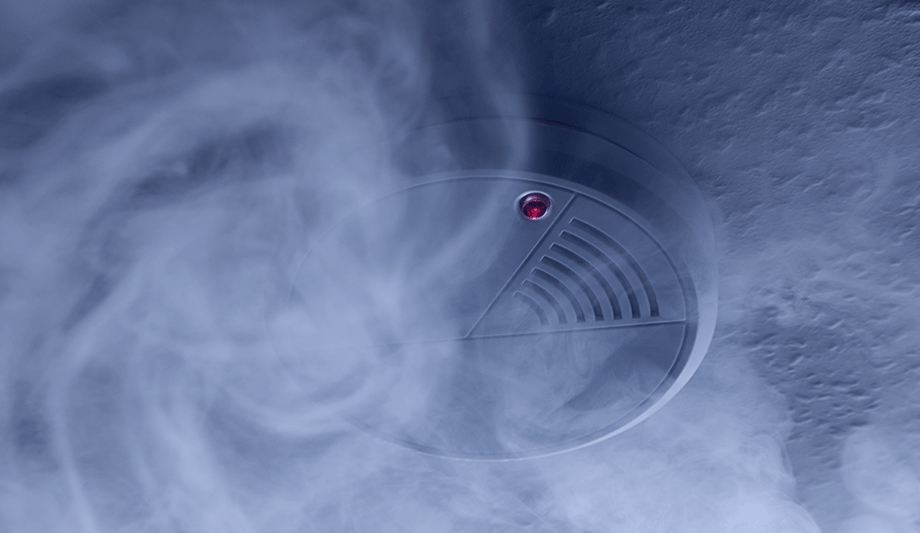
A small kitchen fire can quickly escalate. Properly installed and maintained fire suppression systems, including smoke detectors, automatic valve shut-offs, and wet chemical agents for grease fires, are vital for containment and preventing re-ignition.
Train the Staff
Safety training for staff should focus on appropriate cooking practices, such as monitoring cooking processes, avoiding overheated oils, and thorough cleaning of equipment and filters to reduce fire risks.
Class K Fire Extinguishers and Staff Training
Class K fire extinguishers are crucial in environments using high-temperature cooking oils and grease. Unlike water-based extinguishers, Class K models use agents that saponify oils, cooling and extinguishing flames while preventing re-ignition.
Staff should be trained in extinguisher use, including the PASS technique (Pull, Aim, Squeeze, Sweep), distinguishing safe fire fighting from evacuation scenarios.
Regular Fire Drills and Refresher Courses
Conducting regular fire drills and refresher training ensures that all personnel are prepared to respond effectively to fire emergencies. NFPA 96 standards for cooking equipment and suppression systems are fundamental in mitigating grease fire risks, automatically extinguishing them, and cutting fuel sources to prevent spread.
Commercial Kitchen Fire Safety Plan
A comprehensive Fire Safety Plan addresses preventing and managing fires in high-risk commercial cooking settings. Factors like grease accumulation, electrical issues, and open flames necessitate dedicated systems and frequent maintenance to remain compliant with NFPA 96 and NFPA 13 standards.
Features like automatic hood suppression systems, Class K extinguishers, and alarm integrations rapidly address fires, safeguarding personnel and property.
Development of such a plan includes employee training, cleaning schedules, and regular inspections and documentation of suppression systems, thereby ensuring safe kitchen operations while minimizing risks and downtime.
Using UL 300 fire suppression systems and adhering to NFPA’s fire safety standards for commercial kitchens will significantly reduce the fire risks.
These guidelines, grounded in research on the most common causes of kitchen fires, include both preventative measures and rapid-response solutions to extinguish fires if they occur.
Following NFPA recommendations helps create a safer, cleaner, and more efficient kitchen environment. It goes over key fire prevention strategies for commercial kitchens to help users stay compliant and protected.
Common Fire Risks in Commercial Kitchens
Commercial kitchen fires typically start with one or more preventable conditions. The difference between a safe kitchen and a dangerous one comes down to recognizing these key risk factors:
- Kitchen Grease: Heat and grease are a flammable combination and lead to many kitchen fires. Cooking equipment is the leading cause of fires in commercial kitchens. Grease is extremely flammable, and it builds up on a lot of surfaces in commercial kitchens, including grease filters, equipment, and towels.
- Open Flames: Many commercial kitchens have several sources of open flames in operation simultaneously. If flammable materials get near them, they can easily combust.
- Faulty Wiring: Sparks generated by faulty wires can easily ignite flammable materials in commercial kitchens. Appliance cables and other wires can easily fray and become damaged, particularly if they’re being run underneath rugs or in other hazardous configurations.
- Overcrowding: Too many cooks don’t just spoil the broth — they also pose a fire hazard. Going over the maximum capacity can lead to accidents and make it harder to evacuate in an emergency.
- Clutter: A cluttered kitchen environment increases the risk of accidentally knocking something into a flame, spilling something, or falling. Clutter also makes it harder to abide by safe cooking practices and follow the type of rigorous cleaning procedures that can prevent fires.
Fire Prevention Strategies
The following fire prevention tips for commercial kitchens will help users avoid disaster and the potential for damage and loss of life. Fire safety requires a multi-pronged approach that focuses on prevention first and rapid suppression if prevention fails.
Follow Equipment Safety Guidelines
Have all of the equipment installed, inspected, and serviced by professionals who understand applicable guidelines for commercial kitchens. Make sure all equipment is cleaned as needed, particularly areas where grease collects. Avoid running wires under mats or using extension cords. Install ventilation systems over grease-producing equipment as required by codes such as NFPA 96 and UL 300.
Install Fire Suppression System
A small fire in a commercial kitchen can quickly spread out of control. A properly installed and maintained fire suppression system can help prevent a fire from escalating. For commercial kitchens, these systems include smoke detectors, automatic valve shut-offs, a wet chemical fire suppressant designed to put out grease fires and stop them from reigniting, and fire extinguishers.
Train the Staff
Staff training should include safe cooking practices. Monitoring food as it cooks, avoiding overheating oils, and thoroughly cleaning equipment, including traps and filters, can reduce the risk of fires.
Class K Fire Extinguishers and Staff Training
In commercial kitchens, where high-temperature cooking oils and grease are common, Class K fire extinguishers are essential. These extinguishers are specifically designed to combat fires involving cooking media such as vegetable oils, animal fats, and grease.
Unlike water-based extinguishers, which can spread grease fires, Class K extinguishers use a special agent that cools and suppresses flames by saponifying the oil, effectively preventing re-ignition.
All kitchen staff should receive hands-on fire extinguisher training in order to learn how to properly use them. Training should cover identifying the correct extinguisher type, understanding the PASS technique (Pull, Aim, Squeeze, Sweep), and knowing when it is safe to fight a fire versus when to evacuate.
Regular fire drills and refresher courses
Regular fire drills and refresher courses should be conducted to ensure everyone remains confident and prepared to respond quickly and safely in the event of a fire emergency.
NFPA 96 outlines minimum fire safety standards for cooking equipment, hoods, exhaust systems, fans, grease removal equipment, and fire suppression systems. These requirements are instrumental in preventing grease fires in restaurant kitchens.
NFPA-compliant systems capture and exhaust greasy smoke, heat, and vapors that could otherwise easily ignite. If a grease fire does break out, the system will automatically extinguish it and block violent reactions that could cause the fire to spread. It also automatically shuts off fuel for gas and electric stoves to prevent kitchen fires in restaurants.
Commercial Kitchen Fire Safety Plan
A Commercial Kitchen Fire Safety Plan is critical for preventing and responding to fires in high-risk cooking environments. Grease buildup, electrical faults, and open flames make commercial kitchens especially vulnerable, requiring specialized systems and regular maintenance to stay compliant with NFPA 96 and NFPA 13 standards.
Automatic hood suppression systems, Class K extinguishers, and integrated alarm shutdowns help contain fires quickly and protect staff and property.
Developing a comprehensive Commercial Kitchen Fire Safety Plan also means training employees on fire response, maintaining cleaning schedules, and ensuring suppression systems are inspected and documented regularly. With the right prevention measures and system coordination, commercial kitchens can operate safely while minimizing downtime and risk.