In 2024, the National Fire Protection Association (NFPA) continues to update its NFPA 30 Flammable and Combustible Liquids Code to address modern challenges in safety and compliance across various sectors.
Recognized as the essential standard for managing these hazardous materials, the code plays a significant role in regulating the handling, storage, and disposal of flammable liquids. These aspects are crucial to preventing fires, explosions, and associated risks in industries like manufacturing and transportation.
Understanding NFPA 30
NFPA 30 outlines the criteria for handling flammable and combustible liquids safely
First established by the NFPA, NFPA 30 outlines the criteria for handling flammable and combustible liquids safely. The 2024 edition adapts to new risks, emerging technologies, and improved fire safety practices.
Flammable liquids are defined as those with a flash point below 100°F (37.8°C), while combustible liquids have a flash point at or above this temperature. The standard encompasses the entire lifecycle of these liquids, from storage and transportation to usage and disposal.
Key Features of NFPA 30
The code classifies flammable liquids based on their flashpoints and boiling points, which dictate their handling requirements. It specifies storage protocols involving approved containers, tanks, and safe distances to minimize fire risks. Additionally, operational guidelines detail how to handle, mix, and dispose of such liquids safely. By complying with NFPA 30, industry stakeholders can mitigate potential disasters.
Storage and Handling of Flammable Liquids
NFPA 30 provides comprehensive storage and handling protocols to reduce fire risks and improve emergency responses. The code requires using appropriately labeled containers with venting systems and mandates minimum safety distances between storage facilities to facilitate emergency responses.
Storage Guidelines
Containers and storage tanks must meet approved standards to prevent hazardous incidents. Safety measures like secondary containment systems are essential for bulk storage to avoid spills and leaks.
NFPA 30 and Workplace Safety
NFPA 30 is instrumental in establishing safety protocols for environments that involve flammable and combustible liquids. Employees must use fire-resistant equipment and ensure adequate ventilation to manage vapor hazards. The code mandates regular training sessions to equip workers with knowledge on fire risks and responses.
Workplace Safety Measures
Use of proper grounding techniques and adequate ventilation systems are crucial to minimize the risk of ignition and exposure to harmful vapors. Regular training enhances worker preparedness in emergency situations.
Fire Protection and Emergency Response
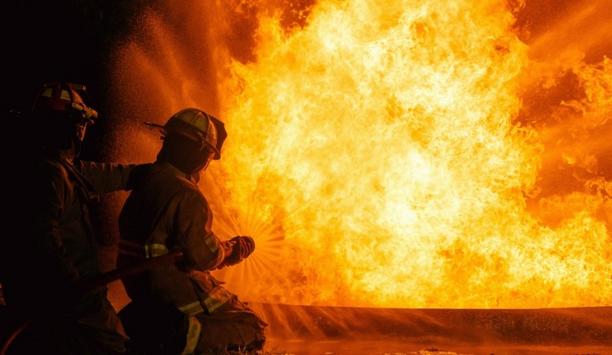
Even with prevention measures, fires related to flammable liquids can occur. NFPA 30 requires specific fire protection systems, such as sprinklers and foam-based solutions, tailored to the liquids stored. The code also specifies firefighting equipment and ratings based on storage and handling scenarios.
Fire Protection Strategies
Implementing fire suppression systems and conducting regular fire drills are essential. Clear emergency signage and protocols ensure employee readiness and safety during incidents.
NFPA 30 and Regulatory Compliance: Legal Implications
Regulatory bodies often require adherence to NFPA 30, with non-compliance leading to potential fines, legal action, or voided insurance. Periodic inspections are necessary to maintain compliance and avoid reputational and financial damages.
Consequences of Non-Compliance
Facilities face substantial fines and insurance complications in failing to adhere to the code, further underscoring the importance of compliance to protect business operations and reputation.
Emerging Trends and Updates in NFPA 30
The 2024 update of NFPA 30 includes considerations for sustainable practices and technological advancements. Guidelines now address environmentally friendly flammable alternatives, automated fire detection, and cybersecurity precautions to protect safety systems from digital threats.
These updates are designed to keep the code effective and relevant, ensuring that businesses continue to uphold the highest safety standards in an ever-evolving industrial environment.
Flammable liquids present significant risks to both people and property, making their proper handling, storage, and disposal crucial for safety. In 2024, NFPA 30, also known as the Flammable and Combustible Liquids Code, continues to serve as the standard for regulating these hazardous materials.
This code provides detailed guidelines that help prevent fires, explosions, and other accidents related to flammable liquids. By offering a structured framework for industries ranging from manufacturing to transportation, users play a part in preventing disasters.
Understanding NFPA 30
The NFPA 30 standard, first published by the National Fire Protection Association (NFPA), defines the criteria for safely storing, handling, and using flammable and combustible liquids. In 2024, NFPA 30 continues to evolve to address new risks, emerging technologies, and updated fire safety practices.
Flammable liquids are those with a flash point below 100°F (37.8°C), while combustible liquids have a flash point at or above 100°F. The standard applies to the entire lifecycle of these liquids—from storage and transportation to usage and disposal.
Key properties of NFPA 30
- Classification of Liquids: NFPA 30 categorizes flammable liquids based on their flashpoints and boiling points, which determines how they should be handled.
- Storage Requirements: The code specifies the types of containers, tanks, and warehouses for storing these liquids, ensuring that each setup minimizes the potential for hazardous incidents.
- Operational Guidelines: NFPA 30 provides rules for the safe handling, mixing, and disposal of flammable liquids, outlining necessary precautions to mitigate fire risks.
In 2024, NFPA 30 reflects modern challenges in fire safety and compliance with industrial, commercial, and residential requirements.
Storage and Handling of Flammable Liquids
One of the primary concerns addressed by NFPA 30 is the proper storage and handling of flammable and combustible liquids. Proper storage reduces the risk of fire and makes emergency response more manageable.
Storage Guidelines
- Containers and Storage Tanks: NFPA 30 requires the use of approved containers and tanks to store flammable liquids. Containers must be clearly labeled, with venting systems in place to prevent the buildup of hazardous vapors.
- Safety Distances: To prevent fire spread, NFPA 30 mandates specific safety distances between storage tanks and structures. The goal is to provide adequate space for firefighters and emergency responders to work effectively in the event of a fire.
- Secondary Containment: Secondary containment systems (such as dikes or berms) must be in place for bulk storage tanks to prevent spillage and leakage.
By following these storage and handling guidelines, businesses and facilities can significantly reduce the risk of hazardous incidents, ultimately protecting both personnel and property.
NFPA 30 and Workplace Safety
This NFPA code plays a critical role in workplace safety by setting out comprehensive regulations for operations that involve flammable and combustible liquids. These include everything from fueling vehicles to manufacturing processes that use chemicals.
Key Safety Measures in the Workplace
- Fire-Resistant Equipment: Employees must use fire-resistant equipment when handling flammable liquids, including proper grounding to prevent static electricity, which can ignite vapors.
- Ventilation: Adequate ventilation is essential to minimize the concentration of hazardous vapors in the air. NFPA 30 outlines specific ventilation requirements based on the types of liquids being used.
- Employee Training: Regular training sessions are required to ensure workers understand the risks associated with flammable liquids and how to manage them. This includes understanding the principles behind fire extinguishing methods and knowing how to respond in emergencies.
Adhering to these safety measures ensures a safer workplace and reduces the likelihood of fires, injuries, or fatalities associated with handling dangerous liquids.
Fire Protection and Emergency Response
Even with careful storage and handling practices, fires can still occur. In such cases, NFPA 30 mandates several fire protection and emergency response protocols to minimize damage and loss of life.
Fire Protection Systems
- Fire Suppression Systems: Facilities storing flammable liquids are required to install fire suppression systems, including sprinklers and foam-based systems. These systems must be tailored to the specific type of liquid being stored.
- Firefighting Equipment: The standard outlines the types of firefighting equipment, including fire extinguishers, hoses, and foam systems, that must be available in areas where flammable liquids are stored or handled.
- Fire Protection Ratings: Different types of storage and processing facilities are assigned fire protection ratings according to the size and type of flammable liquids they contain. This rating determines the appropriate firefighting measures to implement.
This also emphasizes the importance of emergency response plans and requires facilities to conduct regular fire drills. In addition, it mandates proper signage to indicate hazards and emergency exits. This helps ensure that employees are prepared in the event of a fire.
NFPA 30 and Regulatory Compliance: Legal Implications
Compliance with NFPA 30 is often required by local, state, and federal regulations. For example, OSHA and the EPA reference NFPA 30 in their regulations concerning hazardous materials.
Failure to comply with NFPA 30 can result in penalties, fines, or even legal action if violations lead to accidents. Facilities must also undergo periodic inspections to ensure ongoing compliance.
Consequences of Non-Compliance
- Fines and Penalties: Facilities that do not comply with NFPA 30 may face substantial fines from regulatory bodies.
- Insurance Implications: Non-compliance may void insurance policies, leaving companies liable for damages or losses in case of a fire.
- Reputation Damage: Businesses that fail to meet safety standards risk significant damage to their reputation, which could result in lost customers, decreased profits, or even shutdowns.
For industries that deal with hazardous liquids, understanding the legal ramifications of neglecting these regulations is crucial to avoiding costly consequences.
Emerging Trends and Updates in NFPA 30
As industries evolve, so do NFPA Codes. In 2024, the standard has been updated to account for emerging technologies and new risks associated with modern operations.
Key Updates in NFPA 30
- Increased Focus on Sustainability: As industries move towards more sustainable practices, NFPA 30 now includes guidelines for handling environmentally friendly alternatives to traditional flammable liquids.
- Technological Integration: With advancements in automation and robotics, there are new requirements for automated fire detection and suppression systems that reduce the response time in case of a fire.
- Cybersecurity Measures: As the industrial sector becomes more connected, this now includes guidelines on protecting fire safety systems from cyber threats, ensuring that emergency protocols remain functional in the event of a system breach.
These updates ensure that NFPA 30 remains relevant and effective in a rapidly changing industrial landscape, helping businesses maintain the highest safety standards.