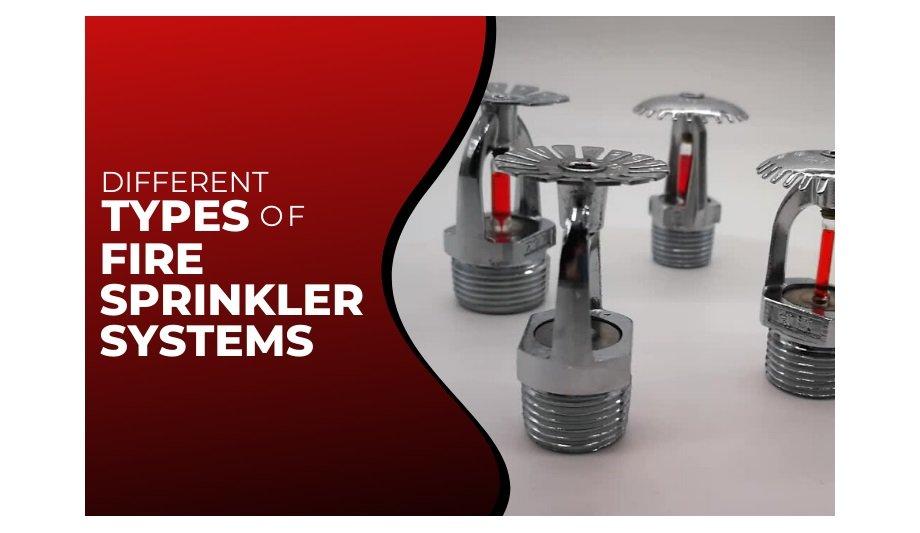

Fire protection is critical in commercial buildings in case of fire or smoke. Installing a fire sprinkler system is the best preventative measure to take for the safety of the family and buildings. Below, there are four main types of fire sprinkler systems and their descriptions listed.
Each and every building is unique, therefore the need for different types of sprinkler systems arises based on a building’s structure and inhabitants. As the name suggests, the wet pipe fire sprinkler system is the most common type of fire sprinkler system in use.
Deluge sprinkler system
This type of fire sprinkler system is filled with water, which allows a quick reaction to a fire. The water in the pipes attached to the sprinklers discharges quickly as a result of heat from a fire. High-rises or commercial buildings with more than one floor are where wet pipe sprinkler systems are most commonly installed. Due to the nature of the installation and components, the wet fire sprinkler system is typically low maintenance and the most cost-efficient for owners.
This type of system is best suited for the areas containing high-value types of equipment
A pre-action sprinkler system is related to a deluge sprinkler system, but the sprinklers in this system are closed. This type of system is best suited for the areas containing high-value types of equipment or contents and locations that are highly sensitive to the effects of sudden sprinkler water discharge. The pre-action pipe is frequently closed and is operated by a separate detection system.
Dry-Pipe fire sprinkler
Water will not flow from the fire sprinklers until heat stimulates the operating component in each individual sprinklers. Dry-pipe fire sprinkler systems are used in structures that can have drastic temperature changes, such as freezing. The system is filled with pressurized air in the pipes, which exits before water makes its way to the sprinkler heads.
The systems are constructed this way so that the pipes do not freeze during colder temperatures when buildings are not equipped with adequate heating. This type of fire sprinkler system has a fast opening device to get rid of the pressurized air inside and speed up the flow of water to the sprinklers. A deluge system is a sprinkler system operating open sprinklers that are attached to a piping system connected to a water supply through a valve opened by the operation of a detection system installed in the same areas as the sprinklers.
Fire sprinkler systems
Local and state jurisdiction codes are very demanding when it comes to fire sprinkler systems
When this pipe opens, water flows into the piping system and discharges from all sprinklers. Deluge systems are used where large quantities of water are required immediately to control a fast-developing fire. Deluge pipes can be electrically operated.
Each type of fire sprinkler system explained here is suited for various purposes, so it is essential to select the right system for each building, structure, or residential home.
Local and state jurisdiction codes are very demanding when it comes to fire sprinkler systems, so one should get a professional opinion from qualified fire protection specialists. At Mill Brook Fire Protection, they offer an assemblage of fire sprinkler systems to keep the residential home or building structures safe.