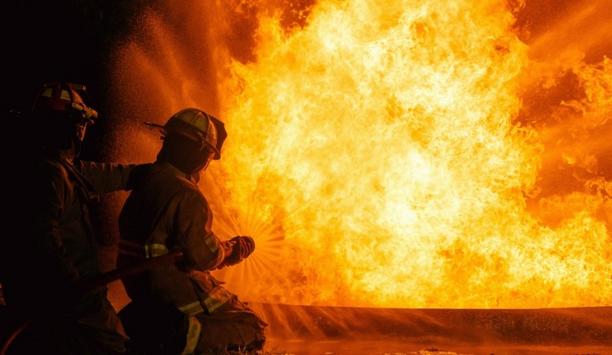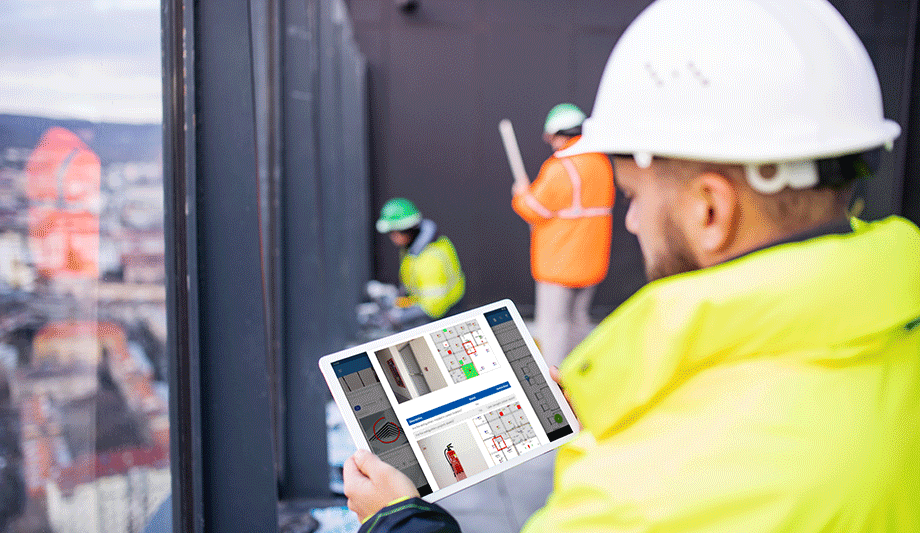

Globally, fire detection and alarm systems are so important that they have become necessary in every building. A fire alarm system is designed to detect the presence of fire and alert the occupants of a building so that they can evacuate.
The system is usually connected to a central alarm station that monitors the building and notifies the fire department in the event of a fire. When choosing a fire alarm system, it is essential to consider the type of building, the level of protection required, and the budget.
Different types of systems are better suited for different applications. For example, a restaurant may need a different system than an office building.
Why Fire Detection and Alarm System Important?
There are several reasons why fire detection and alarm systems are required in buildings
There are several reasons why fire detection and alarm systems are required in buildings. The most important reason is safety.
A fire alarm system can save lives by providing an early warning of a fire. It can give people the time they need to evacuate the building safely. Another reason for installing a fire alarm system is to protect property.
A fire can cause a lot of damage to a building and the contents of the building. A fire alarm system can help to minimize the damage by providing an early warning. There are also some legal requirements that mandate the installation of fire alarm systems. Building codes in many jurisdictions require that commercial buildings have a fire alarm system.
Smoke Detector Working Principle
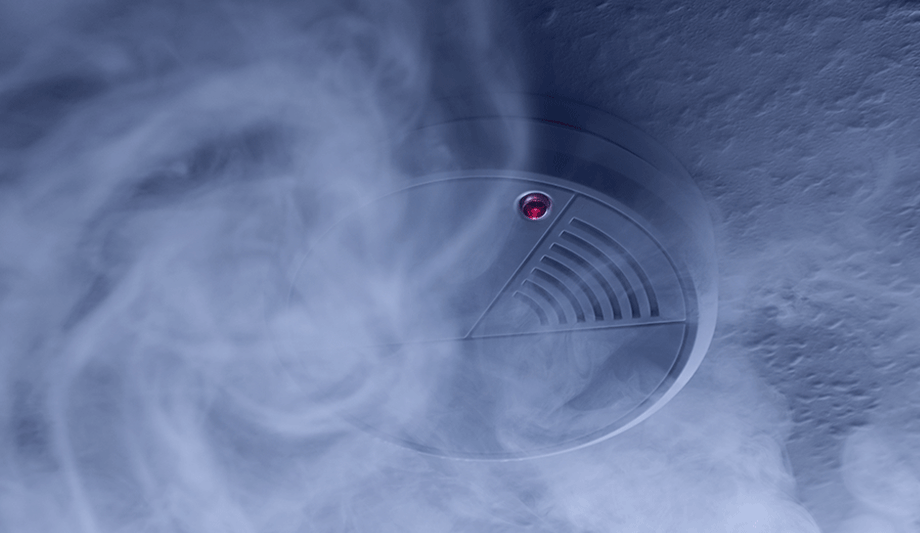
A smoke detector is a device that senses smoke and sends an alarm signal to the fire alarm system. A smoke detector consists of a sensor that is sensitive to smoke and an alarm that sounds when the sensor detects smoke.
Smoke detectors are an essential part of a fire alarm system. They are usually located in hallways and bedrooms.
Type of Fire Detection Systems
Several types of Fire Detection systems are available on the market, and every fire detector has its own specific workings.
A list of various kinds of fire detectors is stated below:
- Optical Smoke Detector
Optical smoke detectors work by sensing smoke particles in the air. The smoke particles reflect light onto a light sensor. The light sensor activates the alarm. Optical smoke detectors are less likely to cause false alarms than other detectors.
- Heat Detector
A heat detector is a device that senses heat and sends an alarm signal to the fire alarm system. Heat detectors are classified according to the temperature at which they activate. There are two main types of heat detectors: rate-of-rise and fixed-temperature.
- Rate-of-rise heat detectors activate when the temperature rises rapidly. They are used in applications where a fire is likely to develop quickly, such as in flammable liquid storage areas.
- Fixed-temperature heat detectors activate when the temperature reaches a specific threshold. They are designed to activate at a high enough temperature to cause damage but low enough so people can evacuate the building safely. Fixed-temperature heat detectors are usually located in areas where a fire is likely to develop slowly, such as in bedrooms.
- Stand-Alone Smoke Detector
A stand-alone smoke detector is a smoke detector that is not connected to a fire alarm system. Stand-alone smoke detectors usually have their own battery. They may also have their own sounder.
Stand-alone smoke detectors are not as adequate as smoke detectors connected to a fire alarm system. This is because they will only provide an early warning if someone is in the same room as the detector.
- UV Flame Detector
A UV flame detector is a device that uses ultraviolet (UV) light to detect flames. The detector consists of a UV sensor and an alarm. The sensor is sensitive to UV light. The alarm sounds when the sensor detects UV light from a flame.
UV flame detectors are used in applications where other types cannot be used. This is because they are not sensitive to light from the sun or other sources.
- Beam Detector
Beam detectors are used in combination with reflectors. The reflector is placed on the opposite side of the room from the detector. The detector sends out a beam of light. The beam is reflected by the reflector.
The detector senses when the beam is interrupted. The detector then sends an alarm signal to the fire alarm system. Beam detectors are commonly used in large rooms, such as auditoriums and warehouses.
- LPG Leak Detector
LPG leak detectors are used to detect liquefied petroleum gas leaks (LPG). They are used in household and commercial applications.
LPG leak detectors usually have an alarm that sounds when a leak is detected. This might be very useful for providing an earlier warning and can control the hazards.
Conclusion
There are many different fire detectors, each with its own specific working. Choose the appropriate fire detector according to the need and areas to be covered. Do not neglect fire detectors, as they might just save a life and property one day.