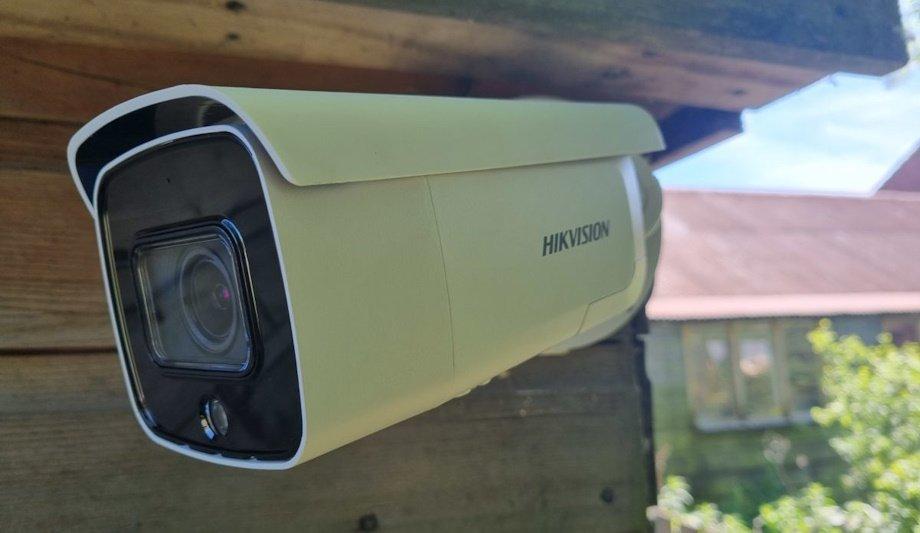

In an increasingly interconnected world, security is a paramount concern. Whether it is a homeowner safeguarding their property or a business owner protecting their assets, Closed-Circuit Television (CCTV) systems have become an integral part of the security infrastructure.
But the key question to ask, “Do I need CCTV maintenance?” The short answer is an emphatic “Yes!” In this comprehensive guide, Cobra Fire and Security delves into the world of CCTV maintenance, explaining why it’s crucial, what it entails, and how to ensure that the surveillance system operates at its best.
The Basics of CCTV Maintenance
Before going into the intricacies of CCTV maintenance, let’s start with the fundamentals.
What is CCTV Maintenance?
CCTV maintenance refers to the regular checks and upkeep required to ensure that the surveillance system functions optimally. It involves a series of tasks aimed at preventing system failures, enhancing image quality, and safeguarding the data collected by CCTV cameras.
Frequency of Maintenance Checks
The frequency of maintenance checks can vary based on factors like system complexity
The frequency of maintenance checks can vary based on factors like system complexity and environmental conditions.
However, a general rule of thumb is to perform routine maintenance at least twice a year. More frequent checks may be necessary for systems in harsh environments or high-traffic areas.
DIY vs. Professional Maintenance
While some basic maintenance tasks can be performed by the end-user and they can follow Cobra Fire and Security’s CCTV maintenance checklist or their Top Ten tips for CCTV Maintenance for some tips, such as cleaning camera lenses or checking cables, there are compelling reasons to opt for professional CCTV maintenance services.
Professionals possess the expertise and equipment to conduct comprehensive system checks, ensuring that no issues go unnoticed.
Benefits of Regular CCTV Maintenance
Now that it’s been established what CCTV maintenance is, let’s explore the numerous benefits it brings.
Ensuring System Functionality
Preventing Downtime
One of the primary advantages of regular maintenance is the prevention of system downtime
One of the primary advantages of regular maintenance is the prevention of system downtime. Imagine relying on the CCTV system to monitor the business, only to find it malfunctioning during a critical event.
Regular maintenance helps identify and address potential issues before they escalate; keeping the system operational when needed the most.
Minimizing False Alarms
False alarms can be a nuisance and a drain on resources. They can also lead to complacency if not addressed promptly. Maintenance checks can help ensure that motion sensors and alarms are calibrated correctly, reducing the occurrence of false alarms.
Enhancing Image Quality
Cleaning Lenses and Cameras
Over time, dust, dirt, and environmental factors can accumulate on camera lenses, leading to degradation in image quality. Regularly cleaning these components can significantly enhance the clarity and effectiveness of the CCTV system.
Adjusting Angles and Focus
Cameras can shift or lose focus due to various factors, such as vibrations or tampering. Maintenance checks should include verifying that camera angles are correctly aligned and that the focus is sharp, providing users with a clear view of critical areas.
Protecting Data and Evidence
Backup and Storage Checks
The data collected by the CCTV system is invaluable for security and investigative purposes. Regular maintenance should include checks on data storage and backup systems to ensure that recorded footage is secure and easily accessible when needed.
Ensuring Compliance with Legal Requirements
Regular maintenance helps ensure that the system adheres to these requirements
Depending on the location and industry, there may be legal requirements for CCTV system maintenance and data retention.
Failing to comply with these regulations can result in fines and legal complications. Regular maintenance helps ensure that the system adheres to these requirements.
Signs That CCTV System Needs Maintenance
Even with routine maintenance, issues can still arise. It’s essential to be vigilant and watch for signs that the CCTV system may require attention.
Poor Image Quality
If noticing a sudden decline in image quality, such as blurry or pixelated video, it’s a clear indicator that maintenance is needed. This could be due to dirty lenses, misalignment, or camera issues.
Flickering or Distorted Video
Flickering or distorted video can be caused by cable issues, electrical problems, or camera malfunctions. Regular maintenance should include checks of all connections and cables.
Faulty or Outdated Equipment
As technology evolves, CCTV equipment may become outdated or suffer wear and tear
As technology evolves, CCTV equipment may become outdated or suffer wear and tear. Regular maintenance should involve assessing the condition of all components, including cameras, cables, and storage devices. Replacing outdated or faulty equipment is crucial to maintaining system reliability.
Unexplained System Errors
If users encounter unexplained errors or glitches in their CCTV system, it’s a clear sign that maintenance is needed. Ignoring such issues can lead to more significant problems down the line.
Steps to Perform Regular CCTV Maintenance
Now that it is known why maintenance is essential and how to identify when it’s needed, let’s explore the steps involved in performing regular CCTV maintenance.
Cleaning and Dusting Cameras
Cleaning camera lenses and housings is a straightforward yet vital task. Dust and dirt can accumulate over time, affecting image quality. Use a soft, lint-free cloth and a gentle cleaning solution to wipe down cameras regularly.
Checking and Replacing Cables
Cables are susceptible to wear and damage, especially in outdoor installations. Regularly inspect cables for signs of wear, fraying, or damage. Replace any compromised cables promptly to maintain a reliable connection.
Software and Firmware Updates
Regularly update the software and firmware of the CCTV system. Manufacturers often release updates to improve system performance, security, and compatibility with the latest devices.
Testing and Calibrating Equipment
Perform tests to ensure that all cameras, sensors, and alarms are functioning correctly
Perform tests to ensure that all cameras, sensors, and alarms are functioning correctly. Calibrate motion sensors and adjust camera angles and focus as needed to maintain optimal performance.
Backup and Storage Management
Regularly check the status of data storage and backup systems. Ensure that recorded footage is being stored correctly and that backup systems are in place to prevent data loss.
Importance of Professional CCTV Maintenance
While there are several maintenance tasks that users can perform on their own, there are compelling reasons to enlist the help of professionals for CCTV maintenance needs.
Expertise and Experience
Professional technicians possess the knowledge and experience needed to identify and address potential issues that may go unnoticed by the average user. They can provide comprehensive maintenance, ensuring that the system is in top-notch condition.
Comprehensive System Checks
Professionals can conduct thorough system checks, including the assessment of complex components and connections that may be beyond the scope of DIY maintenance. This ensures that every aspect of the CCTV system is functioning correctly.
Proactive Issue Identification
Professionals can proactively identify potential issues before they escalate, saving time, money, and potential security risks. Their trained eye can spot problems that might overlook during routine maintenance.
Cost of Neglecting CCTV Maintenance
Neglecting CCTV maintenance can have significant consequences, both financially and in terms of security and safety.
Financial Implications of System Failure
System failures can lead to costly downtime, repairs, and potential data loss
System failures can lead to costly downtime, repairs, and potential data loss. Replacing an entire surveillance system due to neglect can be a substantial financial burden.
Legal and Regulatory Consequences
Failing to maintain the CCTV system in compliance with legal requirements can result in fines and legal complications. It’s essential to stay informed about the relevant regulations in an area and industry.
Compromised Security and Safety
The primary purpose of a CCTV system is to enhance security and safety. Neglecting maintenance can compromise these objectives, leaving the property or business vulnerable to threats.
Conclusion
In conclusion, the question “Do I need CCTV maintenance?” is unequivocally answered with a resounding “Yes.” Regular maintenance is essential to ensure the optimal functionality of the surveillance system, enhance image quality, and safeguard your data.
To learn more about how to optimize preventive maintenance for the CCTV system, check out Cobra Fire and Security’s comprehensive Optimized Preventive Maintenance Guide for valuable insights and tips.
For all CCTV maintenance needs, including professional services and expert guidance, visit the company’s main CCTV maintenance page. Prioritize the maintenance of the surveillance system, and enjoy peace of mind knowing that their security is in capable hands.