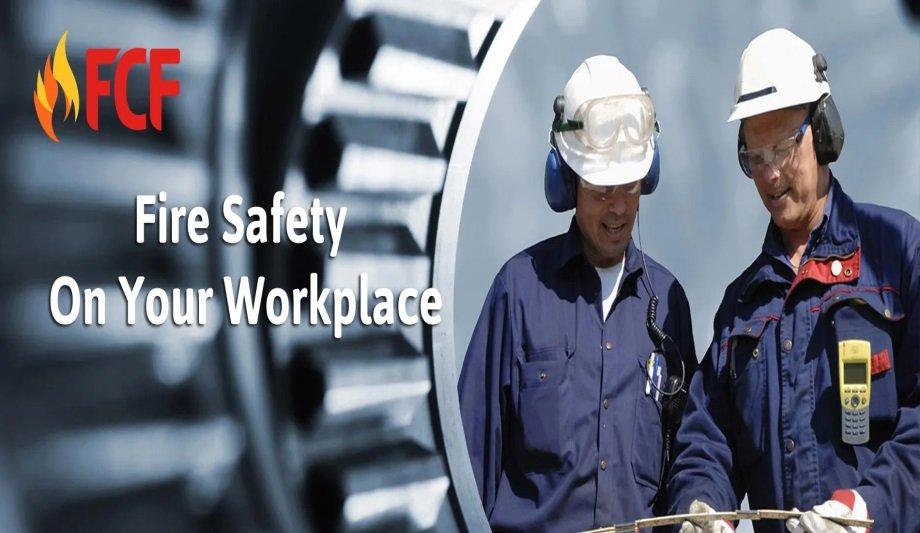

In Australian Workplace Fire Safety standards, who is responsible for fire safety? Management has a responsibility to manage all health and safety risks (ss17 and 19 of the WHS Act), including fire.
Employees have a responsibility to comply and cooperate with management's policies and procedures (s28 of the WHS Act), including the management of risks relating to fire.
building fire safety regulations
In addition to Acts and policies, there are other relevant Australian fire safety standards, which include building fire safety regulations.
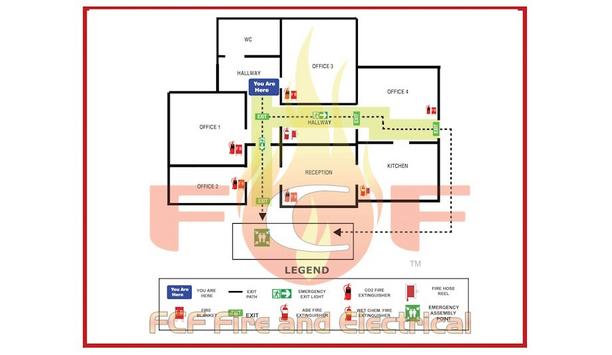
The main objective of Workplace Fire Safety is to ensure persons can evacuate buildings safely and quickly, if a fire or hazardous materials emergency happens and to ensure prescribed fire safety installations for buildings are maintained.
Steps to Prevent Fire in the Workplace
- Implement a program that includes preparation, prevention, and recognition of fire hazards.
- Practice proper handling of combustible and flammable material.
- Keep up safe housekeeping rehearses that lessen the danger of flame threats.
- Continuously keep sufficient fire suppression equipment in the work area to extinguish the fire before it goes out of control.
General Safety Measures
Fire precautions necessary in establishing and maintaining A Workplace Fire Safety plan in the workplace:
- Never pile or lay material in a way that covers or blocks access to firefighting equipment.
- Make sure to use only approved containers for the separation and disposal of combustible refuse. Remember to always replace the lid.
- Never store flammable materials within 10 feet of a building or other structure.
- Stack and pile all materials in orderly and stable piles.
- Never let unnecessary combustible materials accumulate in any part of the work area.
- Make a periodic clean-up of the entire work site and keep grass and weeds under control.
- Regularly dispose of combustible debris and scrap from the work area.
- Use only approved containers and tanks for storage, handling, and transport of combustible and flammable liquid.
- Always perform evaluation procedures before performing operations that present fire hazards like welding.
fire prevention
Prevention is always better than cure and it's best to evade calamity in any case or at least minimize the damage.
The simple truth is that fire crises and calamities can strike anybody, whenever, and any place. So, if a fire breaks out in the workplace - A-C-T, Don't Panic:
- A: ASSESS THE SITUATION
- C: CHOOSE the RESPONSE
- T: TAKE ACTION