
A fire alarm service is like a thorough check-up for the entire fire alarm system. However, weekly testing is more like a quick check to ensure the fire alarm works properly and catches any issues.
Moreover, this weekly testing guideline is based on something called British Standard BS 5839, which is what the UK government suggests they follow when it comes to taking care of their fire alarms.
The 5 steps to carry out the Fire Alarm weekly test
Schedule the Test:
- Choose a suitable time when building occupants will not be inconvenienced or alarmed. Consider early mornings or lunch breaks.
- Notify relevant personnel (security, building management, etc.) about the test schedule to prevent false alarms.
- Notify the Customers, Staff and any other Tenants or the Landlord if the system is interconnected.
- Make sure that the Alarm Receiving Centre is made aware of an imminent Fire Alarm Test.
Locate the Control Panel:
- Locate the fire alarm control panel, usually near the main entrance or in a designated fire alarm room.
- Make sure the fire alarm control panel is fault free or make sure any known faults are recorded in the log book.
Test the Fire Alarm System:
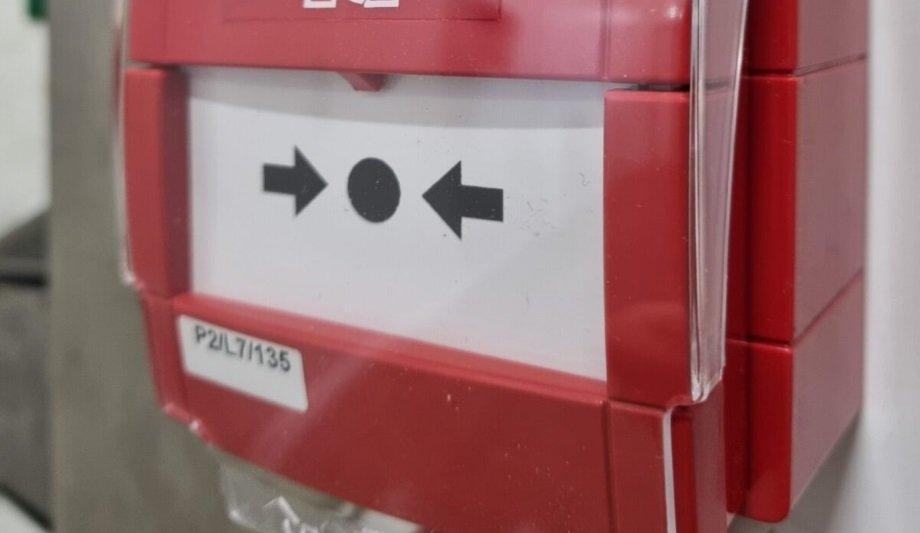
- Assess the system’s functionality by activating a Manual Call Point using the Test Key provided.
- Ensure that all alarm sounders are working, and that the activation is displayed on the Control Panel.
- If the Signalling Test Switch is not isolating the system, also test the auxiliary devices, like auto-closing doors, shutters, and the heating and ventilation system.
End the Fire Alarm Test:
- If the tests are satisfactory, then silence the alarms and reset the system.
Report and Record:
- In the log book, document the test (activate a different Call Point each week for rotation).
- If any system faults are detected during the test, report them immediately to the management team and maintenance company and record both the test and the fault in the log book.
Why is Conduction a weekly test a good idea?
The advantages of conducting a weekly fire alarm test are twofold: it ensures the safety and reliability of the fire alarm system, and conducting a weekly fire alarm test plays a crucial role in achieving this goal.
Furthermore, this simple yet vital practice offers a range of benefits, from reducing false alarms to early fault detection and enhancing the overall safety and efficiency of their fire protection measures.
They can:
Early Issue Detection
Conducting weekly fire alarm tests allows users to catch and address system faults early, preventing potential major breakdowns.
Reduced False Alarms
Regular testing minimizes the chances of false alarms triggered by simple obstructions or minor system issues, saving time and resources.
Occupant Safety and Awareness
Frequent tests help occupants become familiar with the fire alarm sound and the appropriate response, ensuring a safer environment.
Sound and Visual System Check
Weekly tests can reveal any deficiencies in sound and visual components that might go unnoticed during less frequent maintenance checks.
Enhanced System Understanding
Regular testing boosts the confidence and knowledge about the system, empowering users to handle minor issues without the need for costly emergency service calls.
Fire alarm testing
Under the guidelines of BS5839-1, Section 44.2 (2017 edition), specific recommendations for weekly fire alarm testing by the user are outlined. The Responsible Person or a designated individual is assumed to conduct this weekly testing. Here’s a summary of the key requirements:
Weekly Testing Procedure:
- Operate a manual call point during normal working hours each week.
- Verify that the fire alarm panel activates with a fire signal and the sounders are triggered.
- If the system is linked to an Alarm Receiving Centre (ARC) for Fire Alarm monitoring, the monitoring system should be set to test mode before activating the call point, taken off test mode upon completion, and confirm that the ARC received the fire signal during the test.
Consistent Test Timing:
- Ideally, conduct the weekly test at approximately the same time each week (e.g., Tuesdays at 10:00 to 10:30 am).
- Inform building occupants of the regular test schedule and encourage them to report any issues related to audibility.
- In systems with staged alarms (Alert and Evacuate signals), operate both signals sequentially, reflecting their order during a fire incident.
Additional Testing for Off-Hours Occupants:
- In premises where some employees work outside the normal weekly test period, perform additional tests at least once a month to ensure familiarity with the fire alarm.
- For instance, if there are night shift employees, conduct a test during their working hours.
Rotation of Manual Call Points:
- Use a different manual call point each week to test all call points in the building over an extended period.
- Record the results of the weekly test and identify the manual call point used in the system logbook. For example: “Call Point Asset 12, Location: Warehouse, Tested on 20/06/2023.”
Sounder/Alarm Activation Duration:
- Ensure sounders/alarms are activated for a minimum of 5 seconds, but typically not exceeding 60 seconds.
- This duration helps occupants distinguish between a test and an actual fire alarm, promoting appropriate responses and evacuations in case of a real fire.
Need Assistance with Weekly Testing?
If users are unsure about how to carry out the weekly fire alarm tests, users have options.
Professional Training:
They offer on-site training to guide users through the process of completing their weekly fire alarm tests.
Outsourced Testing:
If users prefer, they can provide a convenient weekly testing service. Their expert engineers will handle the testing on their behalf.