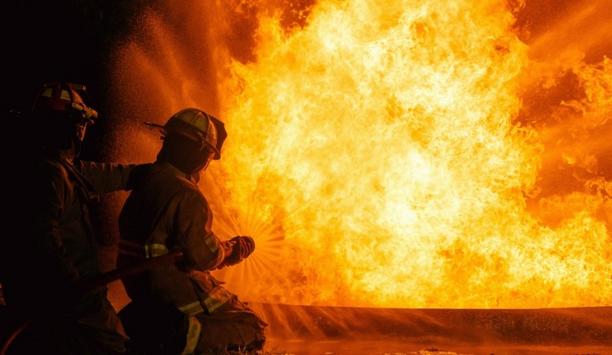
Firefighting is one heck of a selfless job because firefighters save more than lives. They save the hearts and dreams embedded in the memories of a home.
For Firefighters, to do their job best they have to keep the keen knowledge of the mechanics and thermodynamics of this beautiful flame as it can easily take the form of the destruction.
Development Stage
To get a fire under control, firefighters conduct a short assessment test which dictates all the risk factors involved. For conducting this assessment, it is important to know the different stages of the fire. Identifying the stage of fire helps them to build tactics to cope and manage the fire. Awareness of development stages of the helps teams to understand and
- Find most dynamic extinguishing method
- Minimize risk to firefighting personnel
- Predict the progression of the fire
Ignition Phase
These four stages of development are- Incipient, Growth, Fully Developed, and Decoy.
Incipient
Incipient Fire is also called ignition fire which translates to something that ignites initiating the whole chaos. The basics understanding of fire behavior dictates that ignition requires heat, oxygen, and fuel. Once the ignition begins, the incipient fire’s development is dependent on the type of fuel involved.
An ignition fire is a flame in its beginning stage. In this stage, fire can be easily be managed by any handy available equipment like portable fire extinguisher cylinders or with buckets of water.
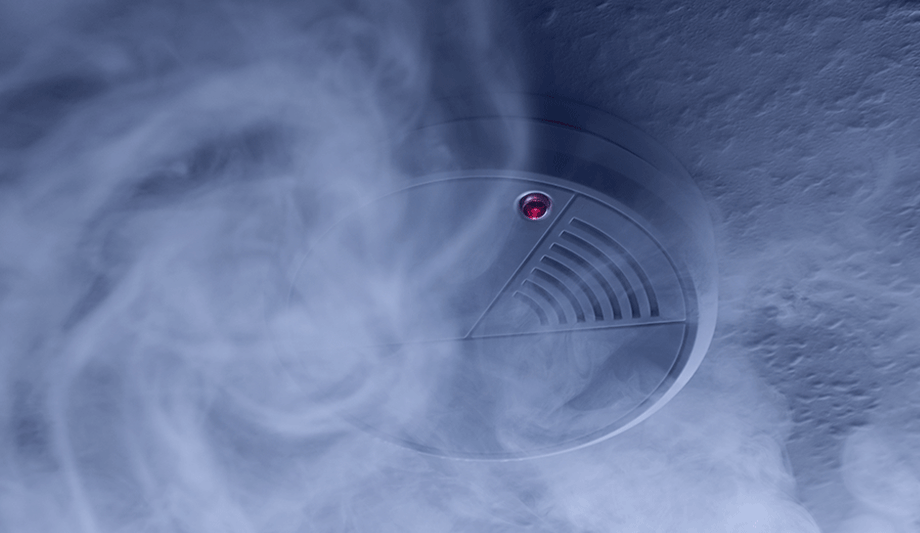
The fire wherein the visibility is diminished because of smoke present requires structured firefighting techniques to cope up with. Hence that will no longer will be called Igniting or Incipient fire.
Growth
Growth is the stage where the more fire load starts getting involved. The oxygen from the air and available flammable or nonflammable things start adding up in the fire load to reach the fully developed stage.
The growth stage is affected by many different and common factors like the ceiling height, materials available close by, thermal layering, etc. The indicators of the growth phase include the increase in room temperature, brown stains, and cracks in windows, a layer of smoke above the flame.
Flashover
Flashover is not one of the noted or sequential stages but it an event that can be defined as the shortest event in the process of Fire development. Flashover potentially traps, injures and kills firefighters. Flashover can occur spontaneously anytime during the growth stage and before the fully developed stage.
When the fire reaches the ceiling, causing the whole room to heat up, the ceiling bounces back the fire igniting the flame in everything present in the room to ignite instantly. The textbook definition of flashover is “the near-simultaneous ignition of most of the directly exposed combustible material in an enclosed area.”
Decay
Decay is the stage when a fire starts to diminishes as it can no more expand because of the absence of fuel and oxygen. Decoy is the longest stage of fire. Firefighters with the help of their equipment force fire to enter into the decay stage by limiting the oxygen supply.
The potential danger of this stage includes is the risk and chances of starting a new fire if any potential combustibles are available. Hence this is critical to limit the fire’s access to any new combustible material to reduce the chances of ignition.