Ensuring the installation of smoke and carbon monoxide alarms is crucial for family safety, as outlined by the Los Angeles County Residential Code (Sections R314 and R315).
These regulations specify where these safety devices should be placed, how they must be maintained, and what steps homeowners need to take to stay compliant within the county.
Guidelines for Smoke Alarm Placement
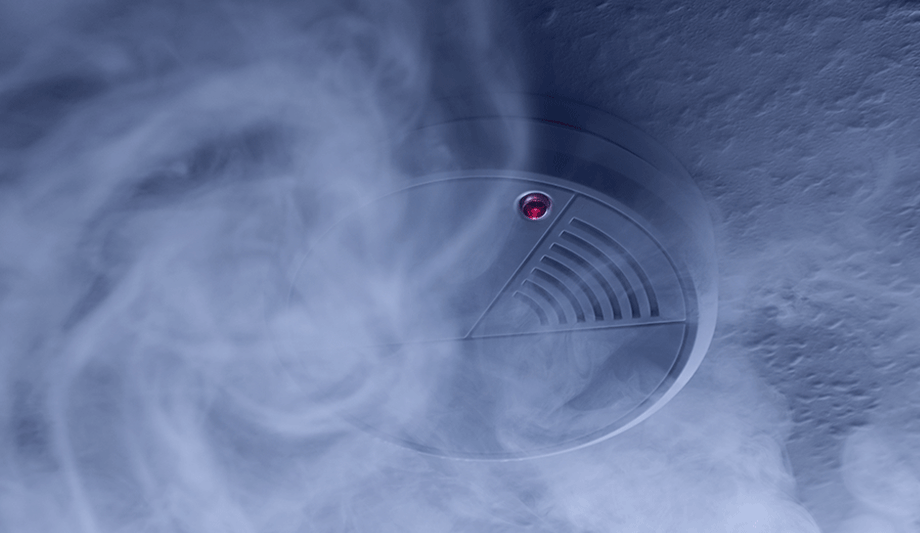
The Residential Code Section R314 provides precise instructions for smoke alarm installation. Each bedroom should have its own smoke detector, and an additional alarm should be placed in hallways near bedrooms to alert sleeping occupants to smoke before it reaches them.
Every level of the home, including basements and habitable attics, must have a smoke alarm. In split-level homes, a single alarm can suffice for adjacent levels if there's no intervening door and the headroom difference is under a full story.
To prevent false alarms, it's advised to install smoke detectors at least three feet from bathrooms, fans, and vents.
Carbon Monoxide Alarm Installation Requirements
Every floor, including basements and habitable attics, should have a CO alarm
Correct placement of carbon monoxide (CO) alarms is critical due to the colorless, odorless nature of this deadly gas. Per Section R315, CO alarms must be outside sleeping areas, ensuring anyone asleep is alerted in case of a leak.
Every floor, including basements and habitable attics, should have a CO alarm. If fuel-burning appliances are present, CO alarms should be nearby.
This also applies to bedrooms with fuel-burning devices or attached bathrooms containing such appliances. Similar to smoke alarms, CO detectors need to be positioned at least three feet away from fans and vents to ensure accurate detection.
Installation Practices for Optimal Safety
For effective installation, it is important that alarms are set at a suitable distance from fans and vents—at least three feet—to avoid airflow interference. Given that smoke rises, mounting alarms on ceilings is recommended, but if installed on walls, they should be high enough to detect smoke efficiently.
Alarms wired into the home should have battery backups to function during power outages. For battery-only models, select versions with long-life batteries to minimize disturbances such as late-night chirping.
Interconnected Alarm Systems
Modern alarms have the capability to communicate with one another, activating all alarms in the event of one being triggered. This feature is especially beneficial in large homes, where an alarm might not be heard throughout the house.
Use alarms designed for interconnectivity, whether through wired connections or wireless systems, and always test them post-installation to confirm they work in unison.
Essential Maintenance of Alarms
Beyond installation, maintaining these alarms is vital for continued safety
Beyond installation, maintaining these alarms is vital for continued safety. Testing each alarm monthly by pressing the test button will identify faults or indicate battery issues.
Batteries, even those with extended life spans, need annual replacement, so setting a date on the calendar ensures they aren't forgotten. Dust accumulation can impede function; using a vacuum or compressed air can keep sensors clear.
Alarms have a finite lifespan and should be replaced every ten years for smoke detectors and every five to seven years for CO alarms as per manufacturer guidelines.
Los Angeles County Code Compliance
The county code is set in place to make sure that safety protocols in residences are up to the mark. Proper installation, as verified during building inspections, is necessary for obtaining safety permits.
Non-compliance can lead to delays in real estate transactions and possibly incur fines. It's beneficial for homeowners to be knowledgeable about these regulations and to comply accordingly.
Common Missteps to Avoid
Homeowners should ensure alarms are on every level; assuming a single alarm will cover the entire home is a common mistake. Ignoring maintenance can render alarms ineffective, giving a false sense of security. Proper placement is essential, as alarms placed too close to vents or too far from bedrooms may not function optimally.
In conclusion, smoke and carbon monoxide alarms play a vital role in safeguarding lives. Correct installation, interconnected systems, and proper maintenance not only meet compliance codes but also contribute to creating a safe living environment ready to manage emergencies. Homeowners should ensure they understand the necessary guidelines, check codes, and install alarms appropriately for optimum safety.
Installing smoke and carbon monoxide alarms is of utmost importance when it comes to keeping the family safe.
The Los Angeles County Residential Code (Sections R314 and R315) lays out specific requirements for these devices, ensuring the home is well-protected. This guide will walk users through everything they need to know, from where to place the alarms to how to maintain them, so they can stay compliant and safe.
Placing Smoke Alarms
The Residential Code (R314) provides clear guidelines for smoke alarm placement. These devices should be installed in:
- Each Sleeping Room: Every bedroom must have its own smoke alarm to ensure that it can alert users in time to escape.
- Hallways Near Bedrooms: Place a smoke alarm outside of each sleeping area, in the immediate vicinity of the bedrooms, to detect smoke before it reaches anyone asleep.
- Every Floor of the Home: Install a smoke alarm on every story of the house, including basements and habitable attics. In split-level homes, a single alarm may cover adjacent levels, provided there’s no intervening door and the levels are less than one full story apart.
- Away from Bathrooms: To avoid false alarms caused by steam, keep smoke alarms at least 3 feet away -from bathroom doors.
- Avoid Fans and Vents: Install alarms at least 3 feet from fans and vents to ensure proper functioning.
Carbon Monoxide Alarm Placement
The right placement is crucial as carbon monoxide is invisible, odorless, and deadly. Install CO alarms (R315) in the following locations:
- Outside Sleeping Areas: Place a CO alarm in the immediate vicinity of bedrooms, ensuring everyone is alerted in case of a CO leak.
- Every Floor: A CO alarm is required on each occupiable level of the home, including basements and habitable attics.
- Near Fuel-Burning Appliances: If there are gas stoves, furnaces, or water heaters, install a CO alarm nearby. Additionally, for bedrooms with a fuel-burning appliance or an attached bathroom containing one, the alarm must be installed inside the bedroom.
- Maintain Distance from Fans and Vents: Just like smoke alarms, place CO alarms at least 3 feet away from fans and vents for accurate detection.
Installation Tips: Getting It Right
Installing these alarms isn’t rocket science, but a few details matter:
- Distance from Fans and Vents: Keep alarms at least three feet away to avoid interference from airflow.
- Height Matters: Smoke rises, so place alarms on ceilings whenever possible. If they must go on walls, make sure they’re high enough to detect smoke effectively.
- Power Sources: Hardwired alarms should have battery backups in case of power outages. If users are going for battery-only models, use ones with long-life batteries. No one wants to hear a chirping alarm at 2 a.m.
Inter connectivity: Linking the Alarms
Modern alarms can communicate with each other, so if one goes off, the rest follow. This feature is especially useful in larger homes where a fire or CO leak might go unnoticed in distant rooms. Here’s how to make it work:
- Use alarms designed to interconnect, either through wiring or wireless systems.
- Test the connection after installation to ensure all alarms respond when one is triggered.
Maintenance of Alarms
Installation is only half the battle as alarms need regular upkeep to ensure proper functioning:
- Testing: Press the test button on each alarm monthly. If it doesn’t beep, it’s time for a replacement or a battery check.
- Battery Changes: Even long-life batteries need changing eventually. Mark the calendar to replace them yearly.
- Cleaning: Dust can block sensors. Use a vacuum or a can of compressed air to keep them clear.
- Replacement: Alarms don’t last forever. Replace smoke alarms every 10 years and CO alarms every 5–7 years, depending on the manufacturer’s guidelines.
Compliance with the Los Angeles County Code
The code exists for a reason: to ensure the safety measures undertaken are worthwhile and are failproof. Building and safety permits require proper alarm installation.
If users selling their home, inspectors will check for compliance. Non-compliance can lead to delays or even fines. Stay ahead by knowing the requirements and following them.
Common Mistakes to Avoid
- Skipping Levels: Every floor means every floor. Don’t assume a single alarm can cover an entire home.
- Ignoring Maintenance: Alarms that don’t work are worse than no alarms at all; they give a false sense of security.
- Improper Placement: Too close to vents or too far from bedrooms can render alarms ineffective.
The Bottom Line
Smoke and carbon monoxide alarms are small devices with a big job: protecting life. By placing alarms in the right spots, linking them together, and keeping them maintained, users are doing more than following the rules.
They are creating a home that’s ready to face emergencies head-on. So grab the tools, check the code, and get those alarms up where they belong.