Fire safety is a critical component of building management and design, with strict adherence to regulations essential for ensuring occupant safety.
The 2025 Life Safety Code, outlined by the National Fire Protection Association (NFPA) as NFPA 101, sets forth comprehensive guidelines and strategies for protecting individuals during a fire.
This article examines key strategies included in the code, emphasizing fire prevention, building design, evacuation protocols, and updated compliance standards aimed at reducing injuries and fatalities due to fire emergencies.
Understanding the Life Safety Code: NFPA 101
The Life Safety Code, NFPA 101, serves as the foundational framework for fire safety regulations in the United States. It provides detailed guidance on the design, construction, and maintenance of buildings to minimize the risk of fire-related incidents.
The 2025 code revisions incorporate emerging fire safety technologies and adapt to evolving risks and regulations. Facilities are required to implement specific measures such as fire detection systems, suppression equipment, and clearly defined evacuation routes to meet these updated standards.
Exit Access and Evacuation
Effective evacuation is critical in emergency situations, and the code mandates that buildings include safe and accessible exit routes. Key requirements include:
- Ensuring sufficient exit access for all occupants
- Employment of fire alarms, sprinklers, and life safety systems
- Utilization of materials that enhance structural integrity against fire
Fire Prevention: The First Line of Defense
Preventing the outbreak of fires is a primary focus of the Life Safety Code 2025. Effective prevention strategies create safer environments by reducing the likelihood of a fire event. Facilities should emphasize regular inspections and maintenance of crucial systems.
Regular Inspections and Maintenance
Consistent checks on fire safety systems are vital. Facilities need to routinely inspect:
- Fire alarms according to NFPA 72 standards
- Fire extinguishers for charge and accessibility
- Sprinklers to ensure they are unobstructed and functional
- Electrical components to identify potential hazards
These measures help prevent significant fire risks, enhancing occupant safety in accordance with code requirements.
Staff Training and Awareness
NFPA 101 requires all personnel to understand their roles and the locations of safety equipment
Training employees on fire safety is critical. Facilities should regularly instruct staff on emergency procedures, evacuation routes, and fire extinguisher use. NFPA 101 requires all personnel to understand their roles and the locations of safety equipment and exits during a fire.
Building Design and Fire Protection Systems
Proper building design and advanced fire protection systems are key strategies outlined in the Life Safety Code 2025. By minimizing the spread of fire and smoke, these systems provide occupants with a safe means of evacuation.
Fire-Resistant Construction
The Life Safety Code requires the use of fire-resistant materials to prevent rapid fire progression. Essential materials include:
- Non-combustible concrete and masonry
- Fire-rated gypsum board for walls and ceilings
- Steel framing with fire-resistant coatings
Fire Suppression and Detection Systems
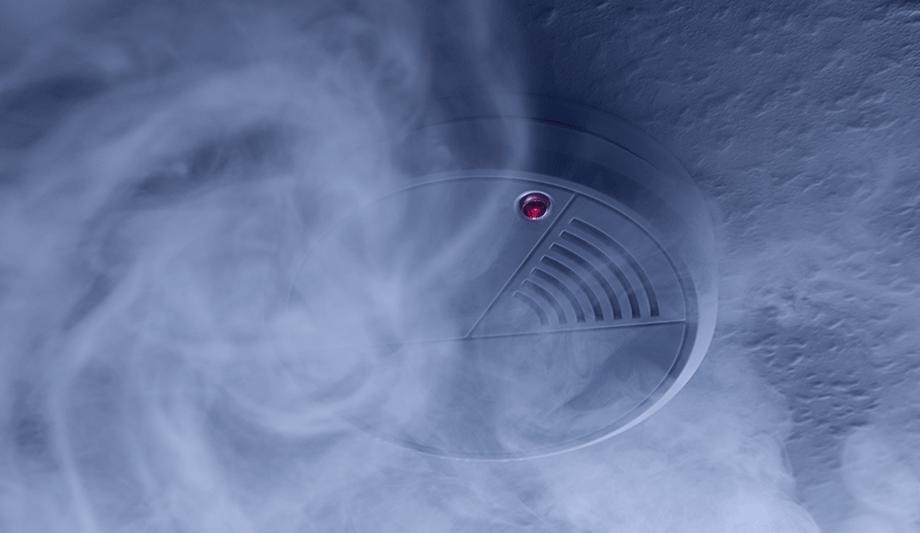
A key requirement is the installation of automatic fire suppression systems, like sprinklers, that can contain fires immediately, thus limiting damage and potential casualties. The code also mandates smoke detectors and heat sensors to provide early warnings to occupants, especially in high-risk environments such as healthcare and residential facilities.
Evacuation Plans and Emergency Exit Routes
Comprehensive evacuation plans are fundamental to the Life Safety Code 2025, ensuring that occupants can exit safely during a fire.
Clear and Accessible Exit Routes
Adherence to the code involves maintaining clear exit routes that are:
- Wide enough for all occupants, as determined by building size and capacity
- Marked with visible and illuminated exit signs
- Free from obstructions like furniture and equipment
Emergency Lighting
In the event of power failures during fires, emergency lighting is crucial for guiding occupants to safety. Systems must be installed along all exit paths and areas of assembly.
Fire Drills
Regular fire drills are necessary to familiarize building occupants with procedures. Simulated conditions should evaluate evacuation routes and staff preparedness.
Ensuring Compliance and Regular Updates
Staying updated with the latest code revisions and regulatory requirements is essential in maintaining fire safety according to the Life Safety Code 2025.
Regular Code Compliance Audits
Facilities should frequently conduct audits to verify compliance with current standards. These assessments can be internal or performed by third-party experts, ensuring safety and avoiding penalties or increased insurance costs.
Staying Informed on Code Updates
The Life Safety Code evolves to address new safety challenges, risks, and technologies. Facility management must stay informed about these changes to maintain compliance and enhance safety measures.
Fire safety remains one of the most crucial aspects of building management and design. To keep people safe from fires according to the Life Safety Code in 2025, facility owners, managers, and building designers must adhere to strict regulations and guidelines that protect occupants in the event of a fire.
The National Fire Protection Association (NFPA) Life Safety Code NFPA 101, outlines the fundamental principles necessary for safeguarding people from fire hazards, ensuring that buildings are prepared to handle fire emergencies efficiently and effectively.
This article will explore the key fire safety strategies required to keep people safe from fires according to the Life Safety Code in 2025, including fire prevention systems, building design, evacuation protocols, and compliance with updated standards.
Understanding the Life Safety Code: NFPA 101
The Life Safety Code (NFPA 101) is the cornerstone of fire safety regulations in the United States. This code provides comprehensive guidelines for building design, construction, and maintenance with the goal of minimizing the risk of fire-related injuries and fatalities. In 2025, several updates and revisions to the code reflect emerging fire safety technologies, evolving risks, and more stringent regulations.
Facilities are required to adhere to NFPA 101 to ensure their buildings are designed and maintained in a way that keeps people safe from fires according to the Life Safety Code in 2025. This includes specifying fire detection systems, fire suppression equipment, and safe evacuation routes. The code covers various aspects of building safety, including:
- Exit access and evacuation: Ensuring that occupants can safely evacuate the building.
- Fire protection features: Installation of fire alarms, sprinklers, and other life safety systems.
- Construction standards: Guidelines for fire-resistant materials and structural integrity.
Compliance with these guidelines ensures that building owners are meeting the current safety standards required by law.
Fire Prevention: The First Line of Defense
To keep people safe from fires according to the Life Safety Code in 2025, the first step is preventing fires before they occur. Effective fire prevention measures reduce the likelihood of a fire starting, providing a safer environment for building occupants.
Regular Inspections and Maintenance
One of the most important fire prevention strategies is maintaining and inspecting fire safety systems regularly. Facilities should conduct routine checks on:
- Fire alarm systems: Ensure alarms are functional, properly installed, and tested according to NFPA 72 standards.
- Fire extinguishers: Regular checks should confirm that extinguishers are accessible, fully charged, and correctly located.
- Sprinkler systems: Ensure that sprinklers are operational and free from obstructions.
- Electrical systems: Inspect wiring, outlets, and equipment for potential fire hazards.
By adhering to these guidelines, facilities can prevent the majority of fire risks and ensure the safety of occupants in line with Life Safety Code requirements.
Staff Training and Awareness
Employee training plays a crucial role in fire prevention. Facilities should provide regular training on fire safety procedures, emergency evacuation routes, and the use of fire extinguishers. According to the NFPA 101, all staff members must be familiar with their roles in the event of a fire, as well as the location of fire safety equipment and exits.
Building Design and Fire Protection Systems
Building design and fire protection systems are critical elements to keep people safe from fires according to the Life Safety Code in 2025. These features reduce the spread of fire and smoke, and enable occupants to evacuate safely.
Fire-Resistant Construction
The Life Safety Code mandates that buildings be constructed with fire-resistant materials that help contain fires and prevent them from spreading quickly. Fire-rated walls, floors, and ceilings are essential for slowing the movement of flames and smoke. Common materials used for fire-resistant construction include:
- Concrete and masonry: These materials are non-combustible and provide a high level of fire resistance.
- Fire-rated gypsum board: Used for walls and ceilings to limit fire spread.
- Steel framing: While steel itself doesn’t catch fire, it can become weak under extreme heat, so it is typically combined with fire-resistant coatings.
Fire Suppression and Detection Systems
An essential requirement of the Life Safety Code is the installation of automatic fire suppression systems, such as sprinklers. These systems can quickly contain or extinguish a fire, preventing extensive damage and loss of life.
The Life Safety Code also requires facilities to have fire detection systems in place, such as smoke detectors and heat sensors, to alert building occupants of a fire early. In high-risk buildings, such as healthcare facilities or residential buildings, more advanced detection systems may be required.
Evacuation Plans and Emergency Exit Routes
A well-designed evacuation plan is one of the most important aspects of keeping people safe from fires according to the Life Safety Code in 2025. The Life Safety Code sets out detailed requirements for emergency exit routes to ensure that building occupants can evacuate quickly and safely in the event of a fire.
Clear and Accessible Exit Routes
To comply with the Life Safety Code, facilities must have clear, accessible exit routes that lead to safety. These exit routes must meet the following criteria:
- Wide enough to accommodate all building occupants: The Life Safety Code specifies the number of exits required based on building size and occupancy load.
- Marked with visible signs: Exit signs must be illuminated and clearly visible at all times.
- Free of obstructions: Exit paths must be clear of furniture, equipment, and other obstacles.
Emergency Lighting
During a fire emergency, power may be lost, leaving the building in darkness. Emergency lighting is essential to ensure occupants can safely navigate exit routes. The Life Safety Code requires that emergency lighting systems be installed in all exit paths and assembly areas.
Fire Drills
Facilities must regularly conduct fire drills to ensure that all occupants are familiar with evacuation procedures. Drills should simulate real-life conditions, testing the effectiveness of evacuation routes, alarms, and staff readiness.
Ensuring Compliance and Regular Updates
To keep people safe from fires according to the Life Safety Code in 2025, it’s crucial for facilities to stay up to date with the latest code revisions and regulatory requirements. The NFPA regularly updates the Life Safety Code to reflect new technologies, emerging risks, and best practices in fire safety.
Regular Code Compliance Audits
Facilities should conduct regular audits to ensure they are in compliance with the latest Life Safety Code standards. These audits can be performed internally or by third-party fire safety experts. Non-compliance can result in penalties, increased insurance premiums, and most importantly, jeopardizing occupant safety.
Staying Informed on Code Updates
The Life Safety Code is updated periodically to address new challenges and risks, such as changes in building occupancy types, fire dynamics, and safety technologies. Facilities must remain informed about these updates to ensure continued compliance.