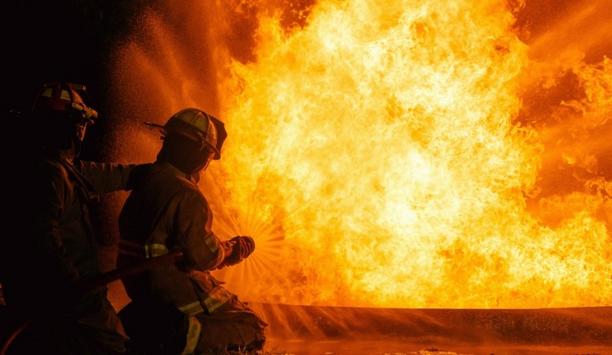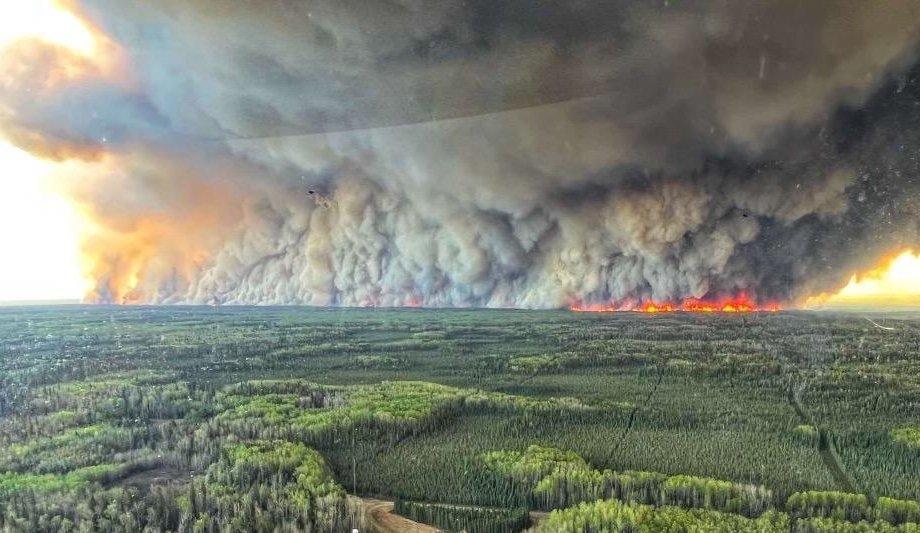

A handful of Fire and Rescue NSW (FRNSW) firefighters have arrived home in Sydney as part of an Australasian relief team returning from Canada, where they’ve helped battle that nation’s wildfire emergency. Four of the nine FRNSW firefighters, dispatched to the province of Alberta, returned with five more colleagues about to leave Canada.
The FRNSW personnel were appointed to a variety of leadership roles, such as Logistics Managers, Safety and Information Officers, Task Force Commanders, and Strike Team leaders, tackling many out-of-control blazes across hundreds of thousands of hectares.
NSW Rural Fire Service
The Australians joined firefighters from all over the world to support the emergency response
Along with dozens of colleagues from the NSW Rural Fire Service, the National Parks and Wildlife Service and Forestry NSW, the Australians joined firefighters from all over the world to support the emergency response.
FRNSW Bushfire and Aviation Commander, Superintendent Scott Donohoe, said the firefighting basics were the same, but Canada’s heavily wooded environment was an eye-opener.
Superintendent Scott Donohoe stated, “The landscape was predominantly Spruce trees, and the undergrowth is an organic material, called ‘Muskeg,’ a peat-like material…mossy, damp, dense, and quite spongy underfoot. That material combusts as well…so you have these fires that essentially burn beneath the ground and crews are forced to dig out the hotspots using hand tools.”
Canadian efforts
Supt Donohoe praised the Canadian efforts, explaining that with rugged terrain preventing access by fire trucks, so-called ‘Smoke Jumpers” would often be deployed by helicopter into forests to clear landing pads for other firefighters.
“They put pumps on lake shorelines, and they lay 10 to 15 kilometers of hose in some cases to deliver water where it’s needed. I’m really proud of the way all our firefighters adjusted quickly in Alberta and just got the job done,” adds Superintendent Scott Donohoe.
While the emergency in Alberta has subsided, wildfires are still burning in other provinces. Additional Australian firefighters, including FRNSW experts, have been deployed to those areas.