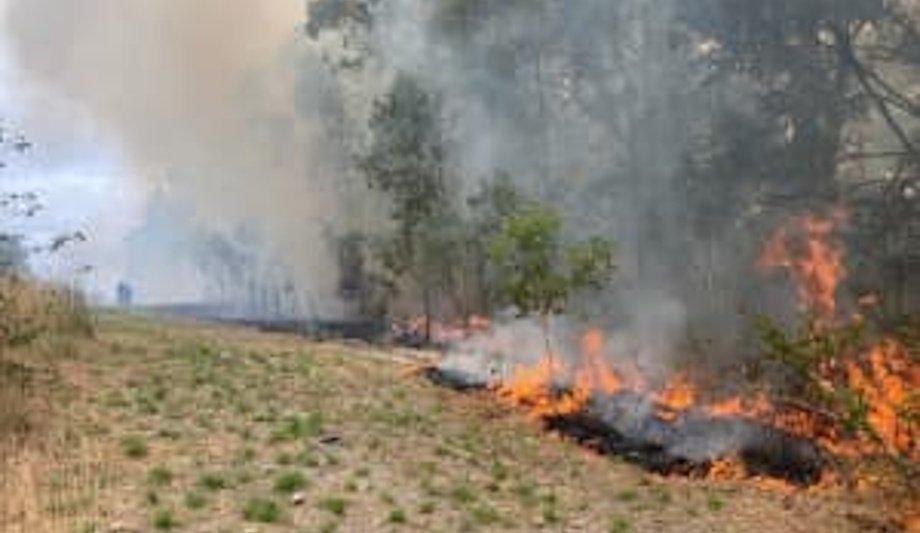

In response to the most significant grass fire risk in over a decade, Fire and Rescue NSW (FRNSW) is diligently working to safeguard communities.
Extended periods of above-average rainfall have led to increased fuel loads, raising the potential for more intense grass fires in the coming weeks, especially in the western parts of the state, which were severely affected by recent floods.
Efforts Focused on Urban-Rural Interfaces
FRNSW continues to prioritize areas where urban settings meet bushlands to protect homes, businesses, and key infrastructure. Recently, firefighters executed a hazard reduction burn over a 28-hectare fire-prone area in Glendale, Lake Macquarie.
This operation aimed to secure numerous residences, an educational institution, and nearby vocational facilities adjacent to a highly flammable woodland environment.
Maximizing Hazard Reduction Opportunities
FRNSW strives to capitalize on every available opportunity for hazard reduction
Despite months of persistent wet weather disrupting planned fire management activities, FRNSW strives to capitalize on every available opportunity for hazard reduction.
According to FRNSW Bushfire & Aviation Commander, Scott Donohoe, it is crucial for homeowners and landowners to mirror the proactive measures of firefighters.
"It could only take a few days or weeks of hot and dry weather to ignite current heavy fuel loads and create a fire emergency in our own backyards," Superintendent Donohoe emphasized. "We can’t control what the weather does but we can all take steps to protect ourselves, our families and our property from the potential impacts of fire."
Preparing for Fire Emergencies
Residents are encouraged to prepare their Bushfire Survival Plans and discuss potential actions in the event of a bushfire. Farmers, in particular, are advised to create firebreaks around fields, homes, and equipment, in order to mitigate fire spread.
Additionally, all individuals should acquaint themselves with the updated fire danger ratings recently introduced for the season.