When embarking on a new construction project, it is crucial for organizations to clearly define their fire safety requirements before engaging with a fire-stopping manufacturer like Quelfire. This approach ensures that tested and compliant solutions are identified from the start.
Once a collection of solutions is determined, designers can compile the necessary information to share with the supply chain. This step is vital to confirm that all parties, including the competent trades involved, are not only satisfied with the design but can also effectively implement it.
Importance of a Defined Design
The process necessitates a keen eye for detail, especially when uncertain areas or untested applications arise. Such discoveries require a reevaluation of the design to accommodate any modifications, such as altering the wall type to fit a tested, compliant detail.
Upon finalizing the design, it will specify precise fire-stopping measures for each application
Upon finalizing the design, it will specify precise fire-stopping measures for each application, covering aspects like spacing, dimensions, and seal placements. With the design approved, construction teams can proceed, adhering strictly to the outlined specifications to ensure compliance throughout the build.
Cultural Shift in Fire Safety Approach
The journey towards establishing a standardized process is fraught with challenges that demand a cultural shift both within the broader industry and the individual organization.
Collaboration across key departments—including design, technical, and project management—is essential, as is the involvement of those driving change. Adjustments may be necessary in related processes to harmonize project planning. With everyone working towards the same goal, the organization can adapt to a standardized approach successfully.
Influencers and Compliance
Employers must act as influencers in the transformation of their organizations, encouraging employees to prioritize compliance and ethical practices.
However, as Quelfire acknowledges, such significant change is gradual and complex. New processes may trigger the discovery of past compliance issues, such as improperly installed fire collars or incorrect use of materials, which were previously overlooked.
Challenges and Solutions
The inherent complexity of construction projects can sometimes lead to deviations from plans and regulations. Factors like tight deadlines, evolving requirements, and ambiguity in industry standards can complicate adherence to guidelines.
Addressing these challenges necessitates reassessing current practices and making necessary adjustments to avoid future non-compliance.
Implementing Internal Standards
Introducing an internal standardized process involves proactive planning
Introducing an internal standardized process involves proactive planning and a dedication to maintaining a "golden thread" of information throughout a building's lifecycle.
Utilizing construction industry software can support this effort, ensuring transparency and reducing potential vulnerabilities. A standardized approach minimizes commercial liability, both internally by preventing legacy issues and externally by securing commitment from the entire supply chain.
Long-term Benefits of Optimization
Optimizing internal processes may require additional time initially, but it leads to significant long-term benefits.
Correcting errors after a building is occupied can be costly, whereas early adherence to regulations minimizes such risks. Addressing issues during the design and installation phases prevents unnecessary expenses and delays.
The Cost of Oversights
Failure to identify errors during the final inspection stages can lead to disastrous consequences, including risk to lives and legal liabilities if a fire occurs. The construction industry faces the demanding task of normalizing standardized processes, which requires both cultural and organizational shifts.
The Path Forward: Collaboration and Compliance
Collaboration, standardization, and optimization are crucial in the journey towards ensuring fire safety. Placing fire safety at the forefront of project decisions, even seemingly minor ones, is essential.
Establishing a compliant and standardized process fosters competency and ultimately enhances building safety, proving that fire safety considerations are among the most critical decisions in any project.
Only when an organization has identified the project’s requirements should it begin to engage with the relevant fire-stopping manufacturer, like Quelfire, to identify the available tested solutions for requirements.
Once there is a portfolio of details, the designer can then gather all the information and communicate it to the supply chain. This part of the process is paramount in ensuring that all the relevant, competent trades are not only happy with the design but can also efficiently build it.
If any grey areas or untested applications come to light, it becomes necessary to start the process from the beginning, identifying any changes that need to be made. For instance, this could involve modifying the wall type to be able to utilize a tested, compliant detail.
Time to build
At this point, the organization will possess a finalized design. This will clearly outline the precise fire-stopping solutions for each service, including spacing requirements, dimensions of the letterbox, and the necessary space between each seal, among other aspects.
Once the details have been approved, and everyone is in agreement, construction can commence. This enables installers onsite to adhere to the provided design, guaranteeing that installations meet compliance requirements.
Cultural change: industry vs organization
As Quelfire is well aware, establishing a standardized process isn’t as straightforward as it sounds
As Quelfire is well aware, establishing a standardized process isn’t as straightforward as it sounds. It demands not only a shift in the broader industry’s culture but also a cultural shift within your organization.
Important departments must work together effectively. This entails not only the design, technical, and project management departments but also those departments and individuals responsible for driving change.
In some cases, other processes indirectly affected may need adjustment to accommodate standardized project planning. Every member of the organization must align with the same end goal.
Role of influencers
Employers must take on the role of influencers in the development of their organization
However, as history has shown, cultural change does not happen overnight. Therefore, employers must take on the role of influencers in the development of their organization. As well as employees being committed to doing what’s right and compliant.
With cultural change, it’s possible that once new processes are implemented, issues from past projects may arise. Instances, where firestopping installations were non-compliant, may come to light, such as improperly fixed fire collars, wraps used in oversized holes, or incorrect use of PU foam around services.
Challenges with adhering to guidelines
Quelfire understands that the challenges of construction projects can sometimes lead to unintentional deviations from plans and regulations.
And, at times, adhering to guidelines might be hindered by tight deadlines, changing requirements, or even a lack of clarity in terms of industry best practices.
While an organization may have been working to the best of its knowledge at that time, these issues must be addressed. This involves areas of non-compliance and changing internal processes to ensure any future projects are in line with regulations.
Internal standardized process
This ensures transparency and traceability, thus, reducing any potential future vulnerabilities.
Implementing an internal standardized process may involve ensuring the team adopts an approach that addresses the project’s needs from an early stage.
It also involves creating the golden thread of information to gather, store, and maintain key information about a building’s lifecycle.
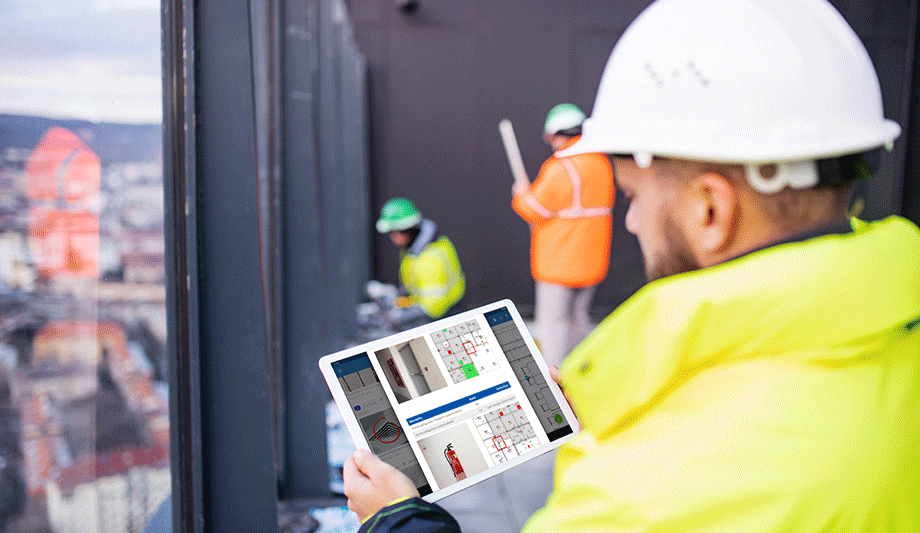
And realizing that it doesn’t have to go it alone. Construction industry software can support accountable persons in maintaining the golden thread of information. This ensures transparency and traceability, thus, reducing any potential future vulnerabilities.
Minimizing commercial liability
Standardized processes also play an important role in minimizing commercial liability
Standardized processes also play an important role in minimizing commercial liability. Both internally and externally.
Externally, they guarantee commitment from the supply chain to make sure the design is achievable, therefore, reducing any risk of complications during the installation stage.
Internally, they prevent the likelihood of legacy issues emerging later down the line, as compliance is the end goal for all parties within the organization.
Optimizing internal processes
The cost of having to correct errors once the building is occupied far outweighs the initial effort of optimizing internal processes and adhering to regulations.
Yes, it may take longer to establish and implement new processes, but it is more beneficial in the long run. Issues that come to light late in the design stage and during installation inevitably lead to extra costs and delays.
For instance, if there is no tested solution at the design stage, the application will need to be redesigned; if products are installed incorrectly, they will have to be rectified; and if issues are discovered during inspections, this will not only require the reconsideration of the fire-stopping products used, but the design of them too.
Checking the errors
Ultimately, if errors are not identified during the final inspection and a fire breaks out when the building is already occupied, putting lives at risk and legal implications will be the price of cutting corners and compromising fire safety measures.
Standardizing processes within the construction industry is undeniably challenging. It requires not only an industry-wide cultural change but also an organizational one.
Collaboration, standardization, and optimization
Collaboration, standardization, and optimization. The key takeaways. Equally important is to recognize that fire safety must be at the forefront of any project-based decision.
These decisions, while they seem small at the moment, are some of the most important choices we will ever make. They are life-critical. That is why ensuring you have a compliant standardized process in place will encourage competency and, ultimately, enhance building safety.