Compartmentation is the unsung hero of the fire safety world. It is the practice of dividing a building or structure into separate, fire-resistant compartments or sections, designed to prevent the spread of fire, smoke, and toxic gases.
Compartmentation plays a pivotal role in containing fires, saving lives, and minimizing property damage. In this blog post, they’ll explore the importance of this vital part of the fire safety arsenal.
What is Included in Compartmentation
This fire safety technique encompasses a variety of physical barriers that stop the spread of fire damage. This includes:
- Fire doors: Categorized by how long they keep fire at bay, these doors are a vital part of compartmentation. Under the fire door remit is correct signage of fire doors and exits, directing building users to safety. To find out more about fire doors, read the blog post.
- Fire-Resistant Building Materials: Using materials that slow or stop the spread of fire is important to keeping the building’s structural integrity. It can also save lives by keeping a small fire manageable to put out.
- Room Planning: Dividing up the property into smaller areas with fire safety measures like fire doors can give occupants a safe area to wait for help or keep vital escape routes usable in the event of a fire.
How Does Compartmentation Help?
There are a variety of ways that slowing the spread of fire with physical barriers can be helpful throughout the event of an emergency.
Containing Fire
Compartmentation is essentially about creating fire-resistant barriers within a building
Compartmentation is essentially about creating fire-resistant barriers within a building. These barriers can be walls, floors, or ceilings designed to withstand the spread of fire and smoke for a specified period, typically measured in hours.
When a fire breaks out in one compartment, these barriers prevent it from spreading to other areas of the building. This containment buys precious time for evacuation and allows firefighters to control the blaze more effectively.
Saving Lives
One of the most significant benefits of compartmentation is its contribution to life safety. In the event of a fire, occupants in unaffected compartments have a better chance of safely evacuating the building. This is because compartmentation reduces the risk of smoke and toxic gases infiltrating other areas, making escape routes clearer and safer. Fire-resistant compartments act as a buffer, giving people more time to exit the building or find refuge until help arrives.
Fire-resistant compartments act as a buffer, giving people more time to exit the building
Compartmentation doesn’t just benefit regular building users, but also the first responders in the event of a fire. When fire is contained within a single compartment, it allows firefighters to focus their efforts on that specific area.
This targeted approach makes firefighting more efficient and less dangerous. Firefighters can enter the compartment with a clear plan, knowing that the fire has not spread unpredictably throughout the building.
Structural Integrity
Fires not only pose a threat through flames and smoke but also by compromising a building’s structural integrity. Compartmentation helps maintain the structural integrity of the building by preventing fires from weakening the structural elements.
By containing the fire within a limited area, it prevents the widespread destruction that unchecked fires can cause. This can significantly reduce the financial and emotional toll on building owners and occupants. Insurance companies often offer lower premiums to buildings that adhere to strict compartmentation standards, recognizing the reduced risk of extensive damage.
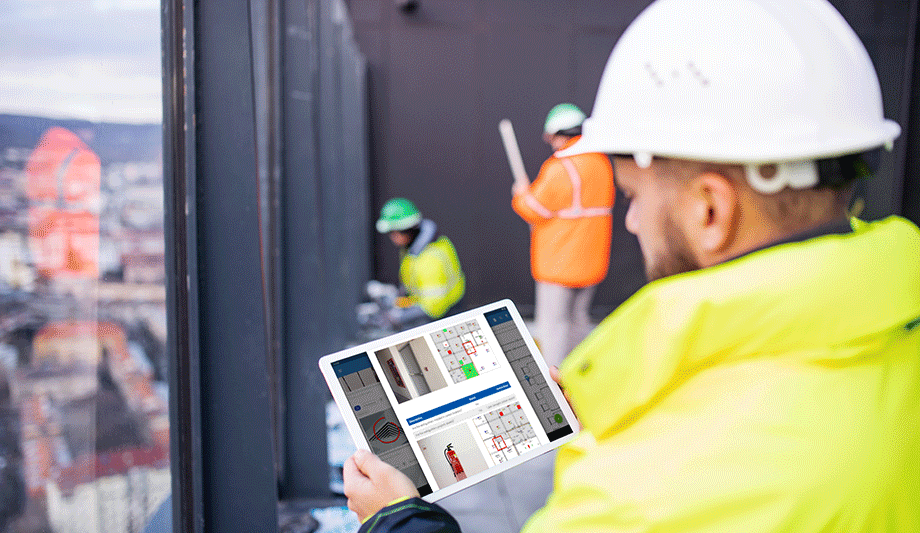
Keeping track of compartmentation and physical fire barriers can be a daunting task, especially in larger commercial buildings. At Total Fire Group, they provide a variety of services to support Responsible People as they keep their buildings and building users safe. To find out more, check out the website or contact them to get started.