There are 5 main steps to carrying out a fire risk assessment. First, users need to identify any fire hazards in the workplace.
This could include things like electrical sockets, equipment used for cooking or heating, and any combustible materials stored on site. The first step is being aware of them and how they might have the potential to cause a fire.
Next, users need to identify if there are people specifically at risk. For example, do users employ any vulnerable or elderly people or those with mobility needs, such as wheelchair users?
Reduce the risks
Once users have identified potential hazards, it’s time to evaluate them. This means considering how likely they are to cause or exacerbate a fire. If the risk is high, they should be removed or modified to reduce the risk.
Record the findings, prepare an emergency plan, and provide training. Users must keep a written record of the fire risk assessment. The emergency plan should show that users have:
- A clear passageway to all escape routes
- Clearly marked escape routes that are as short and direct as possible
- Enough exits and routes for all people to escape
- Emergency doors that open easily
- Emergency lighting where needed
- Training for all employees to know and use the escape routes
- A safe meeting point for staff
Review and update
There’s no law that dictates exactly when a fire risk assessment needs to be reviewed, but the government says users should conduct a new fire risk assessment if there have been changes to the work environment. For example:
- Changes to work processes, e.g, the introduction of new equipment
- Alterations to the building
- The introduction of hazardous substances
- A significant increase in the number of people present
- What sort of things should be reviewed?
Things users should take into consideration when carrying out the fire risk assessment include:
- Emergency routes and exits
- Fire detection and warning systems
- Fire fighting equipment
- The removal or safe storage of dangerous substances
- An emergency fire evacuation plan
- The needs of vulnerable people, for example, the elderly, young children, or those with disabilities
- Providing information to employees and other people on the premises
- Staff fire safety training
Fire risk assessment software
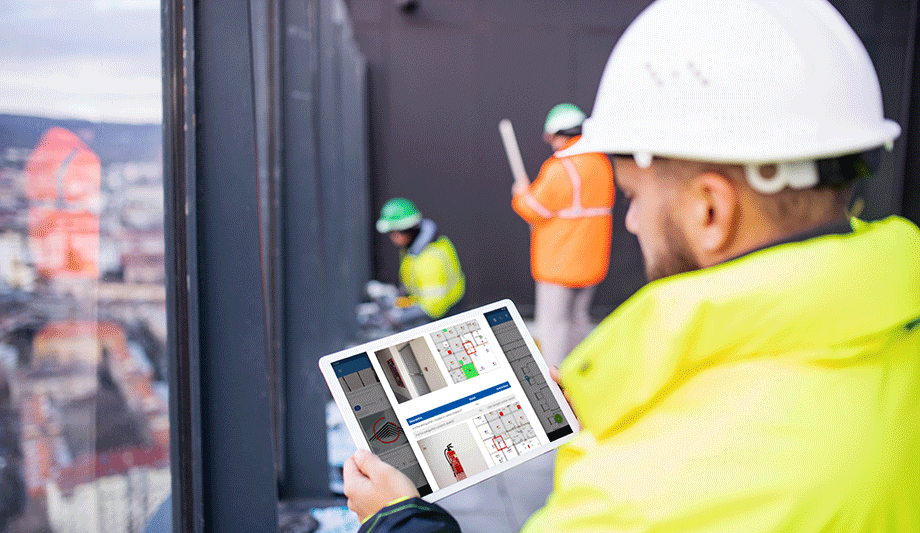
At Total Fire Group, they have years of experience helping businesses across all sectors with their fire risk assessments, and it’s because of this that they have developed their very own fire risk assessment software to make the whole process that much smoother.
Their state of the art risk assessment software, Aurora, is a bespoke software system that was born of the need to manage multiple FRA actions effectively and is helping businesses across the UK complete their fire risk assessments in a more efficient and accurate way.