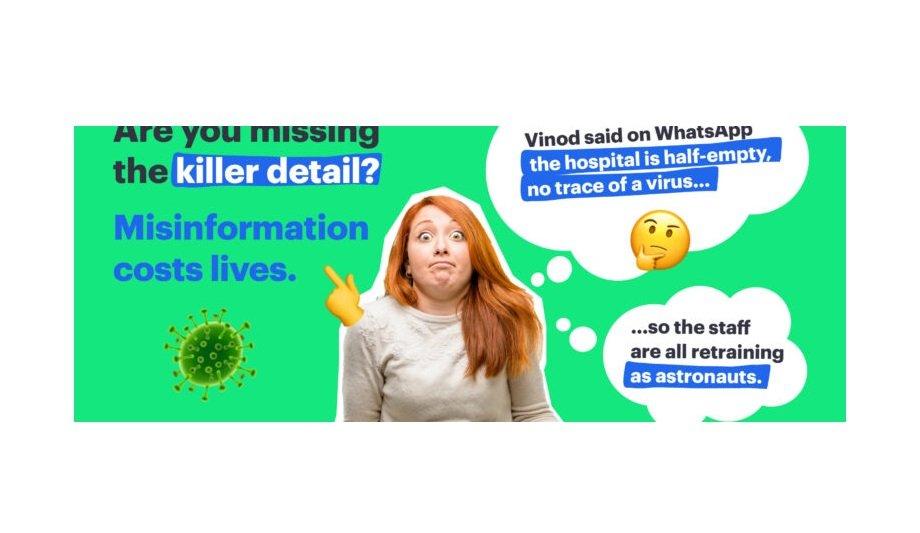

Misinformation is the target of a new campaign in South Yorkshire, which seeks to curb the spread of false content online.
tongue-in-cheek campaign
Health chiefs, emergency services, and councils across South Yorkshire are coming together to warn people to think twice about the things they share- and to get their information from official sources.
The tongue-in-cheek campaign draws on local references and familiar conversations to point out how well-meaning conversations online can quickly develop and become harmful.
susceptible to misleading and false information
False or misleading information has the potential to cause harm and cost lives"
Sheffield’s Director of Public Health - Greg Fell, said, “Research suggests that younger people are particularly susceptible to misleading and false information, which can spread to tens of thousands of people very quickly on social media or via instant messaging applications like WhatsApp."
He adds, “Some of the examples we’re sharing as part of this campaign are intentionally light-hearted, but the issue is a serious one. False or misleading information has the potential to cause harm and cost lives during any emergency, but especially during a public health crisis like the COVID-19 pandemic."
think twice before sharing information
Greg Fell continues, “There’s little we can do to stop people posting false information online, nor are we in a position where we want to curb people’s freedom of speech."
He states, "What we do want people to do is to think twice before they share information online and to refer to trusted, official sources wherever possible like government, council, or emergency service websites.”
‘Killer Detail’ campaign
The forum is responsible for overseeing the region’s response to major emergencies
The ‘Killer Detail’ campaign has been developed by public agencies which form part of South Yorkshire’s Local Resilience Forum. The forum is responsible for overseeing the region’s response to major emergencies, including the COVID-19 pandemic.
A study published by King’s College London and Ipsos MORI in December found one in three people in the UK have been exposed to messages discouraging the public from getting a coronavirus vaccine.
combat misinformation online
The research revealed that a notable minority believe conspiracy theories, with belief especially high among young people and those who get a lot of information on the pandemic from social media platforms.
The Government launched its campaign to combat misinformation online last in March, using shareable videos and trust community figures to call for people to check before they share.