In the realm of fire safety, installing advanced fire alarm systems is just the beginning. Ensuring their ongoing functionality through regular maintenance is equally crucial.
Skipping scheduled check-ups and preventative maintenance can lead to malfunctioning equipment, posing significant risks to both property and staff. Additionally, compliance with legal obligations is essential to avoid hefty penalties and potential invalidation of insurance.
Importance of Fire Alarm Maintenance
Effective fire alarm maintenance ensures a system's reliability in emergencies and compliance with fire safety standards. A well-maintained system helps prevent property damage and protects employees.
Midland Fire emphasizes the legal requirements for maintaining fire alarms, underscoring the severe consequences of neglect.
Overview of Commercial Fire Alarm Maintenance
Commercial fire alarm maintenance involves several crucial steps to remain compliant with safety regulations
Commercial fire alarm maintenance involves several crucial steps to remain compliant with safety regulations. Professional inspections and routine testing ensure the system functions as intended.
Key tasks include checking battalions, sensors, and control panels, and ensuring devices like detectors and sounders operate flawlessly.
Legal Requirements and Maintenance Schedule
Under the UK's Regulatory Reform (Fire Safety) Order 2005, businesses must adhere to specific maintenance protocols.
This includes professional servicing at six-month intervals and weekly in-house checks. Such diligence mitigates risks and ensures the continuity of business insurance and compliance.
The Hidden Costs of Neglect
Neglecting fire alarm systems can lead to nullified insurance, unexpected downtime, and costly repairs. Routine maintenance minimizes false alarms and extends equipment lifespan. Effective planning can aid in budgeting and resource allocation.
Recommended Maintenance Frequency
- Weekly Inspections: A designated person should check all system components for damage and test battery functionality.
- Monthly Checks: These involve cleaning components, inspecting signage, and evaluating panels for error messages.
- Bi-Annual Professional Servicing: Required by law, this service includes thorough inspections by BAFE-accredited professionals.
Components of Professional Maintenance
The bi-annual service includes comprehensive checks such as visual inspections, control panel tests, and battery evaluations.
Professionals ensure wiring integrity and conduct live tests on alarms, detectors, and call points. A maintenance certificate confirms compliance.
Typical Issues Identified During Checks
Common problems include depleted batteries, debris in detectors causing false triggers, and faulty wiring. These issues are resolved during maintenance to ensure system reliability and legal conformity.
Why Opt for Midland Fire's Services?
Midland Fire, accredited by BAFE, is proficient in fire safety system installation and maintenance, serving diverse industries. With 25 years of experience, their team of expert engineers manages projects from design to maintenance, supplying high-quality products.
Midland Fire offers tailored maintenance packages, encompassing comprehensive services, emergency callouts, and compliance certification. They also provide fire risk assessments, installation, and various security services, ensuring businesses meet all safety needs efficiently.
The fire risk assessment is sorted, the fire alarm systems are installed and the staff are briefed on emergency and evacuation plans.
What next? Now they have to make sure that the fire alarm system maintenance is carried out regularly with planned preventative maintenance servicing to keep everything in working order.
Why fire alarm maintenance is so important
Because what’s the use in having a state-of-the-art fire alarm system if it isn’t working properly? Neglecting the upkeep of the fire safety equipment could result in unnecessary damage to the property and it puts the staff at higher risk. Plus, it’s a legal obligation to keep the fire alarm system well-maintained, and failure to do so can lead to financial penalties and may invalidate the insurance.
In this article, they’ll explore why fire alarm maintenance is so important, what it involves, and how Midland Fire can make sure the business is both protected and compliant.
What Is Commercial Fire Alarm Maintenance?
Fire alarm system maintenance is all about keeping in line with fire safety regulations to ensure the business is safe and compliant. Scheduled checks and professional servicing give them peace of mind that the system will operate correctly in the event of an emergency.
Commercial fire alarm maintenance involves the following:
- Routine inspections and servicing of the system by a professional.
- Regular testing of each item of fire safety equipment, which can be done in-house.
- Checking for faults, battery levels, sensor functionality and control panel performance.
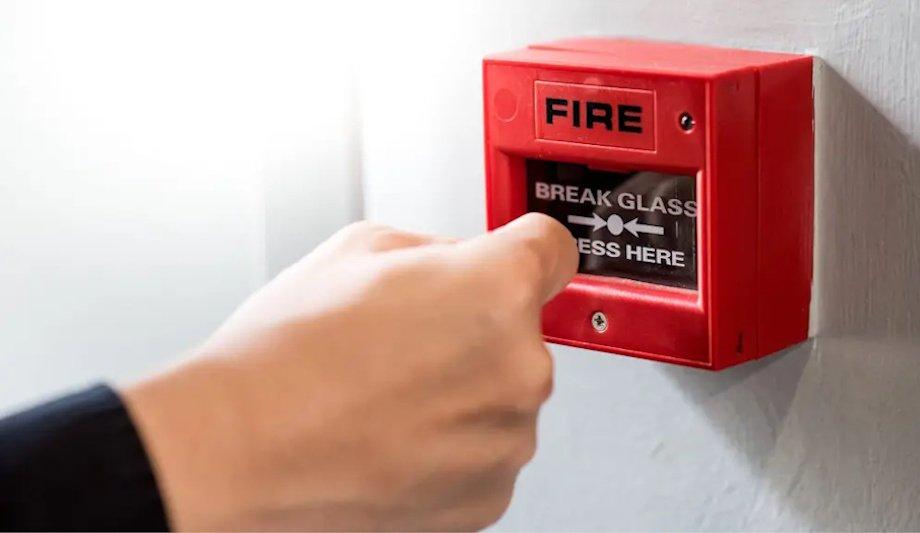
- Ensuring devices such as manual call points, detectors and sounders are fully operational.
Legal Fire Safety Requirements for Fire Alarm System Maintenance
In the UK, the Regulatory Reform (Fire Safety) Order 2005 dictates the laws around fire safety, and fire alarms should be installed and maintained according to the BS 5839 standards. These guidelines state the following:
Fire safety starts with a fire risk assessment.
- All business premises must have an appropriate fire detection system in place to keep their assets and staff safe.
- Employers and responsible persons must ensure fire alarm systems are properly maintained.
- Professional maintenance is required every six months.
- Weekly in-house testing is also recommended.
Why Regular Care is Essential: Hidden Cost of Neglecting Fire Alarms
As they mentioned before, commercial fire alarm maintenance is crucial for protecting the team and property, as well as avoiding costly legal or insurance issues. Failure to comply with fire safety regulations can also lead to fines and even prosecution, harming the business's reputation and leading to closure in the worst-case scenario.
The financial cost of neglecting the fire safety systems is also worth mentioning. Firstly, the insurance could become invalid, meaning more costly repairs for them in the event of a fire. And on the day-to-day, equipment that’s functioning correctly means fewer false alarms and less downtime. Planned preventative maintenance generally means they can budget more efficiently, and it helps extend the lifespan of the fire safety equipment, too. As they say, prevention is always better than a cure.
How Often Should Fire Alarm Systems Be Maintained?
- Weekly in-house testing: Each week, a responsible person within the business should inspect each of fire alarm components for signs of damage, test that batteries are working and check that the system is ready for action.
- Monthly visual inspections: A more in-depth monthly check is also advised, in which components are cleaned of dust and debris, signage is inspected and control panels are checked for warning lights or error messages.
- Bi-annual professional inspections: This is the most crucial element of the regular maintenance plan, and is required by law. Choose a BAFE-accredited professional to carefully inspect the fire alarm system every six months and repair any faults.
What Does Professional Fire Alarm Maintenance Include?
When organizing the bi-annual system service, they should always choose a professional contractor with 3rd party BAFE accreditation, like Midland Fire. This way, they can be sure that the fire alarm system is being maintained to the correct BS 5839 guidelines and they are being looked after by highly specialized fire alarm engineers.
Here’s what to expect at the six-month fire alarm system service:
- Full visual and audio inspection of all components.
- Main fire alarm control panel test.
- Battery checks and replacement.
- Check of the system wiring.
- Live test of each alarm, detector and call point.
- Check of manual and automated systems.
- Cleaning of detectors to prevent false alarms.
- Maintenance certificates will be provided to confirm compliance.
Common Issues Detected During Fire Alarm Maintenance
It is common for fire alarm engineers to pick up faults and problems within the system during a maintenance check. Where necessary, these problems will be fixed and faulty parts replaced to ensure full compliance on completion of the service. Typical issues will include:
- Depleted or faulty batteries.
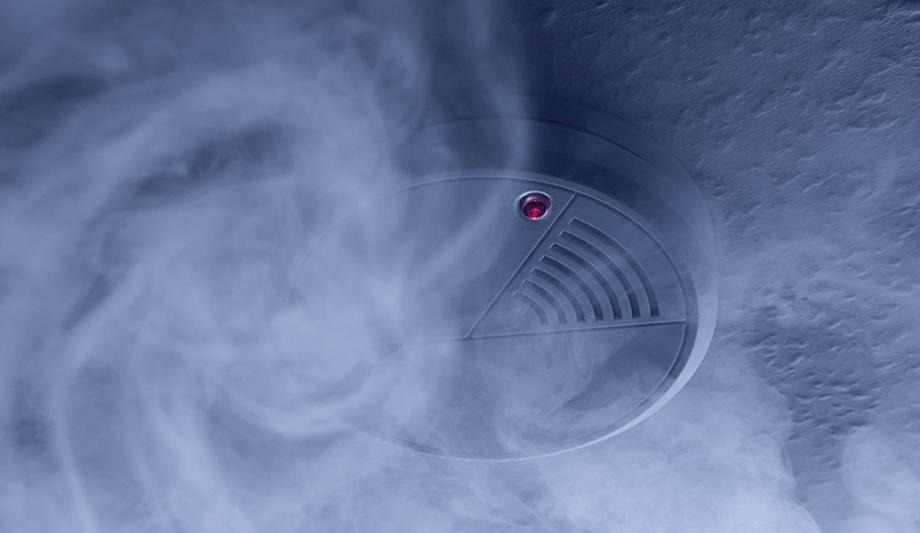
- Dust, debris, or even insects inside detectors are causing false alarms.
- Corroded or damaged wiring and connections.
- Faulty sirens or manual call points.
Why Choose Midland Fire for Fire Alarm Maintenance?
Midland Fire is a BAFE-accredited fire safety contractor specializing in fire alarm system installation and maintenance. They work with businesses of all sizes, across a range of industries, so whatever the company, get in touch.
25 years of experience
They’ve been protecting people and businesses since 1999.
Expert engineers
Each of the 30 engineers is a time-served electrician and a fully qualified fire alarm engineer.
Full support from start to finish
They’ll effectively manage each stage of the project from consultation and design to installation, certification and maintenance.
Quality products
Midland Fire only supplies products from reputable brands that they know will future-proof the business.
Expert Fire Alarm Maintenance and Servicing from Midland Fire
To help them comply with current legislation, they offer a range of maintenance packages tailored to the size of the premises and the systems they have installed. Each package includes a full service by one of the experienced fire alarm engineers, an emergency callout service and a certificate of compliance on completion.
They also offer fire risk assessments and fire alarm installation, as well as a range of security services. The friendly engineers are on hand to advise them and offer expert guidance on how to meet the safety needs of the business.