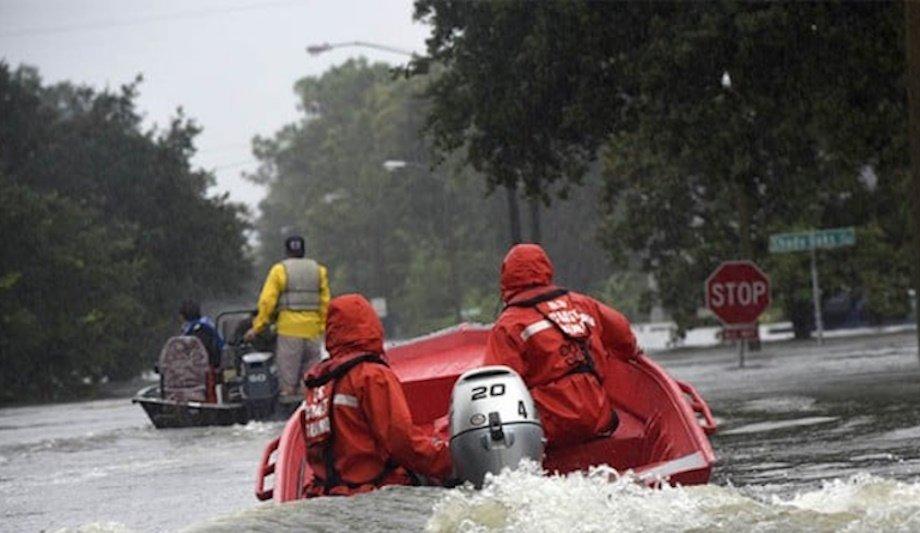

Summer is here, and with the extra sun and warmer days comes the return of water activity. The more people on the water, the greater the need for water rescue. Is the department ready for the water rescue season?
Hazards
Another hidden danger is hazards such as hidden rocks or excess debris from flooding
The right gear for the right job, coupled with solid training, will get the home safe. Some of the dangers in water rescue are the unseen hazards. In any standing water, there will be bacteria and disease-causing micro-organisms. Drysuits keep the wearer warm and dry, reducing exposure to dangerous bacteria and potential hypothermia. Another hidden danger is hazards such as hidden rocks or excess debris from flooding. Many dry suit manufacturers have designed their suits with additional padding to protect the wearer from unseen hazards.
Speaking of the right gear for the right job, if the department has not inventoried and checked the rescue accessories for wear and tear, now would be the time to do it. Over time ropes fray, dry rot sets in, and suits develop leaks. Some of these can be fixed or replaced, but neglecting them could lead to the team using unsafe equipment.
Personal Flotation Devices
Personal Flotation Devices, or PFDs, should be evaluated to ensure they provide a high level of buoyancy each season. There are a variety of different PFDs, and each can serve a different function, but Rescuer PFDs should afford enough flotation for the rescuer and a victim and be able to sustain operations in aerated water according to NFPA 1952.
Every department has different needs, which means a PFD that works well for one department might not work for another one. For example, a PFD that can keep the user afloat in still water might be unable to do so when a strong current is present.
Watercrafts
Watercraft with a higher capacity than the department needs is a way to offset that problem
Watercraft are an essential part of water rescue. Since the water rescue season has just begun, they should check to make sure the craft is running optimally. If the department is thinking about replacing its old watercraft or is looking to add a new one, here are a couple of factors that should be considered. Not all watercraft need to be big and bulky – most departments are better served to use a lighter, more mobile boat.
Getting to those in distress sooner is almost always better than getting to them with all the extra gizmos and gadgets. Consider the maximum number of occupants and weight allowed on the craft. While the watercraft will float at its maximum weight, the handling will be heavily impacted, and the possibility of capsizing will increase. A watercraft with a higher capacity than the department needs is a way to offset that problem. Another is to reduce the amount of weight the team plans to have on the craft. Either will help keep the craft nimble and safe.
Training
Do not take training lightly. Water rescue training is a different animal compared to fire rescue, not all the skills translate over. All those involved in water rescue should be taking refresher courses throughout the year to stay sharp.
NFPA 1006: Standard for Technical Rescue Professional Qualifications is a great place to start, but each department should customize its training around its expected water rescue operations.
Basic water rescue operations
Rescuers will typically find themselves in cases where they need to throw a flotation device at a person
One of the most basic water rescue operations is the use of throw bags, water rescue members should be familiar with and trained in this technique. Rescuers will generally find themselves in situations where they need to throw a flotation device to a distressed person in the water. Accuracy and situational awareness are the keys to proper bag throwing.
A common way to improve bag throwing is to float a trash can out on a body of water and have rescuers throw the bags to get them into the can within a set time limit.
overhand techniques
Departments can make a few modifications to make the training more applicable to bag throwing in moving water by tying a rope to the trash can and having nonparticipants continuously pull the can with the rope. Rescuers should practice underhand, sidearm, and overhand techniques during the training with the focus to be good at all three instead of relying on just one.
Water rescue is an important part of summer, consider the team’s needs when selecting gear and stay up to date with training. Do not let the warm weather lull the team into complacency, water rescue requires every member to be sharp and every piece of gear to be prepared.