
People’s lives have changed dramatically during the past month. The ongoing COVID-19 (Coronavirus) pandemic is affecting the entire world and none could have ever predicted this. What started as a worrying news story from the other side of the world is now affecting every single person across the UK, Europe and beyond.
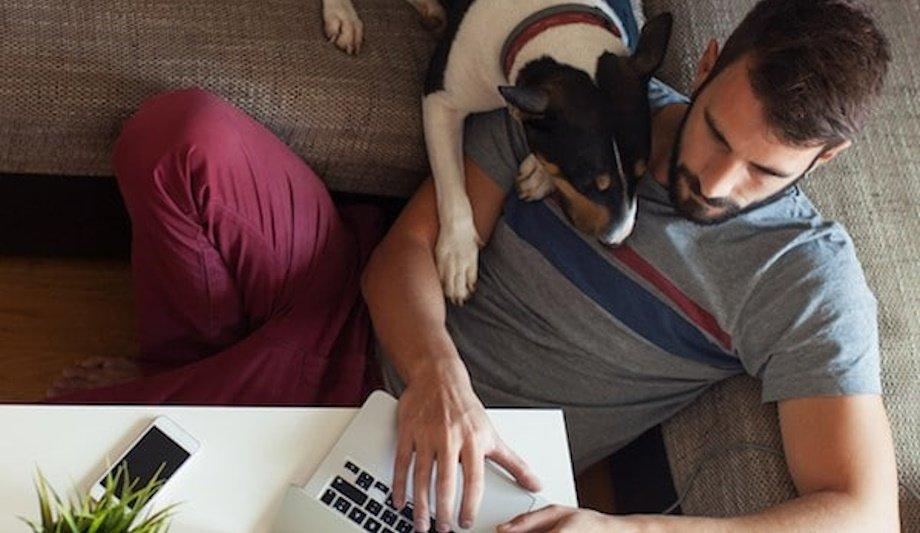
People’s jobs and livelihoods have changed dramatically. For those who work for an essential service, beating COVID-19 or flattening the curve is now the top priority. Thousands of other workers have been furloughed and millions of people are now working from home. Almost all public spaces are closed, social distancing is the new normal and everyone is adapting to this new way of life for at least the next few months.
The UK Government has given a strong message: Stay home. Protect the NHS. Save lives.
Home is the safest place to be right now
By staying home, people making it safer for essential service workers, protecting vulnerable people
Home is the safest place to be right now. By staying home, people making it safer for essential service workers, protecting vulnerable people and themselves.
Home is a sanctuary, now more than ever, so it’s important to keep safe from other household hazards during this time. Keeping home safe also takes additional pressure away from the emergency services and there’s no better time than now to do a quick safety check.
Whether living with family, housemates or alone, this article offers key practical tips to help take the necessary fire safety precautions to protect homes.
1. Have a Fire Escape Plan
Having an up-to-date escape route is crucial to fire safety at home. Go over the escape plan regularly, even if it seems straightforward, and make sure every member of the household knows the plan too.
The best way to escape home is through the normal route, such as the front door, so make sure that keys are kept in an easily accessible place. Some locks in the home may be fiddly or have a special knack to them, if that’s the case then make sure everyone else in the household knows how to use them too.
Alternative Escape Plan
For households that have children, residents could try a few practice drills with them
Residents should always have an alternative route out of their home in case the usual way is blocked. This could be a back door or a window, so the same precautions around keys and locks apply.
It’s also a good idea to keep the doorways and hallways clear, do not store large items like bicycles in such a way that would block the exit in an emergency. For households that have children, residents could try a few practice drills with them, as part of their new home learning routine.
2. Smoke Detectors
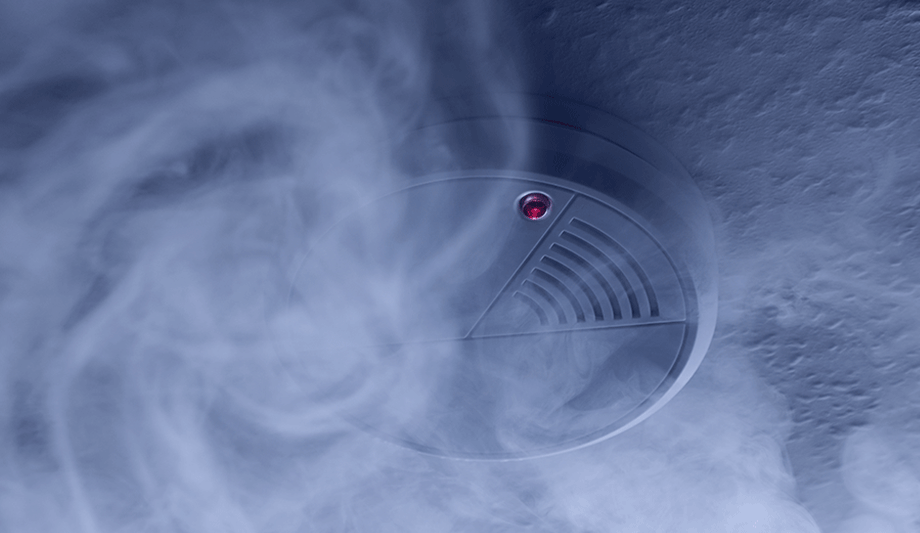
Smoke detectors can only save lives when they work properly. Use this time at home to teach the family about the importance of checking the smoke alarms and ensure they work correctly. It is important to perform weekly checks on the smoke detectors in homes. Residents can do this by pressing and holding the test button until the alarm sounds.
Residents should also clean the smoke detectors regularly (using a vacuum cleaner) to keep them free from dust. If there’s too much dust build-up inside the detector, it may not detect smoke accurately or even set off a false alarm! Why not build this into the regular cleaning routine from now on?
Never cover the smoke detectors, paint over them, move them around or disconnect them entirely. If a home has a Carbon Monoxide (CO) detector, why not test this at the same time too?
3. Cooking Safely at Home
There’s also been a surge of panic buying in major supermarkets across the country
Now that meals out in pubs, restaurants and cafes are all on pause, more people find themselves having to cook at home. There’s also been a surge of panic buying in major supermarkets across the country, so many have to be more creative with the meals they’re cooking, as their favorites may not be on the shelves.
Having more time on hands may encourage more culinary creativity, but remember these important safety tips during all home cooking experiments:
- Turn cooker ring off if leaving the kitchen for any reason
- Never leave young children unsupervised in the kitchen
- The same goes for the grill, turn it off if leaving the room and don’t leave it unattended
- Use a timer when cooking food in the oven – no one likes a burnt dinner!
- Keep the oven, hob and grill clean and in good working order. A build-up of grease can ignite a fire, plus it’s more hygienic to always keep the appliances and food preparation surfaces clean.
- Avoid cooking if drinking alcohol or are taking medication that can lead to drowsiness or tiredness.
- Check that the toaster is clean and away from curtains, towels or kitchen rolls. Most toasters will have a tray in the bottom that catches crumbs, residents should empty this regularly. Always unplug the toaster before cleaning it!
- Don’t put toasters under cupboards, if residents have done this before, they’ll have noticed that the underside of the cupboard gets easily scorched.
- Keep tea towels and cloths away from the cooker and hob.
- Don’t put anything metal in the microwave, check whether the plate or dish that is being used is microwave safe before using it.
4. Electrical Safety at Home
Besides cooking, almost all home-based activities require electricity, so usage is likely to be higher while most of the nation is in isolation at home.
Here are a few simple precautions to improve electrical safety in homes:
- Make sure that the plug sockets are not overloaded.
- Ensure that plugs, cables, leads and sockets are not visibly damaged.
- Check that light fittings are not visibly damaged and that down lighters are in good working condition. Lights should not be flickering or turning on-off intermittently.
- Do not store combustible or flammable materials near the fuse box, electricity meter or electrical intake.
- Don’t use the top of the microwave for extra storage or block the vents on the side of the appliance.
- Never trail cables under carpets or rugs. Ensure that wires around the home do not pose a trip hazard.
- Never take any mains-powered electrical items, including hair dryers into the bathroom. Only certain types of shavers and electric toothbrushes should be used in the bathroom.
- Make sure that water or steam doesn’t get too close to plug sockets, especially in the kitchen or other humid areas.
- Always switch off electrical items when not using them.
- Check that there is RCD protection in the fuse box. If in doubt, contact a qualified electrician.
- Never leave the mobile device charging unattended or overnight, and always use the correct charger.
- Charge the mobile device on a clean, flat surface away from anything that could easily catch fire.
- Don’t charge the phone on or near a sofa, pillow or similar where it is more prone to overheat or get switched on accidentally.
Other Tips for Fire Safety at Home
Here are a few more tips for fire safety at home that you should be aware of:
Watch those Candles!
They may look pretty and make your home smell nice, but a candle is still an open flame
They may look pretty and make your home smell nice, but a candle is still an open flame. Never leave candles, oil burners, wax melts or incense sticks unattended. It’s easy to forget about them or go to bed without blowing them out.
Be Careful with Cleaning Products
Personal hygiene and cleanliness are vital in preventing the spread of COVID-19. But many of the cleaning products used to disinfect household surfaces are flammable and should be stored safely and away from any sources of ignition. Never mix different cleaning products together, as they could cause chemical reactions, other health risks or even fires.
There’s also been a growing trend for making homemade surface cleansers and hand sanitizer, since it’s now very difficult to get hold of in shops or online. One of the main ingredients is isopropanol alcohol, which is also highly flammable, so make sure to store it safely with other cleaning products.
Cigarettes and Ash Trays
Smoking inside home poses an additional fire hazard, besides the well-known health risks associated with smoking. Never leave lit cigarettes balanced in an ash tray, as it’s so easy for them to get knocked over.
If smoking at home, then take a few precautions such as using a proper ashtray, emptying it regularly and safely, and never smoke in bed. However, there’s no better time than now to quit, being a smoker certainly won’t help with COVID-19 (Coronavirus) symptoms.
Also remember to take care with e-cigarettes/vapes, only use the charger supplied and never charge the vape with a phone, tablet or other charger. Always check the vape regularly while charging and never leave it unattended for an extended period of time. Like with mobiles, charge the vape on a clean, flat surface away from anything that could easily catch fire.