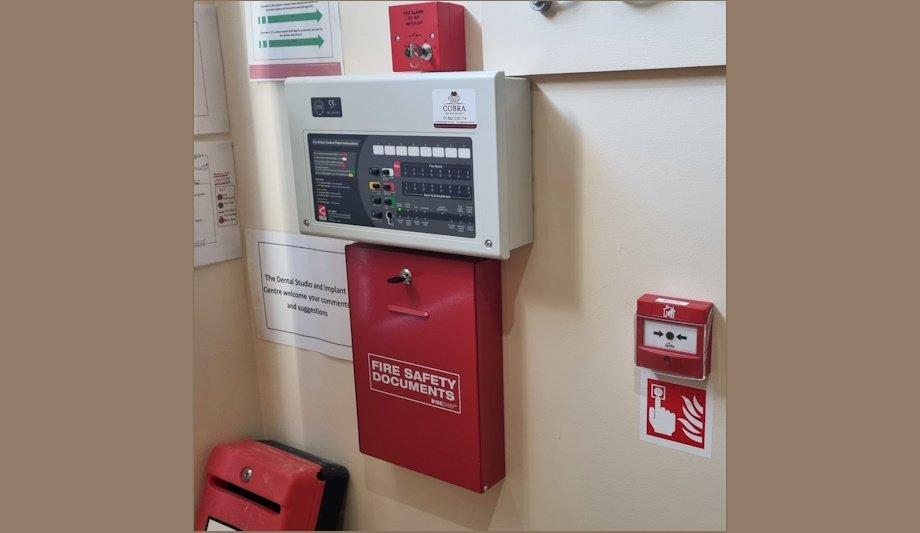

Ensuring the safety of business premises is paramount, and compliance with UK fire alarm regulations, including the cost of fire alarm systems, is mandatory.
In this article, Cobra Fire and Security Ltd delves into the factors influencing the cost of fire alarm systems, shedding light on key considerations and providing valuable insights.
Determining Factors for the Cost Fire Alarm Systems
Type of Fire Alarm System
- Conventional Fire Alarm System:
Divided into zones, this system provides information on the activated zone. Conventional systems are generally more cost-effective for smaller businesses with straightforward layouts.
- Addressable Fire Alarm System:
Each device has a unique address, enabling quick identification of triggered alarms. While offering precise information, these systems may have a higher upfront cost due to their advanced features.
- Wireless Fire Alarm:
Utilizes radio signals, eliminating the need for cables. Although wireless systems can reduce installation costs, they may have slightly higher equipment costs compared to wired alternatives.
Size of the Premises
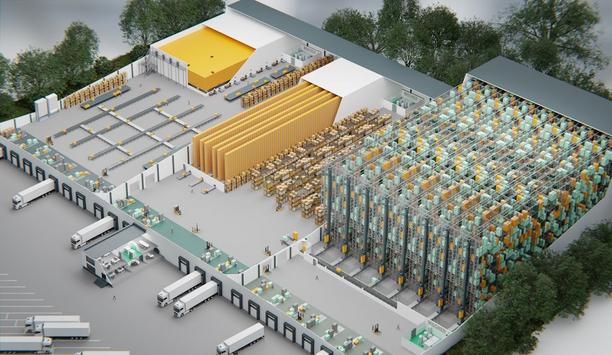
The size of the business premises directly influences the type and number of devices needed, impacting the overall cost of the fire alarm system.
- Smaller businesses with limited square footage may find conventional systems cost-effective.
- Larger businesses with complex layouts may require addressable systems, increasing overall costs.
Number & Type of Detection Elements
Consider the complexity of the system by incorporating various detection elements:
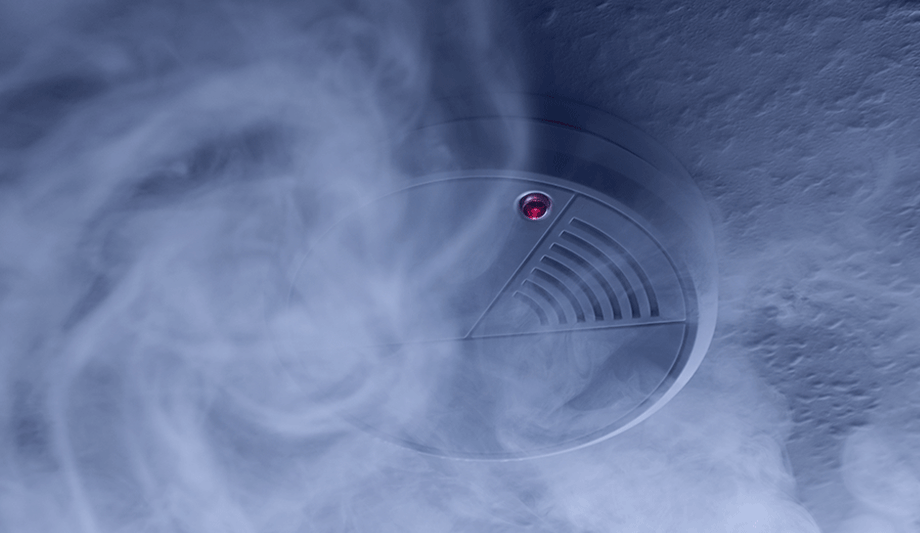
- Fire Alarms: Standard elements necessary for alerting occupants.
- Suppression Systems: Additional cost for systems that actively control or suppress fires.
- Extinguishers: Essential firefighting tools, each with its associated cost.
- Fire Doors: Enhanced safety features that come with installation expenses.
- Emergency Lighting: Important for visibility during evacuations, adding to initial costs.
- Multi-sensor Detectors: Advanced detectors may contribute to higher costs.
- Roll Call Systems: Can enhance safety, but consider the associated expenses.
- Integration with access control provides comprehensive control over safety and security systems.
Monitored or Unmonitored System
- Opting for a monitored system enhances overall safety by enabling instant action by monitoring providers in case of a fire, even outside regular hours.
- Monitored systems may involve additional monthly fees, impacting the overall cost but providing enhanced safety.
- Unmonitored systems may have lower upfront costs but could compromise response times and safety.
Fire Risk Assessment
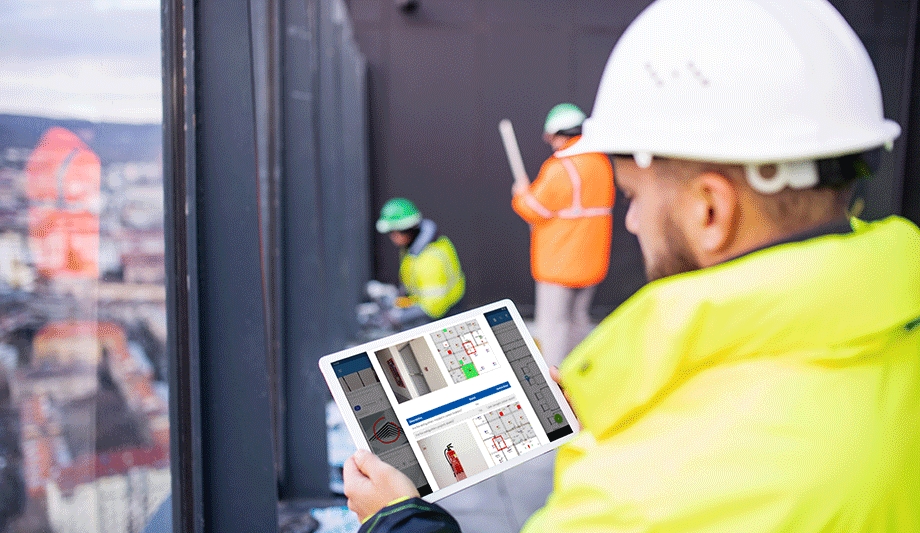
Conducting a fire risk assessment is a legal requirement and aids in determining category of fire alarm system
Conducting a fire risk assessment is a legal requirement and aids in determining the appropriate category of fire alarm system, ensuring compliance with regulations.
Costs associated with a fire risk assessment may vary, but are essential for understanding the specific needs of the business.
Understanding Costs
Commercial fire alarm system costs can vary widely, ranging from £50 for a basic battery alarm to over £5,000 for a sophisticated integrated system.
- Additional costs may include installation, maintenance, and potential system upgrades.
- Requesting a quote from a reputable installer is the best way to obtain an accurate estimate tailored to specific needs.
Benefits of a Monitored System
- Enhanced safety with an immediate response to out-of-hours incidents.
- Reduction of false alarms, saving both time and money.
Conclusion
Investing in a commercial fire alarm system is not only a legal necessity, but a crucial step in ensuring the safety of businesses, employees, and visitors.
By understanding the factors influencing costs, people can make informed decisions that align with regulations and provide a secure environment. Contact Cobra Fire and Security Ltd for a free, no-obligation quote to assess specific requirements and budget, ensuring a tailored and effective fire safety solution for the business. People and property safety is their priority.