Intumescent seals play a critical role in fire safety, providing a barrier against the spread of smoke and flames in buildings.
To ensure their effectiveness, it is essential to properly maintain and inspect intumescent seals. This ensures that they remain in optimal condition, ready to perform their vital function when needed.
Key aspects of intumescent seals
- Regular Inspections: Schedule regular inspections of the intumescent seals to monitor their condition. If the door is in a high-traffic area or used frequently, then they should be checked more regularly as signs of wear will appear more quickly with increased use.
- Regulation 10 from the Fire Safety (England) Regulations 2022 requires that, if the top storey of a building is above 11 metres in height (typically, a building of more than four storeys) the Responsible Person must:
- use best endeavours to check all flat entrance fire doors at least every 12 months;
- carry out checks of any fire doors in communal areas at least every three months;
- When checking intumescent fire and smoke seals-look for any signs of damage, such as cracks, tears, and ensure any fin/brush is intact and undamaged. Inspect the seals for proper alignment and ensure they are securely fixed in place. If fins or brush are overpainted, replace with like-for-like. Regular inspections help identify any issues early on and allow for timely repairs or replacements.
- Cleaning and Maintenance: Periodic cleaning is recommended for all types of seals with a soft, damp cloth, avoiding abrasive cleaners or solvents. The appearance and performance of brush seals will benefit from a wipe with a damp cloth at least once a year.
- Replace Damaged Seals: If any damage or wear is detected during inspections, promptly replace the damaged intumescent seals. It's essential to use approved and certified replacement seals that meet the required fire safety standards. Follow the manufacturer's guidelines and recommendations for installation to ensure proper performance. Further guidance is contained in the relevant sections of BS 8214:2016 “Code of practice for fire door assemblies”.
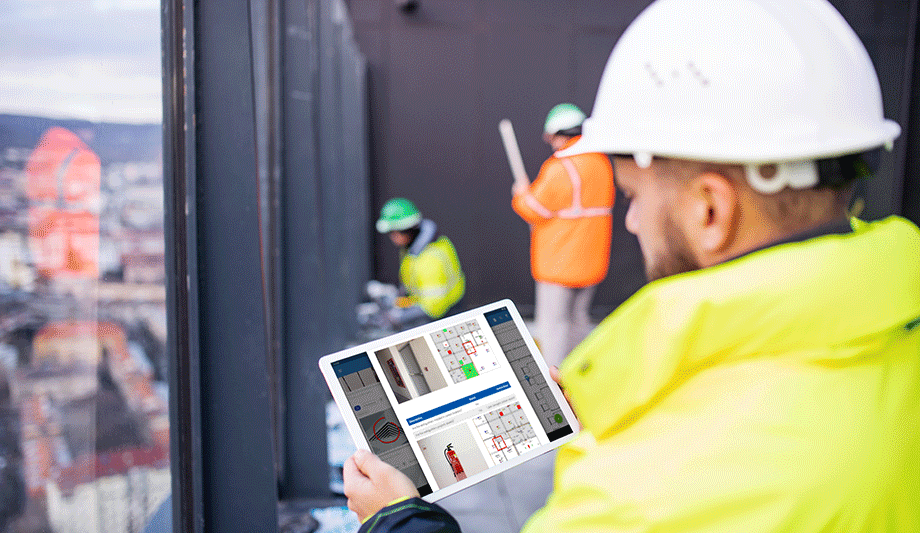
- Document Maintenance and Inspections: It is advisable for fire doors to be checked by a third-party accredited, professional fire door inspector. The documentation recorded helps track the history of maintenance, identify patterns or recurring issues, and demonstrate compliance with fire safety regulations.