Ensuring fire safety in care homes is a vital responsibility for owners and managers, as the safety of residents hinges on it.
Recent initiatives include the installation of a Category L1 fire alarm system at Lavender Lodge Nursing Home, where Midland Fire’s team meticulously worked within an active care environment to maintain resident safety and compliance with current fire safety standards.
This highlights the complex challenge care homes face in balancing resident welfare with necessary safety improvements.
Fire Risk Assessments
It is imperative for every care home to conduct a current fire risk assessment by a qualified individual. This assessment focuses on identifying hazards, assessing risk levels to residents, and outlining necessary preventative and protective measures.
Special consideration is required for residents with mobility and sensory impairments, as these factors affect evacuation times. Legal mandates for care homes, as specified in the Regulatory Reform (Fire Safety) Order 2005 and the newest government fire safety regulations expected in March 2025, include:
- Fire Sprinkler Systems for timely detection and suppression, optimizing evacuation efficiency.
- Personal Emergency Evacuation Plans (PEEPs) customized for residents with disabilities.
- Regular maintenance of fire alarms, extinguishers, emergency lighting, and suppression systems by certified professionals.
Preventative Strategies and Staff Training
Prevention primarily involves training staff, which should commence at induction and continue with regular updates. Training should encompass:
- Understanding how to activate alarms.
- Following evacuation routes and procedures.
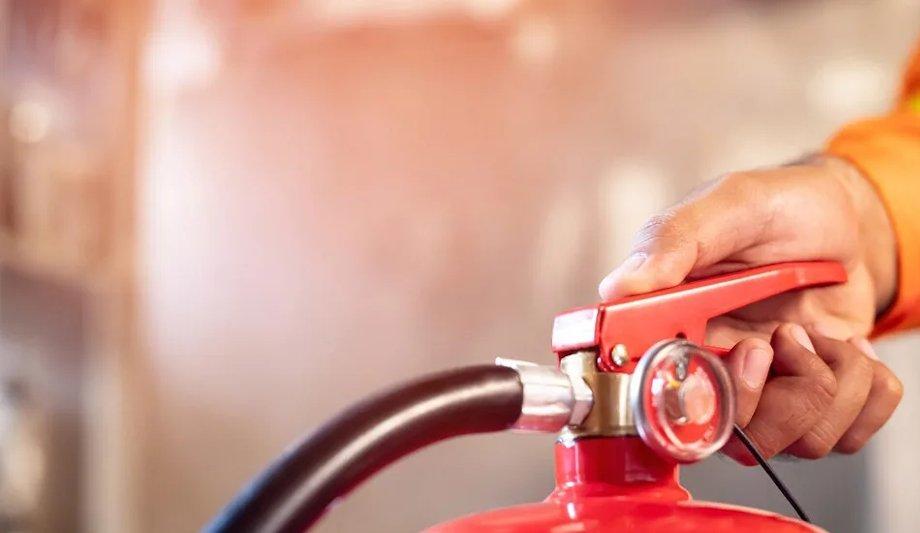
- Utilizing fire extinguishers and related equipment.
- Assisting residents with limited mobility.
Biannual evacuation drills ensure staff readiness and confidence in handling emergencies effectively.
Fire Safety Equipment, Policies, and Procedures
Selecting appropriate equipment, from fire alarms to emergency lighting and refuge points, tailored to the facility’s layout and resident needs, is crucial. Moreover, policies should detail:
- Fire drill schedules.
- Maintenance timetables for all safety systems.
- Staff responsibilities during emergencies.
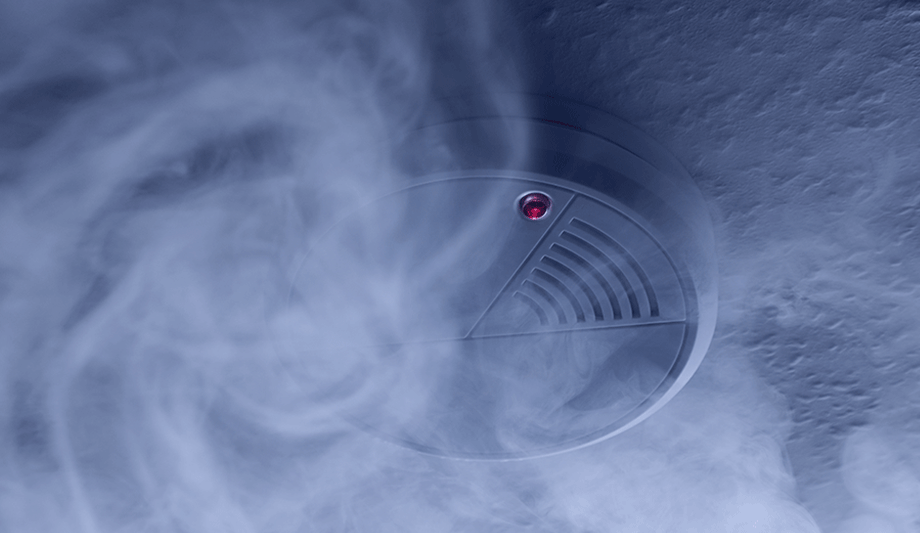
Innovations like Honeywell Gent Self-Test detectors aid care homes by minimizing disruption during routine maintenance while ensuring continued compliance.
Continuous Improvement
Fire safety is an evolving commitment, not a one-time task. As regulations, architectural changes, and resident demographics shift, fire safety plans need regular reviews, ideally annually, or more frequently if significant changes occur.
An ideal combination of thorough risk assessments, continuous staff education, maintained equipment, and updated protocols guarantees a safer environment for both residents and staff. This preparedness ensures that everyone is well-versed in emergency procedures.
For care home administrators aiming to review their fire safety measures, Midland Fire provides comprehensive solutions covering design, setup, upkeep, and training, ensuring full compliance and reassuring that residents are safeguarded.
For care home owners and managers, fire safety is one of the most critical parts of that responsibility. Lives depend on it.
In recent projects, such as the installation of a new Category L1 fire alarm system at Lavender Lodge Nursing Home, Midland Fire’s fire alarm installers worked in a live environment, carefully planning to keep residents safe while ensuring full compliance with the latest fire safety standards.
This reflects the realities many care homes face – balancing resident wellbeing with essential safety upgrades.
Fire Risk Assessments
Every care home should have an up-to-date fire risk assessment carried out by a competent person. This assessment identifies hazards, evaluates the risk to people, and outlines the preventative and protective measures needed.
In a care home, it’s essential to consider mobility challenges, sensory impairments, and the time it may take for residents to evacuate safely.
The Regulatory Reform (Fire Safety) Order 2005 and the latest government fire safety regulations (effective March 2025) make clear the legal requirements for care homes, including:
- Fire Sprinkler Systems – essential for early detection and suppression, reducing evacuation time.
- Personal Emergency Evacuation Plans (PEEPs) – tailored evacuation strategies for each resident with disabilities.
- Regular Servicing – planned fire alarm maintenance, extinguisher servicing, emergency lighting checks, and suppression system inspections must be carried out by qualified professionals.
Preventative Strategies and Staff Training
Prevention starts with people. Staff should receive fire safety training for care homes at induction and regular refreshers thereafter. Training should include:
- How to raise the alarm
- Evacuation routes and procedures
- Use of fire extinguishers and other equipment
- Assisting residents with limited mobility
Evacuation drills should be run at least twice a year, ensuring every staff member feels confident acting quickly under pressure.
Fire Safety Equipment, Policies, and Procedures
From addressable fire alarm systems to emergency lighting installation and disabled refuge points, equipment must be chosen to suit the building layout and resident needs. Policies should clearly set out:
- How and when fire drills are conducted
- Maintenance schedules for all fire safety systems
- Responsibilities of each staff role during an emergency
Advanced technologies, such as Honeywell Gent Self-Test detectors, can further support care homes by reducing disruption during routine maintenance while maintaining compliance.
Ongoing process
Fire safety is never “done” – it’s an ongoing process. Regulations change, buildings evolve, and resident needs shift over time. Fire safety plans should be reviewed annually or sooner if there are changes to the premises or resident profiles.
By combining robust risk assessments, regular staff training, well-maintained equipment, and up-to-date procedures, care homes can create a safer environment for both residents and staff, ensuring that in the event of an emergency, everyone knows exactly what to do.
If users manage a care home and want to review their fire safety compliance, Midland Fire offers complete solutions from design and installation through to maintenance and training – keeping users fully compliant and giving peace of mind that residents are protected.