Kirk Smith from Allegion UK has highlighted a crucial inconsistency in fire safety measures, emphasizing the need for fire doors to receive the same level of attention as everyday household items like kettles and light bulbs. Despite the dangers posed by common appliances, fire doors, integral components of a building’s passive fire protection system, often go unnoticed. These doors are designed to halt the spread of smoke and fire, yet they are frequently neglected and improperly maintained.
Used daily in numerous settings, fire doors are vital to any building's safety infrastructure. They are engineered to safeguard lives by acting as barriers, and their poor upkeep stands in stark contrast to how people usually handle personal safety risks. Kirk Smith discusses this contradiction, noting, “Safety measures are an integral part of our lives…we act" when products are faulty. Yet there is a significant knowledge gap concerning fire door safety.
“Fire doors are the first line of defense,” Smith explains. A certified fire door can compartmentalize a space for 30 to 60 minutes in an emergency, but its effectiveness depends on proper operation and maintenance of its components, such as hinges and locks. Fire doors must adhere to UKCA and CE certifications to be truly effective, which is legally required in all non-domestic buildings and multi-occupancy homes.
To ensure compliance, greater awareness and a sense of shared responsibility are needed. Kirk states, “The first step is about fostering and filling knowledge gaps." It's essential for every building occupant to know the functionalities of compliant fire doors and recognize incorrectly used or maintained ones. Uncertified hardware can severely compromise a fire door's effectiveness and integrity.
Smith emphasizes the importance of routine maintenance and proper specification of fire door components. Regular checks and the willingness to report and address damages are vital. “In higher risk buildings...you shouldn’t ignore a faulty fire door,” Smith notes, suggesting simple practices like keeping doors closed and verifying signage and seals.
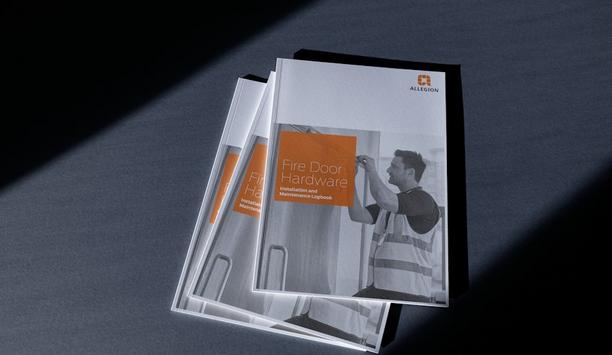
Allegion UK partners with reputable organizations such as GAI, BWF-FDA, and DHF to provide comprehensive support, including their ‘Fire Door Hardware Maintenance and Installation Logbook.’ Smith concludes that it’s time for fire doors to receive the same respect as everyday items, creating a culture grounded in awareness and responsible action.
Kirk Smith of Allegion UK reviews a dangerous inconsistency in fire safety, outlining why fire doors deserve the same respect as the other day-to-day items people use around their homes, work, and places of leisure.
Whether it’s boiling the kettle, charging the phone or changing a lightbulb, it’s second nature to be cautious when handling a potentially dangerous object.
The common appliances, technologies, and commodities found around homes and places of work can pose risks, and from an early age, people learn to identify these dangers. However, there’s another everyday item that often gets overlooked and doesn’t receive the same level of attention: fire doors.
passive fire protection system
Fire doors and their hardware are purpose built to prevent the spread of smoke and fire in an emergency and are a key element of any building’s passive fire protection system.
Though, despite their crucial role in safeguarding lives, and the fact they are used just as frequently as many of the other everyday objects in the built environment, fire doors are all too often neglected, misused and poorly maintained.
Risky contradiction
Whilst individuals are likely to study the safety features of their personal products and learn how to correctly use them, why is this not the case for fire doors and their hardware? Kirk Smith of Allegion UK discusses this risky contradiction:
“Safety measures are an integral part of our lives, and many of us are vigilant when it comes to personal responsibility and how common items should be operated and looked after.”
“As observant people, we review the condition of our charger wires, we blow out candles and matches when we’re finished with them and we closely check product reviews for the appliances we buy, all to reduce the chance of faults and fire and the danger it presents to the buildings we reside in. And when a product doesn’t perform as it should, we act.”
Functionality and safety
“It would appear then that we live in a culture obsessed with functionality and safety, yet there is a worrying knowledge gap when it comes to the world of fire door safety,” continued Kirk.
“Whether it’s in our homes, places of work or public buildings, fire doors are used millions of times every day and are meticulously designed to serve as life-saving barriers, protecting property and people in the event of a fire.”
“Though they play an ever present role in our day to day, many that walk through them fail to recognize the significance of a fully compliant fire door and what makes one effective at saving lives in an emergency.”
First line of defense
“Fire doors are often the first line of defense against fire and smoke and maintaining their integrity is critical to us all. When closed, a certified fire door will typically compartmentalize a space for 30 to 60 minutes, preventing the spread of smoke and fire and providing occupants with an opportunity to escape,” explained Kirk.
“Conversely, an ineffective fire door system can fail within minutes, and an open one is considered useless in a fire.”
“During the closing action, a fire door relies on its hardware, calling upon hinges, locks, latches and door closing devices to secure it firmly in place. In a fire situation, not one of these components can fail and as such, doorsets are rigorously tested to ensure they meet necessary standards, conforming to UKCA and CE certifications and FD ratings.”
Legal requirement
“We’re not simply talking about a safety feature; fire doors are a legal requirement in all non-domestic premises and houses in multiple occupation (HMOs),” continued Kirk.
“However, individuals are less inclined to check whether they meet the right condition or standards once installed. Perhaps it’s a case of visibility, where a broken or exposed wire screams danger, a fire door simply blends into its surroundings until it is needed.”
“Questions also remain over accountability and competence, with many unsure on the responsibilities associated with keeping fire door systems operational. Regardless, where building owners and designated responsible persons bear the legal responsibility for fire door compliance, everyone has a role to play in ensuring fire door safety.”
Routine responsibilities can save lives
In many cases, improved awareness and communication towards fire door safety can help mitigate risk
In many cases, improved awareness and communication towards fire door safety can help mitigate risk. As many maintain a level of scrutiny towards other everyday items, it’s clear that a greater understanding is needed concerning fire door use and compliance.
But what more can be done to ensure fire doors and their hardware receive the same level of attention and care as the other everyday belongings? Kirk Smith continues:
“The first step is about fostering and filling knowledge gaps. What does a compliant fire door look like? How should one operate? And what is its role in my building’s fire safety strategy?”
“Just because a fire door is visually present doesn’t mean it will work, especially if it has been neglected, misused or its fitted with hardware lacking the correct certification - a fire door certified for domestic use may not be suitable in a high-traffic commercial setting, for example. The industry must look to bridge the gap by providing resources and support tools whilst reminding people that fire safety is a shared responsibility.”
Uncertified hardware
“Where the use of uncertified hardware can compromise the effectiveness of a fire door, it’s also important to recognize that a building’s fire doors will not perform as intended unless essential hardware has been correctly specified, installed and maintained,” stated Kirk.
“Routine maintenance checks are crucial, and responsible persons are urged to assess the certification, gaps, seals, hinges and closing elements on fire doors on a quarterly basis, ensuring they are maintained in an efficient state and in good working order. Though, in any circumstance, occupants should be encouraged to report damage and propped open fire doors.”
“In higher risk buildings where many rely on shared fire safety systems, it’s vital that people feel comfortable to communicate concerns and, more importantly, know who they can turn to when a fire safety issue arises. Just as we wouldn’t ignore the smell of gas or exposed live electrical wires on show, you shouldn’t ignore a faulty or improperly used fire door. With this in mind, basic routine fire door safety practices can include:
- Keeping fire doors closed
- Locating fire door signage and recognizing emergency escape routes
- Checking hardware and intumescent/smoke seals are in good working order
- Reporting damage on fire doors and their hardware
“Whether we recognize it or not, fire door safety is embedded into the way we live, work, and play, and it is wrong to overlook fire doors until we need them in an emergency.”
“Instead, we must strive to create a culture, one that is centered around greater awareness, shared responsibility, and competent action. Simply put, it’s time to give fire doors the same attention as the items that entertain and convenience us,” concluded Kirk.
comprehensive maintenance walkthroughs
Allegion UK works closely with reputable bodies such as the GAI, BWF-FDA, and DHF, and as a conscious member of the supply chain, is committed to supporting customers throughout product specification and the necessary installation and maintenance procedures thereafter.
Allegion has a wealth of customer support resources, including its newly downloadable ‘Fire Door Hardware Maintenance and Installation Logbook’, which has been designed to address common issues in these areas whilst offering accessible installation guidance and comprehensive maintenance walkthroughs for each of the critical elements of fire door hardware.