To ensure readiness for emergencies, businesses must take steps to withstand potential disasters, such as fires, which can escalate swiftly without adequate measures.
Business owners and managers have a responsibility to maintain safety within their premises. By following a comprehensive fire safety checklist, businesses can effectively reduce fire risks and enhance preparedness.
Understanding the Fire Safety Checklist
A fire safety checklist is an essential tool that helps create a safer workplace, elevating awareness
A fire safety checklist is an essential tool that helps create a safer workplace, elevating awareness about fire safety among employees and clients while ensuring adherence to fire safety standards on the premises.
This checklist typically encompasses areas such as fire alarm systems, extinguishers, and evacuation protocols.
Key Principles of Workplace Fire Safety
Fire safety should be a priority for every business, with a structured checklist and safety training vital in mitigating risks. The four core principles of workplace fire safety include:
Minimize Fire Hazards
Identifying and reducing potential fire hazards is critical, whether in offices or industrial settings. Regular checks should ensure electrical systems are compliant, exits are clear, and fire extinguishers are strategically placed. Routine maintenance and servicing of fire systems are also fundamental to prevent emergencies.
Surveillance in Fire-Prone Areas
Proactive monitoring of fire-prone sections within the business premises is crucial. Conduct frequent inspections for hazards and take measures to mitigate them. A detailed fire safety checklist supports these efforts, emphasizing the significance of ongoing fire-system testing.
Maintain Fire Detection and Suppression Systems
Ensuring that fire detection and suppression systems are updated and fully operational is paramount. Maintaining these systems involves regular testing and calibration to guarantee quick fire detection and containment capabilities.
Ensure Clear Emergency Exits
Properly marked and accessible emergency exits are vital
Properly marked and accessible emergency exits are vital. Fire safety signs should be clearly visible, and exits must remain unblocked and well-lit. Adhering to these guidelines facilitates efficient evacuation if necessary.
Components of a Fire Safety Checklist
Preparing for fire emergencies involves a comprehensive checklist, tailored to the unique needs of each workplace. While the specific requirements may vary based on the industry, some universal components include:
Smoke Alarms and Fire Detection Systems
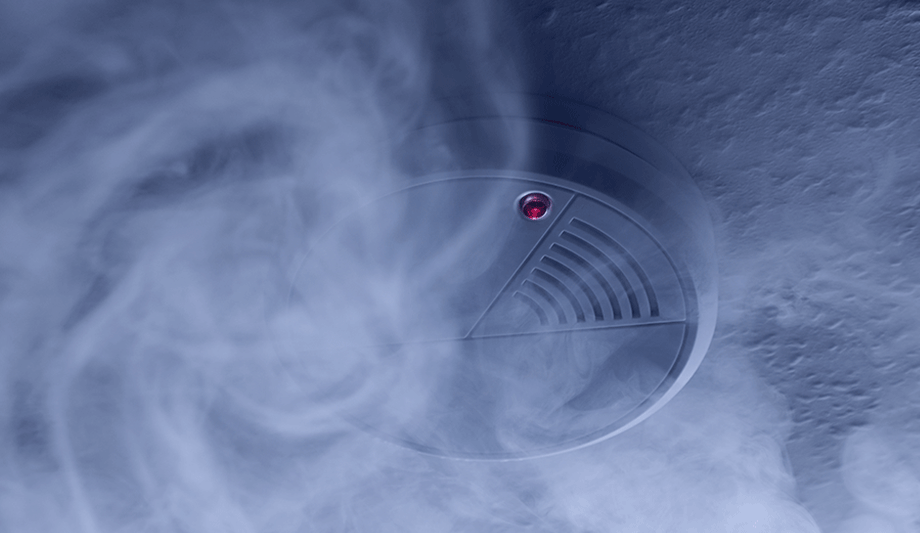
Efficient fire prevention hinges on functioning smoke alarms and detection systems. It's essential to have these systems installed by certified professionals and ensure regular maintenance and testing.
Fire Safety Equipment
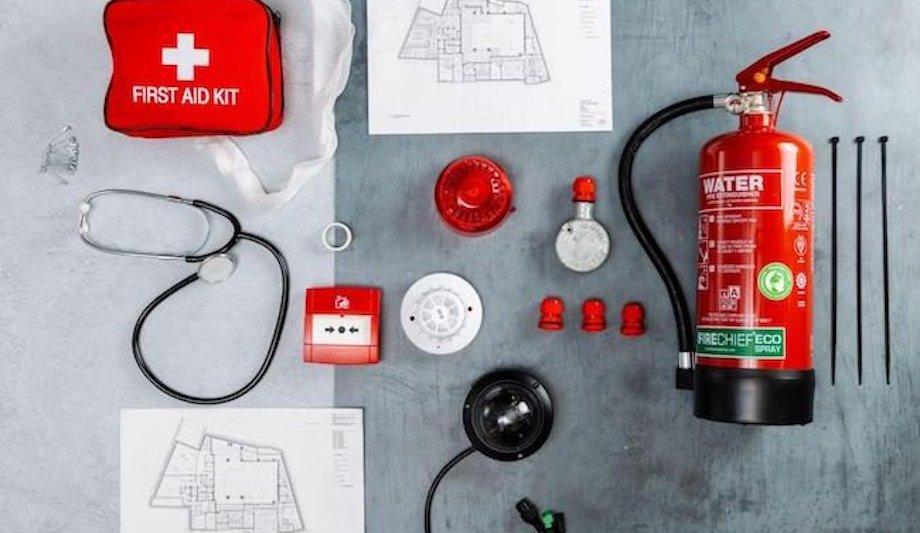
Ensuring the appropriateness and accessibility of fire safety equipment is crucial. This equipment should be compliant, fully charged, and checked regularly. This includes fire extinguishers, sprinkler systems, emergency lighting, and functional fire doors.
Evacuation and Emergency Warning Systems
An effective evacuation plan, supported by proper warning systems, is vital for safety. This involves regular training and drills for all employees, ensuring familiarity with evacuation routes and procedures.
Conducting Fire Risk Assessments
Routine fire safety risk assessments are critical to identifying and addressing potential hazards. These assessments should be thorough and conducted by knowledgeable personnel, with any identified risks urgently addressed.
Implementing Fire Drills
Fire drills are necessary to ensure preparedness. Establish a regular drill schedule, appoint a fire safety warden, and familiarize all employees with evacuation routes and assembly points.
Addressing Electrical Risks
Fire prevention involves addressing electrical risks by maintaining and regularly inspecting electrical equipment and outlets. Speedy repair of any identified issues is essential to mitigate fire risks.
Ensuring Proper Storage
Safe storage practices, involving the segregation of flammable materials from heat sources, are important. Secure ventilation, regular inspections, and appropriate disposal procedures are crucial for safety.
Maintaining Kitchen Safety
Business kitchens require attention to ensure they don't become fire hazards. This includes checking ventilation, maintaining equipment, and providing staff with safety training.
Additional Safety Items
Some businesses may have specific additional fire safety needs. Establish smoking policies, arson prevention measures, and industry-specific safety guidelines to enhance overall safety.
By proactively creating and implementing a fire safety plan while ensuring staff training, businesses can safeguard their operations and minimize potential disruptions caused by fires.
The best way to be prepared for any emergency is by making sure the business can withstand the worst. A small fire could quickly turn into an all-out panic in a matter of minutes without proper precautions. It’s up to them as owners or managers to maintain safety.
With the ultimate fire safety checklist, they’ve compiled some helpful tips on what businesses should do to reduce the risk of fires. Use this guide to make sure the business is well prepared.
What Is a Fire Safety Checklist?
A fire-safety checklist is a document that helps you create a safe workplace, increase fire-safety awareness among employees and customers, and maintain fire-safety standards on the business premises.
A fire-safety checklist covers many topics, including fire alarm systems, fire extinguishers, and evacuation plans.
What Are the 4 Main Principles of Workplace Fire Safety?
Fire safety is an important issue for any business or organization to consider. By following a fire-safety checklist and providing training on fire safety, businesses can minimize the risk of fire and ensure the safety of their employees. Here are the four main principles of fire safety:
1. Reduce Potential Fire Hazards
There are many potential fire hazards in any office or factory, and it’s crucial to take steps to reduce the risk of fire. A thorough fire-safety checklist should include checks like making sure all electrical equipment is up to code, ensuring fire exits are unobstructed and having a fire extinguisher in the most practical locations. Basics like fire system maintenance and servicing are essential. By taking these simple precautions, you can stop hazards from turning into emergencies.
2. Monitor Fire Prone Areas
It’s important to be proactive and monitor fire-prone areas of the business premises. This means regularly checking for potential fire hazards and taking steps to mitigate the risk. A fire-safety checklist will ensure you’re taking all the necessary precautions such as fire system testing. By monitoring and servicing the fire-prone areas of business premises, they can help keep their employees safe and reduce the risk of a fire breaking out.
3. Check and Maintain Fire Detection and Suppression Systems
When it comes to fire safety, it’s important to ensure that the fire detection and suppression systems are up-to-date and well-maintained. This can help them detect a fire quickly and put it out before it has a chance to spread.
There are a few key things to keep in mind when maintaining the fire safety systems. First, ensure all the fire-detection systems are in good working order and properly calibrated. They should also test fire systems regularly to ensure they’re functioning properly.
Additionally, keep the fire-suppression system serviced and up to date. This way, they’ll be confident that it’s ready to go in the event of a fire.
4. Highlight and Maintain Emergency Exits
One of the most important fire-safety measures you can take is to mark and check emergency exits. This ensures that people can quickly and easily evacuate the premises in the event of a fire. Fire-safety signs should be posted near all exits and regularly checked to ensure they are unobstructed and visible. In addition, emergency exits should be well-lit and free of debris.
Fire Safety Checklist
They might not think about fire safety very often, but it’s important to be prepared in case of an emergency. Having a fire-safety checklist at work ensures they’re prepared if the worst happens.
Here’s the breakdown of what a fire-safety checklist should include. However, it’s important to remember that no two workplaces are the same. The commercial premises may have unique features that require additional steps (or may mean there are steps on the checklist they can skip). It’s also worth remembering that some business sectors have specific (and more in-depth) fire-safety guidelines.
Smoke Alarms and Fire Detection
When it comes to fire safety, it’s important to ensure they have working fire detection and smoke alarm systems in place. Make sure that:
- The system has been installed by a qualified licensed technician
- There are adequate numbers of alarms on every floor and area of the building
- The system is regularly maintained, and testing is carried out regularly to ensure it is in good working order
- They have a clear procedure in place, so everyone knows what to do if a fire breaks out.
Fire Safety Equipment
The equipment they use to keep their employees, customers and business safe from the risk of fire needs to be:
- The right kind of equipment
- Stored in the right way
- Checked regularly to ensure that everything is in full working order.
That means checking off the following:
- They have site-relevant and compliant fire extinguishers (or a Special Hazard Extinguishing System) installed by trained experts.
- The fire extinguishers are all fully charged, in date and accessible to everyone.
- If they have a sprinkler system, it needs to be regularly tested and maintained.
- Test the emergency lighting so that they can confirm it works in the event of a power failure.
- Check any magnetic and automatic doors are working correctly and are connected to the overall security controls.
- The fire doors are checked to ensure they are closed and not obstructed.
- All emergency exits (including fire escape stairs/passages) are clear of obstruction and marked with fire-safety signs.
Evacuation Systems and Emergency Warning Systems
When it comes to fire safety, evacuation systems and emergency warning systems are two of the most important tools at the disposal. Evacuation systems help ensure everyone in a building can safely exit in the event of a fire, while emergency-warning systems provide critical information quickly.
A big part of the fire safety checklist means ensuring that the following are all checked regularly:
- Every member of the team has received up-to-date training on fire safety and knows all the necessary emergency procedures.
- Every employee receives training on how fire-safety equipment is to be safely used.
- Changes to the fire-safety plan are communicated to the team members.
- All fire-safety signage (including fire door labels) is unobstructed and displayed in the right way.
- Emergency evacuation plans are on display and located where they can be easily seen and accessed.
- Evacuation routes have been provided, including routes for disabled staff and clients/customers.
- If they have manual call points (or some form of fire-marshall intercom system), this needs to be confirmed as obstruction-free and fully operational at all times.
Fire Safety Risk Assessment
It’s important to be aware of potential fire risks in the workplace, so it’s a good idea to conduct a regular fire-safety risk assessment. By doing so, they can identify any potential hazards and take steps to reduce the risk of a fire breaking out. As part of the fire safety checklist, make sure of the following:
- A member of the team (or an external expert) carries out a sufficient and thorough risk assessment regularly.
- The fire-risk assessment strategy is regularly reviewed and updated.
- A clear process is identified and followed when fire risk is identified.
Fire Drills
Do they have a fire drill plan in place? What if something happened and they had to evacuate the office quickly? By planning and having a solid evacuation procedure in place, they can help ensure their safety and that of the employees and customers.
- Hold regularly-scheduled fire drills attended by all members of the team (and include processes for evacuating customers who are not aware of the evacuation plan).
- Have a designated fire-safety warden who will plan and conduct all fire drills.
- Ensure all employees have been shown the relevant evacuation routes, as well as all fire assembly points.
- Have a system in place that makes it easy to check that nobody is left in the building.
Electrical Risks
Businesses are at risk when it comes to electrical fires. It’s important to be aware of those risks and take steps to prevent them. Electrical fires can cause serious damage, so it’s important to know what they can do to keep their business safe. A key part of the fire safety checklist will include:
- Creating a regular fire system maintenance schedule of the electrical equipment and power outlets to ensure any damage or wear and tear is spotted quickly — use a maintenance and callout service to stay more protected.
- Putting an easy process in place to ensure any broken electrical outlets or damaged power cords are replaced.
- Regular checks and testing of all power outlets to ensure they are not being overloaded.
- Machinery checks (this is often overlooked by untrained safety personnel) to ensure all machinery is free of issues that may cause overheating.
Storage Checklist
One of the most important things to remember is to keep flammable materials away from heat sources. But that’s not the only thing they need to worry about — proper storage is also key. Ensure they consistently check the following:
- All flammable and combustible materials in the workplace are not stored in the same location as electrical equipment.
- Chemical and flammable liquids are stored in ventilated and locked areas, free of spillages and minor leaks.
- A process is in place for the disposal of empty containers.
- Outside spaces are checked to ensure they are tidy, clean and cleared of discarded waste or general rubbish.
Kitchen Safety
Around two-thirds of fires in the home start in the kitchen. It’s a high-risk space in the home, and the same is true of the workspace. So if they have any kitchen facilities on the business premises, always include a dedicated section on the fire-safety checklist to ensure it’s not overlooked. It should include:
- Regular checks and maintenance on any ventilation systems
- All cooking equipment is checked for general wear and tear or signs of obvious faults
- A dry fire extinguisher is installed in kitchen areas and regularly checked and maintained
- Staff training sessions on how to safely use cooking equipment.
Extra Fire Safety Checklist Items
All of the above sections on the fire-safety checklist are vital to include. However, for some businesses, additional points need to be added to that checklist. These include:
- For businesses that have a dedicated smoking area, there needs to be regularly checked “No Smoking” signs throughout the rest of the premises, along with a strict smoke-free policy in areas that are not designated smoking spaces.
- Having security measures in place that will help prevent an arson threat.
- Lastly, ensuring they have followed any specific industry guidelines regarding fire safety. Add those requirements to the fire-safety checklist to ensure they are not forgotten.
Start the Fire Safety Checklist Now
Businesses need to be proactive in creating a fire-safety plan and ensuring employees are properly trained. A fire can cause extensive damage and disrupt business operations, so it is important to take the necessary steps to protect the company.