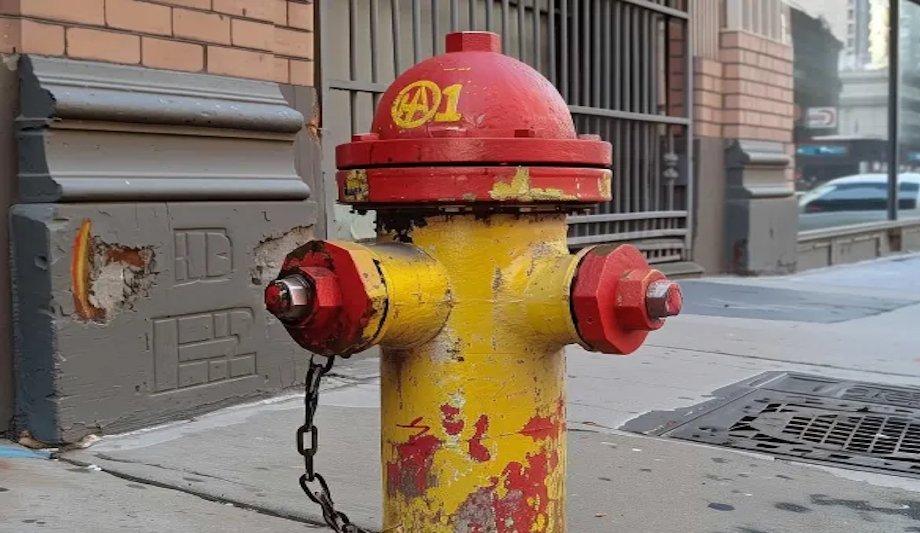
Fire hydrants play a vital role in firefighting by providing a water source connected to underground pipes. Firefighters connect hoses to the hydrants during emergencies, using a specialized wrench to open the valve and allow water to flow from the main supply under pressure. In areas with cold climates, dry barrel hydrants are utilized to prevent internal freezing.
These hydrants keep the main valve underground, isolating water from the upper section until needed. Conversely, wet barrel hydrants, common in warmer climates, contain water up to the outlets, ready for immediate use.
Different Types of Fire Hydrants
Fire hydrants are designed to meet various environmental needs. Here's an overview of common types:
Dry Barrel Hydrants
Suited for freezing conditions, dry barrel hydrants maintain water below ground to avoid ice blockages. Water rises to flow through the hose only when the hydrant is activated, and post-use drainage prevents freezing.
Wet Barrel Hydrants
In warm areas, wet barrel hydrants keep water in the upper section continuously. Each outlet features its own valve, enabling multiple hoses to function independently, which is beneficial when multiple streams of water are required.
Wall Hydrants
These hydrants are integrated into building walls, commonly found in industrial zones or near airports, giving quick water access without occupying sidewalk space. Hoses connect directly to the building, conserving crucial time.
Standpipes
Inside large structures, standpipes function like internal hydrants. These vertical pipelines extend through a building, providing hose connections on every floor, facilitating easy access to water without needing to move equipment upstairs.
Flush Hydrants
Designed to be level with the ground, flush hydrants avoid obstructing space. Used in parking areas or pathways, a removable cover reveals the hydrant when necessary.
Post Indicator Hydrants
Featuring an indicator to show valve status, these hydrants often connect to commercial building sprinkler systems, aiding firefighters and maintenance crews by displaying whether the hydrant is operational.
Recessed Hydrants
Concealed to blend into the environment, recessed hydrants hide beneath a panel or cover and are favored in urban locales where aesthetics or foot traffic discourage traditional designs.
Pillar Hydrants
Commonly used in Europe, these hydrants stand prominently with easily accessible outlets and controls, often supporting several hoses with multiple outlets.
Understanding Fire Hydrant Colors
Fire hydrant colors indicate water supply capacities:
- Red: Water flow under 500 gallons per minute (GPM), fitting for residential zones with lower fire threats.
- Orange: Flow between 500 and 999 GPM, appropriate for moderate-demand areas like small commercial districts.
- Green: Supplies 1,000 to 1,499 GPM, ideal for larger buildings or high-risk zones.
- Blue: Offers 1,500 GPM or more, crucial in industrial regions requiring robust water flow.
Color schemes might differ regionally, yet the objective remains: aiding firefighters in assessing water availability quickly. Occasionally, purple hydrants denote non-potable water.
The Role of a Fire Hydrant System
A comprehensive system ensures water availability when necessary:
- Water Supply Source: Usually the city’s primary line, a dedicated tank, or a natural source like a pond.
- Pumping System: Essential for maintaining adequate pressure, especially distant from the main supply or in tall buildings.
- Distribution Pipes: Durable underground connectors that deliver water to hydrants across the area.
- Valves: Allow water flow control and section isolation for repairs without shutting the entire network.
- Hose Reels and Hoses: Vital for directing water onto fires under high pressure.
- Pressure Gauges: Ensure water pressure remains safe and effective, alerting crews to potential issues.
The Necessity of Maintenance
Functional hydrants are paramount for fire safety, requiring regular upkeep:
- Inspection: Checking for damages, leaks, or obstructions ensures readiness.
- Flow Testing: Regular assessments verify that hydrants meet flow and pressure standards.
- Painting and Marking: Visibility and correct color coding are critical for fast location and evaluation.
- Clearing Access: Removing obstructions like vegetation or snow ensures unhindered emergency access.
Installation of Fire Hydrant Systems
Setting up a reliable fire hydrant system involves detailed planning and expert installation:
- Assessment: Specialists gauge area needs concerning building types, population, and fire hazards.
- Design: Engineers draft layouts ensuring comprehensive coverage and regulatory compliance.
- Installation: Crews lay pipes, install hydrants, and connect components to the water supply.
- Testing: Thorough tests confirm operational integrity before system activation.
- Documentation: Provides essential maintenance records and aids emergency responders with system details.
Fire hydrants significantly contribute to public safety by equipping firefighters with essential tools to protect communities effectively. Understanding their operation underscores the planning and effort dedicated to safeguarding the public.
At their simplest, fire hydrants are valves attached to underground water pipes. When in need of water in case of a fire breakout, firefighters can connect hoses to the hydrant’s outlets. By opening the hydrant’s valve with a special wrench, water flows up from the main supply and out through the hose under a given pressure.
In colder climates, hydrants are designed to prevent water from freezing inside. These are known as dry barrel hydrants. The main valve sits below ground, keeping water out of the upper section until it’s needed. In warmer areas, wet barrel hydrants have water up to the outlets at all times, ready for immediate use.
Types of Fire Hydrants
Fire hydrants come in various designs to suit different environments and needs. Here’s a closer look at the most common types:
- Dry Barrel Hydrants: Ideal for regions with freezing temperatures, dry barrel hydrants keep water below ground to prevent ice blockages. When the hydrant is opened, water rises from the main and flows through the hose. Once closed, the hydrant drains to avoid leftover water freezing inside.
- Wet Barrel Hydrants: Common in warmer climates, wet barrel hydrants have water in the upper section at all times. Each outlet has its own valve, allowing multiple hoses to operate independently. This design is helpful when firefighters need several water streams simultaneously.
- Wall Hydrants: Mounted directly into building walls, wall hydrants are often found in industrial settings or near airports. They provide quick access to water without taking up space on the sidewalk. Firefighters can connect hoses directly to the building, saving valuable time.
- Standpipes: Inside large buildings or high-rises, standpipes act like internal fire hydrants. These vertical pipes run up the building’s height, with hose connections on each floor. Firefighters hook up their hoses inside, avoiding the need to drag equipment up stairs.
- Flush Hydrants: Flush hydrants sit level with the ground, lacking the familiar above-ground barrel. They’re used where traditional hydrants would be in the way, like in parking lots or along sidewalks. A removable cover reveals the hydrant connection when needed.
- Post Indicator Hydrants: These hydrants have a visible indicator showing whether the valve is open or closed. They’re often connected to sprinkler systems in commercial buildings. The indicator helps firefighters and maintenance crews know the hydrant’s status at a glance.
- Recessed Hydrants: Designed to blend into their surroundings, recessed hydrants are hidden beneath a panel or cover. They’re common in urban areas where aesthetics or pedestrian traffic make traditional hydrants impractical. Despite their discreet appearance, they’re fully functional when accessed.
- Pillar Hydrants: Popular in Europe, pillar hydrants stand tall with outlets and controls at an easy working height. Their prominent design makes them easy to locate and operate. They often have multiple outlets to support several hoses at once.
Fire Hydrant Colors
The colors painted on fire hydrants convey important information about the water supply. Here’s what the colors typically mean:
- Red Hydrants: These indicate a water flow of less than 500 gallons per minute (GPM). They’re suitable for residential areas with lower fire risks.
- Orange Hydrants: With a flow between 500 and 999 GPM, orange hydrants offer a moderate water -supply, appropriate for small commercial areas.
- Green Hydrants: These provide a flow of 1,000 to 1,499 GPM. They’re ideal for larger buildings or areas with higher fire hazards.
- Blue Hydrants: Offering 1,500 GPM or more, blue hydrants supply the most water. They’re essential in industrial zones or places where a strong water flow is critical.
Some regions use different color schemes, but the idea remains the same: colors help firefighters assess water availability quickly. Occasionally, you’ll see a purple hydrant, and this signals that the water is non-potable, meaning it’s not safe for drinking but can be used to fight fires.
Components of a Fire Hydrant System
A fire hydrant is part of a larger system that ensures water is available when needed. Here’s what’s involved:
- Water Supply Source: This could be the city’s main water line, a dedicated tank, or even a natural source like a pond.
- Pumping System: Pumps might be necessary to maintain adequate water pressure, especially in areas far from the main supply or in tall buildings.
- Distribution Pipes: These underground pipes connect the water source to hydrants throughout an area. They need to be durable and well-maintained.
- Valves: Valves control water flow within the system, allowing sections to be isolated for repairs without shutting down the entire network.
- Hose Reels and Hoses: Firefighters connect hoses to hydrants to direct water onto fires. These hoses must withstand high pressure and harsh conditions.
- Pressure Gauges: Monitoring devices ensure water pressure stays within safe and effective levels, alerting crews to any issues.
Importance of Maintenance
A fire hydrant is only useful if it works when needed. Regular maintenance keeps hydrants in good condition:
- Inspection: Checking for damage, leaks, or obstructions ensures hydrants are ready for action.
- Flow Testing: Periodic tests measure water flow and pressure, confirming hydrants meet necessary standards.
- Painting and Marking: Keeping hydrants visible and properly color-coded helps firefighters locate and assess them quickly.
- Clearing Access: Removing vegetation, snow, or debris around hydrants ensures they’re accessible in an emergency.
Installing a Fire Hydrant System
Setting up a fire hydrant system involves careful planning and skilled installation:
- Assessment: Experts evaluate the area’s needs, considering factors like building types, population density, and fire risks.
- Design: Engineers create a layout for hydrants, pipes, and other components, ensuring coverage and compliance with regulations.
- Installation: Workers dig trenches for pipes, install hydrants, and connect everything to the water supply.
- Testing: Before the system goes live, thorough testing confirms that everything works as intended.
- Documentation: Accurate records help with future maintenance and ensure that emergency responders know the system’s details.
Public safety
Fire hydrants are a critical part of public safety. They provide firefighters with the tools to do their jobs effectively. Understanding how they work helps people understand the thought and effort that goes into protecting the communities and helps people appreciate them for their contributions.